GLP-1 Agonist Therapy for Digestive Issues: What You Need to Know
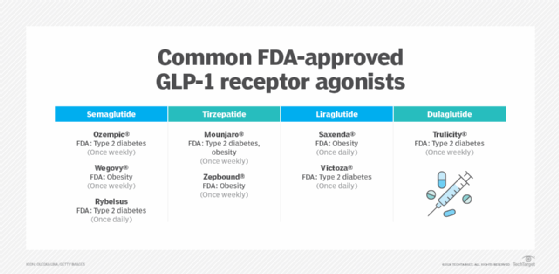
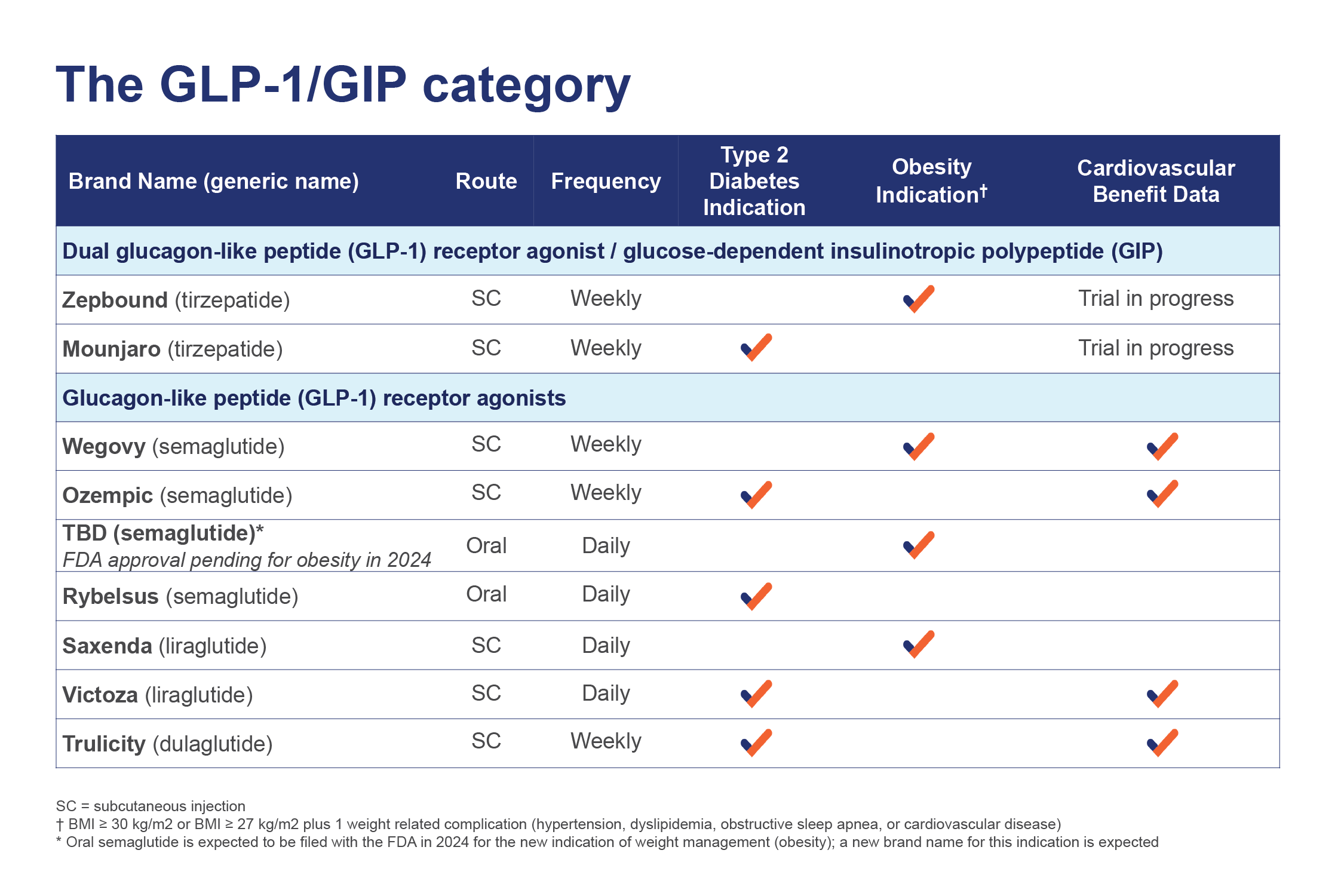
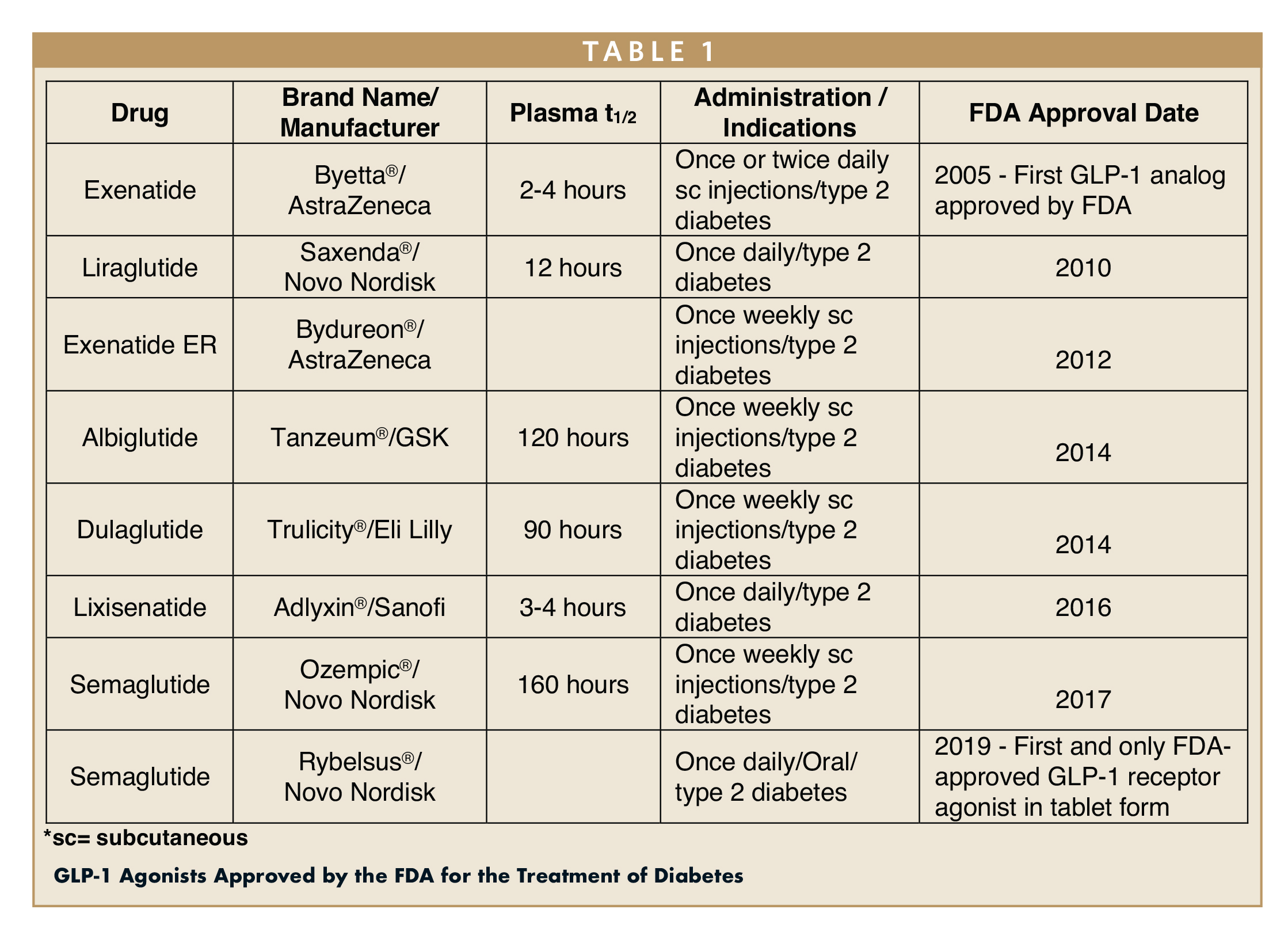
GLP-1 receptor agonists are a class of medications commonly used to manage type 2 diabetes and support weight loss. However, as effective as these medications may be, they can also cause a range of digestive issues, from mild symptoms like nausea and bloating to more severe problems like gastroparesis and bowel obstruction.
How GLP-1 Agonists Work
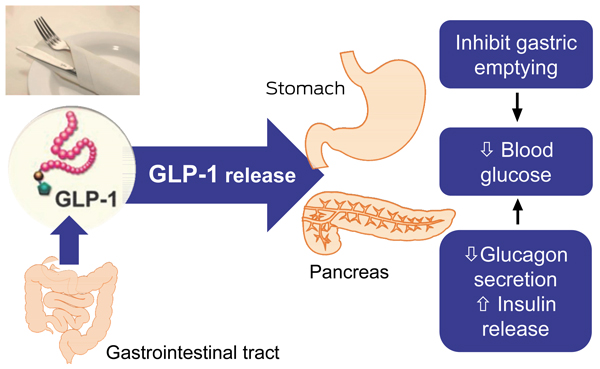
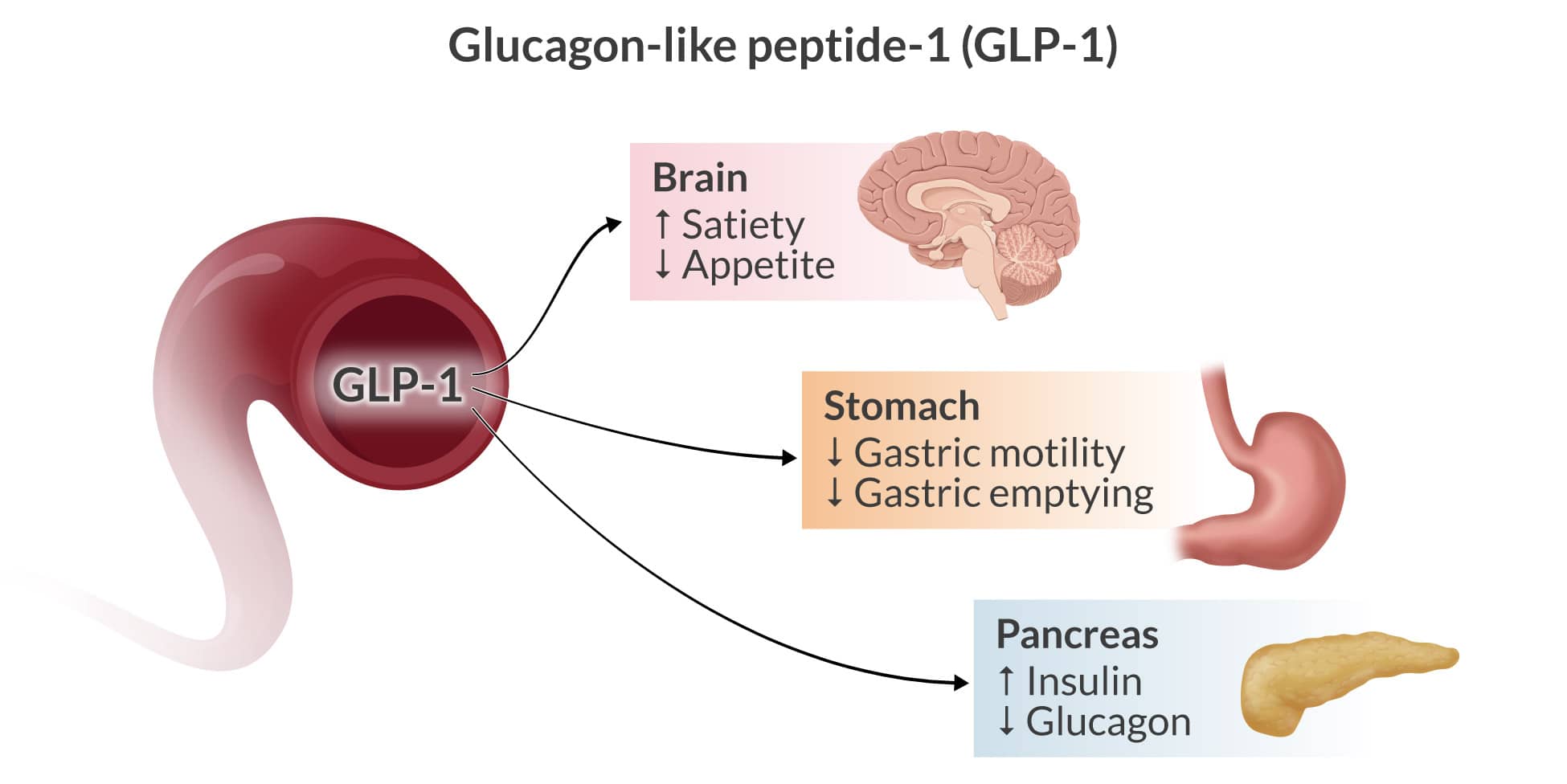
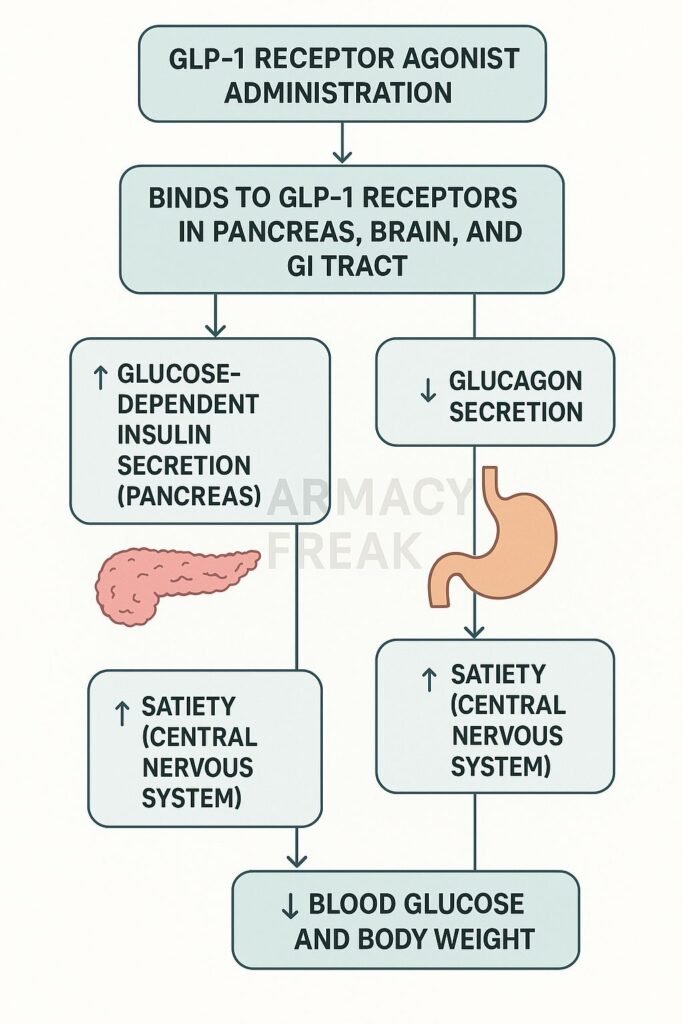
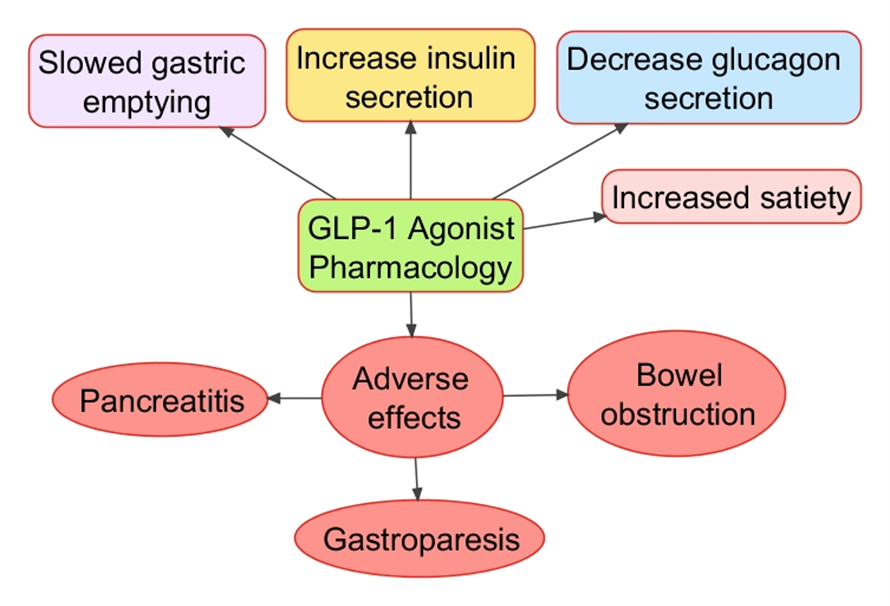
GLP-1 receptor agonists mimic the natural hormone glucagon-like peptide-1 (GLP-1), which is released by the intestines in response to eating. GLP-1 helps regulate blood sugar levels, hunger, and digestion. By mimicking this hormone, GLP-1 receptor agonists can slow down gastric emptying, reducing the rate at which food enters the small intestine and is absorbed into the bloodstream.
Common Digestive Issues Associated with GLP-1 Agonists
The most common digestive issues associated with GLP-1 receptor agonists include:
- Nausea and vomiting
- Diarrhea and bloating
- Constipation and abdominal pain
- Gastroparesis, a condition characterized by delayed emptying of the stomach
- Bowel obstruction, a condition characterized by a blockage in the small intestine
Why Do GLP-1 Agonists Cause Digestive Issues?
There are several reasons why GLP-1 receptor agonists can cause digestive issues. These medications:
- Slow down gastric emptying, leading to feelings of fullness and nausea
- Affect the balance of gut bacteria, leading to changes in digestion and bowel movements
- Can cause inflammation in the gastrointestinal tract, leading to symptoms like abdominal pain and diarrhea
Managing Digestive Issues with GLP-1 Agonists
While digestive issues are a common side effect of GLP-1 receptor agonists, there are steps you can take to manage these symptoms and minimize their impact on your daily life.
1. Stay Hydrated

Drinking plenty of water is essential when taking GLP-1 receptor agonists. Aim to drink at least eight glasses of water per day to help prevent dehydration and reduce the risk of digestive issues.
2. Eat Regular, Balanced Meals
Eating regular, balanced meals can help stabilize blood sugar levels and reduce symptoms of nausea and bloating. Choose foods that are easy to digest, such as lean proteins, whole grains, and vegetables.
3. Consider Adding Fiber Supplements
Some people find that adding fiber supplements, such as psyllium or methylcellulose, can help alleviate symptoms of constipation and diarrhea. However, be sure to talk to your doctor before adding any supplements to your diet.
4. Practice Stress-Reducing Techniques
Stress can exacerbate digestive issues, so it's essential to find ways to manage stress and anxiety. Try techniques like meditation, deep breathing, or yoga to help reduce symptoms of nausea and bloating.
5. Consider IV Therapy
For severe cases of digestive issues, IV therapy may be an option. IV therapy delivers hydration, electrolytes, and other nutrients directly into the bloodstream, bypassing the stomach entirely. This can be a game-changer for people who are experiencing severe symptoms.
Conclusion
GLP-1 receptor agonists are a powerful tool for managing type 2 diabetes and supporting weight loss. While they can cause digestive issues, there are steps you can take to manage these symptoms and minimize their impact on your daily life. By staying hydrated, eating regular, balanced meals, considering adding fiber supplements, practicing stress-reducing techniques, and considering IV therapy, you can reduce the risk of digestive issues and get the most out of your GLP-1 receptor agonist treatment.