Flooded Basement Repair Options: A Comprehensive Guide
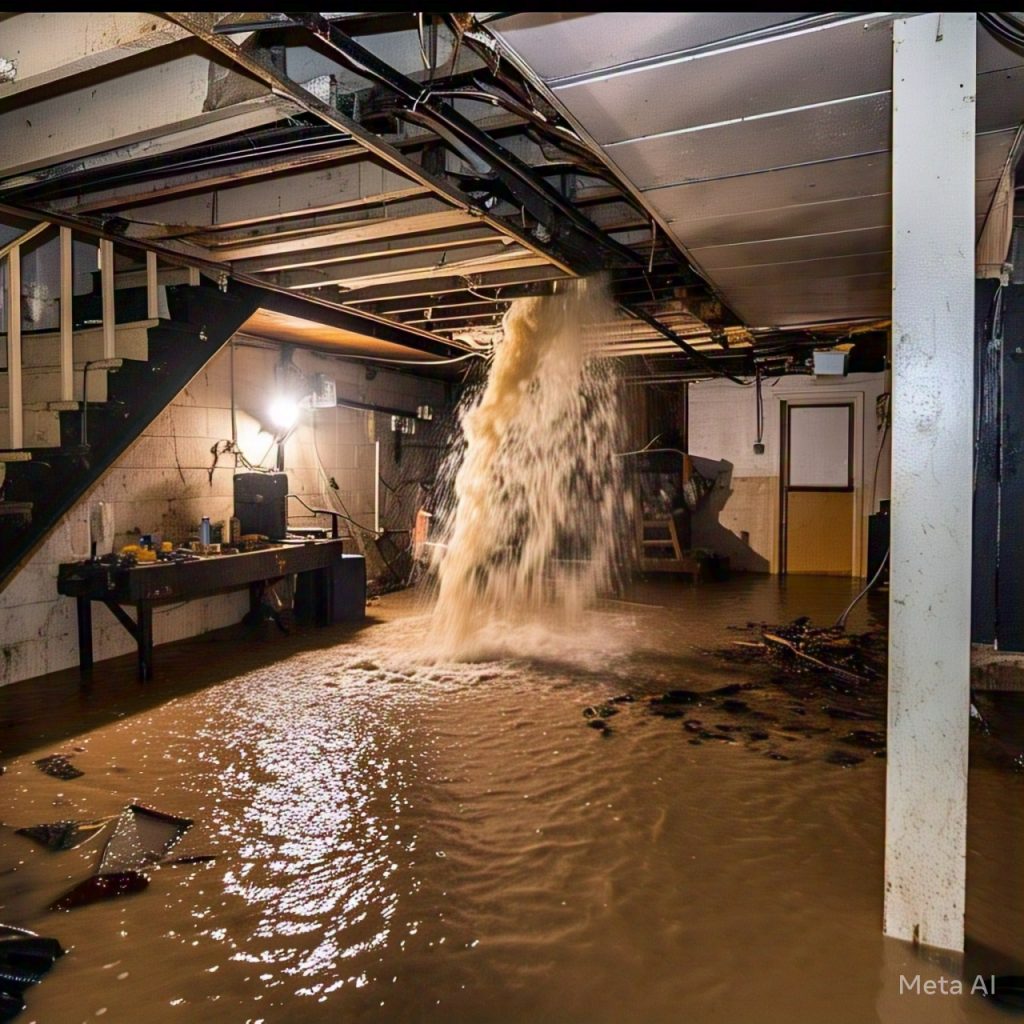
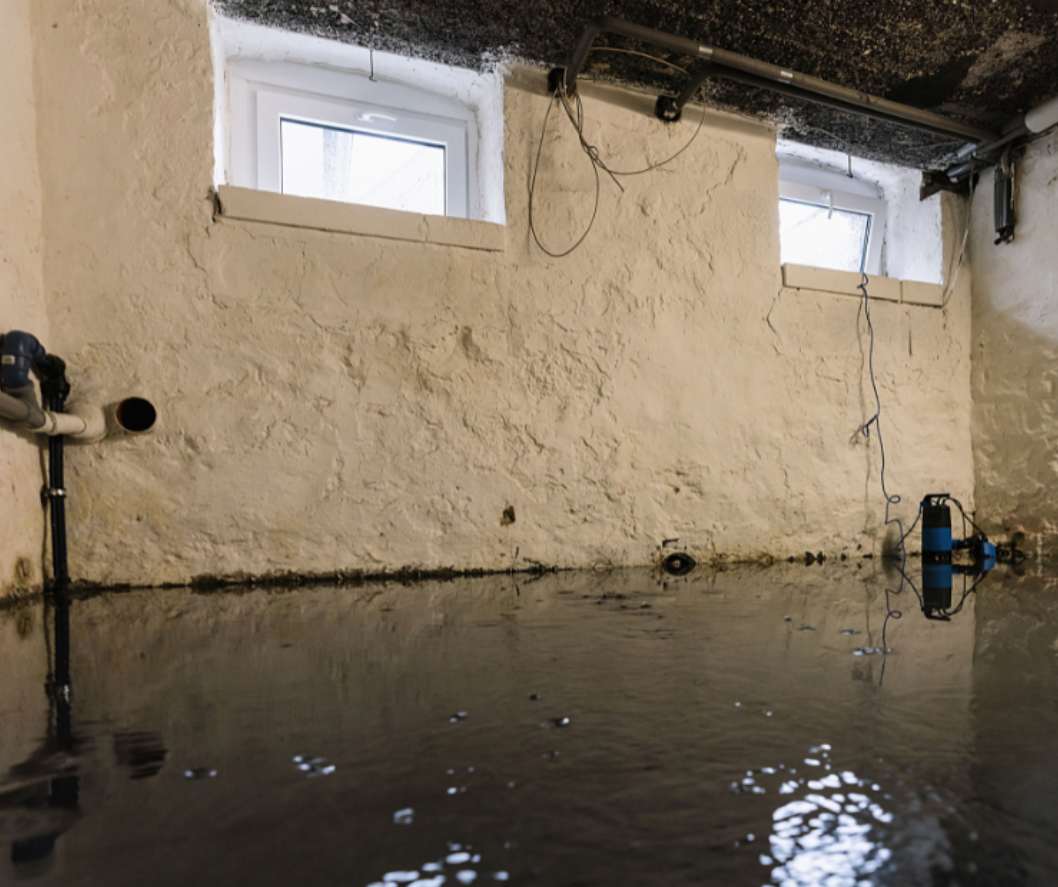
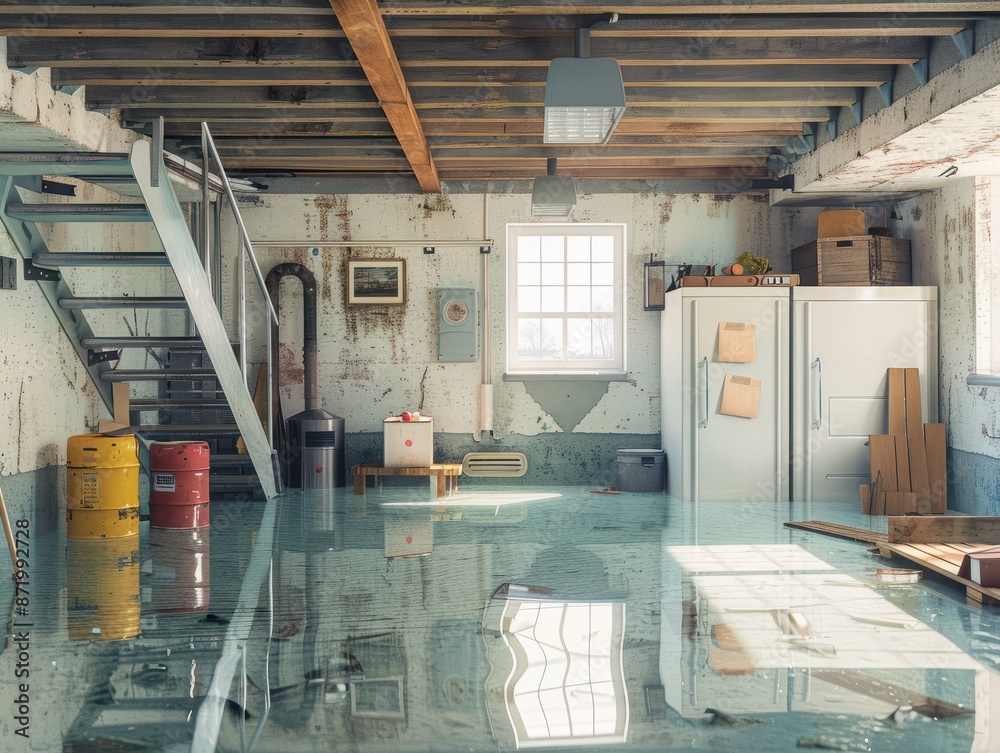
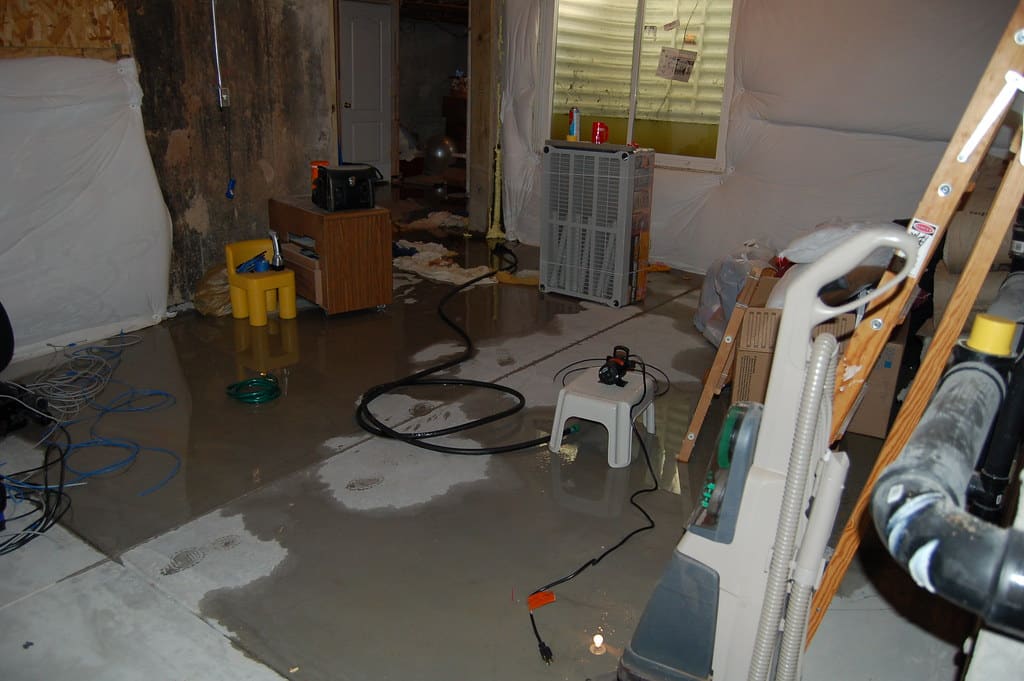
Afloodedbasementcan cause major damage and stress to any homeowner. Whether the water comes from a heavy storm, sump pump failure, or a burst pipe, it's essential to act quickly and methodically to minimize damage and ensure safety.
Why Did My Basement Flood?
Before we dive into the flooded basement repair options, it's essential to understand the cause of the flooding. Some common reasons include:
- Heavy rainfall or storm surges
- Sump pump failure
- Burst pipes or water heater malfunction
- Poor drainage or clogged gutters
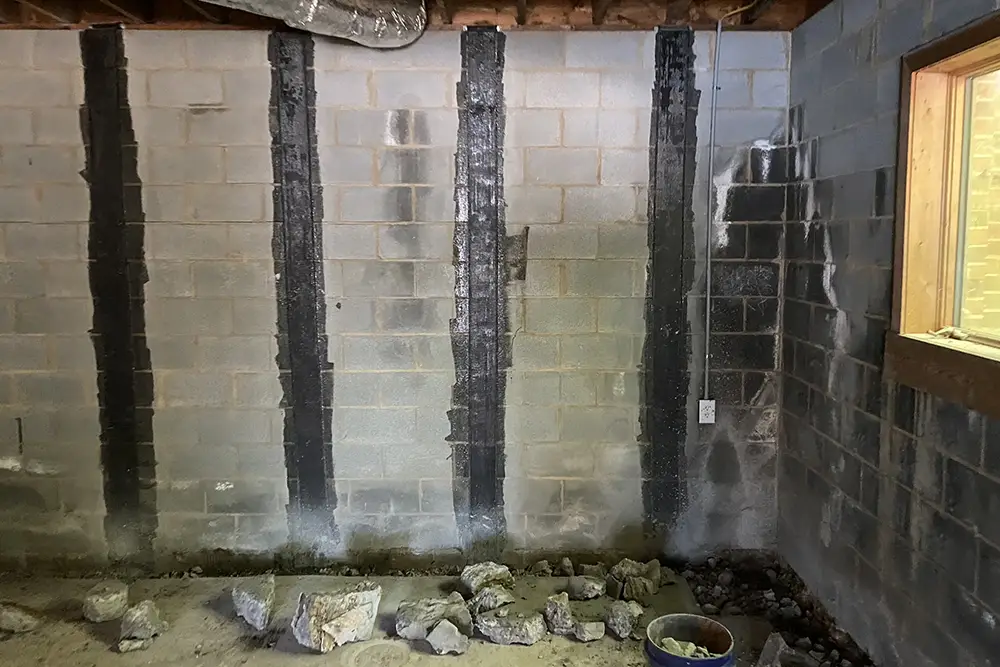
- Foundation cracks or settlement issues
Immediate Steps to Take After Flooding
When you first notice flooding in your basement, take the following steps:
- Shut off power to the area, including electricity and gas, to minimize the risk of injuries and further issues.
- Evacuate the area and do not attempt to enter the flooded basement until it's safe to do so.
- Call a professional water damage restoration service to assess the damage and begin the cleanup process.
- Document the damage with photos and videos for insurance purposes.
Restoration and Repair Options
Once the immediate danger has passed, it's time to assess the damage and begin the restoration and repair process. Here are some options to consider:

- Water Removal and Extraction: Use a professional water damage restoration service to remove standing water and extract water from carpets, padding, and other materials.
- Dryout and Drying: Use specialized equipment to dry out the affected area, including dehumidifiers and air movers.
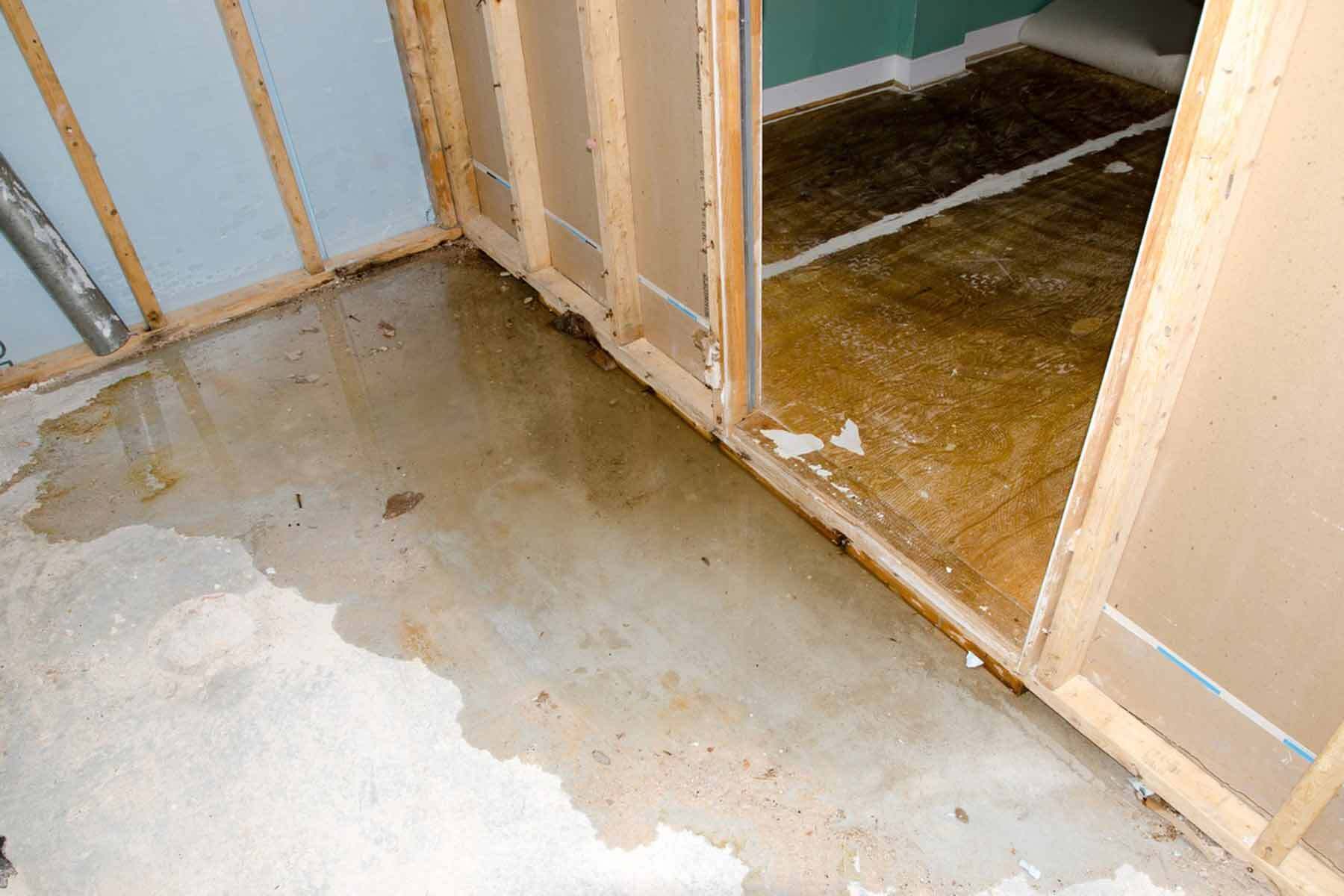
- Structural Repair: Repair or replace damaged structural elements, such as walls, floors, and ceilings.
- Mold Remediation: Remove and remediate any mold growth that may have occurred as a result of the flooding.
- Waterproofing and Prevention: Implement measures to prevent future flooding, such as installing a sump pump, French drain, or waterproofing membrane.
Preventative Measures to Prevent Future Flooding
To prevent future flooding, consider the following measures:
- Regularly Inspect and Maintain Your Sump Pump: Ensure your sump pump is working properly and consider installing a backup system.
- Clean and Maintain Your Gutters and Downspouts: Regularly clean and maintain your gutters and downspouts to ensure water flows freely.
- Fix Leaks and Cracks in Your Foundation: Address any leaks or cracks in your foundation to prevent water from entering your basement.
- Install a French Drain: Consider installing a French drain to redirect water away from your basement.
- Waterproof Your Basement: Apply a waterproofing membrane to your basement walls and floors to prevent water seepage.
Conclusion
Flooding in your basement can be a stressful and overwhelming experience. By understanding the cause of the flooding, taking immediate action, and implementing preventative measures, you can minimize damage and ensure a safe and healthy home environment. Remember to always prioritize your safety and seek professional help when needed.
Resources
For more information on flooded basement repair options and prevention, consider the following resources: