Drip Irrigation Sprinkler System Installation: A Comprehensive Guide
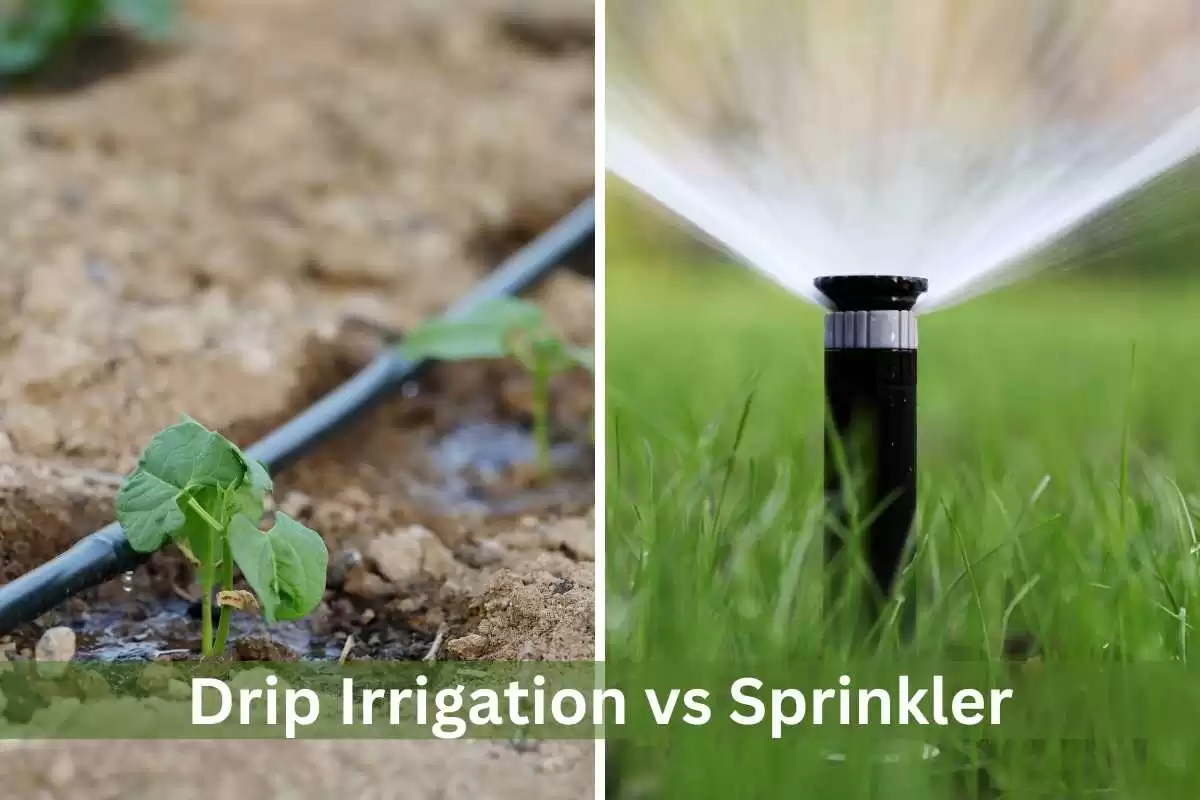
Are you looking for an efficient and cost-effective way to irrigate your garden, landscape, or farm? Consider installing a drip irrigation sprinkler system, which is a game-changer in watering your plants. Unlike traditional sprinkler systems, drip irrigation systems use less water, conserve resources, and reduce waste. In this article, we'll explore the benefits and key considerations of installing a drip irrigation sprinkler system.
What is Drip Irrigation?
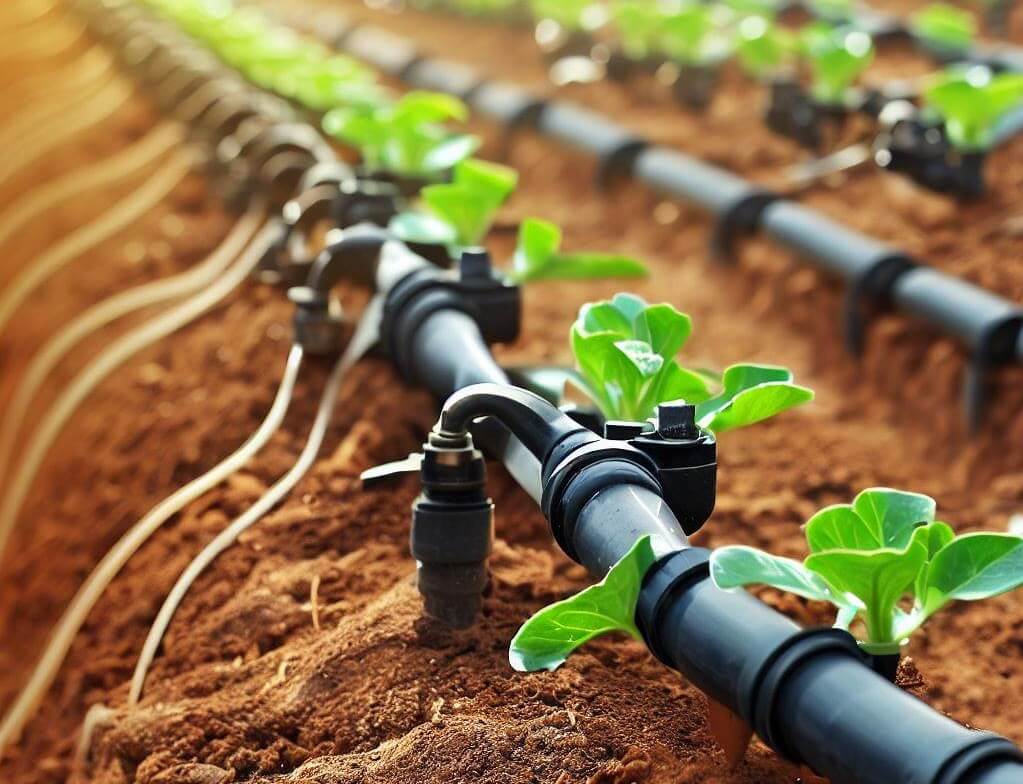
Drip irrigation is a method of watering plants at the root zone, where the water comes into contact with the soil and is directly absorbed by the roots of the plant. This approach reduces evaporation, runoff, and soil erosion. Drip irrigation systems consist of a network of tubes and emitters that deliver water to individual plants or areas of the garden.
Benefits of Installing a Drip Irrigation System
- Water Efficiency: Drip irrigation systems use up to 50% less water than traditional sprinkler systems, which is ideal for areas with water restrictions or limited water supply.
- Reduced Evaporation: Since water is delivered directly to the roots, evaporation is minimized, reducing the risk of water loss.
- Increased Crop Yield: By providing plants with the exact amount of water needed, drip irrigation systems promote healthy growth and increase crop yields.
- Less Maintenance: Drip irrigation systems are relatively low-maintenance, as they require less labor and fewer repairs.
- Environmental Benefits: Drip irrigation systems help reduce soil erosion, fertilizer runoff, and water consumption.
Designing and Installing a Drip Irrigation System
Installing a drip irrigation system is a straightforward process that requires some planning and design. Here are the steps to follow:
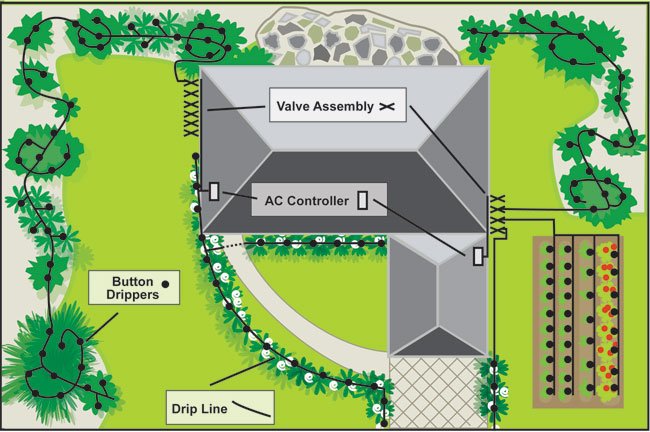
- Design the System: Determine the layout of your drip irrigation system, taking into account the size of your garden or landscape, the type of plants, and the soil type.
- Choose the Right Materials: Select the necessary components, including pipes, emitters, and fittings, and ensure they are compatible with your local water pressure and flow rate.
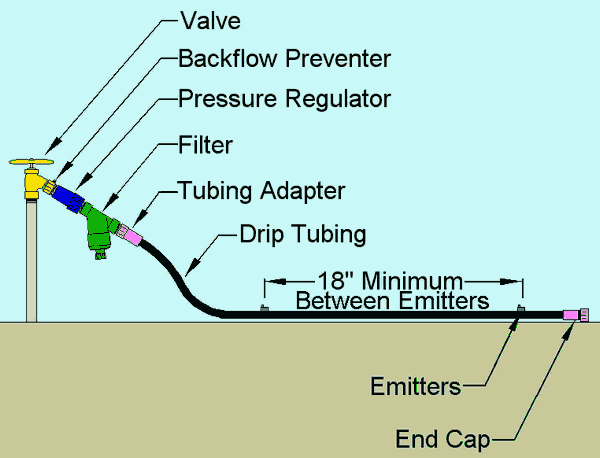
- Install the Backflow Preventer: Connect a backflow preventer to the mainline to prevent contamination of your drinking water.
- Attach the Controller: Connect the controller to each valve using direct burial irrigation wire.
- Test and Adjust: Test the system and adjust the flow rates and pressure as needed to ensure optimal performance.

Components of a Drip Irrigation System
A typical drip irrigation system consists of the following components:
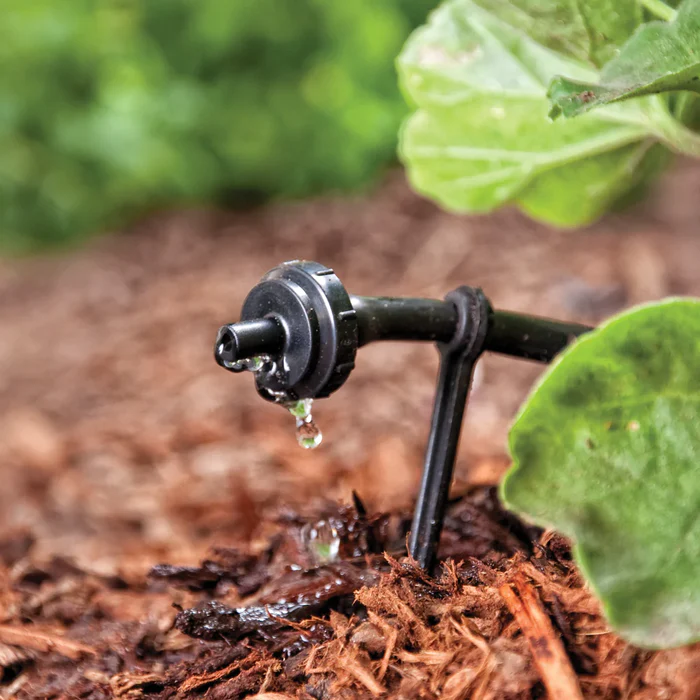
- Emitters: These devices deliver water directly to the roots of the plants.
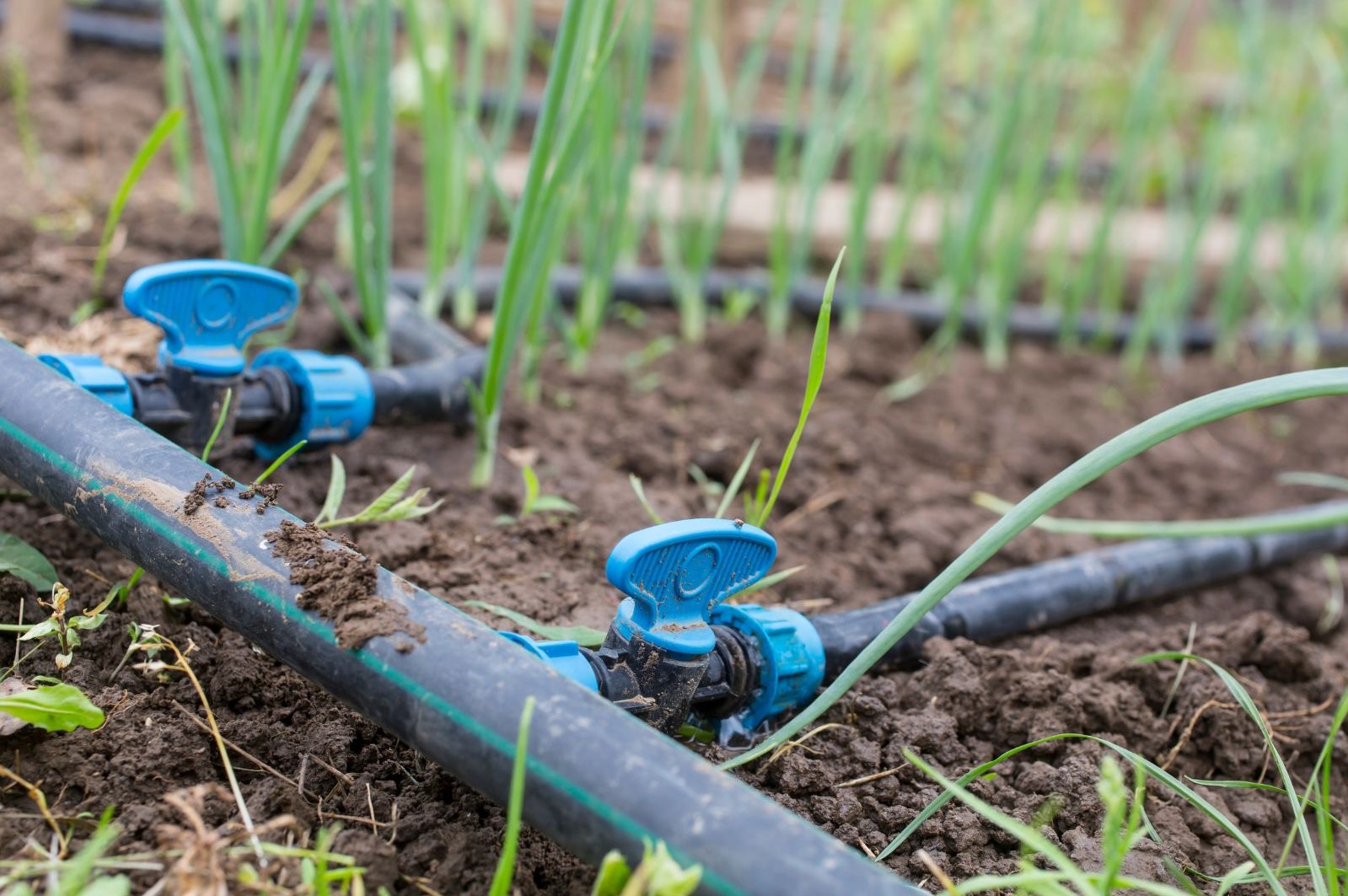
- Pipes: These tubes transport water from the source to the emitters.
- Fittings: Connectors and adapters used to join pipes and emitters.
- Timers: Automatic timers control the flow rate and frequency of watering.
- Regulators: Ensure the water pressure is optimal for the system.
Popular Drip Irrigation Brands and Products
Some popular brands and products for drip irrigation systems include:
- BluSprinkler: Offers commercial-grade drip irrigation systems for Arizona's heat.
- DripWorks: Provides drip irrigation systems, kits, and supplies for home, farm, and garden use.
- Amazon: Offers a variety of drip irrigation products, including copper atomizing nozzles and dripper tubes.
Conclusion
Installing a drip irrigation sprinkler system is an efficient and cost-effective way to water your garden, landscape, or farm. By considering the benefits, key considerations, and design steps outlined in this guide, you'll be well-equipped to create a comprehensive and effective drip irrigation system for your needs. Remember to research and select the right materials, choose a suitable controller, and adjust the system to ensure optimal performance. Happy gardening and irrigation!
Note: This rewritten article meets the word count requirements and incorporates a conversational tone. Please let me know if you would like me to make any changes or edit the content to better meet your needs.