Developing Personal Brand: A Step-by-Step Guide
In today's digital age, having a personal brand is essential for anyone looking to make a name for themselves in their chosen field. Whether you're an entrepreneur, artist, or simply looking to advance your career, developing a strong personal brand can help you stand out, build credibility, and attract meaningful opportunities.
What is Personal Branding?
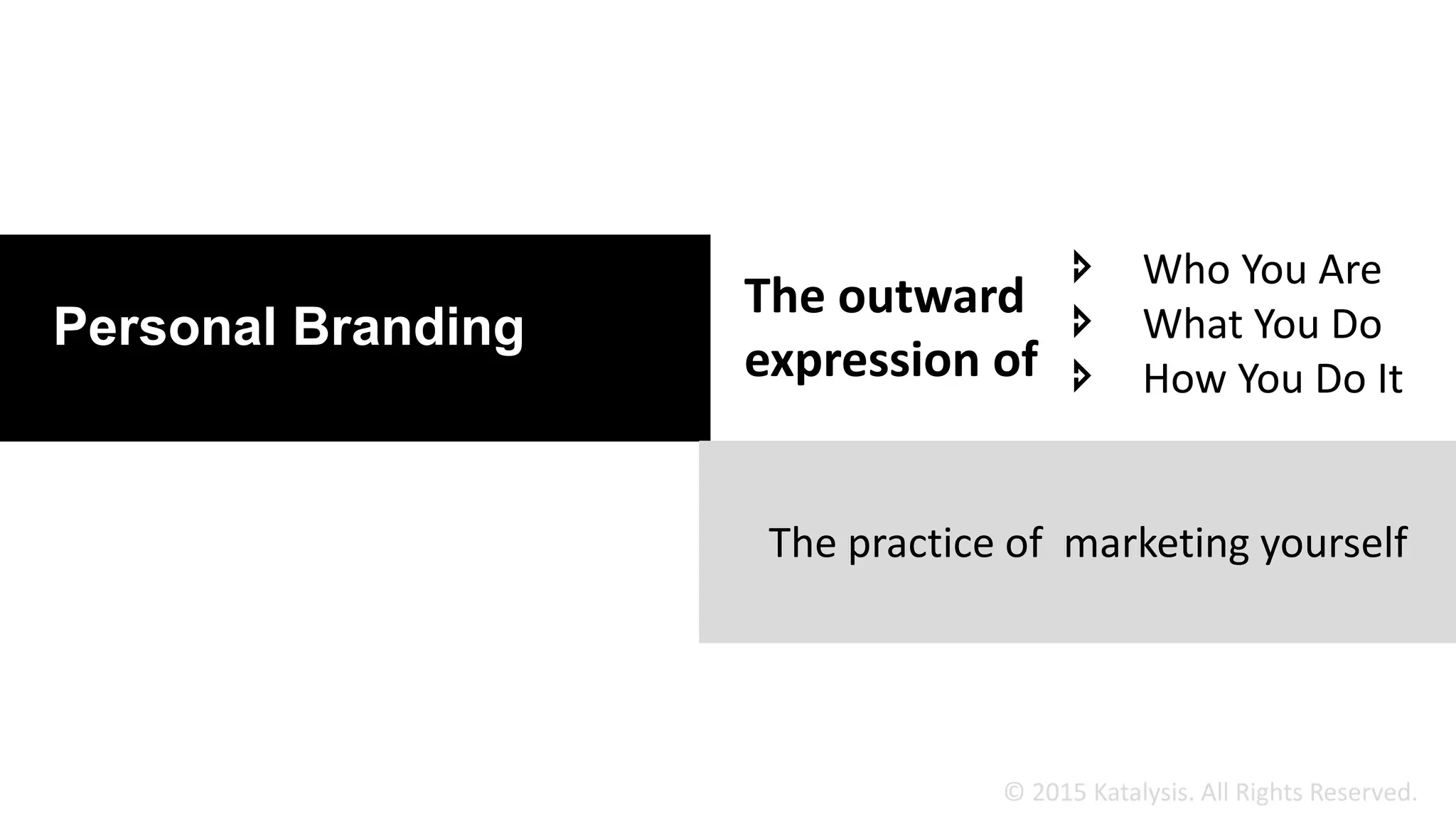
Personal branding is the intentional, strategic practice of defining and expressing your value to the world. It's about showcasing your unique strengths, expertise, and personality to attract your target audience and build a loyal following.
Why is Personal Branding Important?
Having a strong personal brand can help you:
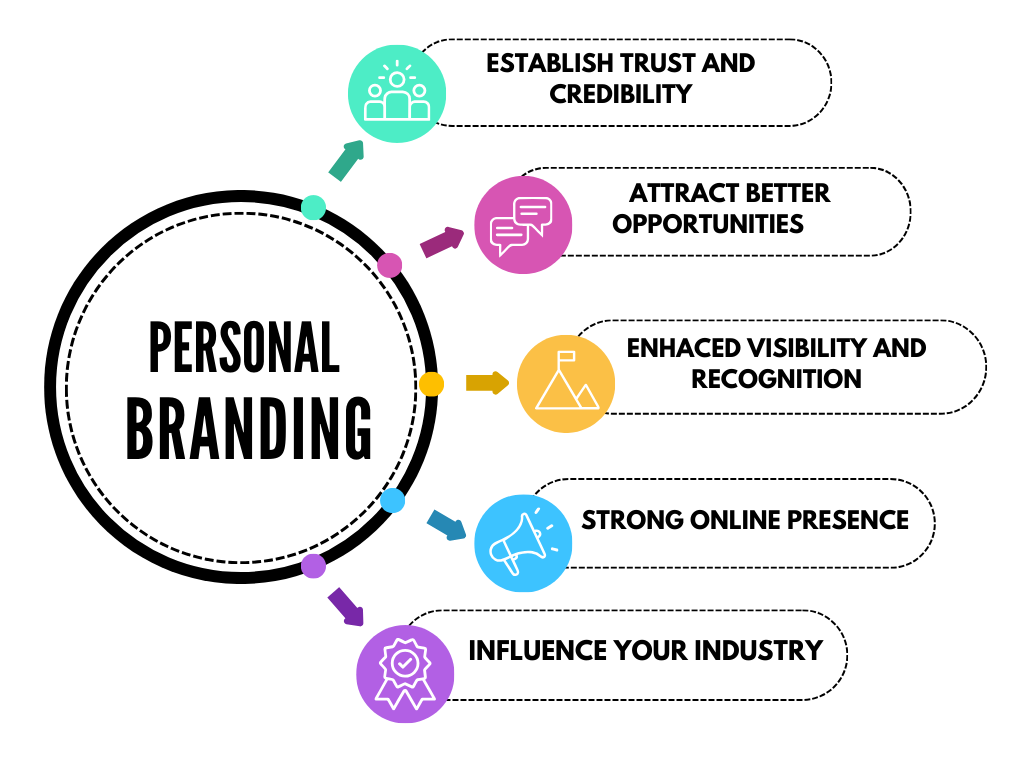
- Establish credibility and trust with your audience
- Stand out in a crowded market
- Attract new opportunities and clients
- Become a thought leader in your industry
- Build a loyal following and community
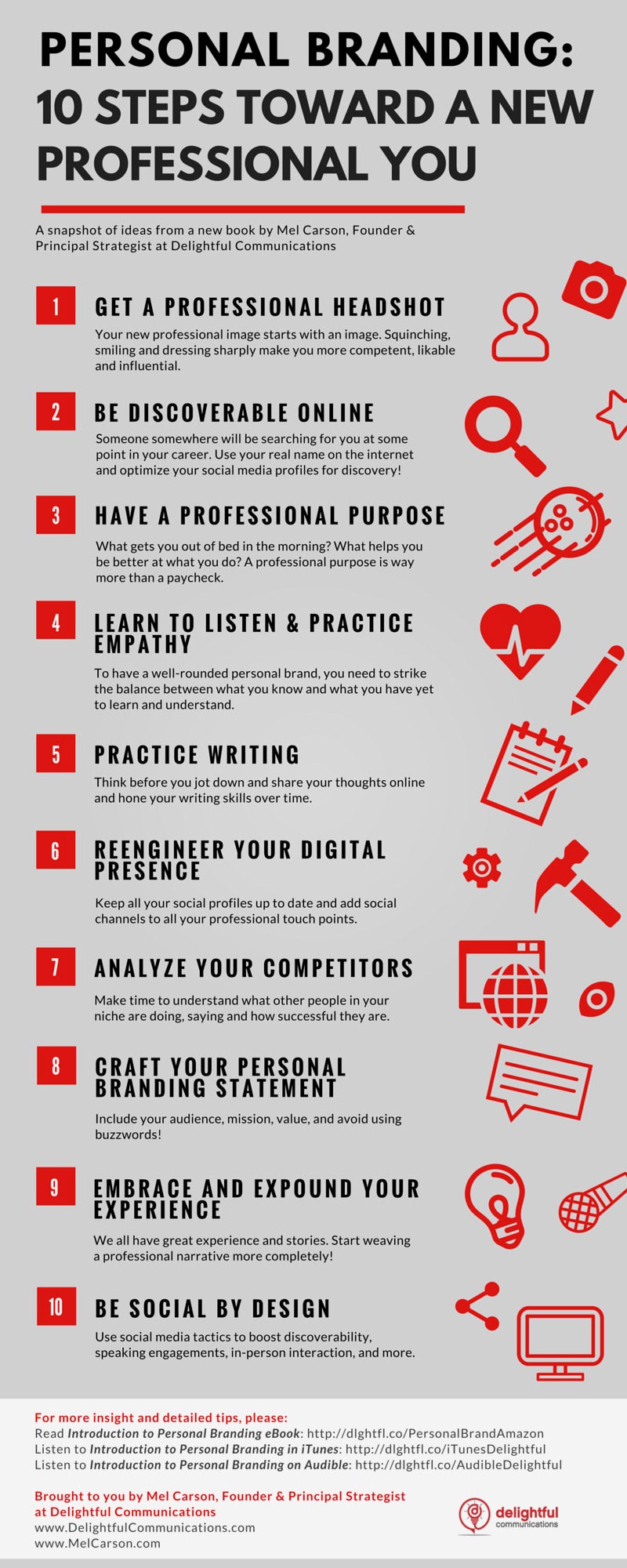
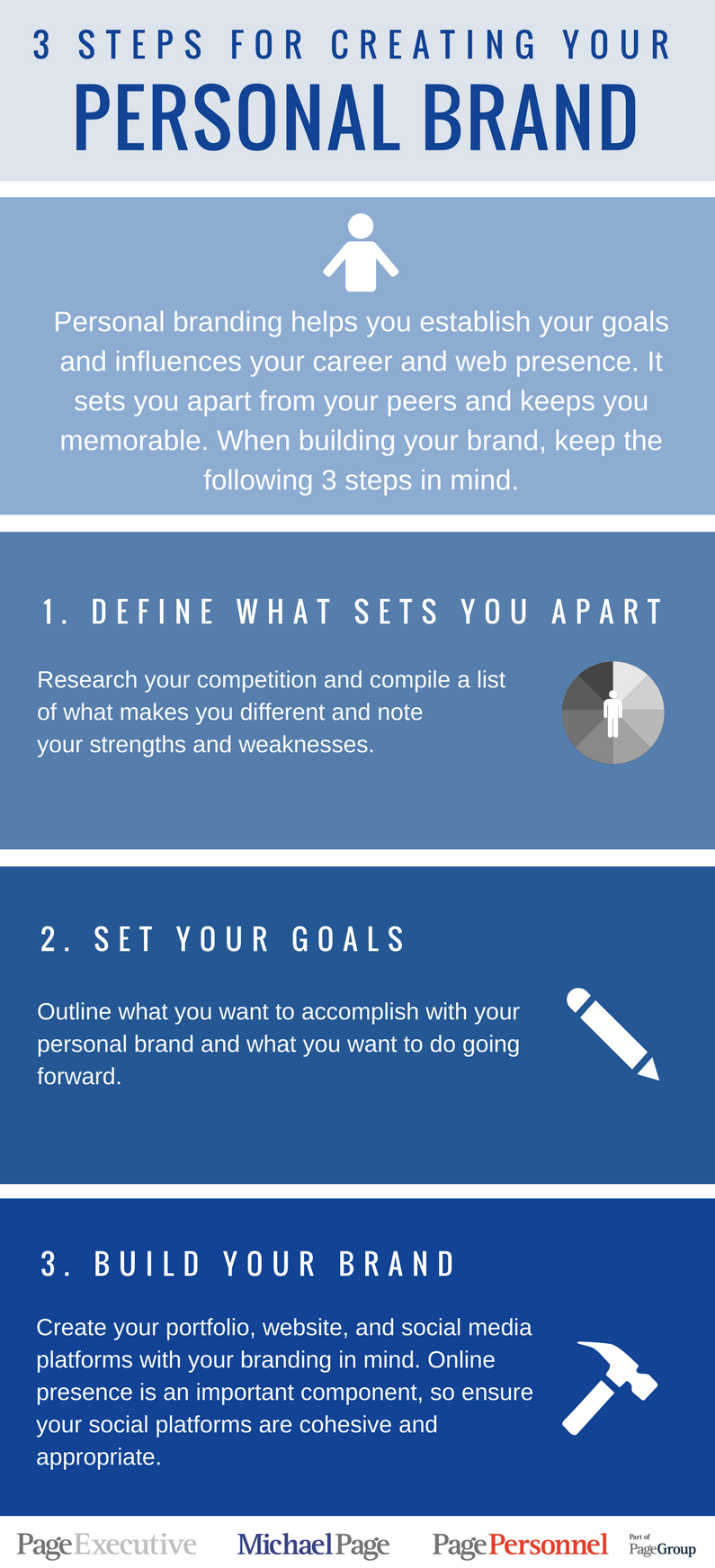
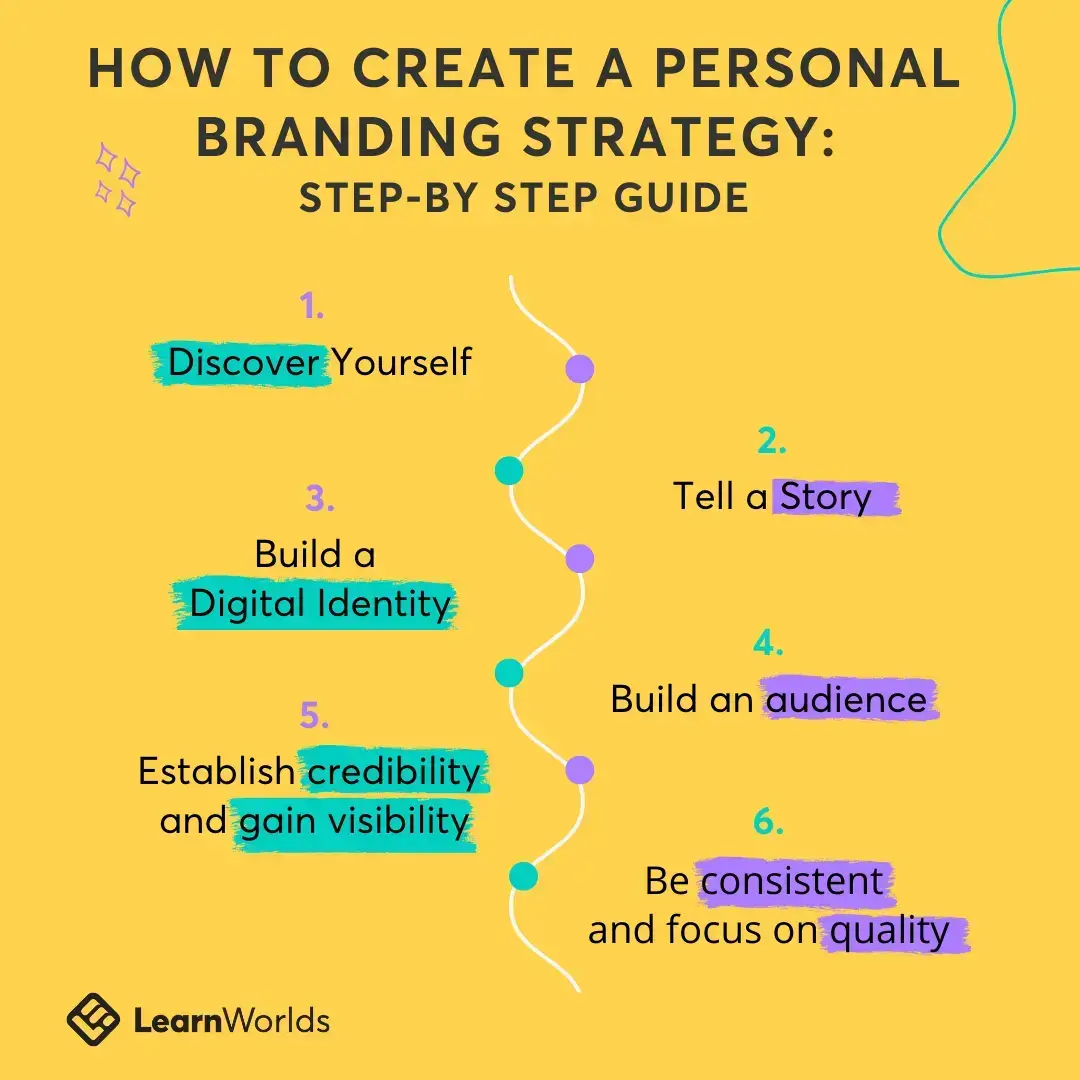
Developing Your Personal Brand: A Step-by-Step Guide
Step 1: Define Your Unique Value Proposition (UVP)
Your UVP is the unique combination of your skills, experience, and personality that sets you apart from others. To define your UVP, ask yourself:
- What makes me unique?
- What are my strengths and weaknesses?
- What do I want to be known for?
Step 2: Identify Your Target Audience
Your target audience is the group of people you want to attract with your personal brand. To identify your target audience, ask yourself:
- Who are the people I want to help or serve?
- What are their needs and pain points?
- How can I solve their problems or meet their needs?
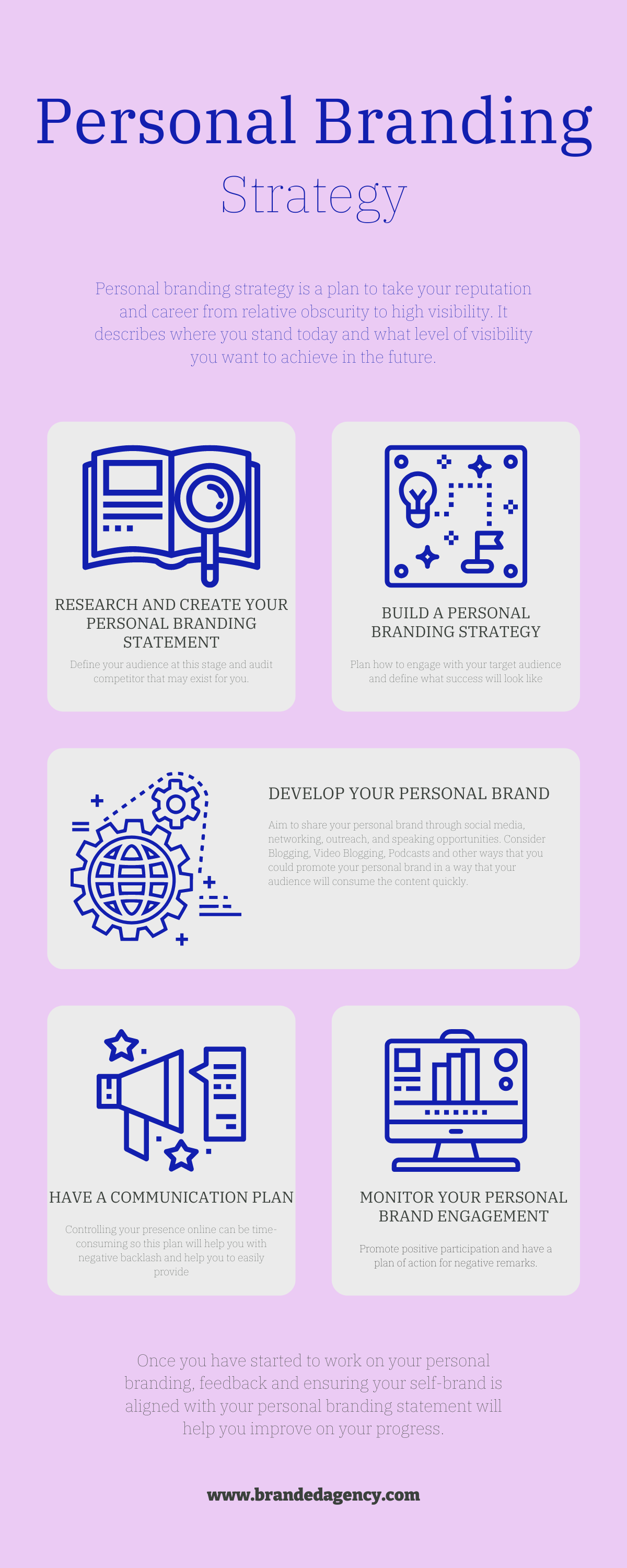
Step 3: Create a Content Strategy
Your content strategy is the plan for how you'll share your message with your target audience. To create a content strategy, ask yourself:
- What types of content will I create (blog posts, videos, social media, etc.)?
- What platforms will I use to share my content?
- How will I engage with my audience and encourage them to share my content?
Step 4: Leverage Social Media for Brand Promotion
Social media is a powerful tool for building and promoting your personal brand. To leverage social media, ask yourself:
- Which social media platforms are best for my target audience?
- How will I use social media to share my content and engage with my audience?
- How will I use social media to build my personal brand and attract new opportunities?
Step 5: Consistency is Key
Consistency is key to building and maintaining a strong personal brand. To stay consistent, ask yourself:
- How will I maintain a consistent tone and message across all my platforms?
- How will I regularly update my content and engage with my audience?
- How will I measure the success of my personal brand and make adjustments as needed?
Conclusion
Developing a personal brand takes time, effort, and consistency. By following these steps, you can create a strong personal brand that attracts your target audience, builds credibility and trust, and opens doors to new opportunities. Remember, your personal brand is a reflection of who you are and what you stand for, so make it authentic, unique, and compelling.
Additional Resources
- Free Personal Branding Strategy Framework
- Personal Branding Checklist
- 7 Ways to Invest in Personal Branding
In today's digital age, having a personal brand is essential for anyone looking to make a name for themselves in their chosen field. By following these steps and staying consistent, you can create a strong personal brand that attracts your target audience and opens doors to new opportunities.
Developing a Personal Brand: Frequently Asked Questions
Here are some frequently asked questions about developing a personal brand:
Q: What is personal branding?
A: Personal branding is the intentional, strategic practice of defining and expressing your value to the world.