Delayed Onset Muscle Soreness Solutions for Runners
Are sore muscles after a tough workout a regular occurrence for you? Learn what causes delayed onset muscle soreness (DOMS) and how to relieve stiffness, reduce pain, and speed up recovery so you can get back to running stronger and feeling your best.
What is Delayed Onset Muscle Soreness (DOMS)?
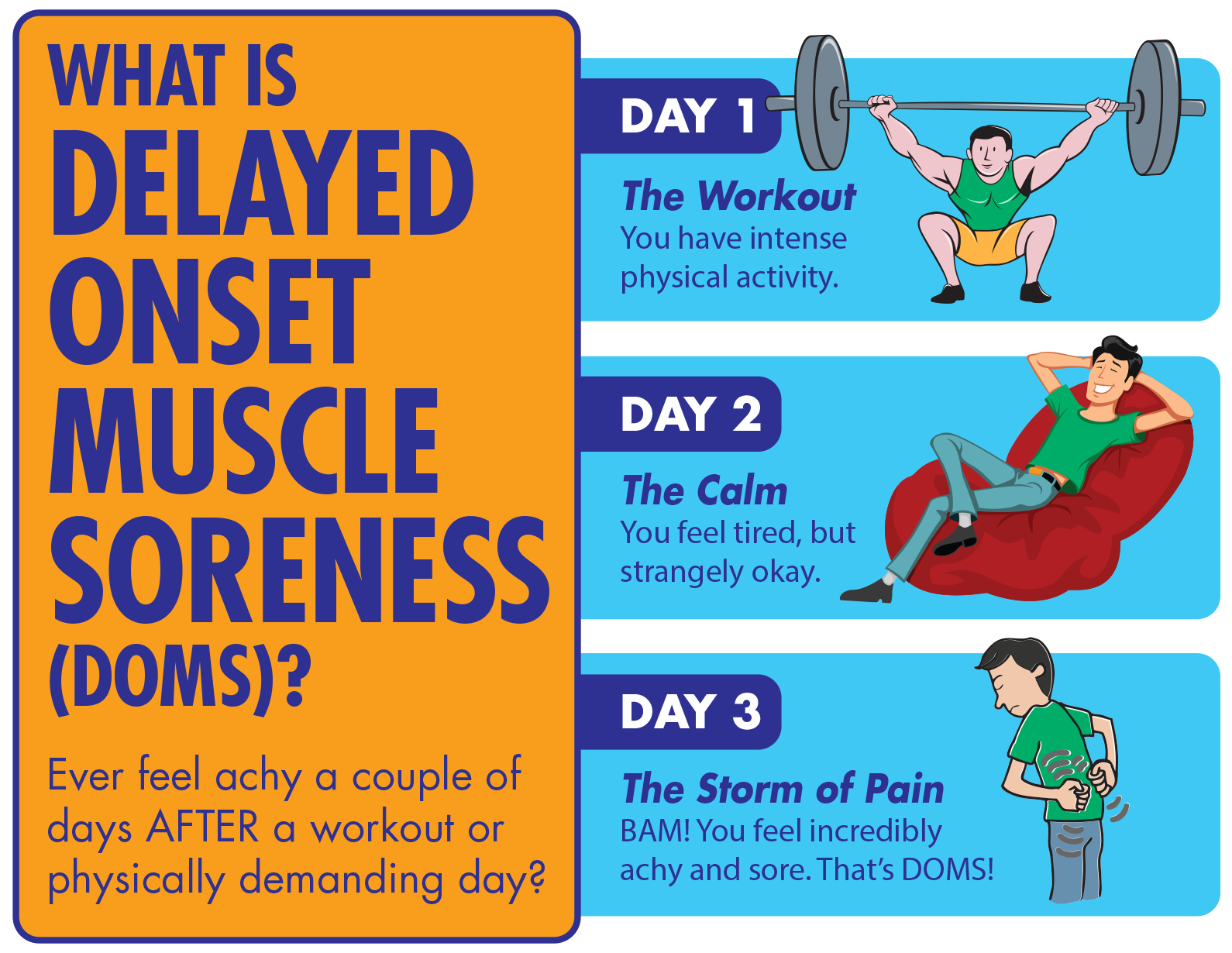
DOMS stands for delayed onset muscle soreness, a condition that causes muscle aches and soreness. It occurs after intense or unfamiliar exercise, particularly after eccentric movements, such as running downhill. This type of muscle soreness peaks 24 to 72 hours after exercise, causing muscles to feel stiff and uncomfortable as they heal and adapt.
Causes of DOMS
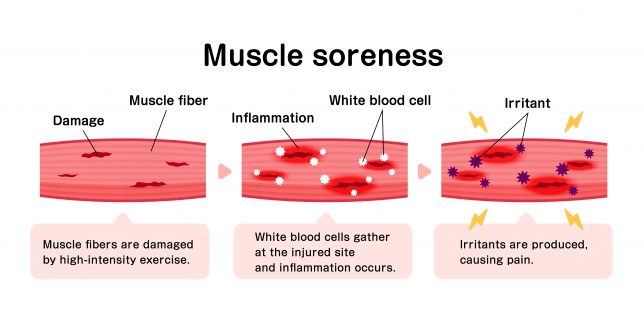
The primary cause of DOMS is micro-tears in muscle fibers, which occur during intense or unfamiliar exercise. This leads to inflammation, which causes pain and stiffness in the affected muscles. Other contributing factors to DOMS include:
- Inadequate warm-up or cool-down routine
- Inconsistent training or sudden changes in exercise intensity or frequency
- Lack of flexibility or mobility
- Poor running form or biomechanics
Symptoms of DOMS
The symptoms of DOMS include:
- Muscle stiffness and tightness
- Tenderness and swelling in the affected muscles
- Decreased strength and mobility in the affected muscles
- Pain or soreness in the affected muscles
Solutions for DOMS
.jpg)
While there is no cure for DOMS, there are several solutions that can help alleviate the symptoms and speed up recovery. These include:
- Stretching and foam rolling: Regular stretching and foam rolling can help reduce muscle tension and improve flexibility, reducing the severity of DOMS.
- Cold therapy: Cold therapy, such as ice baths or cold compresses, can help reduce inflammation and alleviate pain.
- Active recovery: Engaging in low-intensity activities, such as yoga or light cardio, can help promote blood flow and reduce muscle soreness.
- Compression garments: Wearing compression garments, such as sleeves or tights, can help improve blood flow and reduce muscle soreness.
- Massage: Massages can help reduce muscle tension and promote relaxation, reducing the severity of DOMS.
- Proper nutrition: Adequate nutrition, including protein, complex carbohydrates, and healthy fats, is essential for muscle recovery and growth.
- Rest and recovery: Adequate rest and recovery time is crucial for muscle repair and growth.
Prevention of DOMS
While it is not possible to completely eliminate DOMS, there are several ways to reduce its severity. These include:
- Incorporating strength training into your routine to build muscle resilience
- Gradually increasing exercise intensity and frequency to avoid sudden changes
- Incorporating flexibility and mobility exercises into your routine
- Using proper running form and biomechanics
- Getting adequate rest and recovery time
- Adequate nutrition and hydration
Conclusion
Delayed onset muscle soreness (DOMS) is a common experience for runners, but it can be alleviated with the right solutions and prevention strategies. By incorporating stretching, foam rolling, cold therapy, active recovery, compression garments, massage, proper nutrition, and rest and recovery into your routine, you can reduce the severity of DOMS and get back to running stronger and feeling your best.
Key Takeaways
- DOMS is a normal response to intense or unfamiliar exercise.
- Causes of DOMS include micro-tears in muscle fibers, inadequate warm-up or cool-down routine, inconsistent training, lack of flexibility or mobility, and poor running form or biomechanics.
- Solutions for DOMS include stretching, foam rolling, cold therapy, active recovery, compression garments, massage, proper nutrition, and rest and recovery.
- Prevention of DOMS includes incorporating strength training, gradually increasing exercise intensity and frequency, incorporating flexibility and mobility exercises, using proper running form and biomechanics, getting adequate rest and recovery time, and adequate nutrition and hydration.
.jpg "DOMS: What causes it and how can runners prevent it?")







-1920w.jpg "Cold Plunge Before or After Workout: What Science and Athletes Say")