Carbon Offset Project Evaluation Framework: A Comprehensive Guide
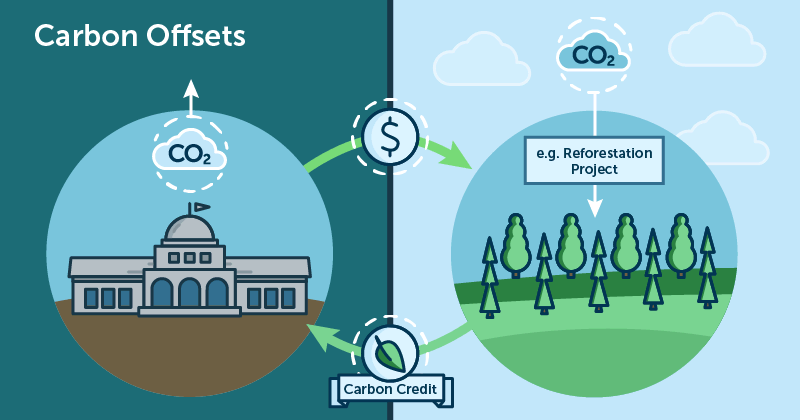
In the quest to mitigate climate change, carbon offset projects have become an essential tool for organizations and individuals looking to reduce their carbon footprint. However, with the proliferation of carbon offset projects, it has become increasingly important to evaluate their quality and effectiveness. This article provides a comprehensive guide to the Carbon Offset Project Evaluation Framework, a set of criteria used to assess the credibility and impact of carbon offset projects.
What is the Carbon Offset Project Evaluation Framework?
The Carbon Offset Project Evaluation Framework is a systematic approach to evaluating the quality and effectiveness of carbon offset projects. It is a set of criteria used to assess the credibility and impact of these projects, ensuring that they meet certain standards and requirements. The framework is designed to provide a transparent and consistent way of evaluating carbon offset projects, thereby building trust and credibility in the market.
Key Criteria for Evaluation
The Carbon Offset Project Evaluation Framework assesses carbon offset projects based on the following key criteria:
- Additionality: This criterion evaluates whether the carbon offset project would not have occurred without the financial incentives provided by the offsetting program. In other words, would the project have been implemented without the offsetting program?
- Monitoring, Reporting, and Verification (MRV): This criterion ensures that the project's emissions reductions are accurately measured, reported, and verified by independent third-party auditors.
- Permanence: This criterion evaluates the likelihood that the emissions reductions will be permanent and not reversed over time.
- Leakage: This criterion assesses the risk that the emissions reductions achieved by the project may be offset by increased emissions elsewhere.
- Registries: This criterion ensures that the project is registered with a reputable carbon offset program, such as the Verified Carbon Standard (VCS) or the Gold Standard.
- Oxford Principles: These principles provide a set of guidelines for evaluating carbon offset projects, including the requirement for additionality, MRV, permanence, and leakage.
Importance of a Robust Evaluation Framework
A robust evaluation framework is essential for building trust and credibility in the carbon offset market. It ensures that carbon offset projects meet certain standards and requirements, thereby reducing the risk of greenwashing and ensuring that the emissions reductions achieved by the project are real and verifiable.
Best Practices for Evaluating Carbon Offset Projects
When evaluating carbon offset projects, it is essential to follow best practices to ensure that the evaluation is robust and credible. These best practices include:
- Using a systematic and transparent evaluation framework.
- Evaluating the project's additionality, MRV, permanence, and leakage.
- Verifying the project's emissions reductions through independent third-party auditors.
- Ensuring that the project is registered with a reputable carbon offset program.
- Following the Oxford Principles for evaluating carbon offset projects.
Conclusion
In conclusion, the Carbon Offset Project Evaluation Framework is a comprehensive guide to evaluating the quality and effectiveness of carbon offset projects. By using this framework, organizations and individuals can ensure that their carbon offset projects meet certain standards and requirements, thereby building trust and credibility in the market. By following best practices and using a systematic and transparent evaluation framework, we can ensure that the emissions reductions achieved by carbon offset projects are real and verifiable, thereby contributing to a more sustainable future.
Recommendations
We recommend that organizations and individuals using carbon offset projects follow the Carbon Offset Project Evaluation Framework and best practices outlined in this article. This will ensure that their carbon offset projects meet certain standards and requirements, thereby building trust and credibility in the market. Additionally, we recommend that organizations and individuals use a systematic and transparent evaluation framework to evaluate their carbon offset projects, thereby ensuring that the emissions reductions achieved by these projects are real and verifiable.