The Ultimate Low-Carb Diet Plan: A Beginner's Guide to Weight Loss and Healthy Living
Introduction
Are you tired of trying fad diets that promise quick fixes but leave you feeling unsatisfied and unfulfilled? Do you struggle to lose weight and maintain a healthy lifestyle? If so, you're not alone. But what if you could find a diet plan that not only helps you lose weight but also improves your overall health and wellbeing? Welcome to the ultimate low-carb diet plan, a comprehensive guide to achieving your goals and living a healthier, happier life.
What is a Low-Carb Diet?
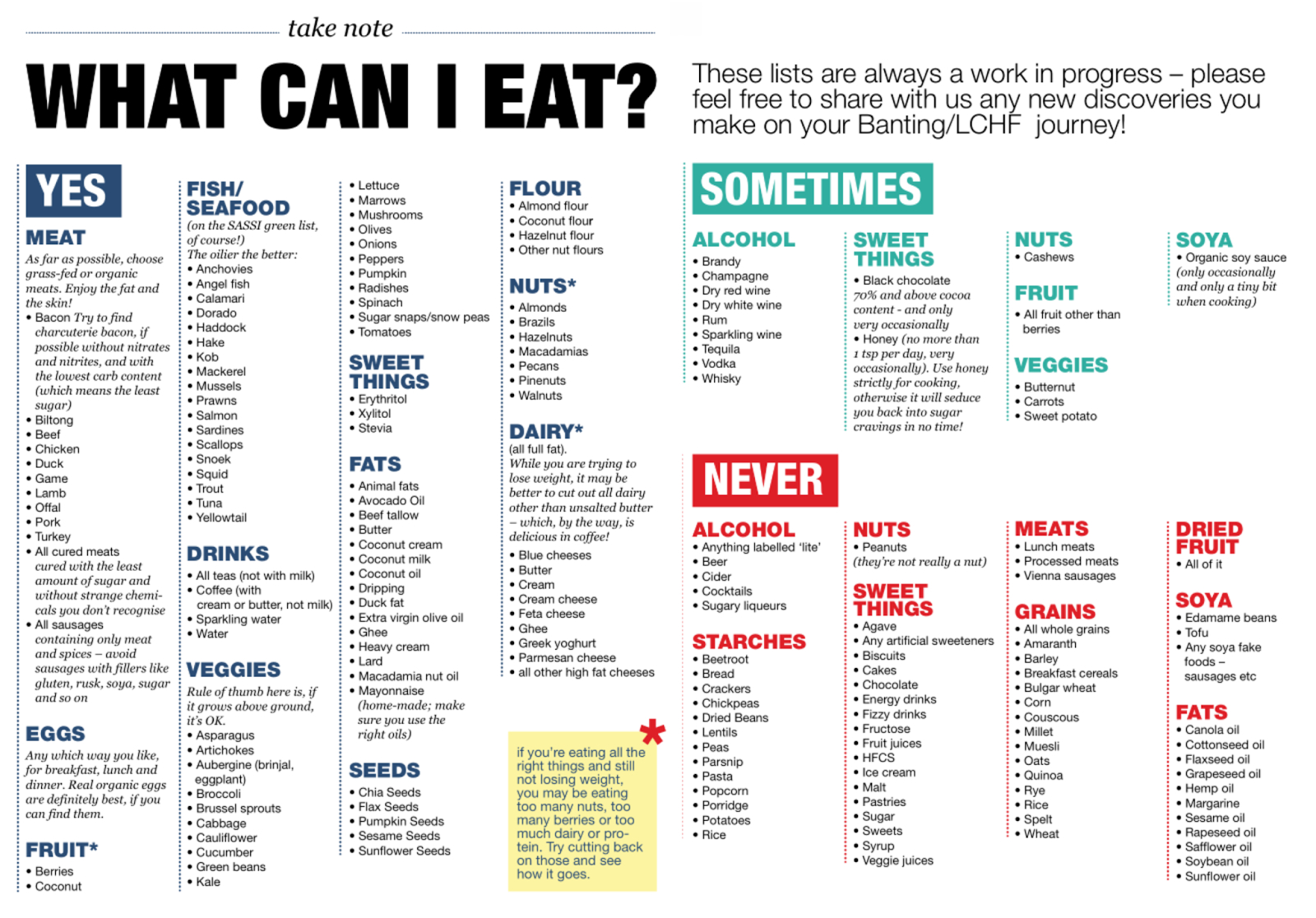
A low-carb diet is a type of eating plan that restricts the intake of carbohydrates, such as sugar, bread, pasta, and starchy vegetables. The goal of a low-carb diet is to induce a metabolic state called ketosis, in which the body burns fat for energy instead of carbohydrates. This can lead to weight loss, improved blood sugar control, and increased energy levels.
Benefits of a Low-Carb Diet
- Weight Loss: Low-carb diets have been shown to be effective for weight loss, particularly for those who are overweight or obese.
- Improved Blood Sugar Control: By restricting carbohydrate intake, low-carb diets can help to regulate blood sugar levels and improve insulin sensitivity.
- Increased Energy: When the body is in a state of ketosis, it can burn fat for energy more efficiently, leading to increased energy levels.
- Reduced Inflammation: Low-carb diets have been shown to reduce inflammation in the body, which can help to alleviate symptoms of chronic diseases such as arthritis and diabetes.
How to Follow a Low-Carb Diet
Step 1: Understand Your Macronutrient Needs
To follow a low-carb diet, you need to understand your macronutrient needs. This includes your daily intake of protein, fat, and carbohydrates. Aim to get 15-20% of your daily calories from protein, 70-80% from fat, and 5-10% from carbohydrates.
Step 2: Plan Your Meals
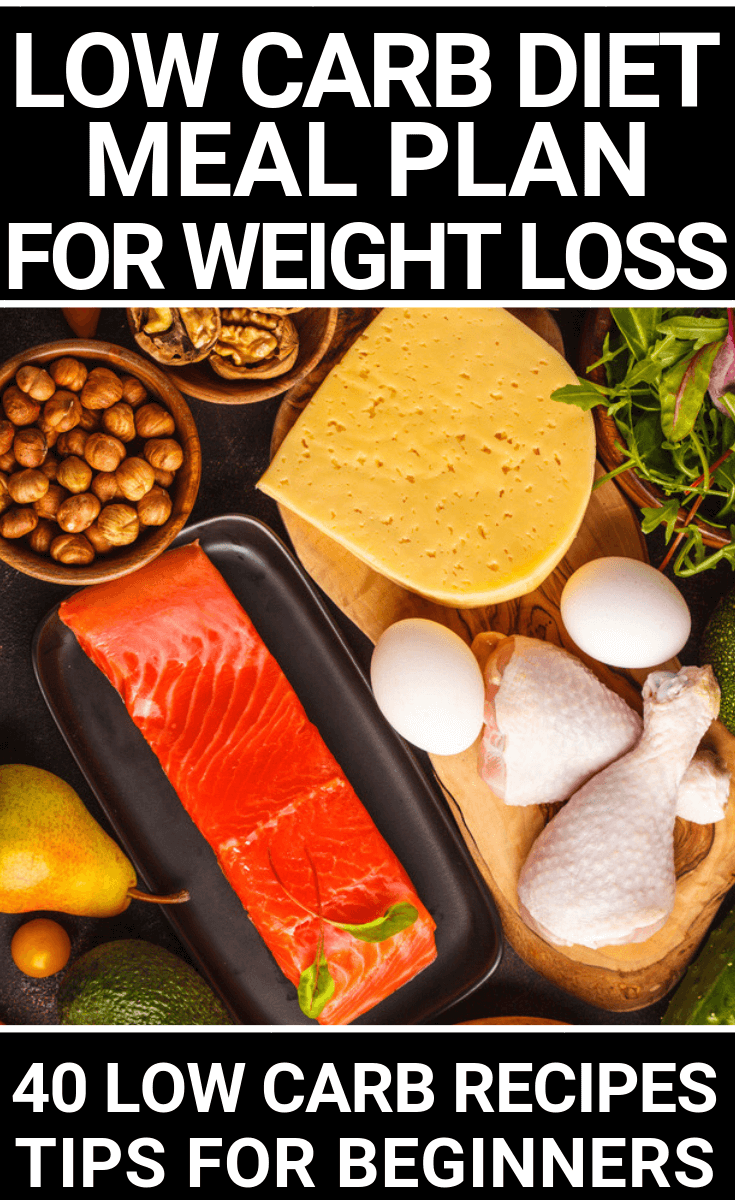
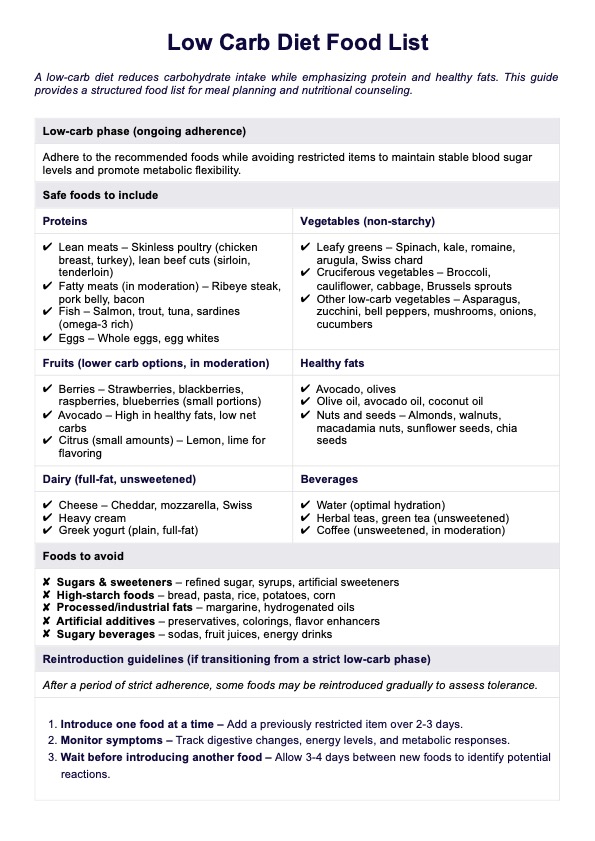
Planning your meals is crucial to following a low-carb diet. Aim to include a balance of protein, healthy fats, and low-carb vegetables in your meals. Some examples of low-carb vegetables include leafy greens, broccoli, cauliflower, and avocado.
Step 3: Stay Hydrated
Staying hydrated is essential on a low-carb diet. Aim to drink at least 8-10 glasses of water per day, and consider increasing your intake if you are physically active or live in a hot climate.

Step 4: Monitor Your Progress
Tracking your progress is essential to staying on track with a low-carb diet. Use a food diary or a mobile app to track your daily intake and monitor your weight loss progress.
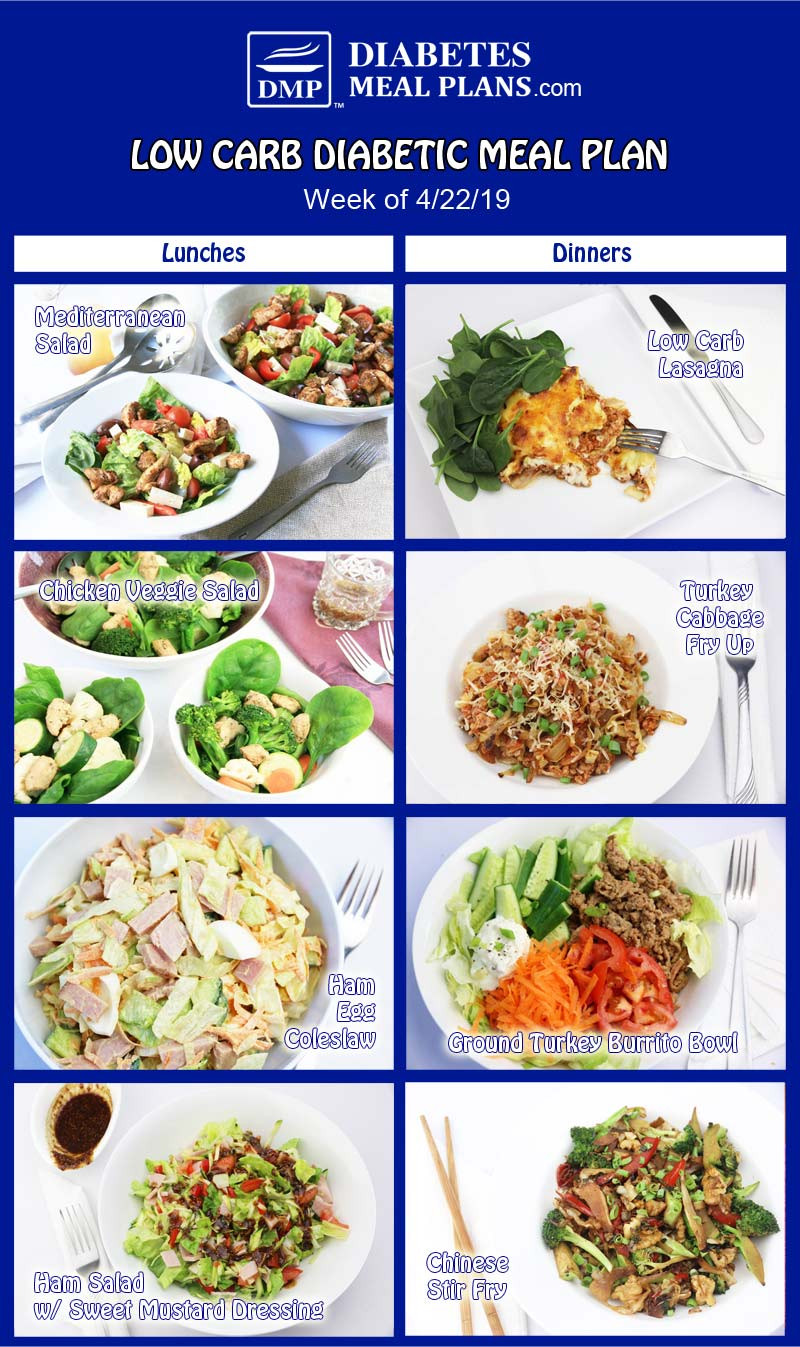
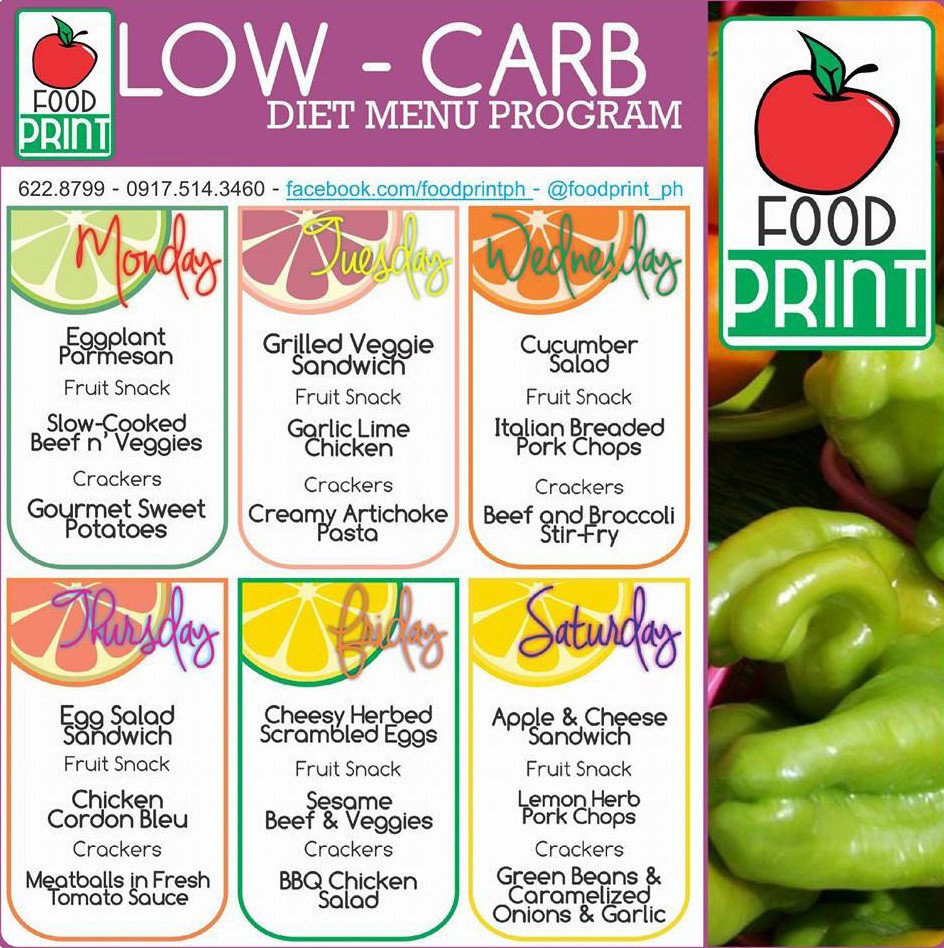
Sample Low-Carb Meal Plan
Breakfast
- Scrambled eggs with spinach and avocado
- Avocado toast with poached eggs and cherry tomatoes
- Greek yogurt with berries and chopped nuts
Lunch
- Grilled chicken salad with mixed greens, cherry tomatoes, and a vinaigrette dressing
- Turkey lettuce wraps with avocado and tomato
- Cauliflower rice bowl with grilled salmon and steamed vegetables
Dinner
- Grilled steak with roasted vegetables and a side salad
- Pan-seared salmon with a side of zucchini noodles and cherry tomatoes
- Baked chicken with roasted broccoli and cauliflower
Conclusion
The ultimate low-carb diet plan is a comprehensive guide to achieving your weight loss and health goals. By following the tips and guidelines outlined in this article, you can create a customized meal plan that meets your needs and helps you achieve optimal health.
Additional Resources
- 10-Day Low-Carb Meal Plan
- 7-Day Low-Carb Sample Menu
- Low-Carb Snack Ideas
- Understanding Macronutrient Needs




![Keto Diet: A Comprehensive Beginner's Guide [Tips, Recipes, FAQ]](https://i.pinimg.com/originals/be/71/e3/be71e337f8c7021d178546c3c2860976.jpg "Keto Diet: A Comprehensive Beginner's Guide [Tips, Recipes, FAQ]")