Staying Calm with Anxiety Relief: Strategies and Techniques
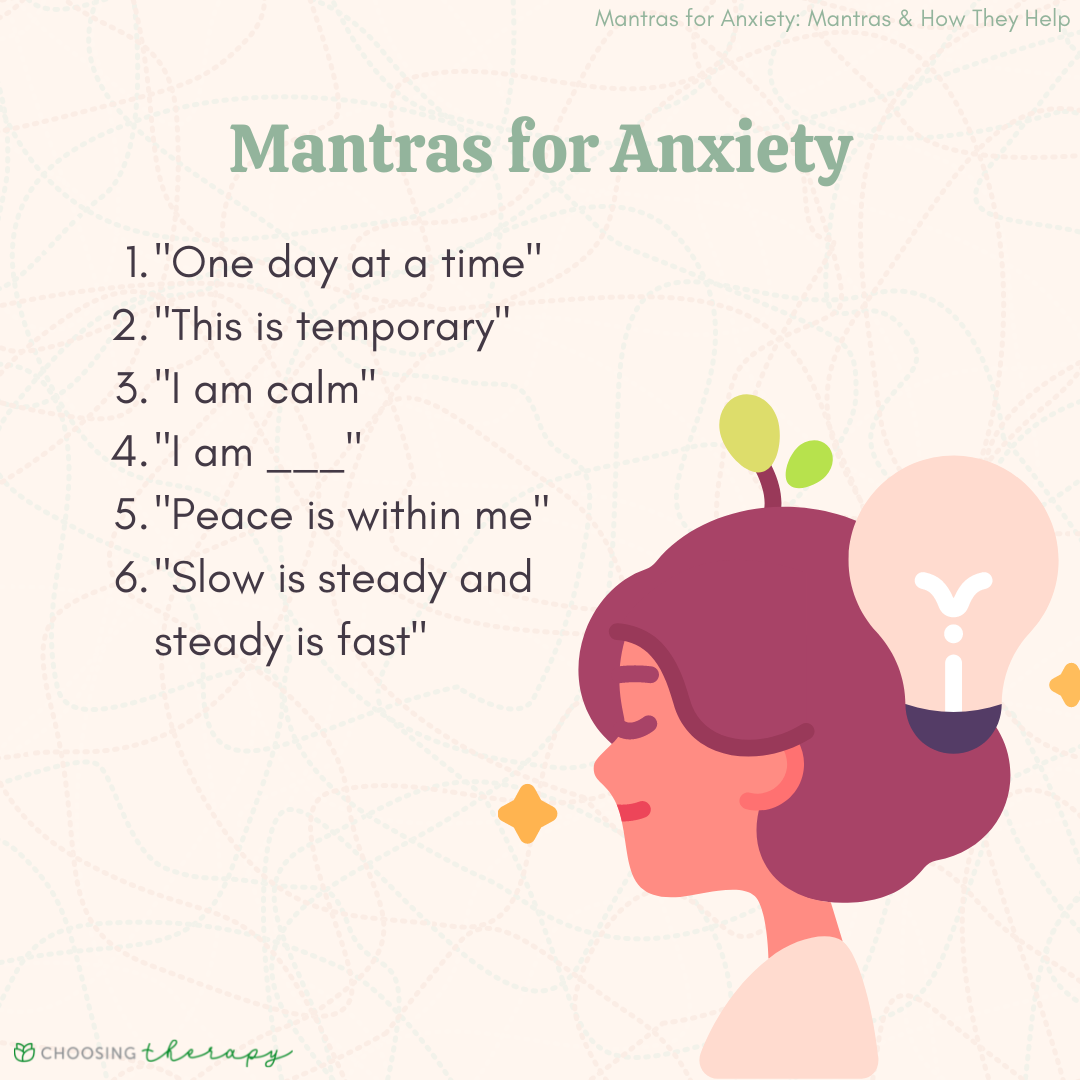
Feeling crushed by an avalanche of worries? Anxiety happens to the best of us, but there are ways to cope. Learn how to soothe your anxiety, reset your mind, and calm down your nervous system. In this article, we'll explore the most effective strategies and techniques for staying calm with anxiety relief.
Understanding Anxiety
Anxiety is a normal response your body has to a perceived threat. But if it becomes constant or too intense, you may need some help to calm down. Coping skills are tools to help you manage tough emotions in the moment. If your anxiety feels overwhelming and you're struggling to manage it, reach out to a mental health professional for extra support.
Strategies for Anxiety Relief
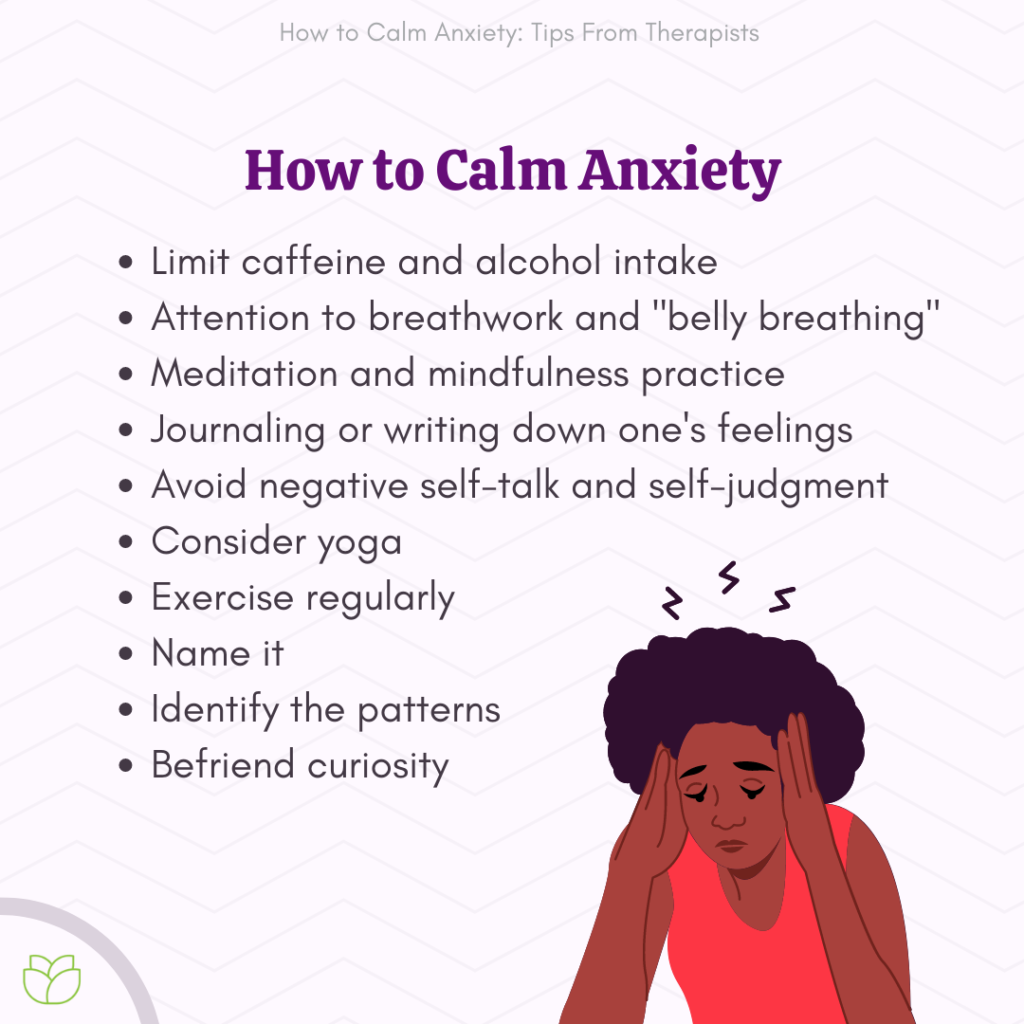
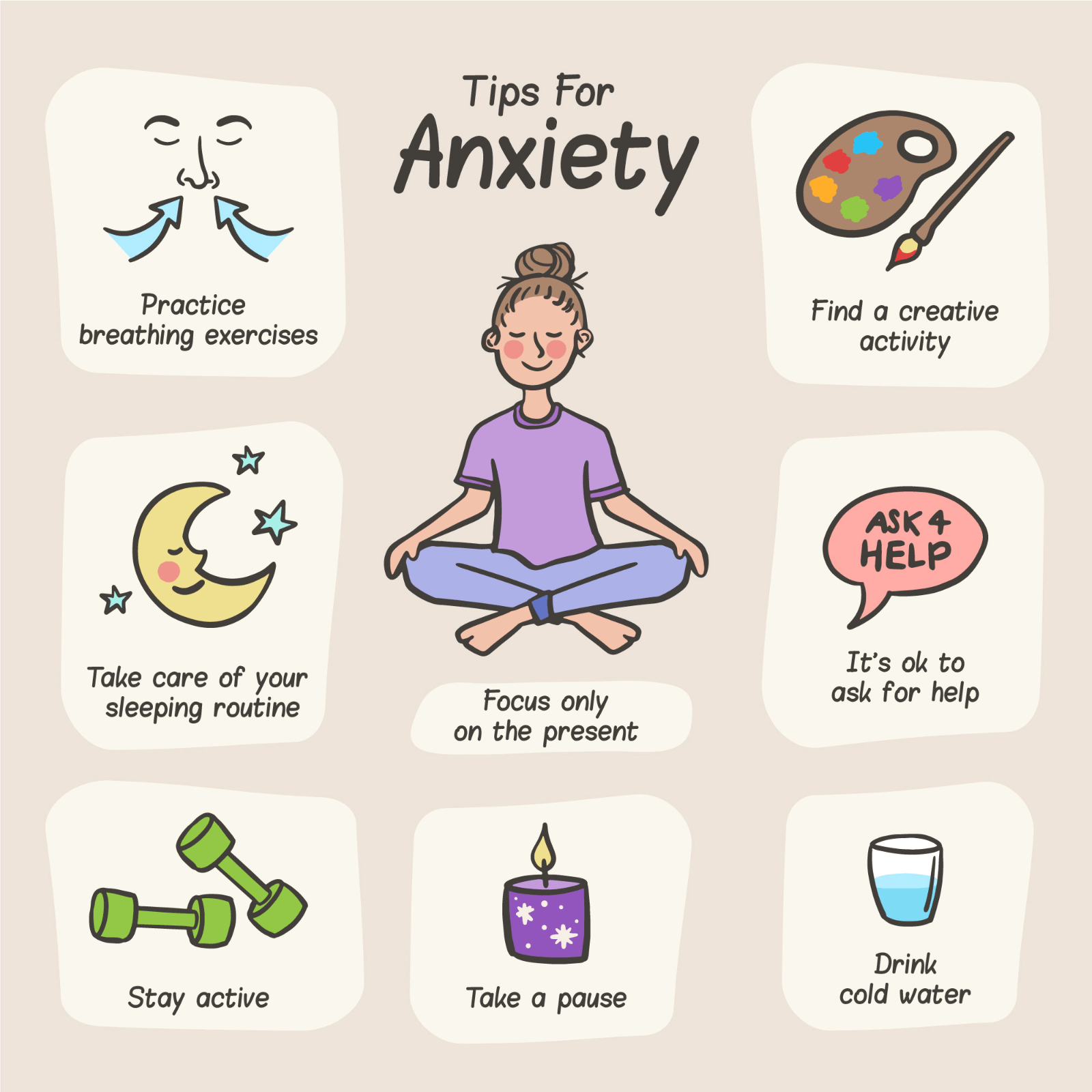
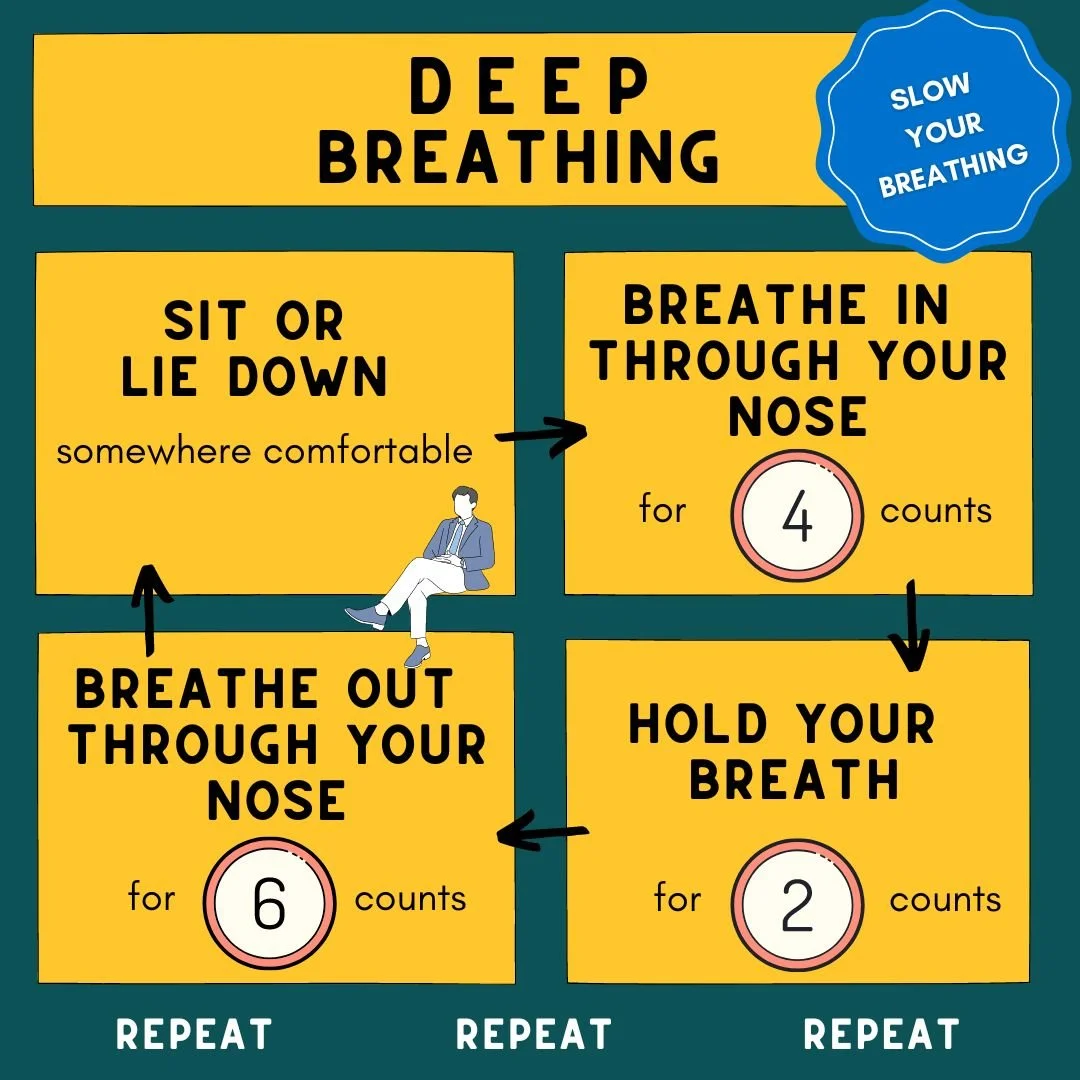
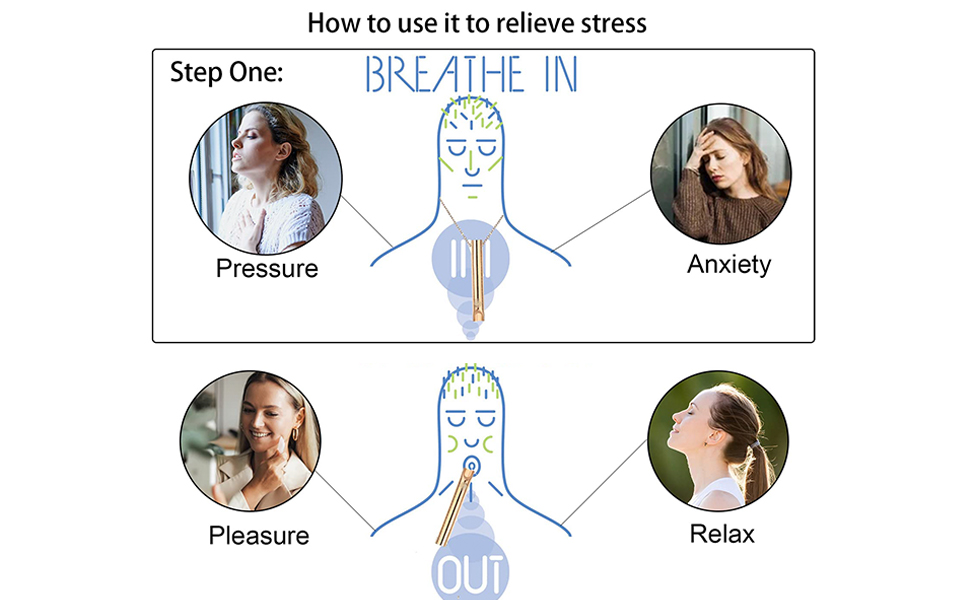
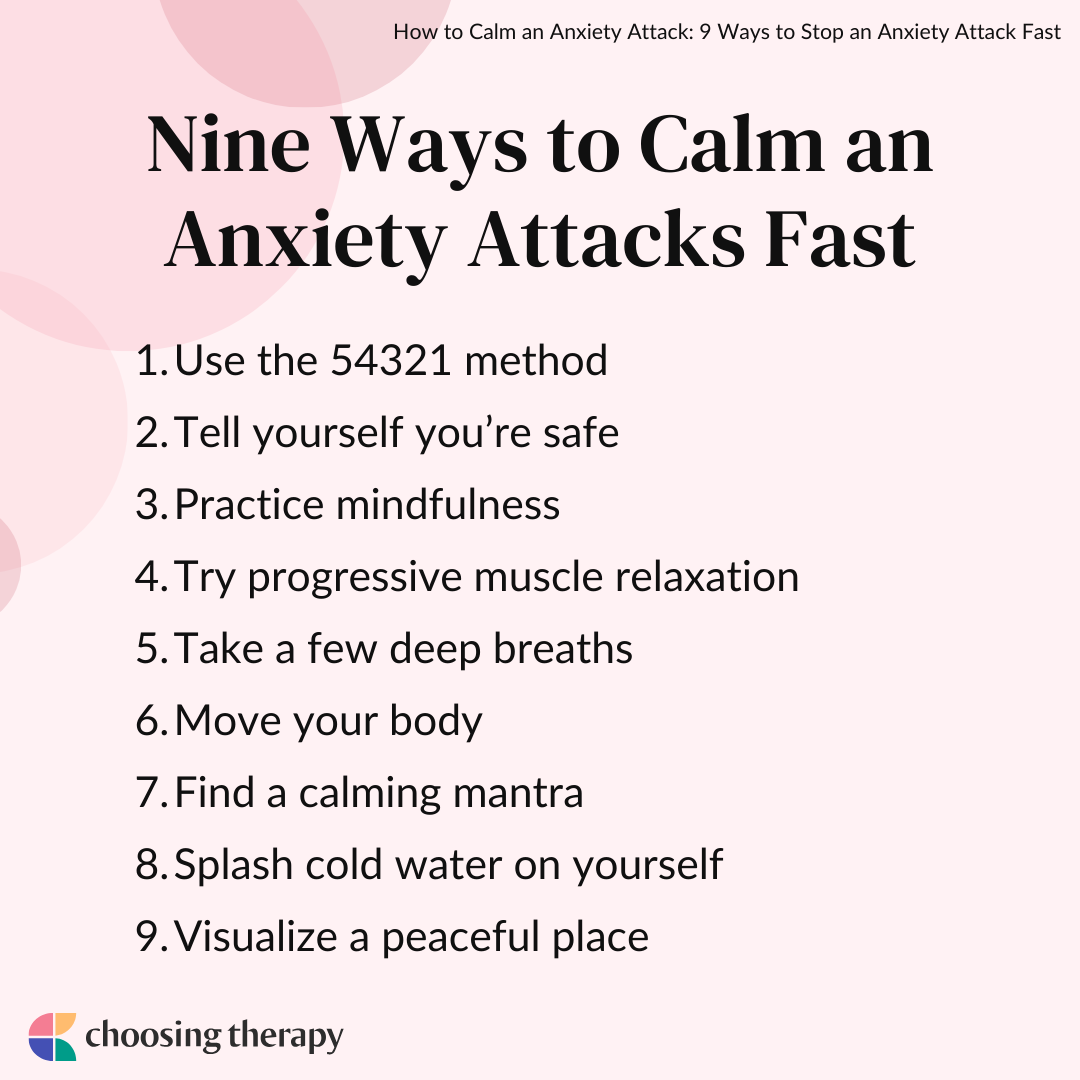
- Deep Breathing:** Practicing deep breathing techniques can help calm the mind and body. Focus on slow, deliberate breaths, and try to release any tension or stress with each exhale.
- Grounding Techniques:** Grounding techniques can help you focus on the present moment and distract you from anxious thoughts. Try activities like walking, yoga, or creative pursuits to help you stay grounded.
- Physical Exercise:** Regular physical exercise can help reduce anxiety symptoms by releasing endorphins and improving mood. Find an activity you enjoy, and make it a regular part of your routine.
- Mindfulness Meditation:** Mindfulness meditation involves focusing on the present moment and letting go of worries about the past or future. Try a guided meditation app or YouTube video to get started.
- Progressive Muscle Relaxation:** This technique involves tensing and relaxing different muscle groups to release physical tension. Try this technique to release any knots or tension in your body.
Effective Breathing Techniques
Learning effective breathing techniques can help you calm down quickly. Here are a few techniques to try:
- Diaphragmatic Breathing:** Also known as belly breathing, diaphragmatic breathing involves contracting your diaphragm to fill your lungs fully. Lie on your back, place one hand on your stomach and the other on your chest, and breathe in slowly through your nose.
- 4-7-8 Breathing:** Also known as the "relaxation breath," 4-7-8 breathing involves breathing in through your nose for a count of four, holding your breath for a count of seven, and exhaling through your mouth for a count of eight.
- Alternate Nostril Breathing:** This technique involves closing one nostril with your finger and breathing in through the other, then switching to exhale through the first nostril. Try this technique to help balance your breath.
Preparing for Sleep
Getting enough sleep is essential for managing anxiety. Create a bedtime routine that includes activities like reading, meditation, or deep breathing to help calm your mind and body. Make sure your bedroom is dark, quiet, and cool, and try to avoid screens for at least an hour before bed.
Staying Calm with Anxiety Relief: Additional Tips
Staying calm with anxiety relief requires a holistic approach that includes strategies, techniques, and lifestyle changes. Here are some additional tips to help you stay calm:
- Practice Self-Compassion:** Be kind to yourself, and acknowledge that anxiety is a common experience. Treat yourself with the same kindness and care that you would offer to a friend.
- Contact a Mental Health Professional:** If your anxiety is impacting your daily life, consider contacting a mental health professional for additional support.
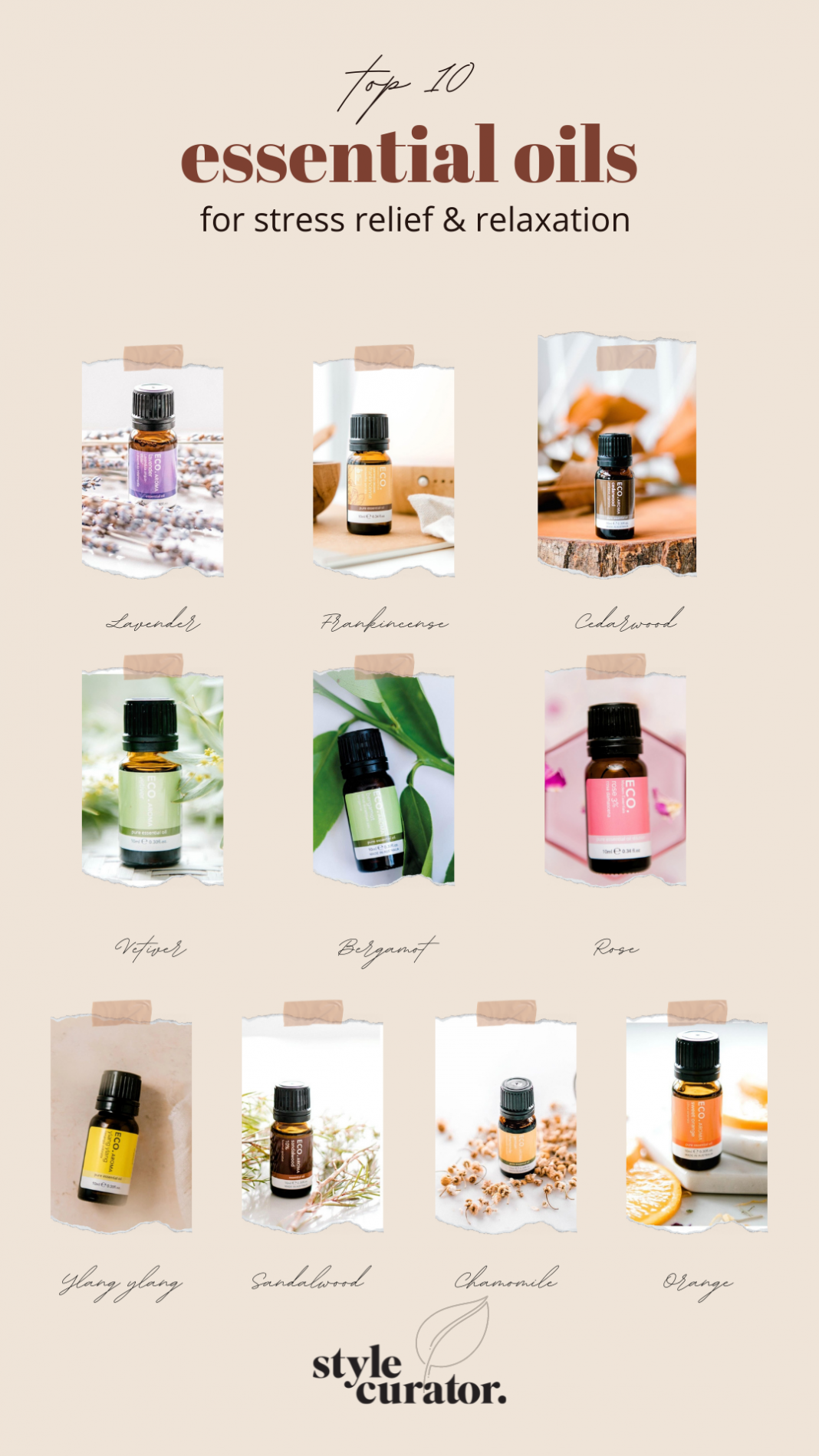
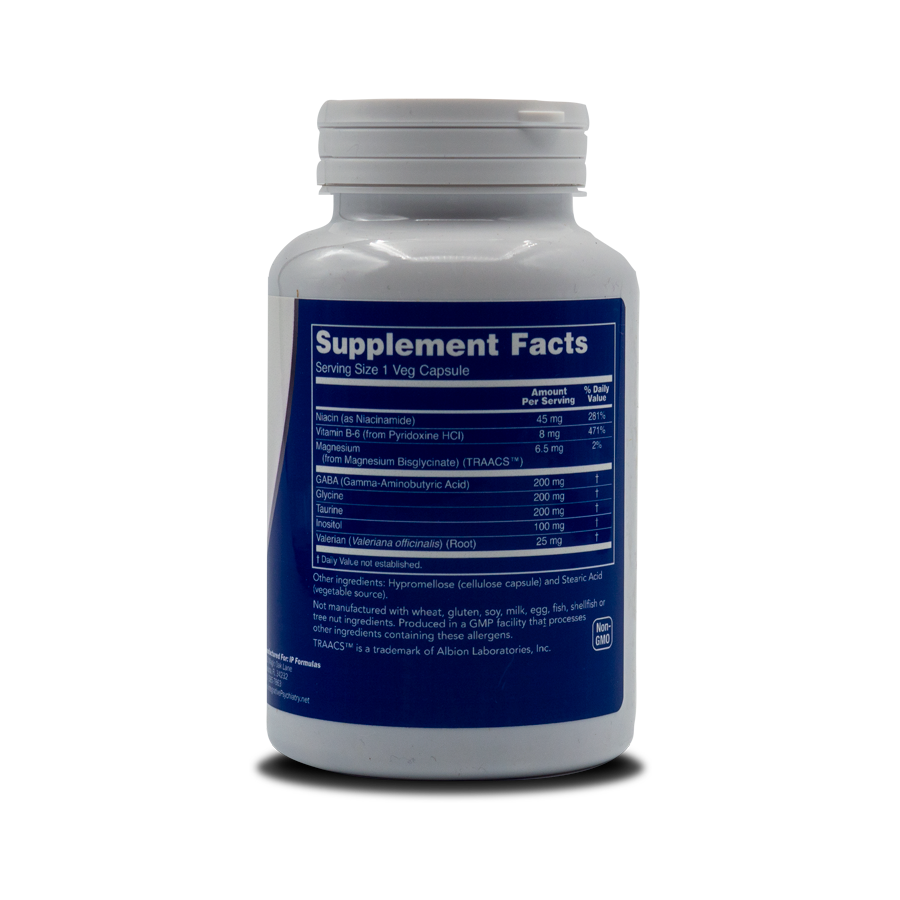
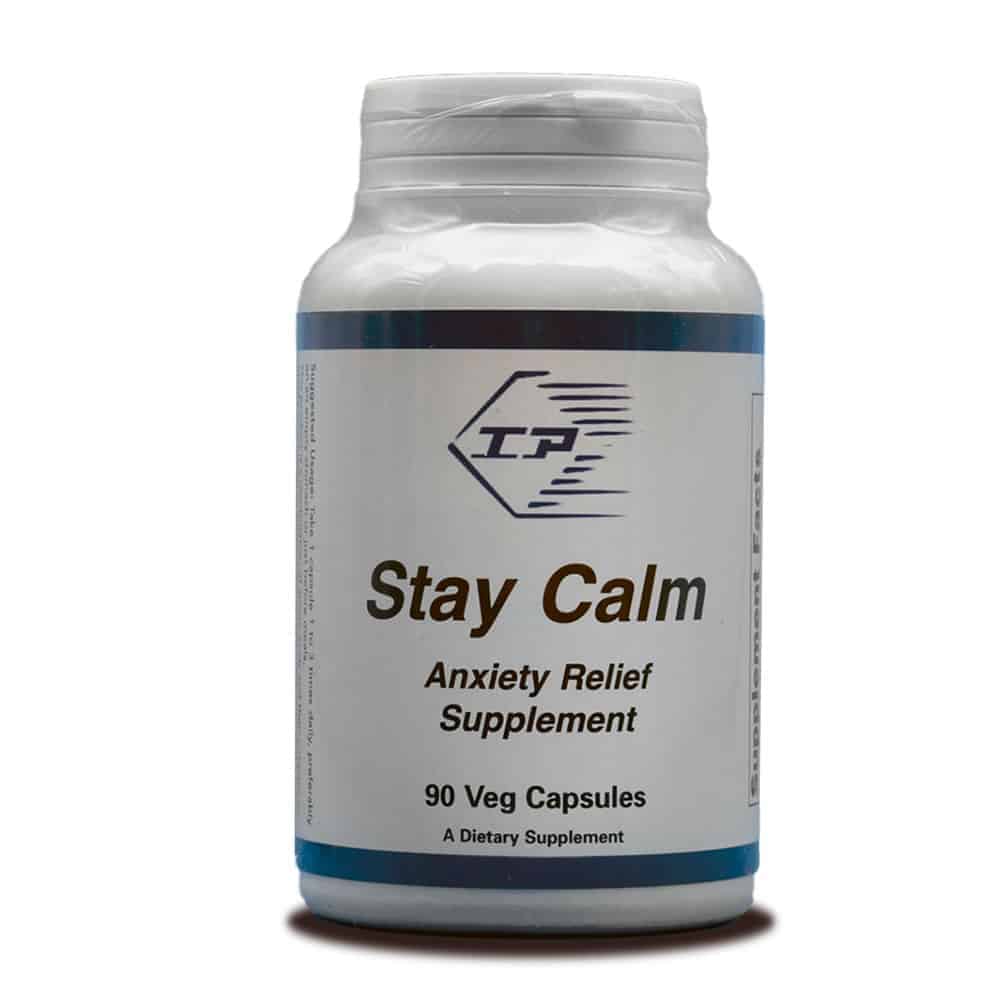
- Try Relaxing Herbals:** Some herbs, like chamomile and lavender, can promote relaxation and reduce anxiety symptoms.
- Engage in Creative Pursuits:** Creative activities like art, music, or writing can help distract you from anxious thoughts and promote relaxation.
- Take Breaks:** Make time for breaks throughout the day, and engage in activities that bring you joy and relaxation.
Staying Calm with Anxiety Relief: Conclusion
Staying calm with anxiety relief requires a commitment to self-care, coping skills, and lifestyle changes. By incorporating strategies like deep breathing, grounding techniques, and physical exercise into your daily routine, you can reduce anxiety symptoms and improve your overall well-being. Remember to be kind to yourself, contact a mental health professional if needed, and try relaxing herbals or creative pursuits to help you stay calm.