RD Tips for a Low-Carb Diet: A Comprehensive Guide to Success
Are you considering a low-carb diet to achieve weight loss, improve your overall health, or manage blood sugar levels? With so many different types of low-carb diets available, it can be overwhelming to navigate the best approach for your needs. In this article, we will provide you with expert tips and guidance from registered dietitians (RDs) to help you successfully implement a low-carb diet and achieve your health goals.
Understanding the Basics of a Low-Carb Diet
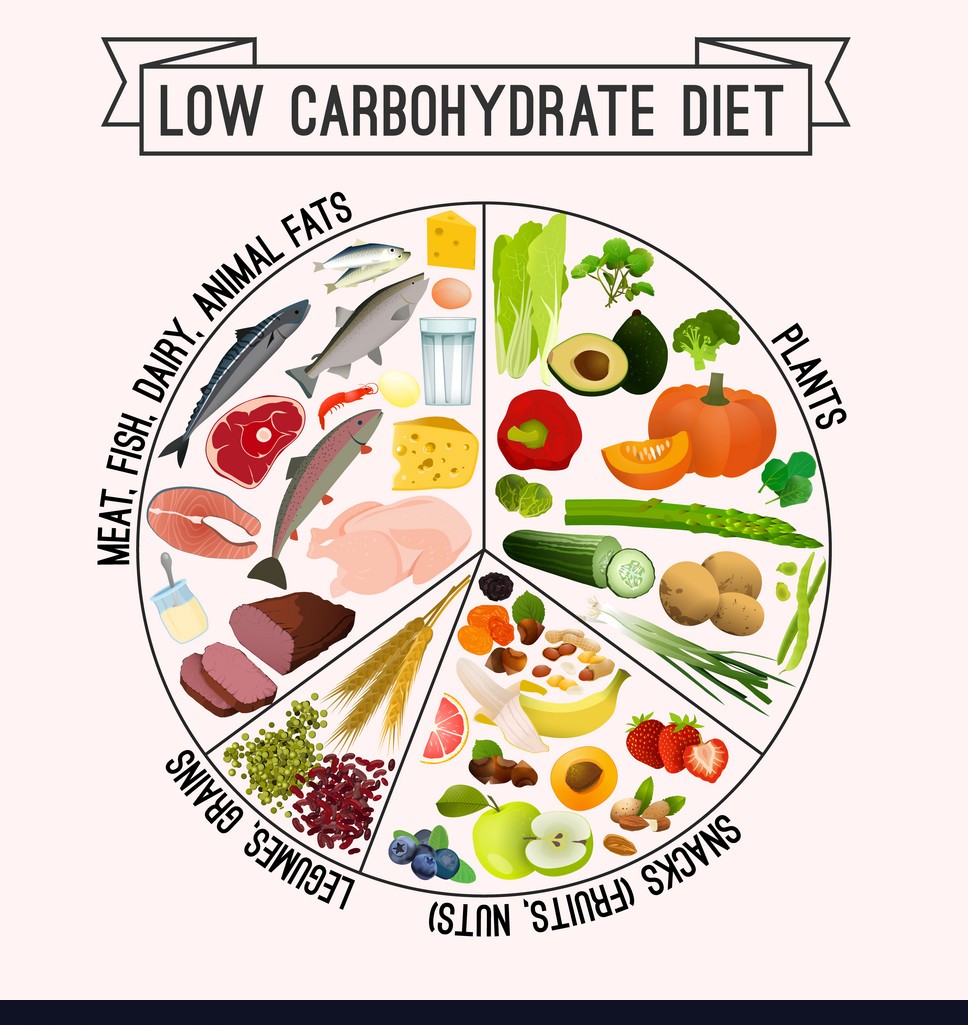
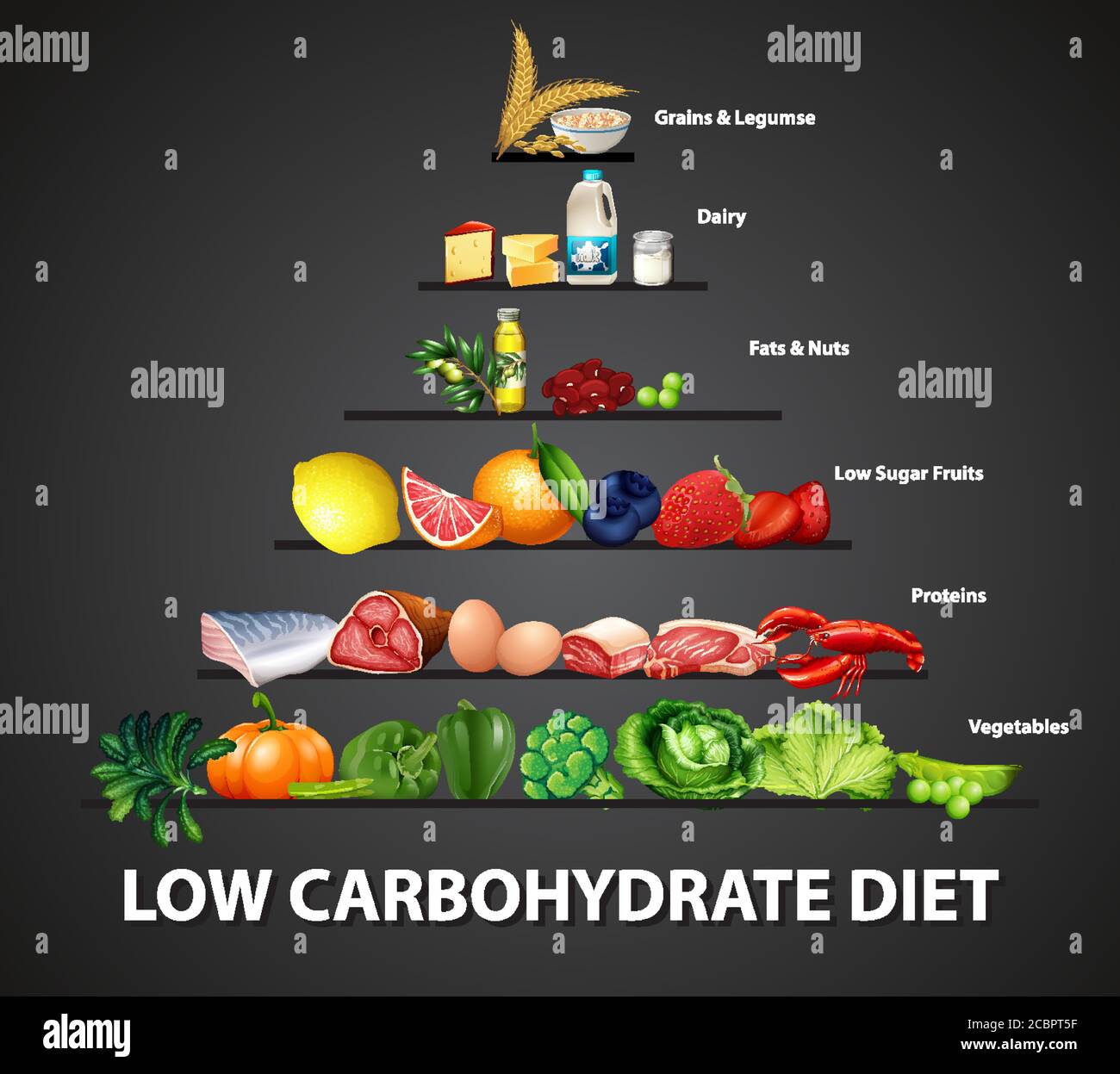
A low-carb diet is a way of eating that restricts the intake of carbohydrates, primarily found in sugary foods, pasta, and bread. Instead, you focus on protein-rich whole foods and vegetables. Studies have shown that low-carb diets can result in weight loss and improved health markers, making them a popular choice for those looking to improve their health.
Types of Low-Carb Diets
- Generally, any diet that limits carbohydrate intake to 130g or less per day is considered a low-carb diet.
- Popular low-carb diets include the ketogenic diet (keto), Atkins, paleo, Whole30, and others.
- Each diet varies in the type and amount of carbohydrates allowed, making it essential to choose a diet that aligns with your individual needs and goals.
Benefits of a Low-Carb Diet
Low-carb diets offer numerous benefits, including:

- Weight loss
- Improved blood sugar control
- Increased energy levels
- Improved heart health
- Reduced inflammation
RD Tips for Success on a Low-Carb Diet
Here are some expert tips from registered dietitians to help you succeed on a low-carb diet:
- Stay hydrated: Drink plenty of water throughout the day to help your body function properly and reduce the risk of dehydration.
- Listen to your body: Pay attention to hunger and fullness cues, and stop eating when you feel satisfied, rather than stuffed.
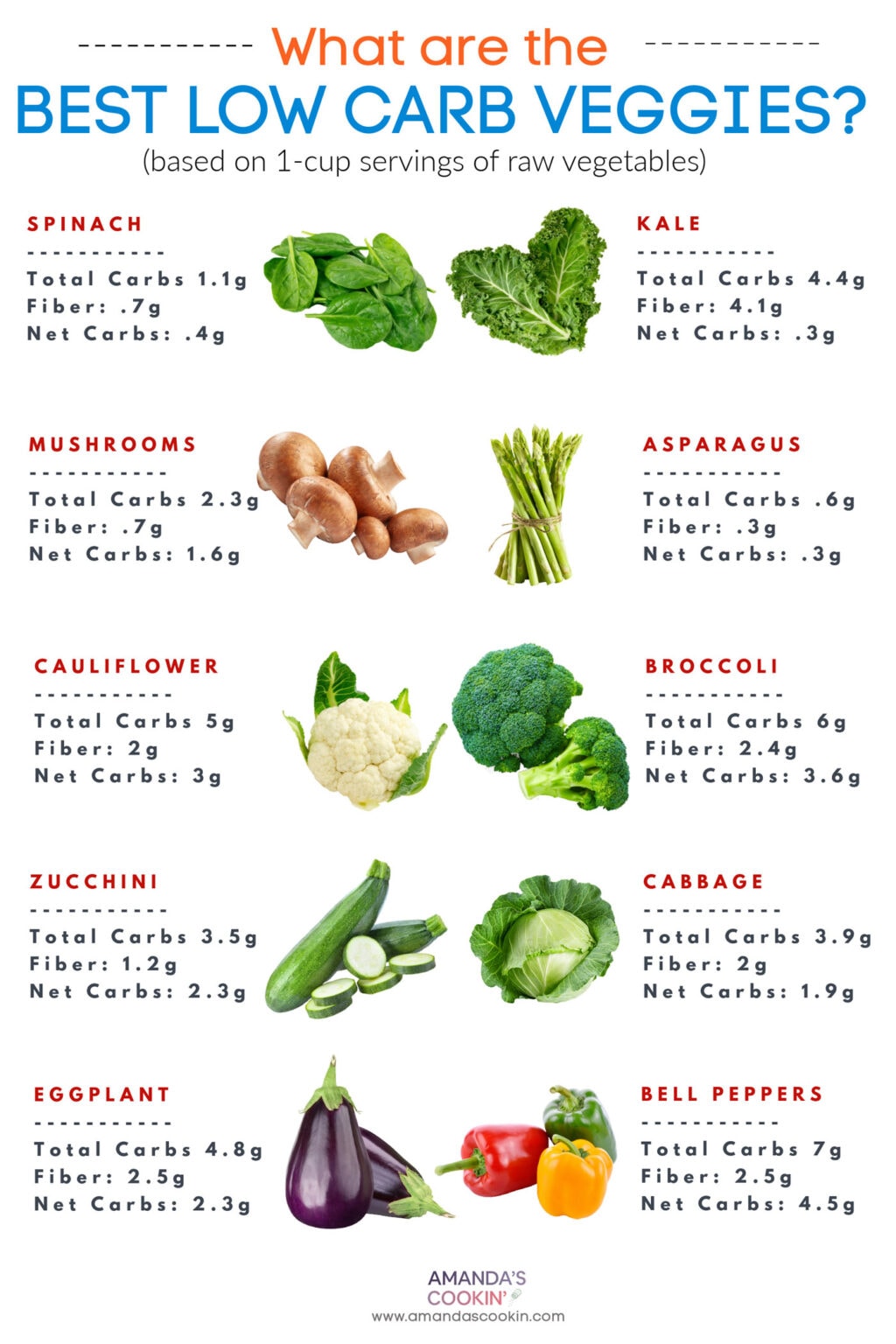
- Focus on whole foods: Include a variety of protein-rich foods, non-starchy vegetables, and healthy fats in your diet to ensure you're getting the necessary nutrients.
- Monitor your macros: Keep track of your carbohydrate, protein, and fat intake to ensure you're meeting your dietary needs.
- Get enough sleep: Aim for 7-9 hours of sleep per night to help your body recover from the day and support weight regulation.
- Be mindful of portion sizes: Use a food scale or measuring cups to measure your food portions and avoid overeating.
- Get support: Work with a registered dietitian or a healthcare provider to develop a personalized meal plan and receive ongoing support.
- Be patient: It may take time for your body to adjust to the new diet, so be patient and don't get discouraged by setbacks.
- Stay active: Incorporate regular physical activity into your routine to support weight loss and overall health.
- Be mindful of nutrients: Ensure you're getting enough essential vitamins and minerals on a low-carb diet by incorporating nutrient-dense foods.
- Use a food tracker: Keep track of your food intake using a food diary or an app to help you stay on track and identify patterns.
- Seek support from others: Connect with others who are following a low-carb diet for motivation and support.
- Stay informed: Continuously educate yourself on the latest research and recommendations for low-carb diets.
Conclusion
Implementing a low-carb diet can be a challenging but rewarding experience. By following the expert tips outlined above and working with a registered dietitian, you can successfully navigate the challenges of a low-carb diet and achieve your health goals. Remember, it's essential to choose a diet that aligns with your individual needs and goals and to seek ongoing support from a healthcare provider.