Boost Your Metabolism: Increasing GLP-1 Levels Naturally
When it comes to managing weight and blood sugar levels, many people turn to medications like Ozempic. However, what if you could achieve the same benefits without relying on medication? GLP-1, or glucagon-like peptide-1, is a hormone naturally produced in the gut that regulates appetite and blood sugar levels. In this article, we'll explore the importance of GLP-1 and provide tips on how to increase GLP-1 levels naturally.
What is GLP-1?
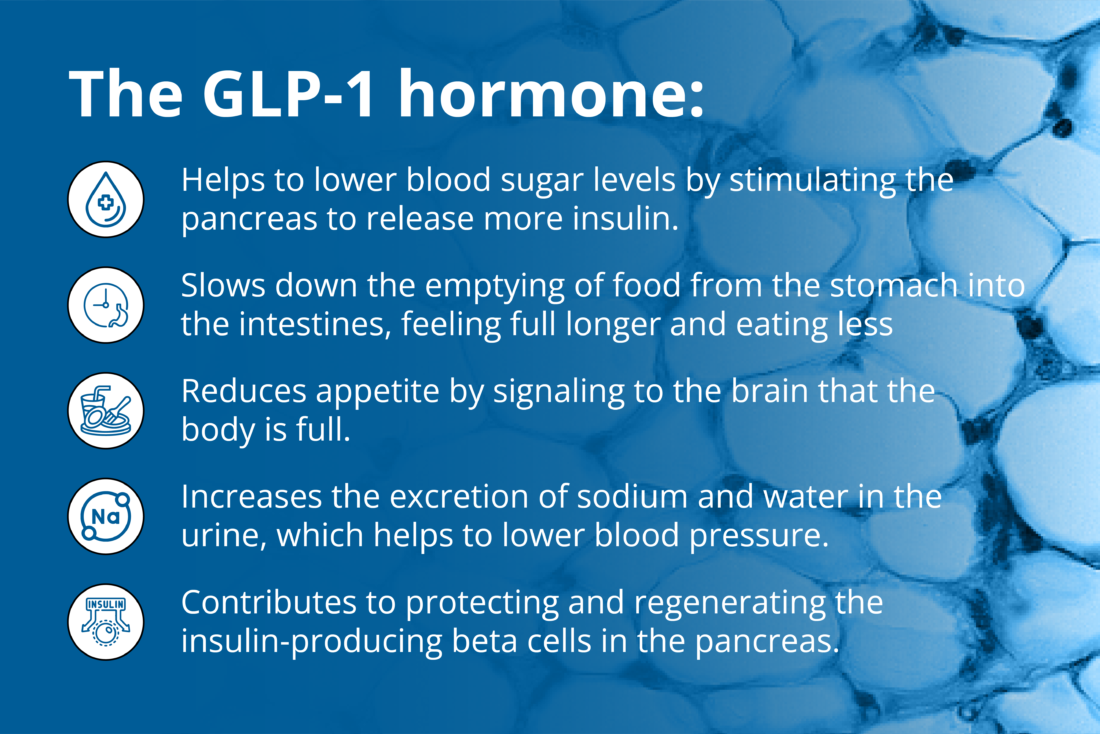
GLP-1 is a hormone released in the gut after eating, which helps regulate blood sugar levels by stimulating insulin release, reducing glucagon levels, slowing stomach emptying, and signaling fullness to the brain. When GLP-1 levels are high, it can help reduce hunger and increase feelings of fullness, making it an essential hormone for weight management and blood sugar control.
Why is Increasing GLP-1 Levels Naturally Important?
While medications like Ozempic can mimic the effects of GLP-1, increasing GLP-1 levels naturally can have numerous benefits. For one, it reduces the risk of side effects associated with medication. Additionally, natural methods can be more effective in the long term, as they promote sustainable lifestyle changes rather than simply suppressing symptoms.
7 Natural Ways to Increase GLP-1 Levels
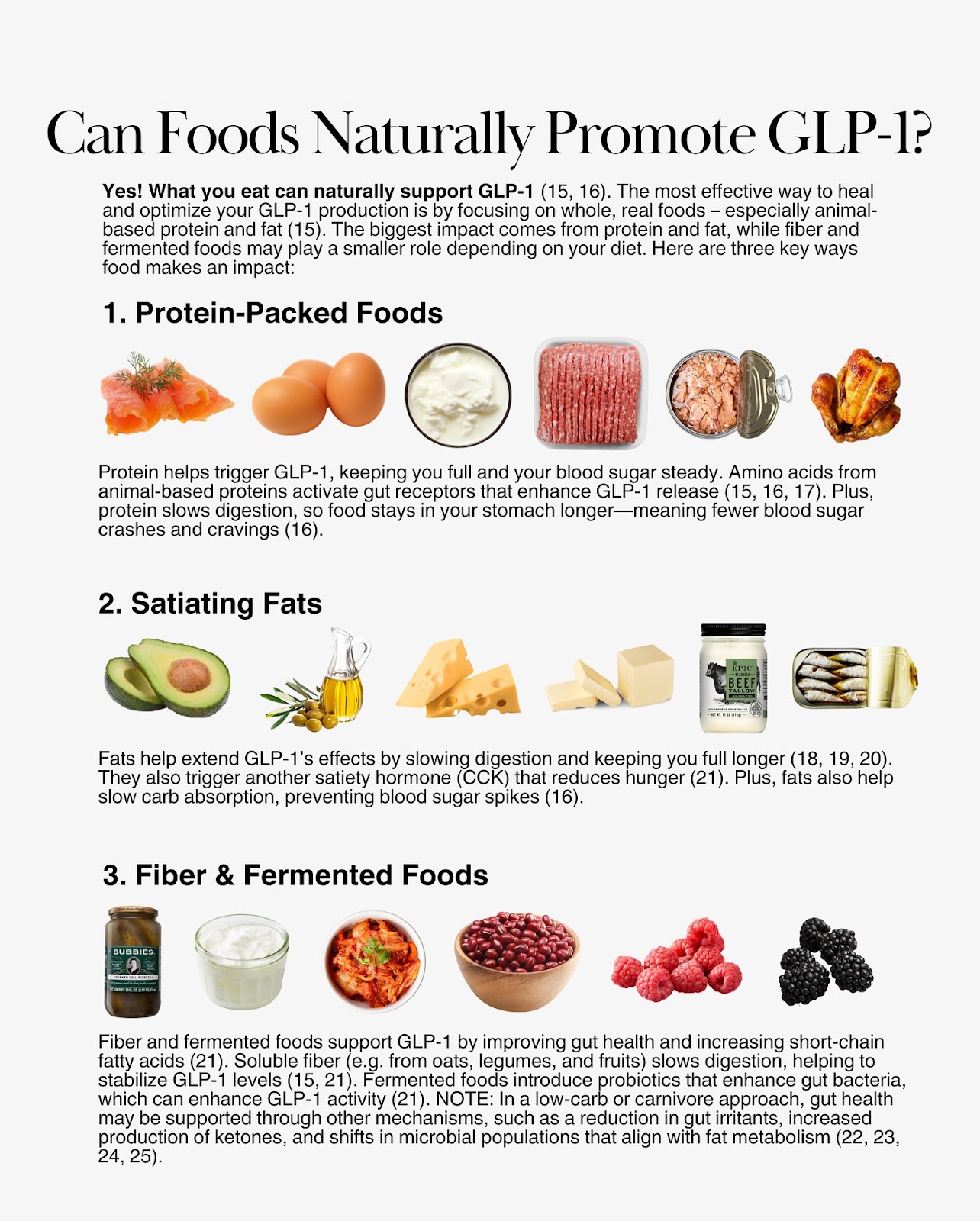
- Eat High-Fiber Foods: Foods rich in fiber, such as fruits, vegetables, and whole grains, stimulate GLP-1 production by slowing down digestion and keeping you feeling fuller for longer.
- Consume Adequate Protein: Protein-rich foods, including lean meats, fish, and legumes, can increase GLP-1 levels by stimulating gut cells to release the hormone.
- Healthy Fats: Adding healthy fats like avocado, nuts, and olive oil to your meals can also boost GLP-1 production by slowing down digestion and keeping you feeling fuller.
- Exercise Regularly: Exercise can improve insulin sensitivity, which can lead to increased GLP-1 levels. Aim for at least 30 minutes of moderate-intensity exercise per day.
- Maintain a Healthy Gut Microbiome: A diverse and balanced gut microbiome is essential for GLP-1 production. Include fermented foods like yogurt, kefir, and kimchi in your diet to promote a healthy gut.
- Align Meals with Circadian Rhythm: Eating meals at the right time can stimulate GLP-1 production. Eating breakfast, lunch, and dinner in sync with your body's natural rhythms can help increase GLP-1 levels.
- Get Enough Sleep: Poor sleep quality and duration can disrupt GLP-1 production. Aim for 7-9 hours of sleep per night to support natural GLP-1 production.
Natural Supplements to Boost GLP-1 Production

Several supplements can help increase GLP-1 levels naturally. Some of these include:
- Green Tea Extract: Green tea contains catechins, which can stimulate GLP-1 production.
- Conjugated Linoleic Acid (CLA): CLA is a fatty acid that can increase GLP-1 levels by promoting fat loss and improving insulin sensitivity.
- Omega-3 Fatty Acids: Omega-3 fatty acids, particularly EPA and DHA, can improve insulin sensitivity and increase GLP-1 production.
Conclusion
Increasing GLP-1 levels naturally can have a significant impact on weight management and blood sugar control. By incorporating these 7 natural ways to boost GLP-1 production into your lifestyle, you can support your body's natural hormone production without relying on medication. Remember to also consult with a healthcare professional before starting any new supplements or making significant changes to your diet.
References
[1] Holst, J. J. (2004). The physiology of glucagon-like peptide 1. Physiological Reviews, 84(4), 1505-1511.
[2] Drucker, D. J. (2016). Glucagon-like peptide-1 (GLP-1) receptor agonists: A review of the evidence. Endocrine Reviews, 37(2), 147-170.
[3] Kim, J., & Verghese, P. V. (2016). Critical review of the role of glucagon-like peptide-1 (GLP-1) on body weight and glucose homeostasis. International Journal of Obesity, 40(9), 1335-1345.