How to Export from USA: A Comprehensive Guide
Exporting from the United States can be a complex process, but with the right guidance, you can successfully navigate the regulations and requirements to expand your business into new markets. In this article, we will cover the essential steps on how to export from USA, including understanding trade regulations, obtaining necessary licenses and permits, and preparing for customs procedures.
Understanding Trade Regulations and Compliance Requirements
One of the most critical aspects of exporting products from the US is navigating trade regulations and compliance requirements. Understanding and complying with the legal frameworks of both the US and the target countries is crucial to ensure smooth and legal export operations. The US Department of Commerce's Bureau of Industry and Security (BIS) provides training and resources on export control policies, regulations, and procedures through their Export Administration Regulations (EAR) and the Foreign Trade Regulations (FTR).
Navigating Export Control Policies and Regulations
The BIS is responsible for enforcing export control regulations, which govern the export of certain commodities, technologies, and services. The EAR outlines the requirements for exporting and reexporting items, including licensing requirements and the need for a License Exception. It is essential to understand the EAR and FTR to ensure compliance with export regulations.
Obtaining Necessary Licenses and Permits
Depending on the type of product being exported and the destination country, you may need to obtain licenses or permits from the US Department of Commerce or other government agencies. For example, the Export Administration Regulations (EAR) require a license for the export of certain items, such as defense articles and technology. The BIS provides a list of license requirements and a guide to help exporters determine if a license is needed.
Licensing Requirements and Procedures
Exporters must determine if a license is required for their product and submit an application to the BIS. The application must include detailed information about the product, the exporter, and the destination country. The BIS reviews the application and may request additional information or clarification before issuing a license.
Preparing for Customs Procedures
Exporters must also comply with customs regulations and procedures, including obtaining the necessary export documents, such as a commercial invoice, bill of lading, and certificate of origin. The US Customs and Border Protection (CBP) requires exporters to accurately complete customs forms and provide accurate information about the shipment.
Export Documents Required
The following export documents are typically required for customs procedures:
- Commercial Invoice: A detailed invoice of the goods being exported, including the value, quantity, and description of the products.
- Bill of Lading: A document that serves as a contract of carriage for the goods being exported.
- Certificate of Origin: A document that certifies the country of origin of the goods being exported.
- Export Declaration: A document that provides detailed information about the shipment, including the type and quantity of goods being exported.
Benefits of Exporting from USA
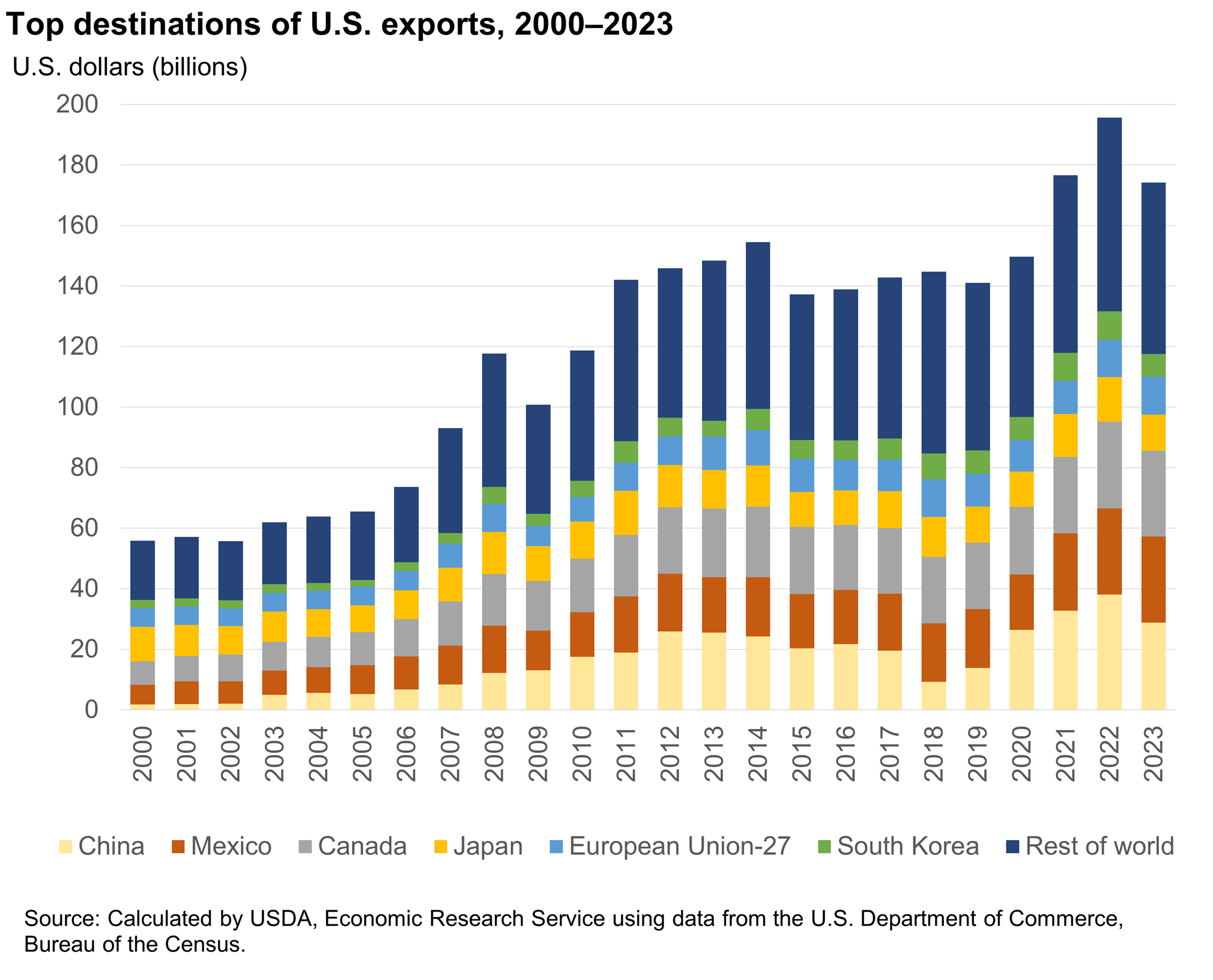
Exporting from the US offers numerous benefits, including access to new markets, increased revenue, and improved competitiveness. The US is a leading exporter of goods and services, with over 2 trillion dollars of exports in 2020. By exporting from the US, businesses can tap into these global markets and expand their customer base.
Conclusion
Exporting from the US can be a complex process, but with the right guidance, businesses can successfully navigate the regulations and requirements to expand their market reach. By understanding trade regulations, obtaining necessary licenses and permits, and preparing for customs procedures, exporters can ensure smooth and legal export operations. Whether you are a small business owner or a seasoned exporter, it is essential to stay up-to-date with the latest regulations and requirements to remain competitive in the global market.