Are GLP-1 Weight Loss Injections Safe?
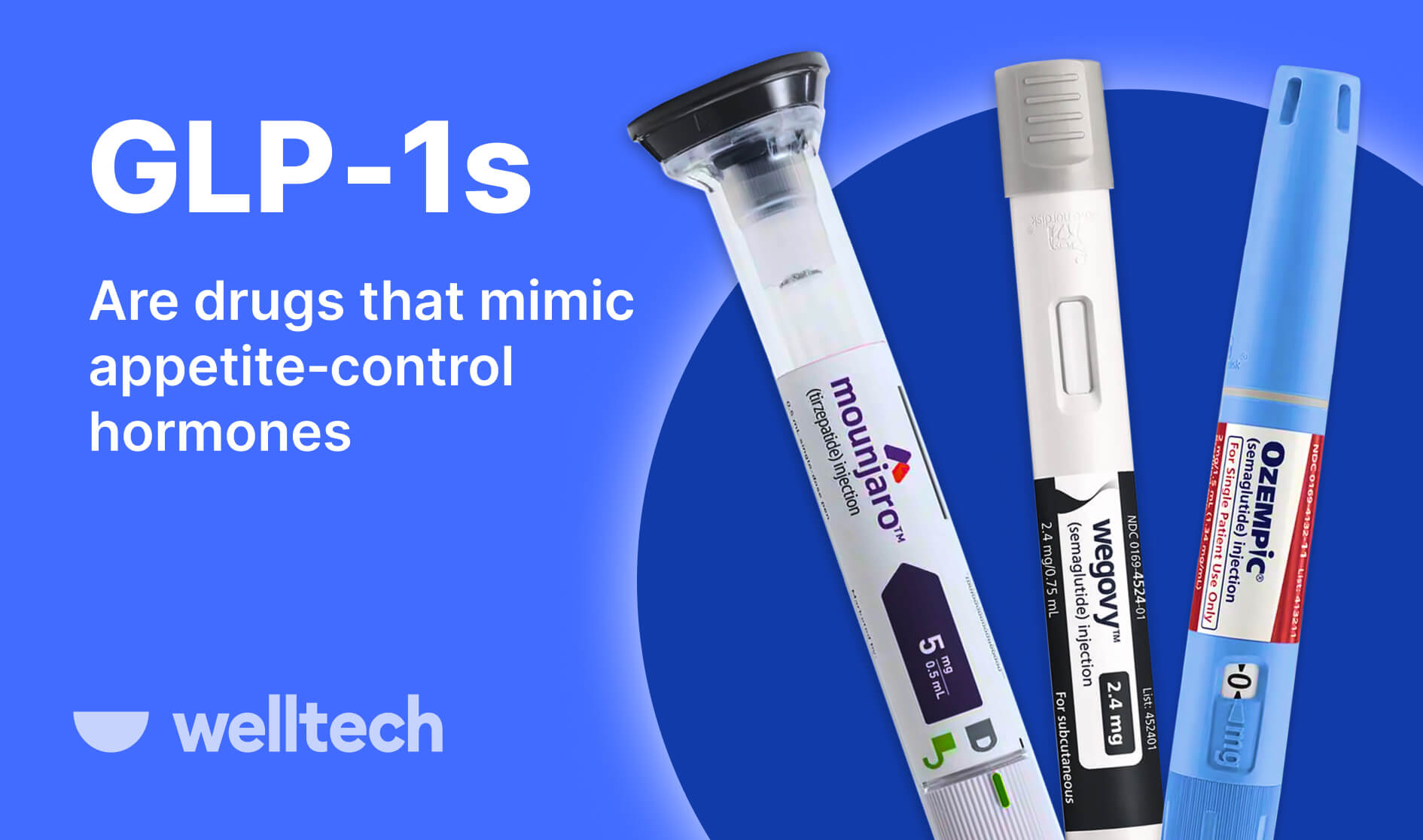
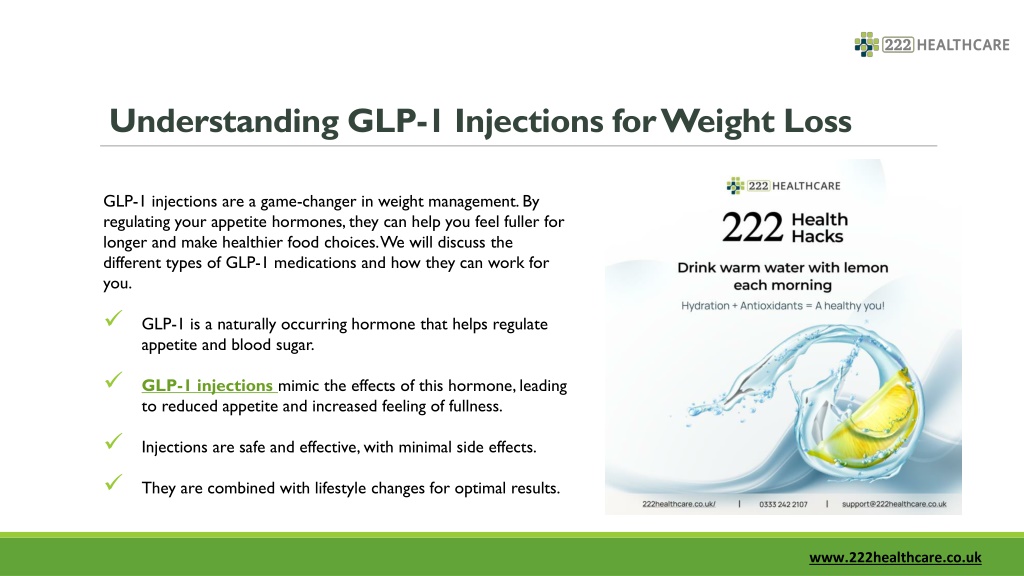
GLP-1 (Glucagon-Like Peptide-1) weight loss injections have gained significant attention in recent years as a potential solution for individuals struggling with weight management. While GLP-1 medications have shown promising results in clinical trials, concerns about their safety have arisen. In this article, we will delve into the safety concerns surrounding GLP-1 weight loss injections, their benefits, and risks.Benefits of GLP-1 Weight Loss Injections
GLP-1 weight loss injections have been shown to be effective in helping individuals lose weight and maintain weight loss over time. According to a study published in the Journal of Clinical Endocrinology and Metabolism, GLP-1 agonists resulted in a significant reduction in body weight, with a median weight loss of 5-10% compared to placebo. Additionally, GLP-1 medications have been found to have benefits beyond weight loss, including: * Improved glycemic control * Reduced risk of cardiovascular disease * Lowered blood pressure * Improved lipid profilesRisks and Side Effects of GLP-1 Weight Loss Injections
While GLP-1 weight loss injections have proven to be effective, they are not without risks and side effects. Some of the common side effects associated with GLP-1 medications include: * Nausea and vomiting * Diarrhea * Injection site reactions * Headaches * Increased heart rate More serious side effects include: * Pancreatitis (inflammation of the pancreas) * Thyroid cancer (rare) * Allergic reactions (rare)Long-Term Considerations
The long-term safety of GLP-1 weight loss injections is still being studied. While clinical trials have shown no significant long-term side effects, there is a concern that prolonged use of GLP-1 medications may lead to: * Increased risk of pancreatitis * Thyroid abnormalities * Vitamin B12 deficiencyRegulatory Affairs