Wireless Network Setup for Intelligent Transportation Systems
Introduction
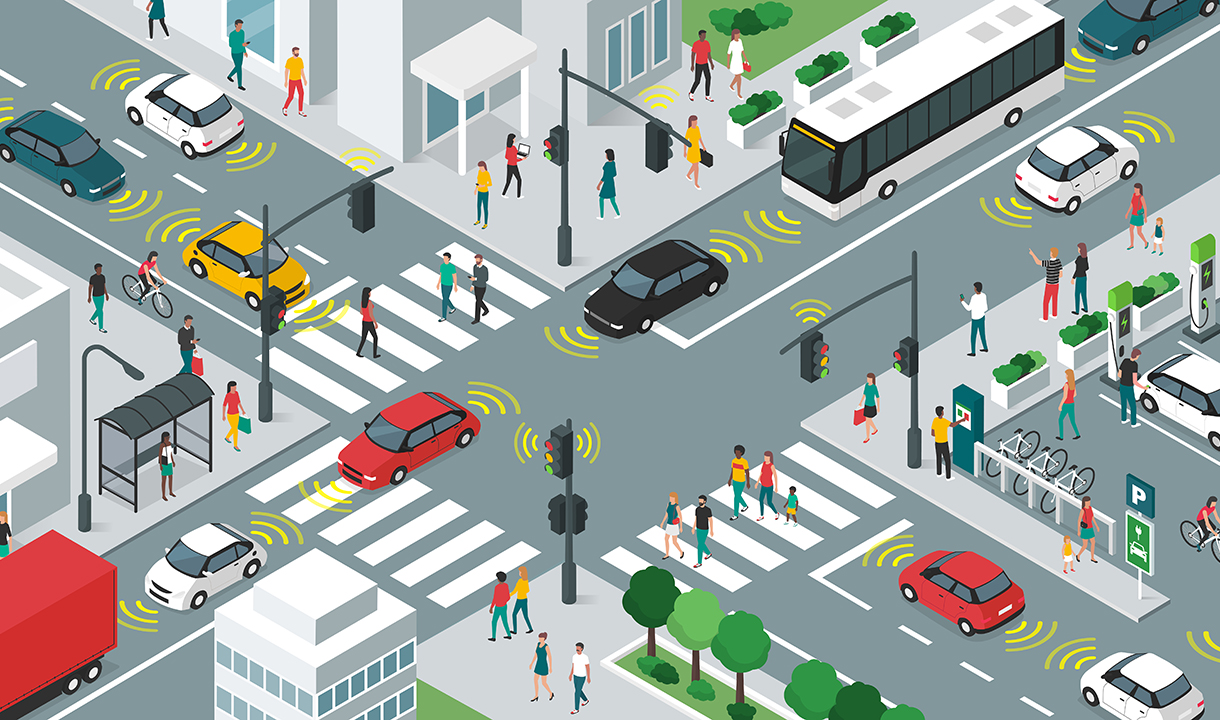
The era of Intelligent Transportation Systems (ITS) has arrived, with a focus on seamless communication between vehicles, infrastructure, and centralized control centers to ensure safety, efficiency, and real-time responsiveness. The integration of wireless communication technologies has become a crucial aspect of ITS, enabling the exchange of real-time data and facilitating intelligent decision-making.Requirements for Intelligent Transportation Systems
Intelligent transportation systems must handle vast amounts of data, including sensor readings, traffic patterns, and vehicle information. To meet these requirements, ITS demands reliable, scalable, and wireless networking infrastructure. A wireless network setup for ITS must provide low-latency, high-data-rate connectivity, ensuring seamless communication between vehicles, infrastructure, and control centers.Wireless Technologies for ITS
Several wireless technologies are being employed in ITS, including Wi-Fi, WiMAX, 4G-LTE, wireless sensor networks, wireless ad-hoc networks, and future 5G technology. Each of these technologies offers distinct advantages, such as low power consumption, flexibility, and information security. However, the selection of the most suitable technology depends on specific use cases and requirements.Bluetooth for Vehicle-to-Vehicle Communication
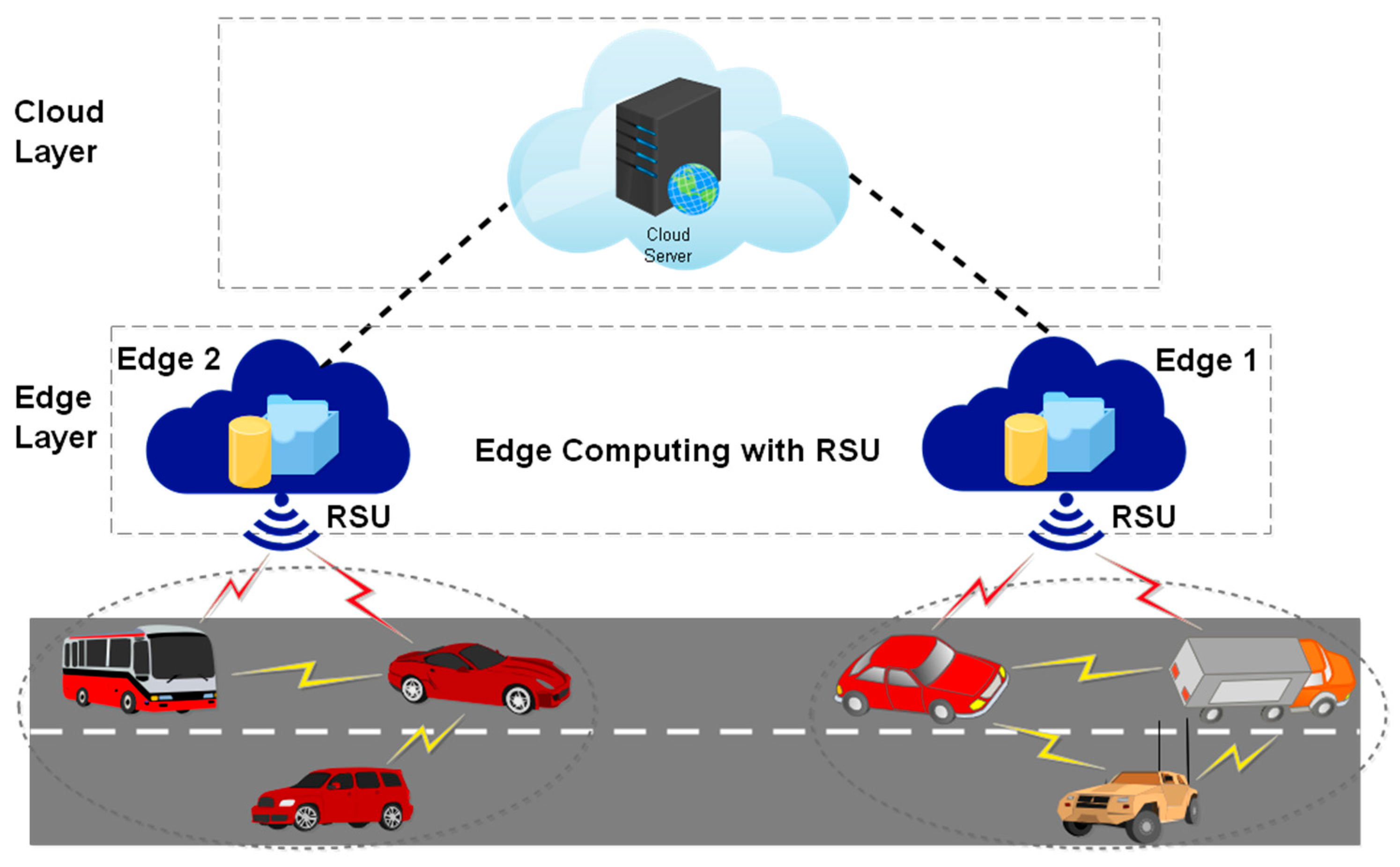
Bluetooth technology is being increasingly used in ITS for vehicle-to-vehicle (V2V) communication. By providing reliable communication between vehicles equipped with Bluetooth devices, ITS can leverage this technology to enhance safety, traffic efficiency, and real-time responsiveness. The development of efficient and reliable architectures for ITS using wireless sensor networks and ad-hoc networks formed among vehicles is also gaining traction.5G Technology for ITS