What is 6G Network Setup?
Introduction to 6G Networks
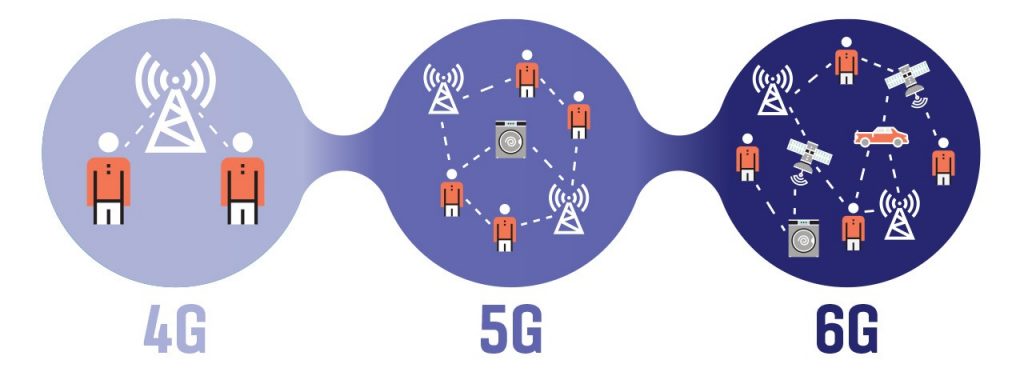
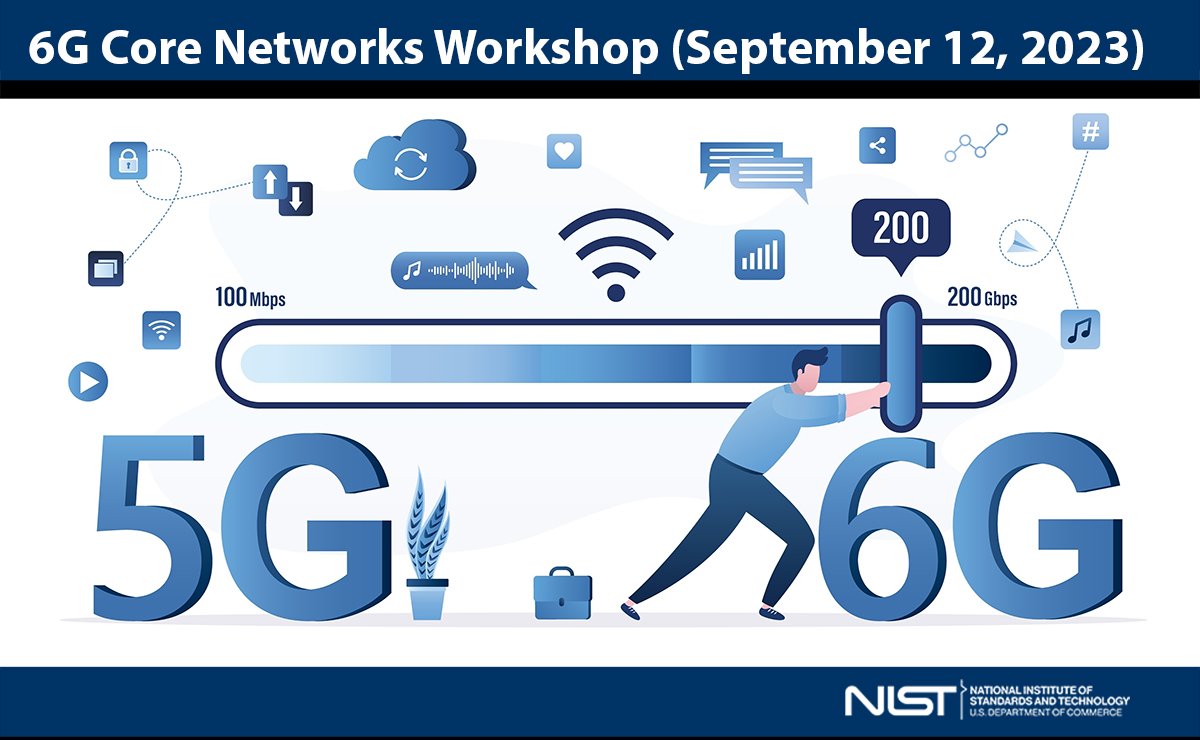
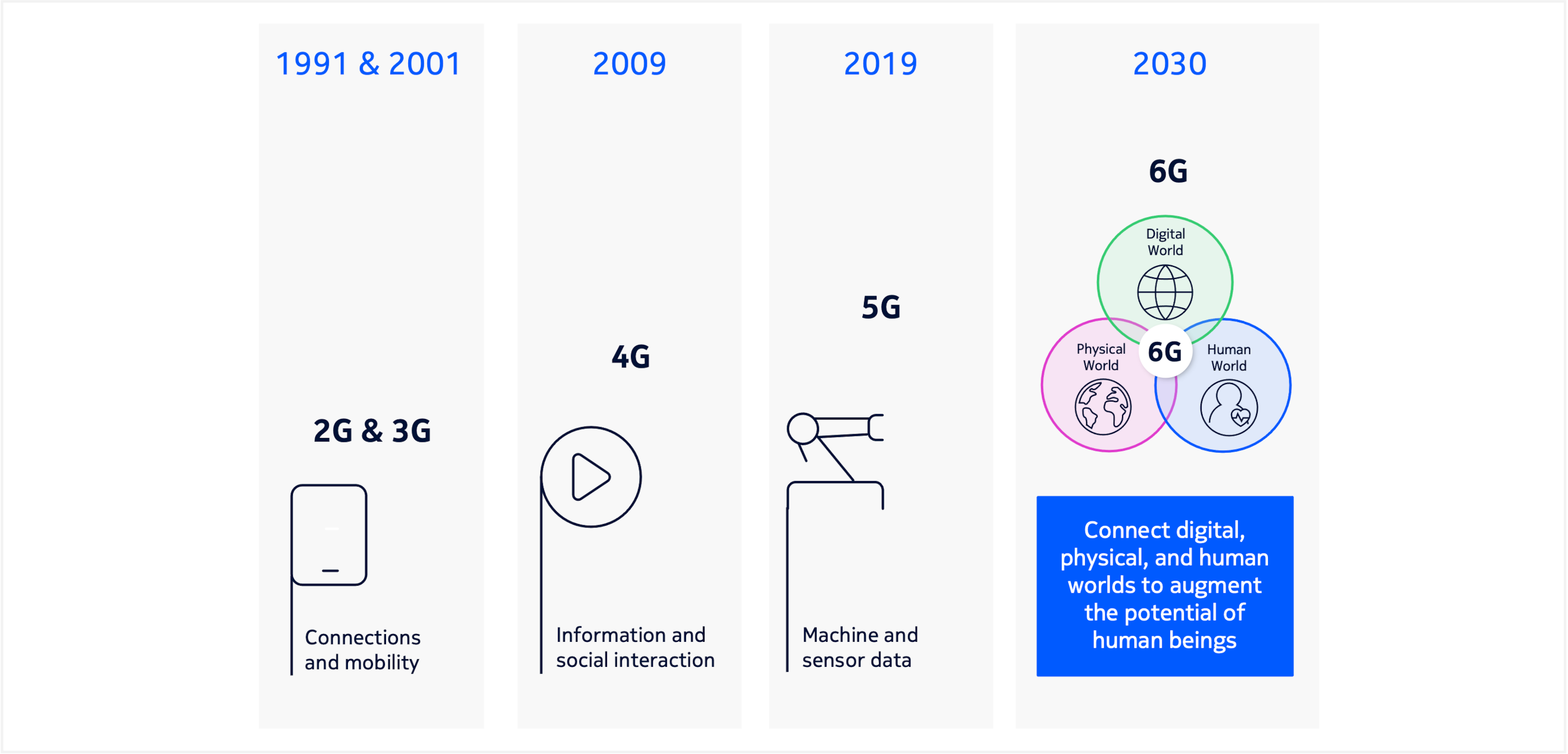
The sixth generation of wireless network technology, commonly referred to as 6G, is expected to be globally available by around 2030. As the successor to 5G cellular technology, 6G networks will provide higher frequencies, substantially higher capacity, and much lower latency than their predecessors. One of the primary goals of the 6G internet is to support communications with one-microsecond latency, which is 1,000 times faster than the latency of current 5G networks.Key Features of 6G Networks
The key features of 6G networks include:- Higher frequencies: 6G networks will be able to use higher frequencies than 5G networks, which will enable faster data transmission speeds.
- Substantially higher capacity: 6G networks will have a much higher capacity than 5G networks, which will enable the support of a vast number of devices and applications.
- Much lower latency: 6G networks will have much lower latency than 5G networks, which will enable real-time communication and support for mission-critical applications.
6G Network Architecture
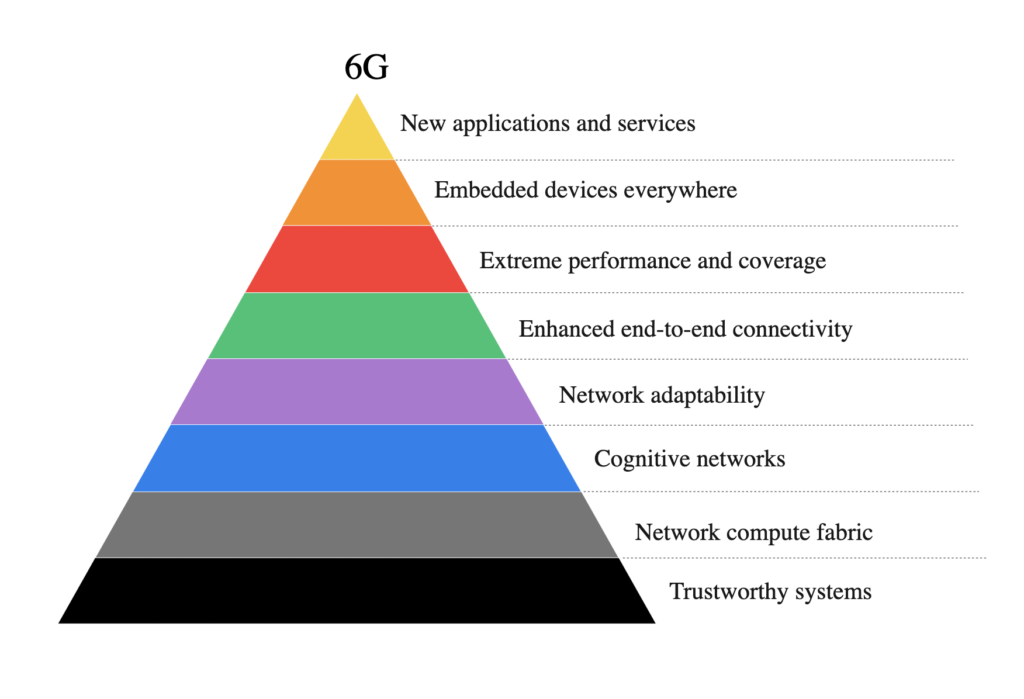
The architecture of 6G networks will be similar to that of 5G networks, with some key differences. The 6G network architecture will consist of the following components:- User Equipment (UE): The UE will be the device used by users to access the 6G network, such as smartphones, laptops, and tablets.
- Access Network: The access network will be the part of the 6G network that provides connectivity to the user equipment.
- Core Network: The core network will be the central part of the 6G network that provides connectivity between the access network and the edge network.
- Edge Computing: Edge computing will be a key component of 6G networks, enabling the processing of data at the edge of the network, rather than in the core network.
- Non-Terrestrial Networks: Non-terrestrial networks will be a new type of network that will use satellites and other forms of wireless communication to provide connectivity.
Key Interfaces and Their Functions
- User Equipment (UE) to Access Network (AN): This interface will provide connectivity between the user equipment and the access network.
- Access Network (AN) to Core Network (CN): This interface will provide connectivity between the access network and the core network.
- Core Network (CN) to Edge Computing (EC): This interface will provide connectivity between the core network and the edge computing network.
6G Requirements and Principles
The newly defined 6G requirements build on the IMT-2030 framework that ITU first published in December 2023 as a globally harmonized foundation for next-generation connectivity. The overarching principles for future network design include:- Sustainability: 6G networks must be sustainable and environmentally friendly.
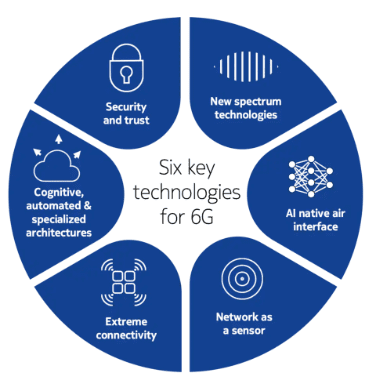
- Security and Resilience: 6G networks must be secure and resilient, with built-in security features to prevent hacking and other security threats.