GLP-1 and Weight Loss Studies: A Comprehensive Review
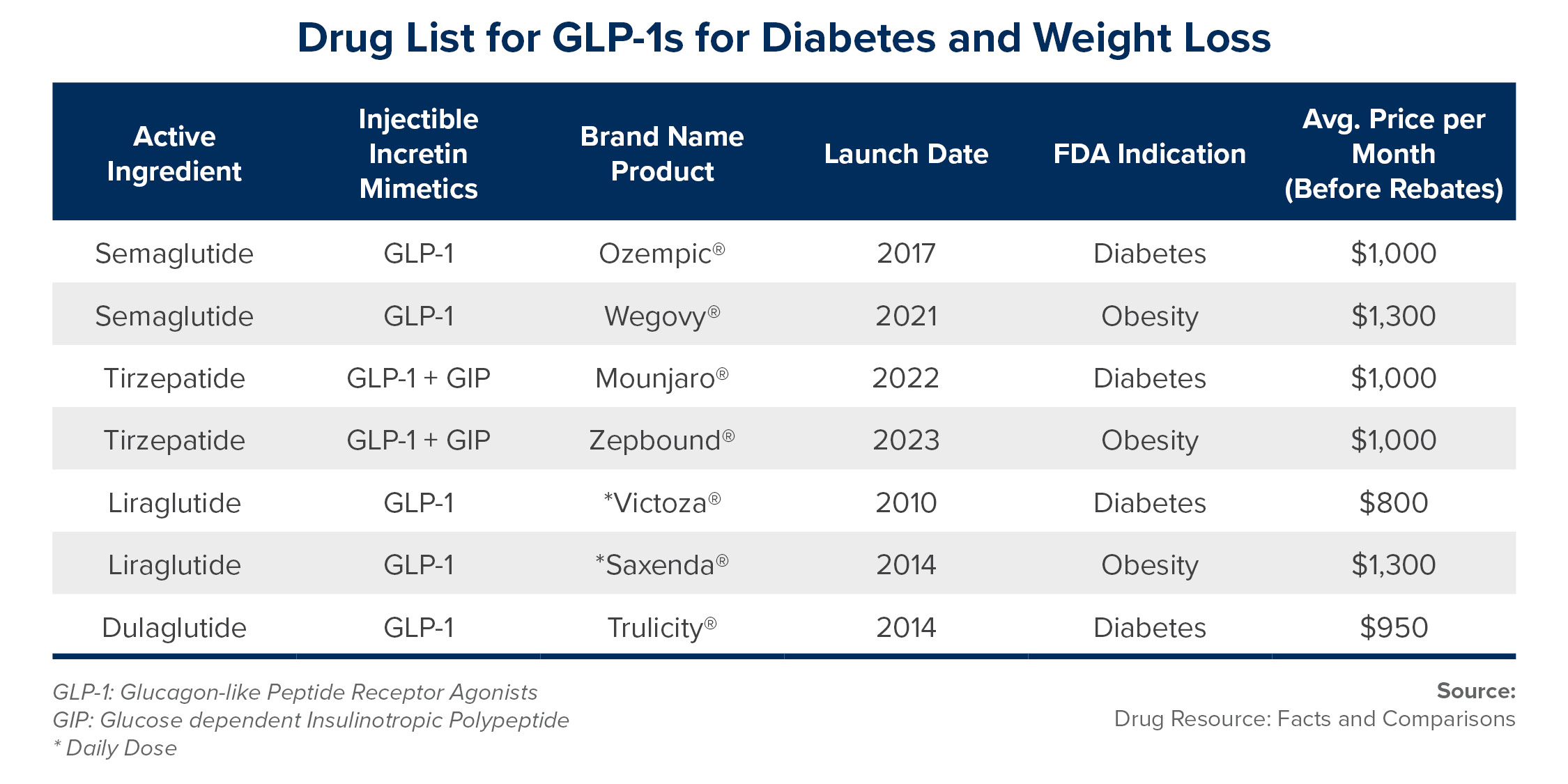
Glucagon-like peptide-1 (GLP-1) receptor agonists have emerged as a promising class of medications for weight loss, particularly among individuals with obesity. These medications work by mimicking the action of the naturally occurring hormone GLP-1, which plays a key role in regulating appetite, glucose metabolism, and weight management.
Background and Rationale
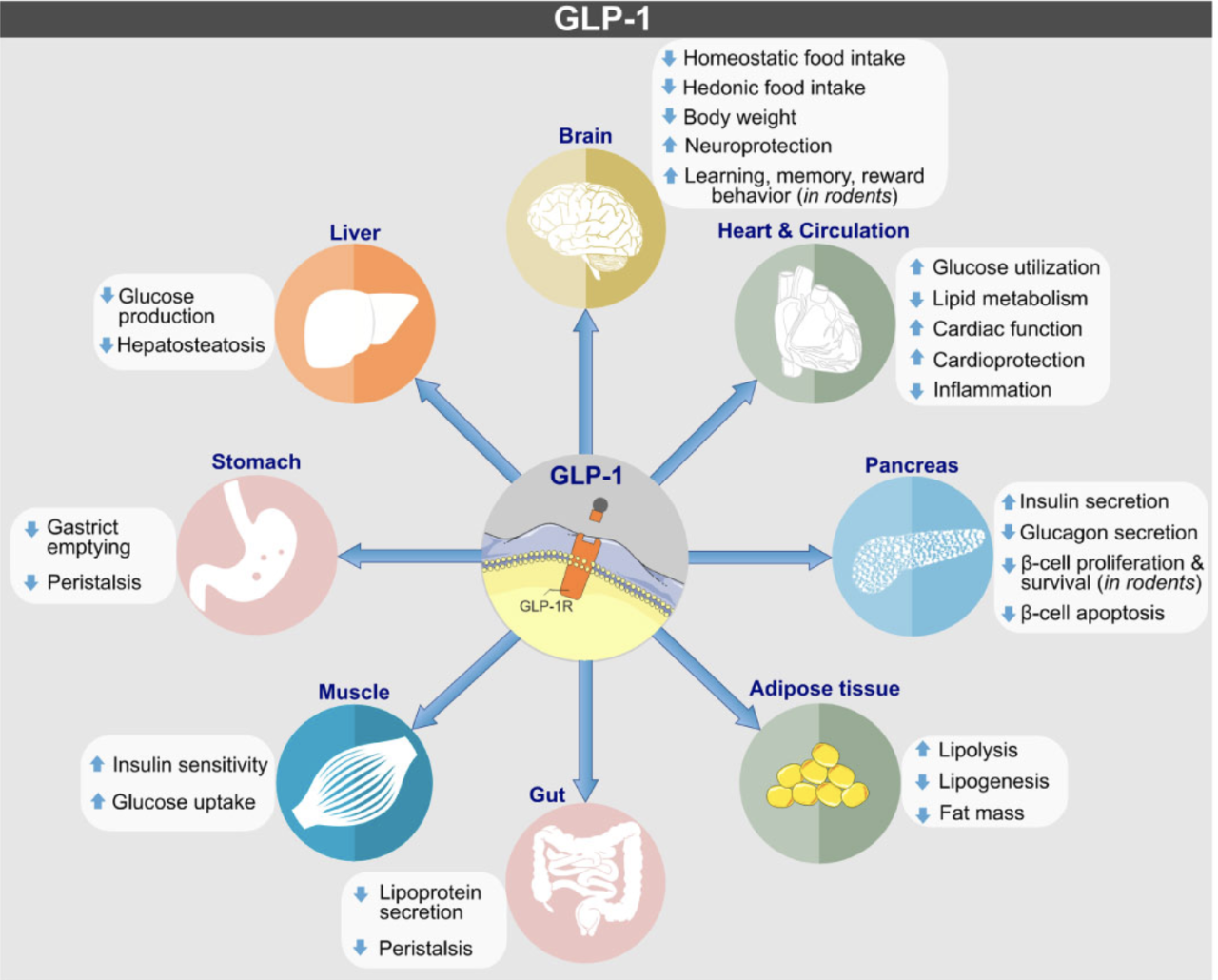
GLP-1 receptor agonists have been extensively studied for their efficacy and safety in managing type 2 diabetes. However, their use has also been expanding to include weight loss and other cardiometabolic applications. Recent studies have shed light on their potential benefits and risks, including their effects on weight loss, cardiovascular health, and mental well-being.
GLP-1 Mechanism of Action and Weight Loss Efficacy
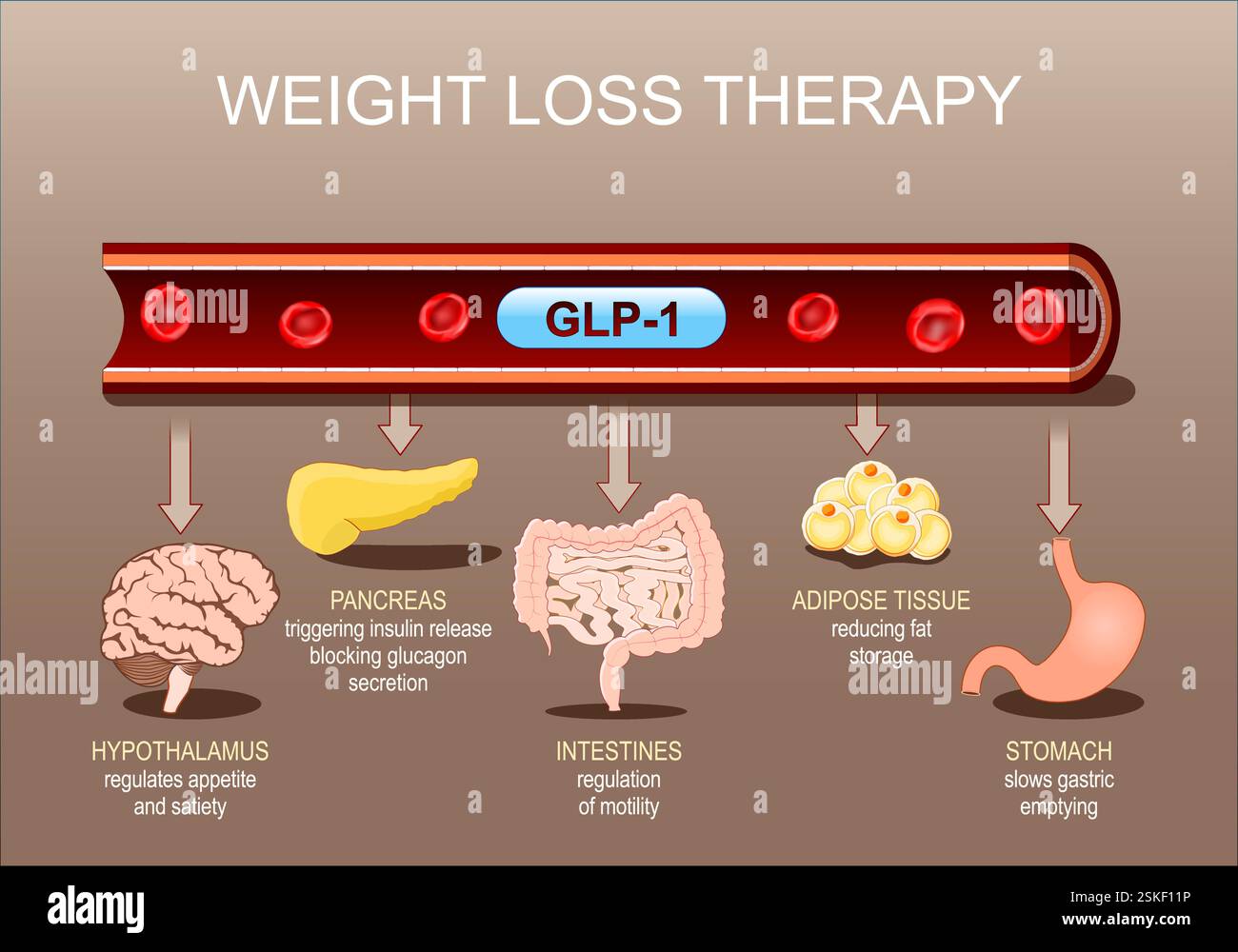
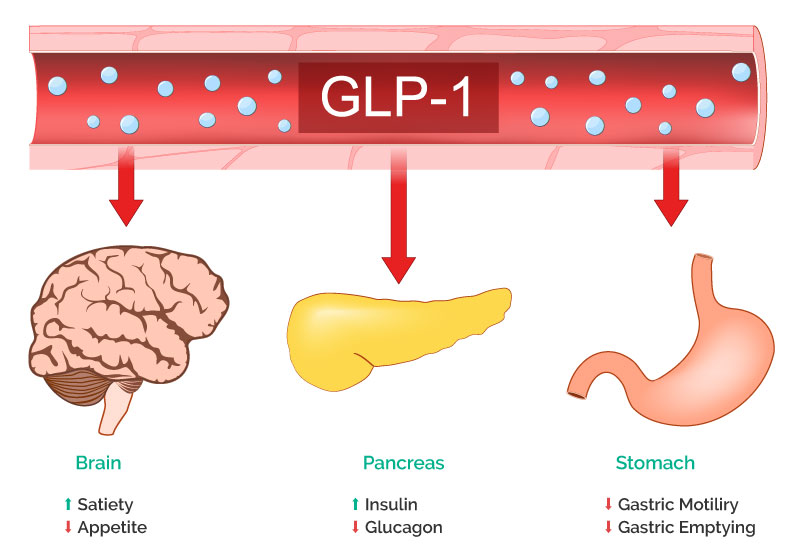
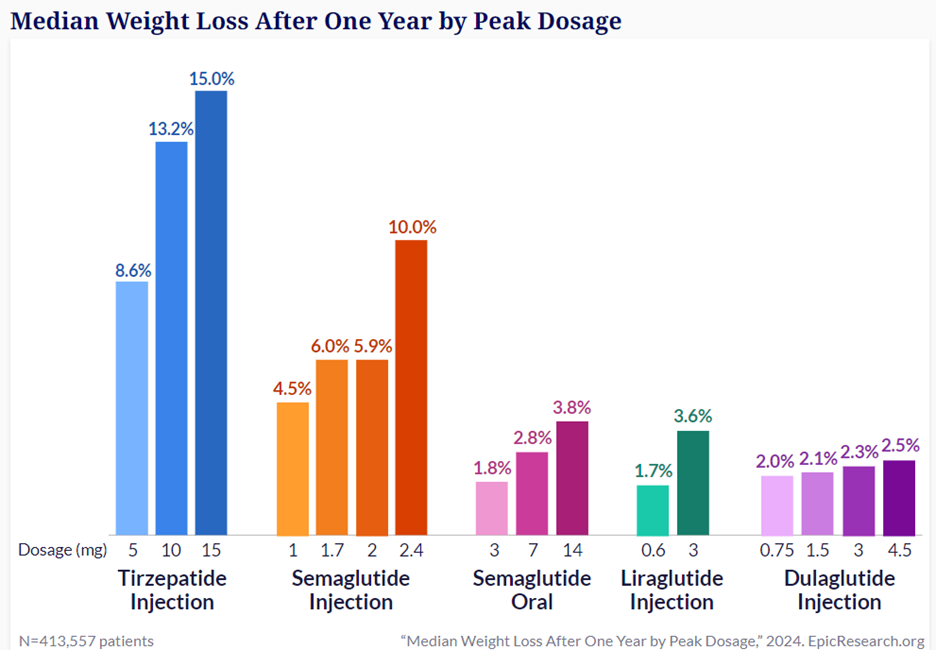
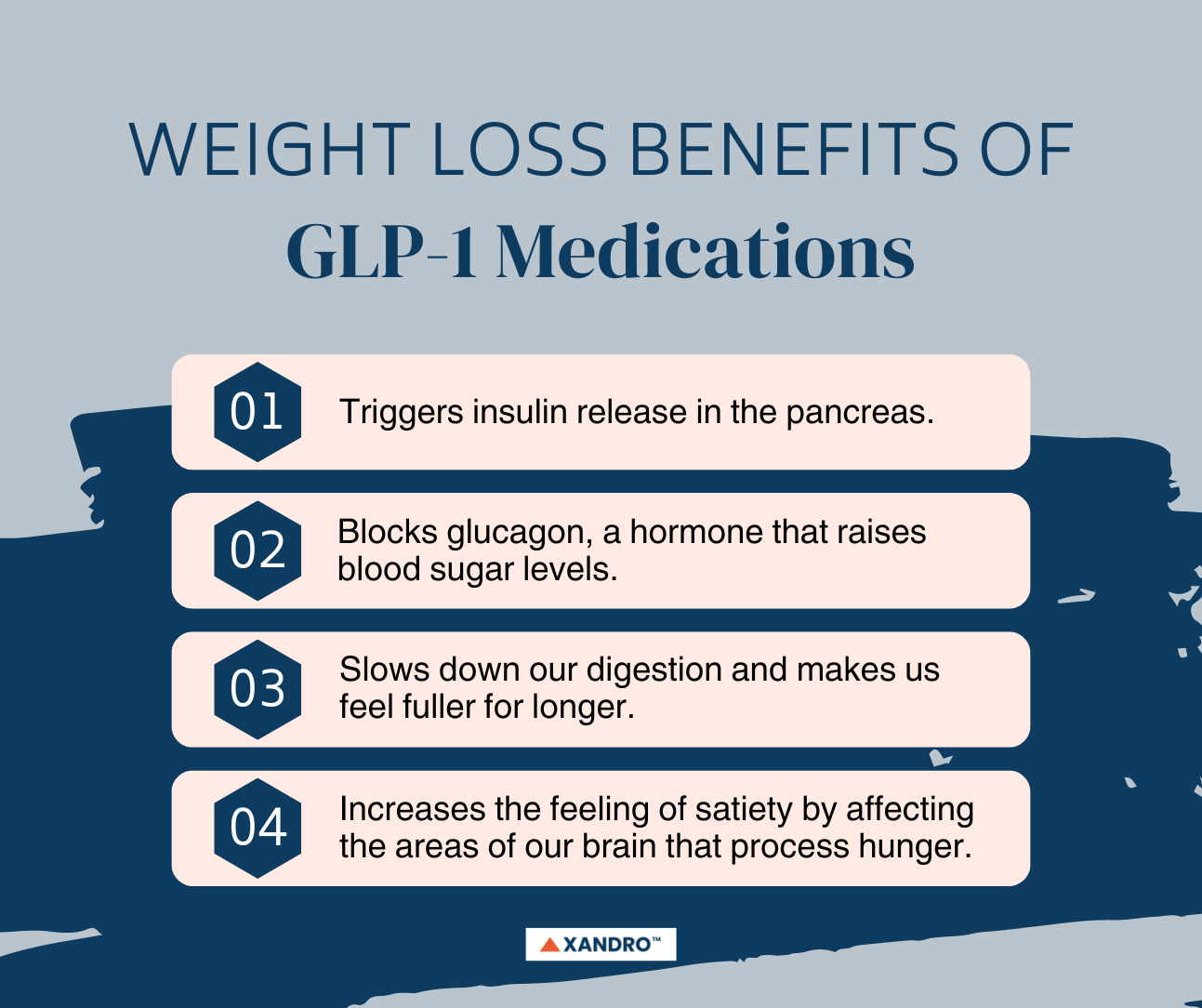
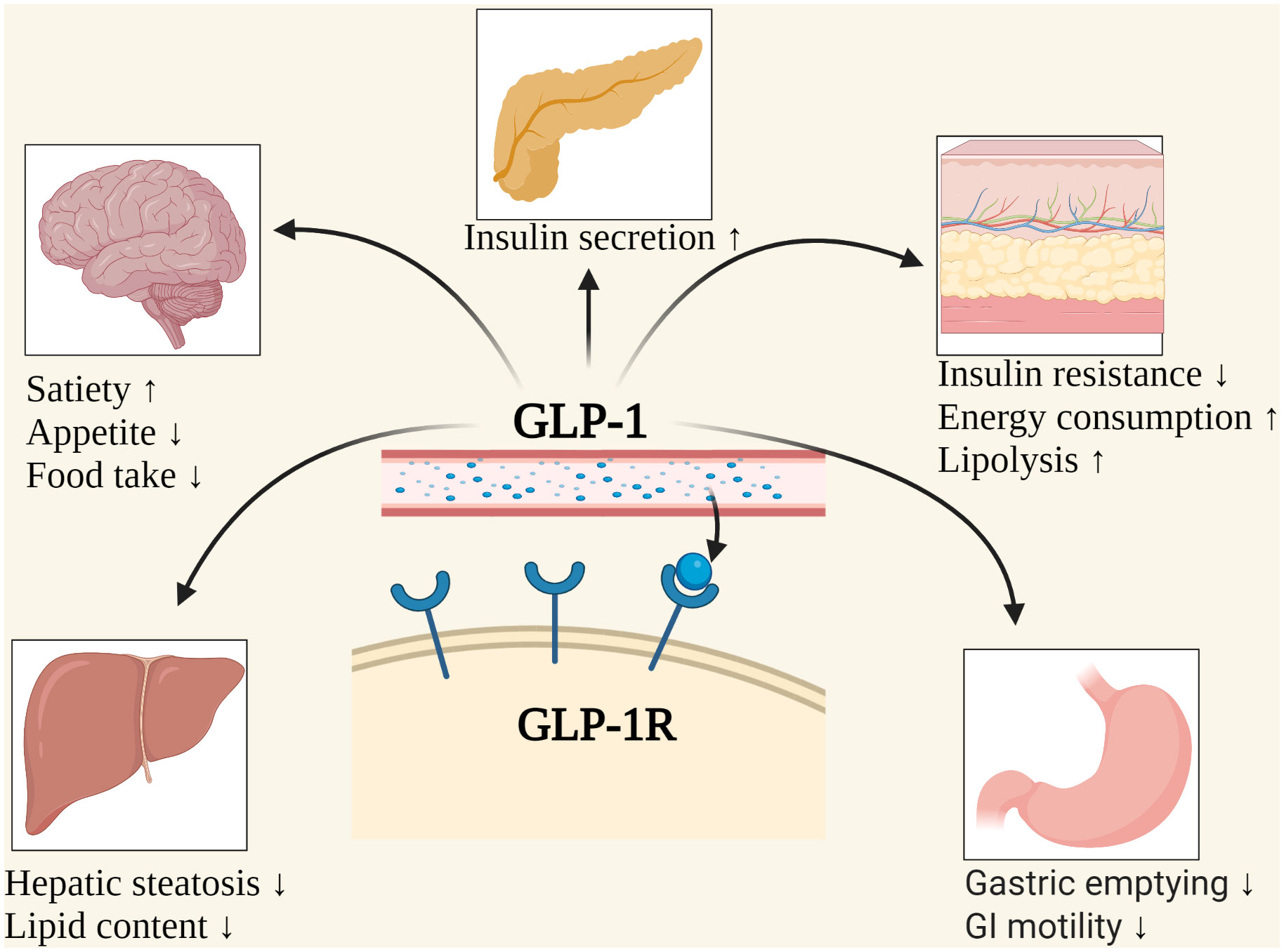
GLP-1 receptor agonists work by increasing insulin secretion, decreasing glucagon levels, and delaying gastric emptying. This leads to increased satiety, reduced food intake, and improved glucose control. The efficacy of GLP-1 receptor agonists in promoting weight loss has been demonstrated in numerous randomized controlled trials, with some studies showing significant reductions in body weight, body mass index (BMI), and waist circumference.
Long-Term Efficacy and Safety of GLP-1 Receptor Agonists
Recent studies have investigated the long-term efficacy and safety of GLP-1 receptor agonists in managing obesity. A systematic review published in 2025 evaluated the data from high-quality randomized controlled trials and found that GLP-1 receptor agonists were associated with significant weight loss and improved glycemic control. However, the review also highlighted the potential risks of discontinuation, including weight regain and gastrointestinal adverse events.
Weight Loss Regain After GLP-1 Discontinuation
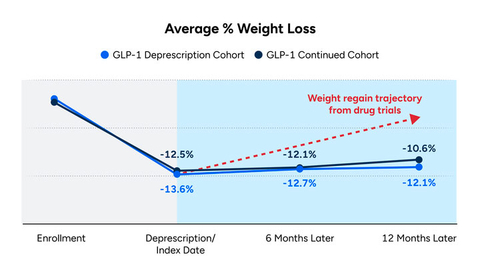
A study published in 2026 evaluated the pattern of weight regain after GLP-1 discontinuation and found a predictable and decelerating pattern of weight regain, which appears to plateau below pre-treatment levels. This suggests that partial weight loss benefit may persist long-term, but is substantially attenuated.
Novel Protein Sensor for Tracking Muscle Loss During GLP-1 Therapy
A study presented as a late-breaking poster in 2025 demonstrated proof of concept for a continuous protein sensor as a tool to prevent muscle loss during GLP-1 therapy. This finding has significant implications for the management of weight loss and muscle preservation during treatment with GLP-1 receptor agonists.
- GLP-1 receptor agonists have been extensively studied for their efficacy and safety in managing type 2 diabetes.
- Recent studies have shed light on their potential benefits and risks, including their effects on weight loss, cardiovascular health, and mental well-being.
- GLP-1 receptor agonists work by increasing insulin secretion, decreasing glucagon levels, and delaying gastric emptying.
- The efficacy of GLP-1 receptor agonists in promoting weight loss has been demonstrated in numerous randomized controlled trials.
- Long-term studies have investigated the efficacy and safety of GLP-1 receptor agonists in managing obesity.
- GLP-1 receptor agonists have been associated with significant weight loss and improved glycemic control.
- However, the review also highlighted the potential risks of discontinuation, including weight regain and gastrointestinal adverse events.
- A study published in 2026 evaluated the pattern of weight regain after GLP-1 discontinuation.
- A study presented as a late-breaking poster in 2025 demonstrated proof of concept for a continuous protein sensor as a tool to prevent muscle loss during GLP-1 therapy.
Conclusion
GLP-1 receptor agonists have emerged as a promising class of medications for weight loss, particularly among individuals with obesity. However, their potential risks and benefits must be carefully weighed, and further studies are needed to investigate their long-term efficacy and safety. As research continues to uncover the mechanisms of action and potential benefits of GLP-1 receptor agonists, their impact on weight loss, cardiovascular health, and mental well-being is becoming increasingly clear.
References
- Mar 4, 2026 - GLP-1 RA cessation is associated with a predictable and decelerating pattern of weight regain, which appears to plateau below pre-treatment levels, suggesting that partial weight loss benefit may persist long-term but is substantially attenuated.
- Jan 26, 2026 - The US Food and Drug Administration (FDA) approval of multiple glucagon-like peptide-1 (GLP-1) receptor agonists for weight management has ushered in a new chapter for obesity care.
- Dec 1, 2024 - This review investigates the side effects of glucagon-like peptide-1 receptor agonists (GLP-1RAs) like liraglutide, semaglutide, and tirzepatide, medications known for their efficacy in promoting weight loss among individuals with obesity.
- Feb 5, 2026 - What are GLP-1s? GLP-1 receptor agonists work by targeting GLP-1 receptors: increasing insulin, decreasing glucagon, and delaying gastric emptying.
- Oct 30, 2025 - GLP-1 drugs effective for weight loss, but more independent studies needed.
- Jan 20, 2025 - Study identifies benefits, risks linked to popular weight-loss drugs GLP-1 medications tied to decreased risk of dementia, addiction; increased risk of kidney, pancreas, and gastrointestinal problems.
- Mar 12, 2026 - In one of the largest real-world studies to date examining obesity treatment use and long-term weight changes after GLP-1 discontinuation, researchers at Cleveland Clinic found that many patients successfully stabilized their weight after one year through alternative treatments and therapeutic lifestyle interventions.
- Jun 23, 2025 - Novel Protein Sensor Shows Potential to Track Muscle Loss During GLP-1 RA Therapy.