Trademark Search in Australia Process: A Comprehensive Guide
Conducting a trademark search in Australia is a crucial step in the trademark registration process. It allows you to determine if your desired trademark is available for use and registration, saving you time and money in the long run.
Understanding Trademark Registration in Australia
A registered trademark is a type of intellectual property (IP) right that protects a business's unique brand, products, or services. It can protect a word, phrase, logo, letter, number, symbol, sound, shape, image, or scent. A registered trademark gives your business exclusive rights to use the trademark in Australia and also gives you legal rights to place the ® symbol next to your trademark.
The Australian Trademark Search Process
Traditionally, conducting a trademark search in Australia involved using the Australian Trade Marks Online Search System (ATMOSS). However, in 2017, a new platform called the Australian Trade Mark Search (ATMS) was launched to replace ATMOSS. The new platform allows you to search for registered and pending trademarks in Australia with ease.
Why Conduct a Trademark Search in Australia?
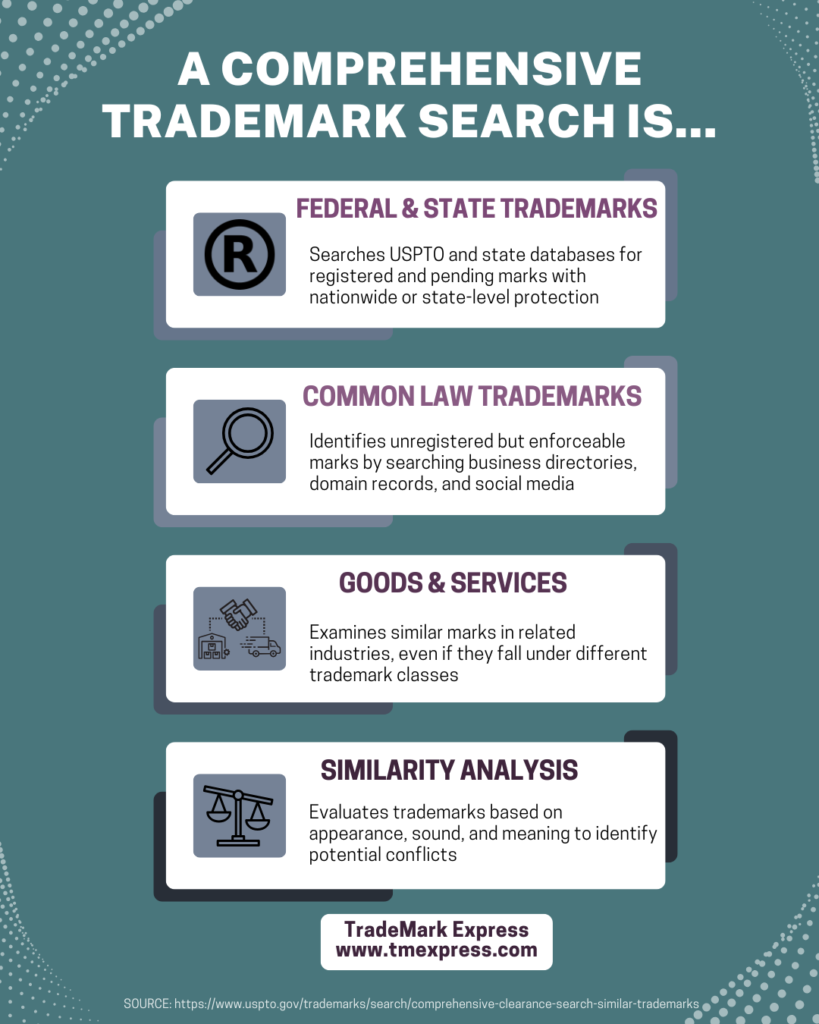
Conducting a trademark search in Australia is essential to ensure that your proposed trademark does not infringe on existing trademarks. This process is known as trademark clearance. By conducting a thorough search, you can identify potential conflicts and reduce the risk of refusal.
How to Conduct a Trademark Search in Australia
To conduct a trademark search in Australia, you can use the Australian Trade Mark Search (ATMS) platform. You can search for registered and pending trademarks by keyword, class, or number. You can also use the TM Checker app, which provides feedback on the likely success of a registered trademark application.
What to Consider Before Applying
Before applying for a trademark, it's essential to consider the following:
- Check if your desired trademark is available for registration
- Ensure that your trademark does not infringe on existing trademarks
- Choose the correct goods and services for your trademark application
- Understand the filing fees and timelines for registering trademarks in Australia
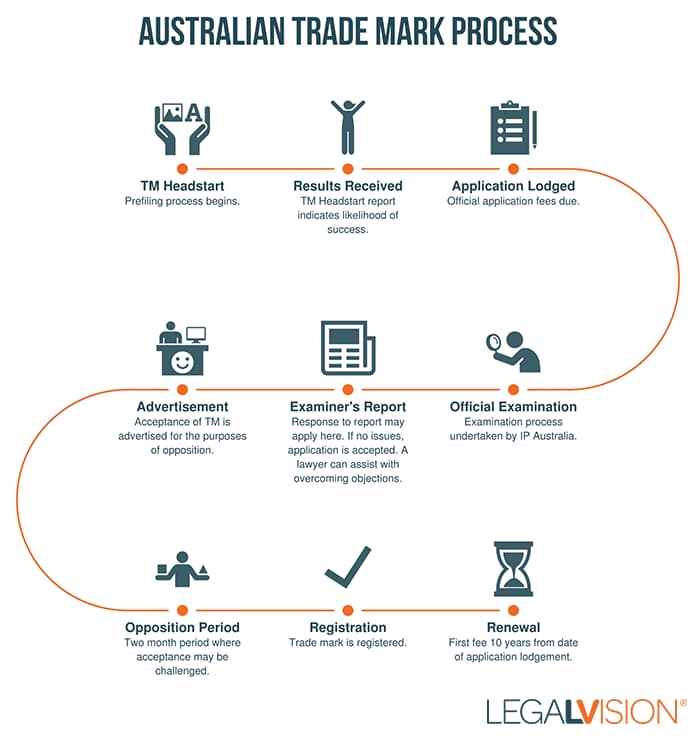
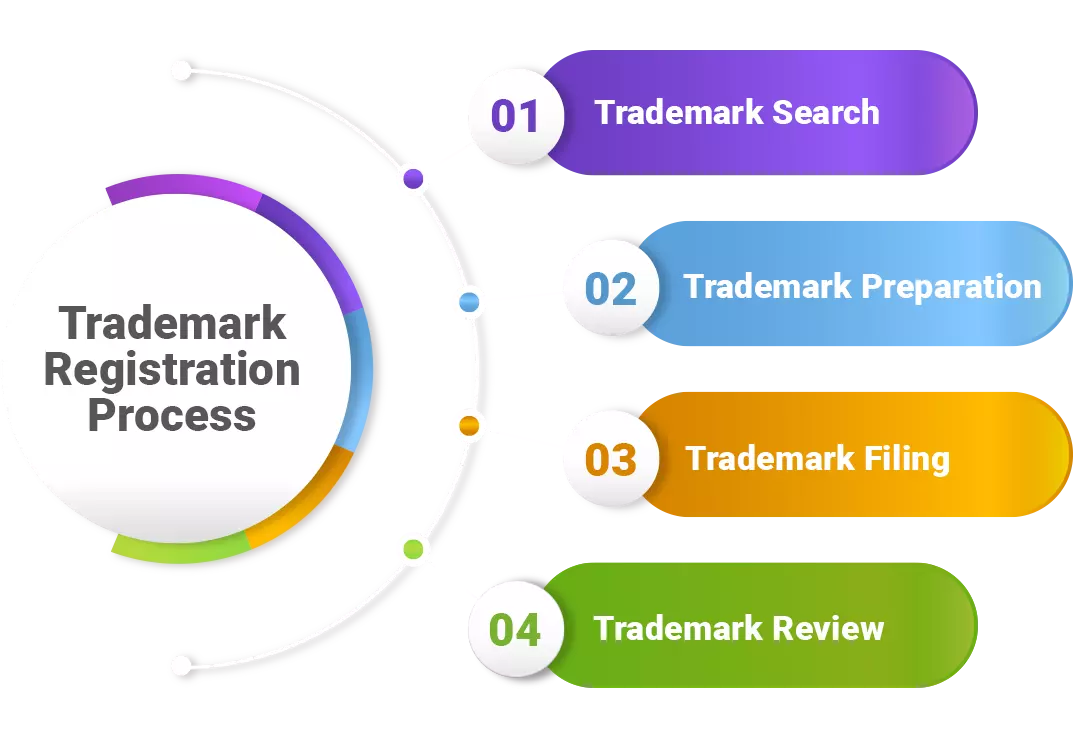
Trademark Registration Process in Australia
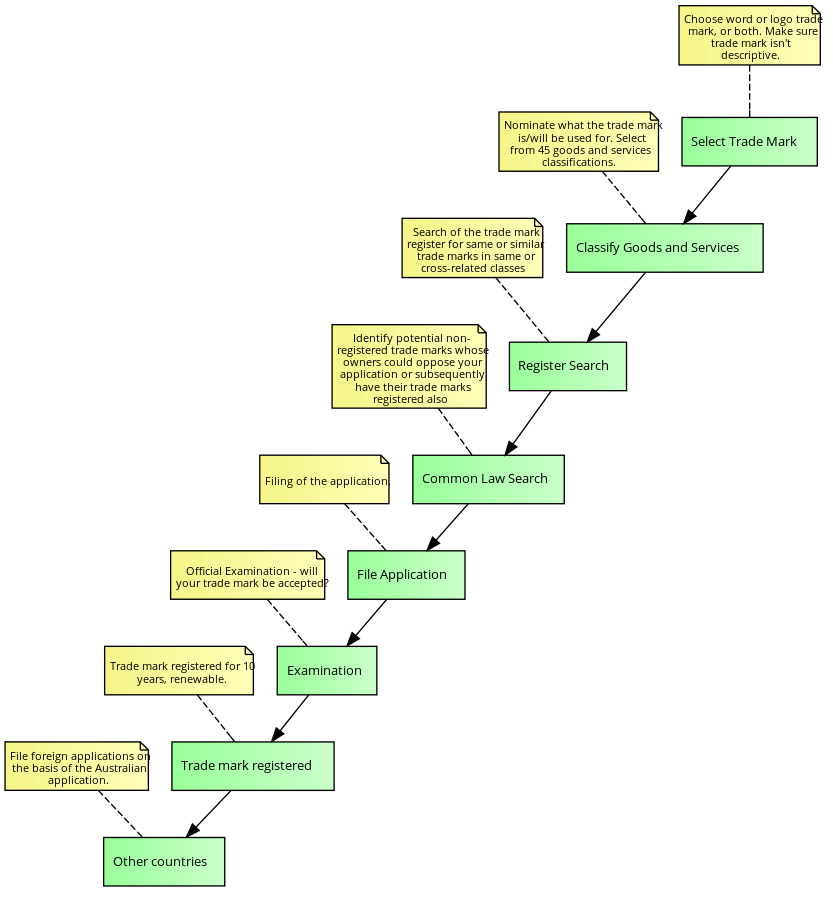
The trademark registration process in Australia involves the following steps:
- Initial trademark search and clearance
- Application submission
- Examination
- Publication and opposition
- Registration
Conclusion
Conducting a trademark search in Australia is a crucial step in the trademark registration process. By using the Australian Trade Mark Search (ATMS) platform and TM Checker app, you can ensure that your proposed trademark does not infringe on existing trademarks and reduce the risk of refusal. Remember to consider the filing fees and timelines for registering trademarks in Australia and seek professional advice if needed.
TM Checker App
TM Checker is a free app that helps you decide if your trademark is likely to face problems when it is examined. It uses AI to quickly check your proposed trademark based on internally trained data and examinations conducted by IP Australia. You don't need an online account to use TM Checker, only if you decide to apply for a trademark.
Step-by-Step Guide to Trademark Registration in Australia
Our comprehensive guide walks you through the entire process of trademark registration in Australia. Whether you're new to the concept or need a refresher, this step-by-step guide has you covered.
What to Consider Before Applying
Before applying for a trademark, it's essential to consider the following:
- Check if your desired trademark is available for registration
- Ensure that your trademark does not infringe on existing trademarks
- Choose the correct goods and services for your trademark application
- Understand the filing fees and timelines for registering trademarks in Australia
Conclusion
Conducting a trademark search in Australia is a crucial step in the trademark registration process. By following this comprehensive guide, you can ensure that your proposed trademark does not infringe on existing trademarks and reduce the risk of refusal.