Small Business SEO Planning: A Comprehensive Guide
As a small business owner, you understand the importance of having a strong online presence to attract customers and drive revenue. Search Engine Optimization (SEO) is a crucial aspect of online marketing that can help your business rank higher in search engine results, increase visibility, and drive more traffic to your website. In this guide, we'll walk you through the process of creating a comprehensive Small Business SEO plan tailored to your specific needs and resources.
Why Small Business SEO Planning is Important
Successful SEO planning is essential for small businesses because it helps you:
- Improve your online visibility and reach a wider audience
- Drive more traffic to your website and increase conversions
- Compete with larger businesses and establish your brand as a trusted authority
- Save money on advertising and marketing efforts by leveraging organic search
Step 1: Define Your SEO Goals
Before creating an SEO plan, you need to define your goals. What do you want to achieve with your SEO efforts? Are you looking to increase website traffic, generate more leads, or boost conversions? Make sure your goals are specific, measurable, achievable, relevant, and time-bound (SMART). Also, ensure that your SEO goals align with your overall business objectives.
Step 2: Conduct Keyword Research
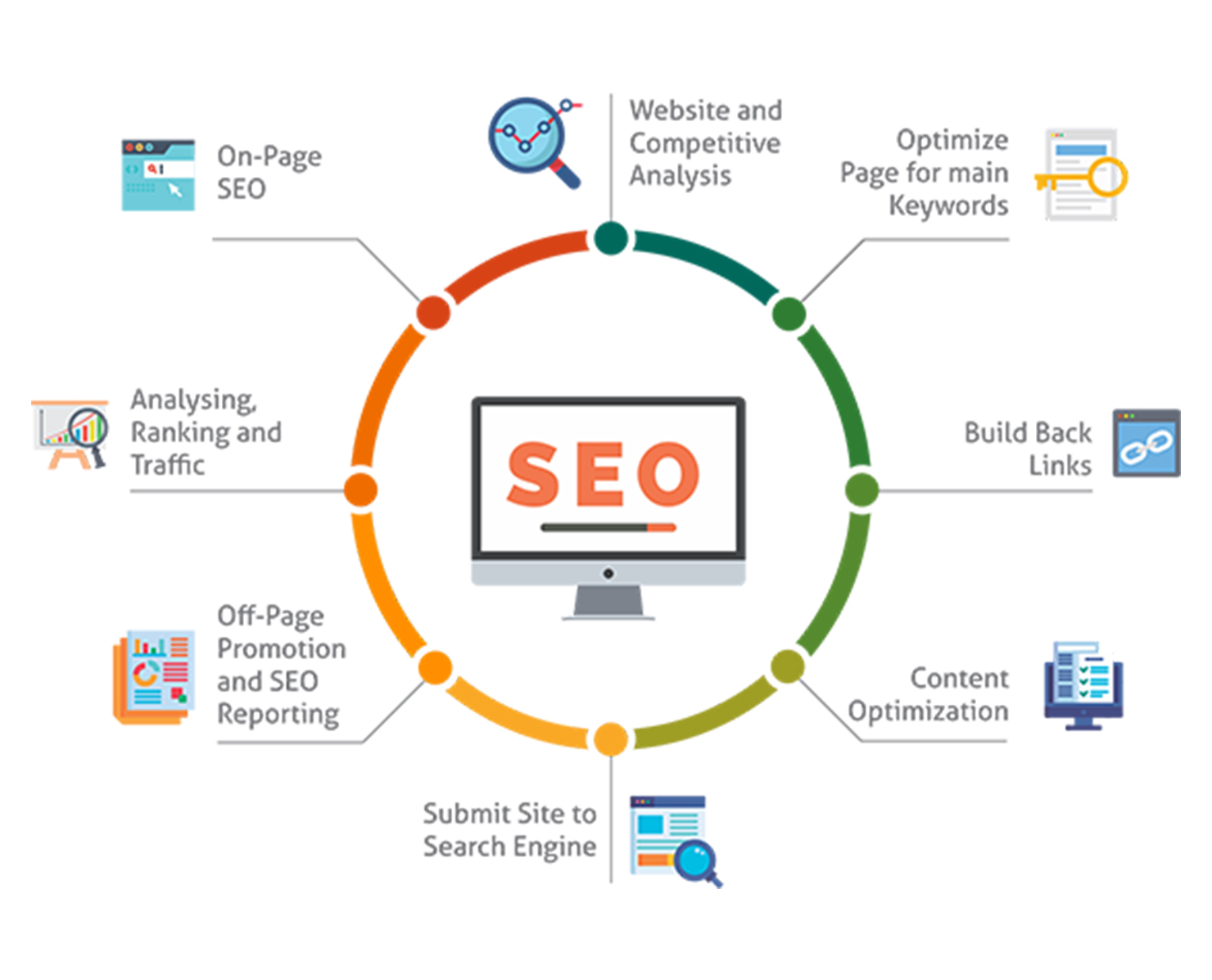
Keyword research is the process of identifying the words and phrases your target audience uses to search for products or services like yours. Use tools like Google Keyword Planner, Ahrefs, or SEMrush to find relevant keywords and phrases. Analyze your competitors' keywords and content to identify gaps and opportunities.
Step 3: Optimize On-Page Elements
Once you have your keywords, it's time to optimize your on-page elements, including:
- Meta titles and descriptions
- Header tags (H1, H2, H3, etc.)
- Content optimization (keyword usage, frequency, and density)
- Image optimization (alt tags, descriptions, and file names)
- Mobile-friendliness and page speed
Step 4: Build High-Quality Backlinks
Backlinks are one of the most important ranking factors. Focus on building high-quality backlinks from authoritative sources, such as:
- Guest blogging on relevant websites
- Participating in online communities and forums
- Creating linkable assets (infographics, eBooks, whitepapers, etc.)
- Receiving mentions and reviews from trusted sites
Step 5: Monitor and Analyze Your Progress
Track your website's traffic, rankings, and conversions using tools like Google Analytics and Search Console. Analyze your data to identify areas for improvement and adjust your SEO strategy accordingly.
Conclusion
Small Business SEO planning requires a comprehensive approach that incorporates keyword research, on-page optimization, link building, and ongoing analysis. By following the steps outlined in this guide, you'll be well on your way to creating a successful SEO strategy that drives more traffic, leads, and revenue to your business. Remember to stay up-to-date with the latest SEO trends and best practices to ensure your business remains competitive in the online market.