GLP-1 and Cardiovascular Disease Prevention: A Comprehensive Review
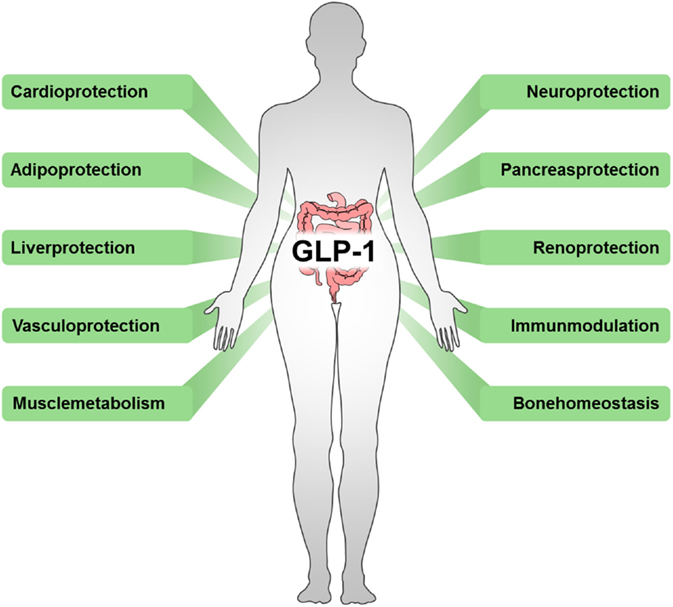
Glucagon-like peptide-1 (GLP-1) receptor agonists have revolutionized the treatment of type 2 diabetes, but their benefits extend far beyond glycemic control. In recent years, research has highlighted the cardioprotective effects of GLP-1 agonists, making them an attractive option for cardiovascular disease prevention. This article will delve into the mechanisms of GLP-1 agonists and their impact on cardiovascular health, including their benefits and limitations.
What are GLP-1 Receptor Agonists?
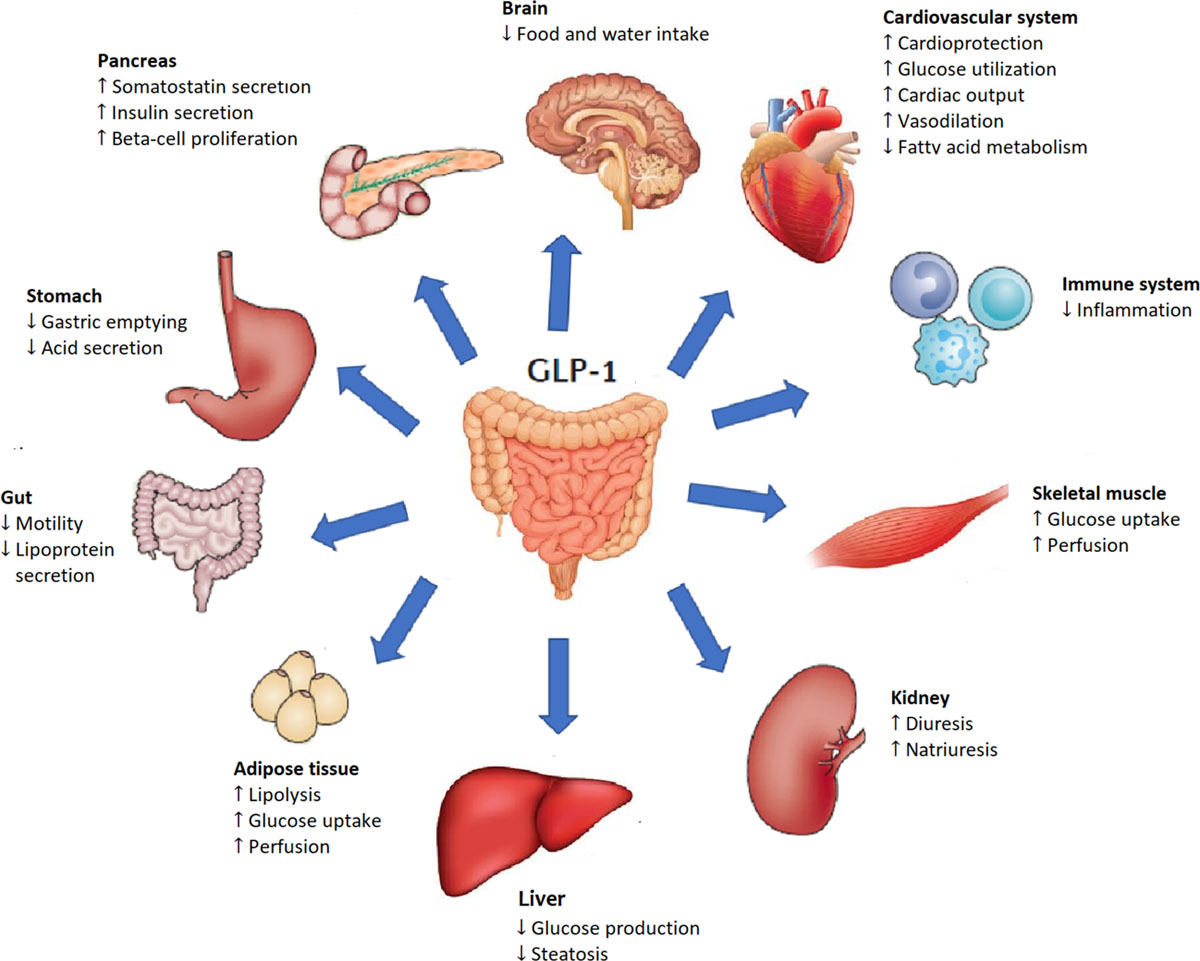
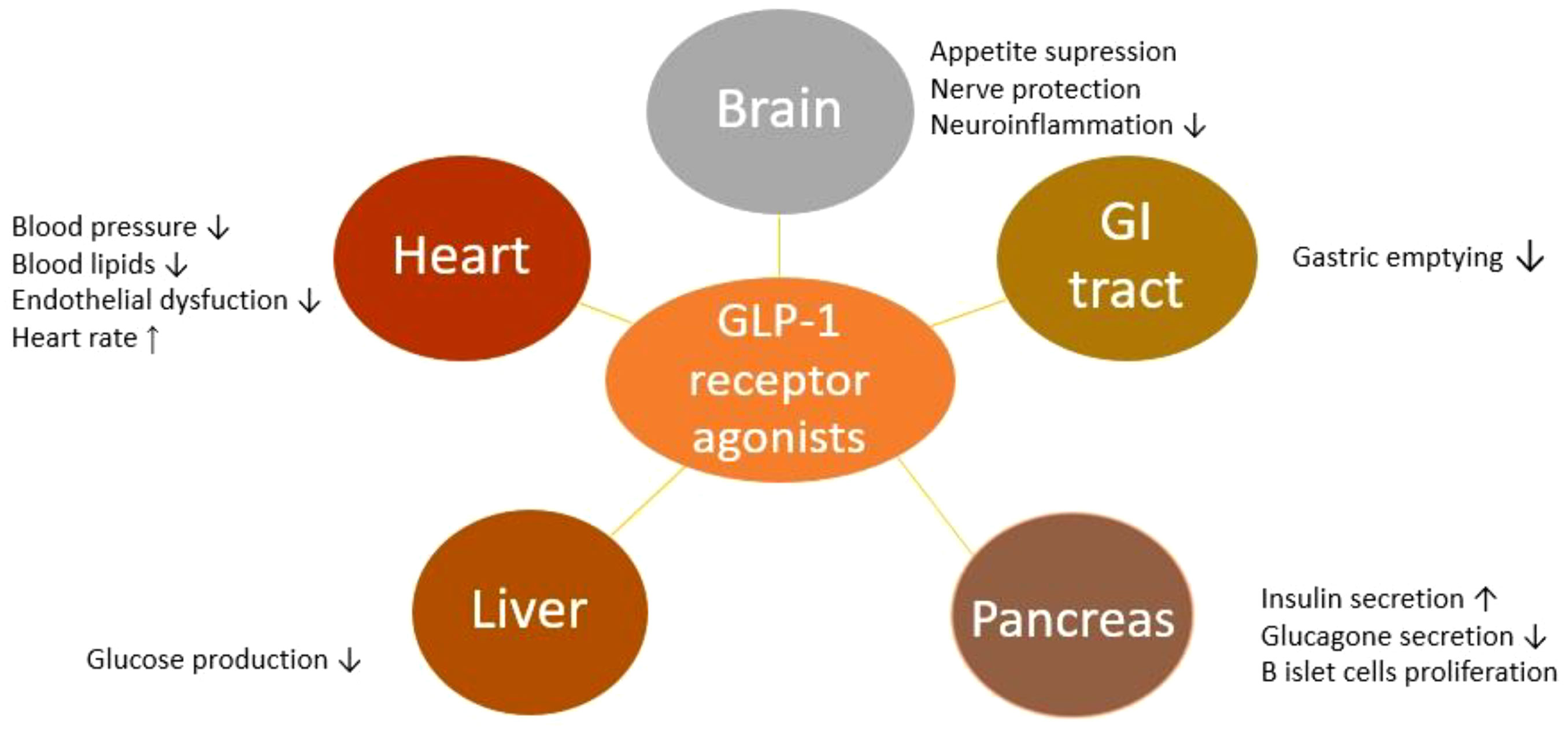
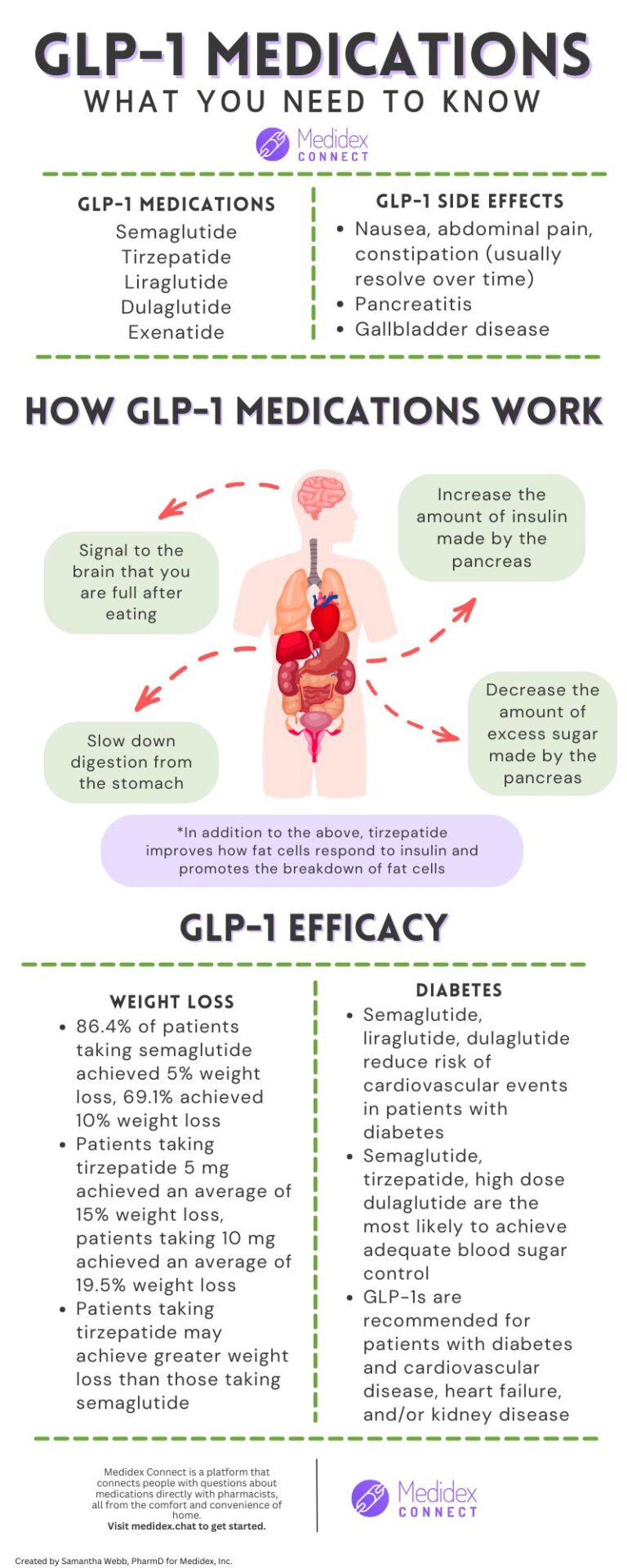
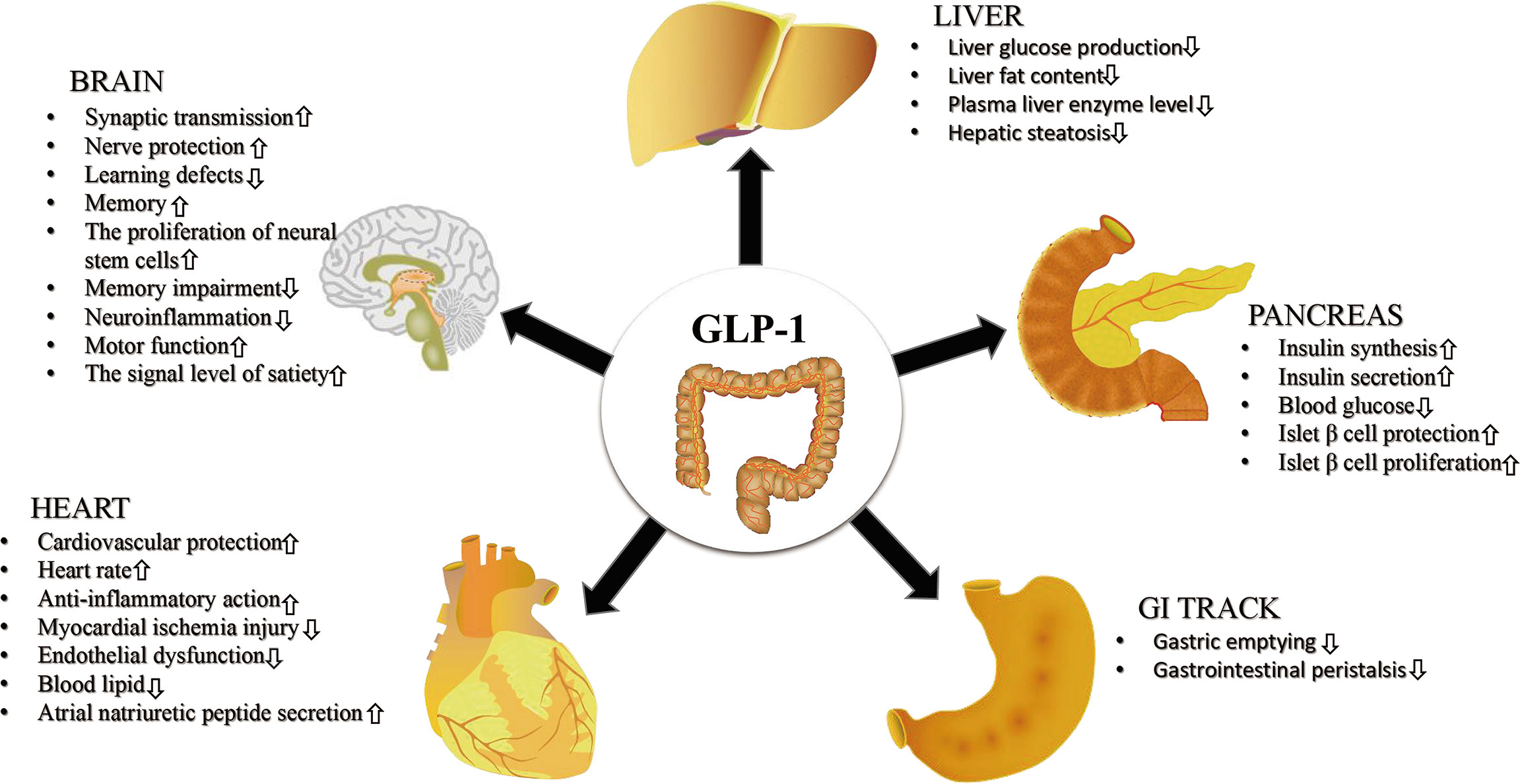
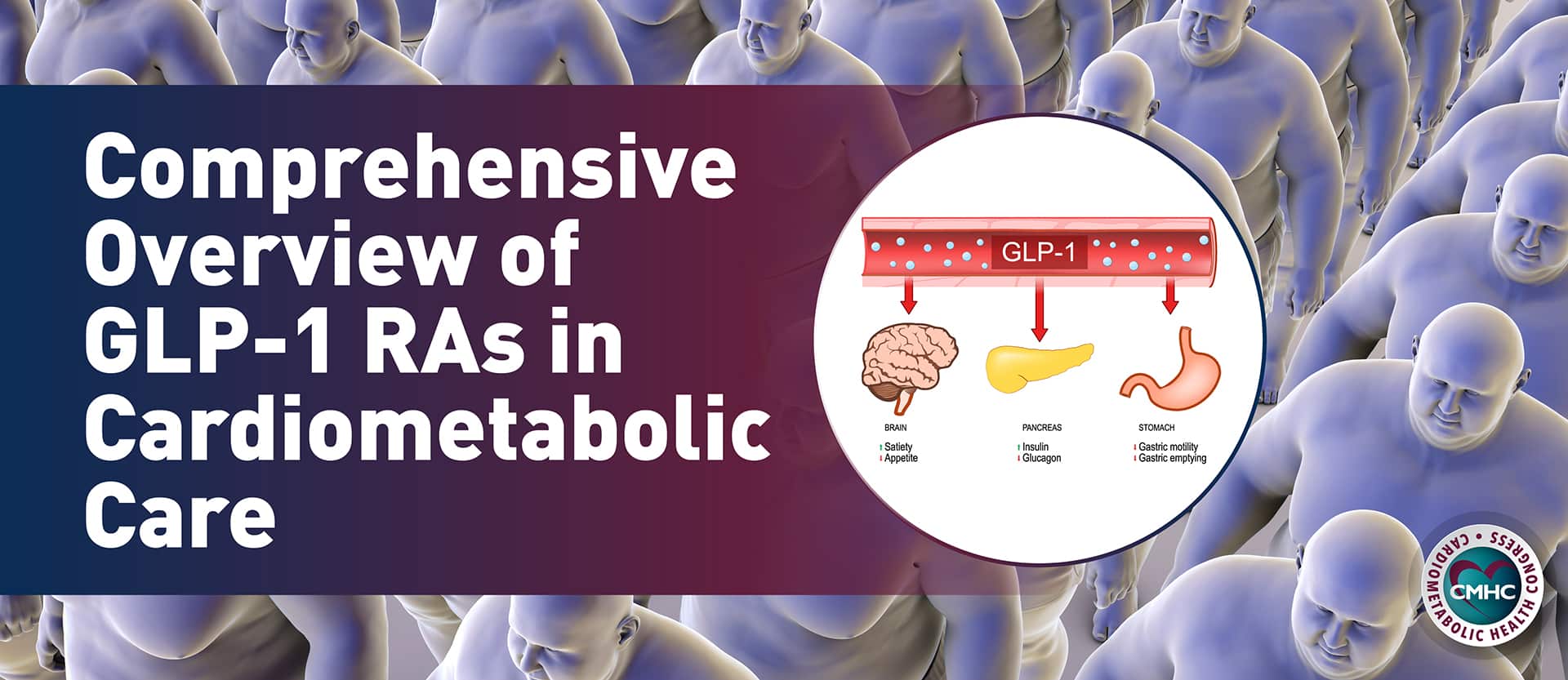
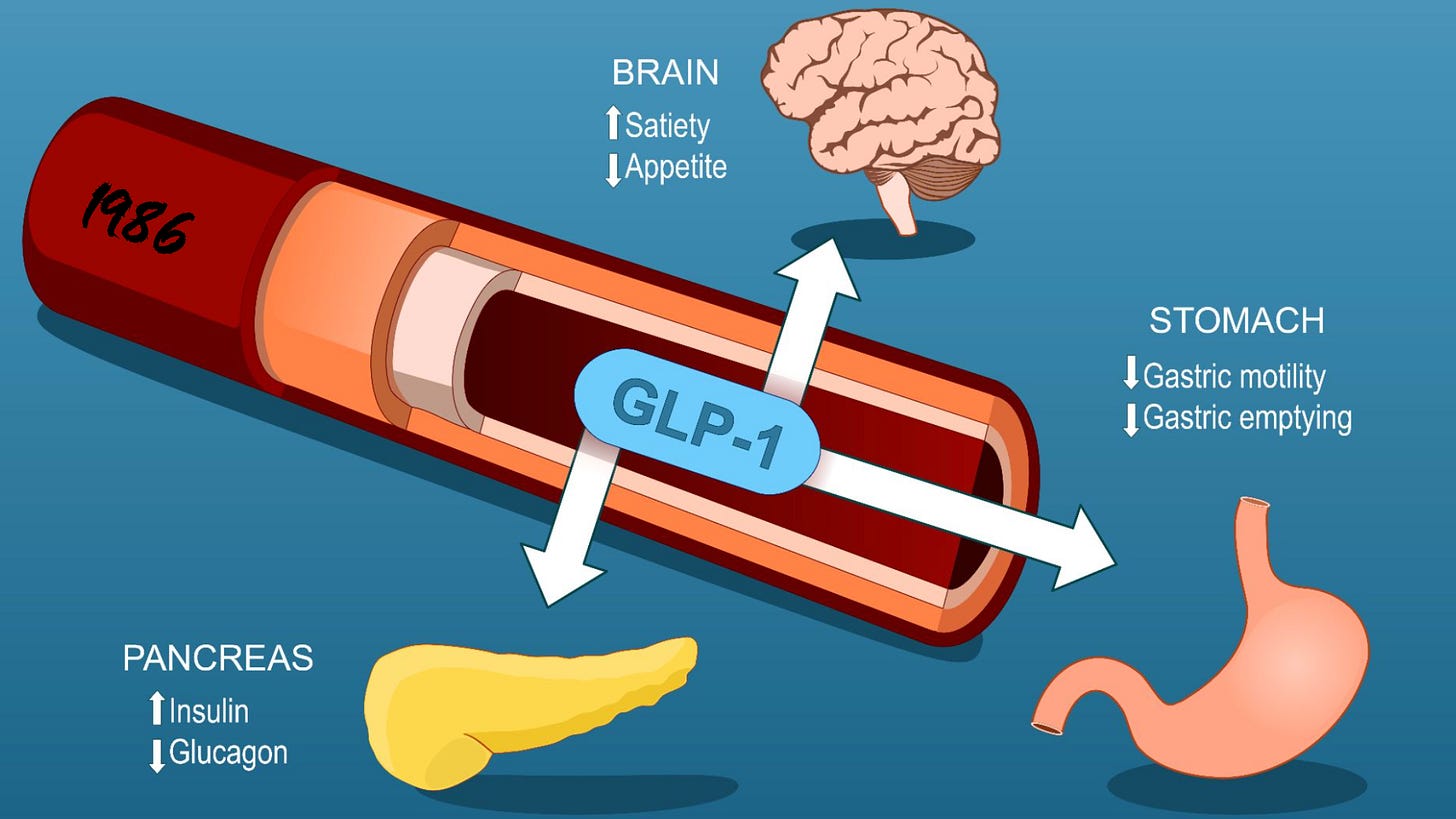
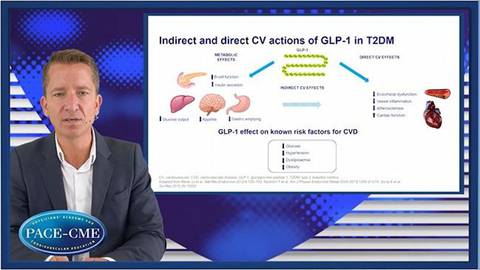
GLP-1 receptor agonists are a class of medications that mimic the action of the natural hormone GLP-1, which is released from the intestines in response to food intake. By binding to GLP-1 receptors, these agonists enhance glucose-dependent insulin secretion, suppress glucagon secretion, and slow gastric emptying. This ensures better blood sugar control and weight management, reducing the risk of cardiovascular disease.

Cardiovascular Benefits of GLP-1 Agonists
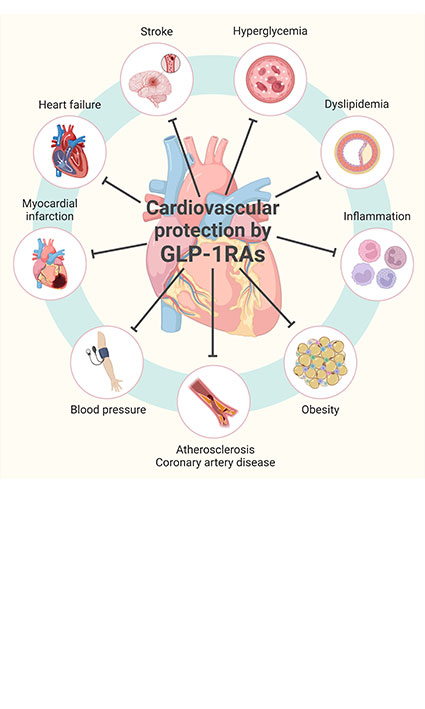
Studies have consistently shown that GLP-1 agonists offer cardiovascular benefits beyond glycemic control. By improving insulin sensitivity, reducing blood pressure, and slowing the progression of atherosclerosis, GLP-1 agonists have been shown to lower the risk of major cardiovascular events, including heart attacks and strokes. The benefits of GLP-1 agonists extend to patients with type 2 diabetes, as well as those with obesity and other metabolic disorders.
- Improved insulin sensitivity and glucose metabolism
- Reduced blood pressure and inflammation
- Slowed progression of atherosclerosis
- Lowered triglycerides and non-HDL cholesterol levels
- Enhanced vascular function and endothelial health
GLP-1 agonists offer a multifaceted approach to cardiovascular disease prevention, addressing various risk factors simultaneously. In addition to their glycemicrotective effects, they have been shown to improve:
- Weight management and metabolic health
- Cardiovascular function and endothelial health
- HaEMostasis and blood flow regulation
- Vascular inflammation and oxidative stress
Recent studies have highlighted the potential benefits of GLP-1 agonists in cardiovascular disease prevention, with some trials demonstrating significant reductions in major cardiovascular events and kidney disease progression. However, there are concerns regarding the safety and efficacy of GLP-1 agonists in certain populations, such as those with type 1 diabetes or impaired renal function.
Researchers continue to investigate the cardioprotective effects of GLP-1 agonists, with ongoing clinical trials exploring their effectiveness in treating various cardiovascular conditions. These studies aim to clarify the benefits and limitations of GLP-1 agonists, ultimately providing a more comprehensive understanding of their role in cardiovascular disease prevention.