Sitting Posture Correction: A Guide to Improving Your Comfort and Productivity
Sitting for 8-9 hours a day can be a recipe for low back pain. However, with proper sitting posture, you can do your work pain-free. In this article, we will explore the importance of sitting posture correction and provide actionable steps to fix common posture mistakes.
Why is Sitting Posture Important?
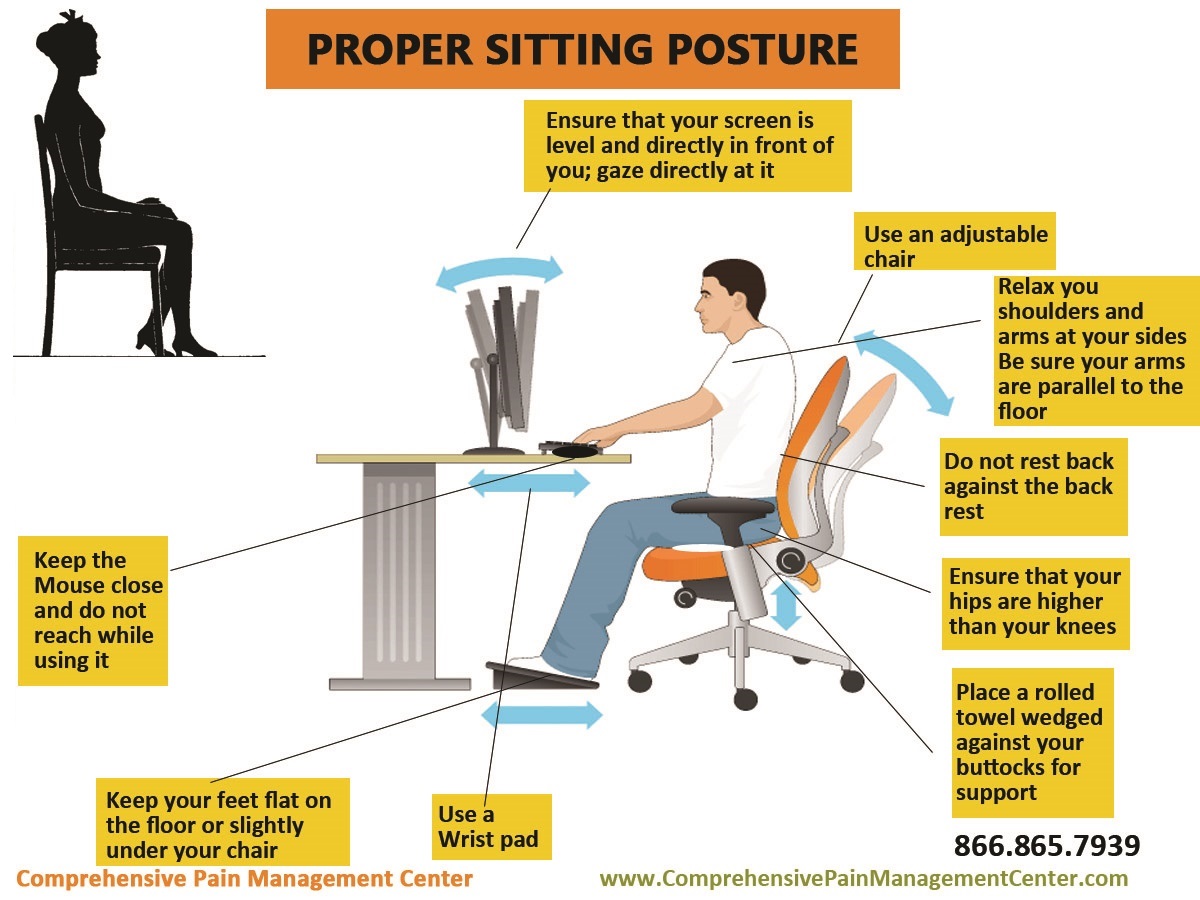
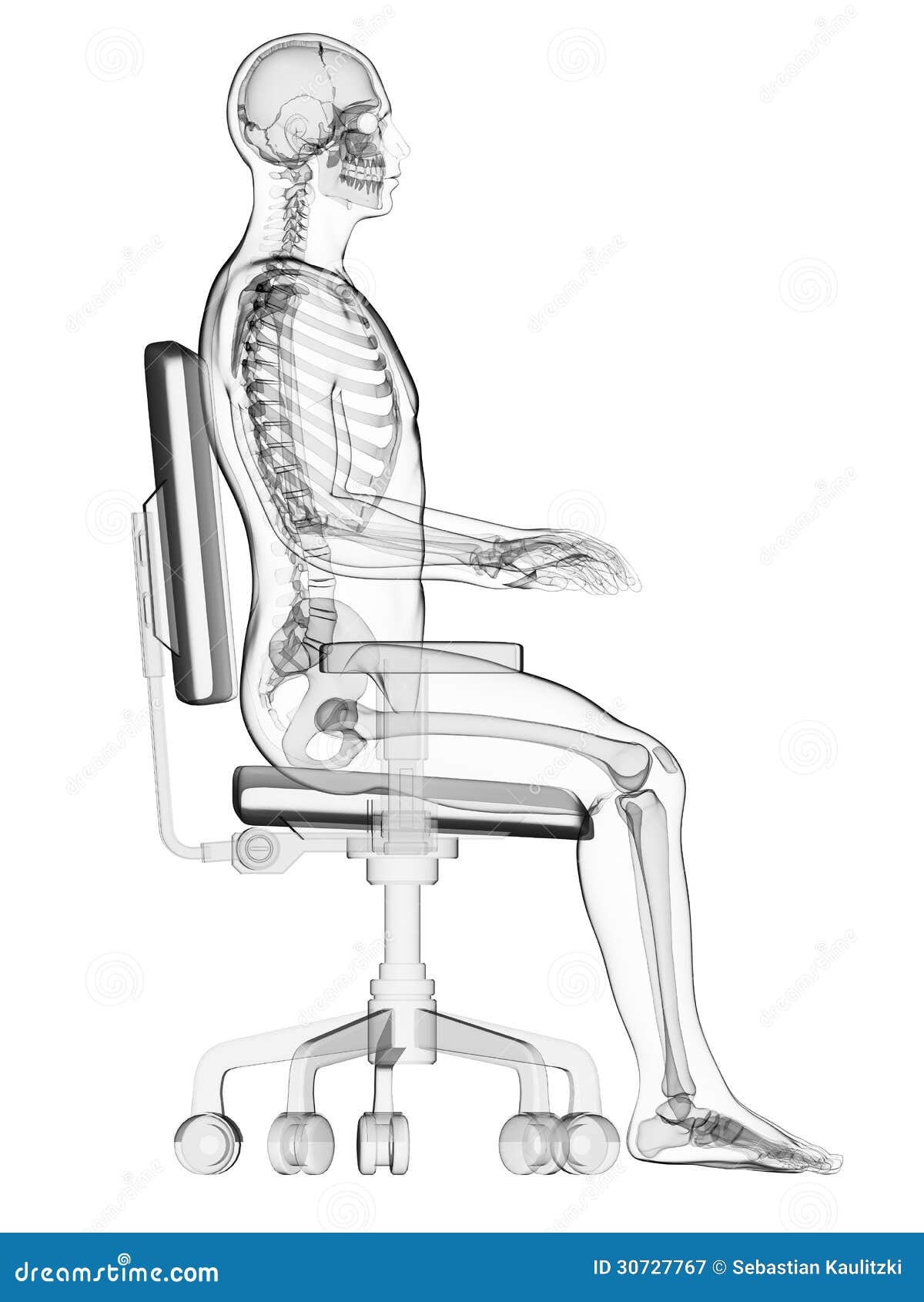
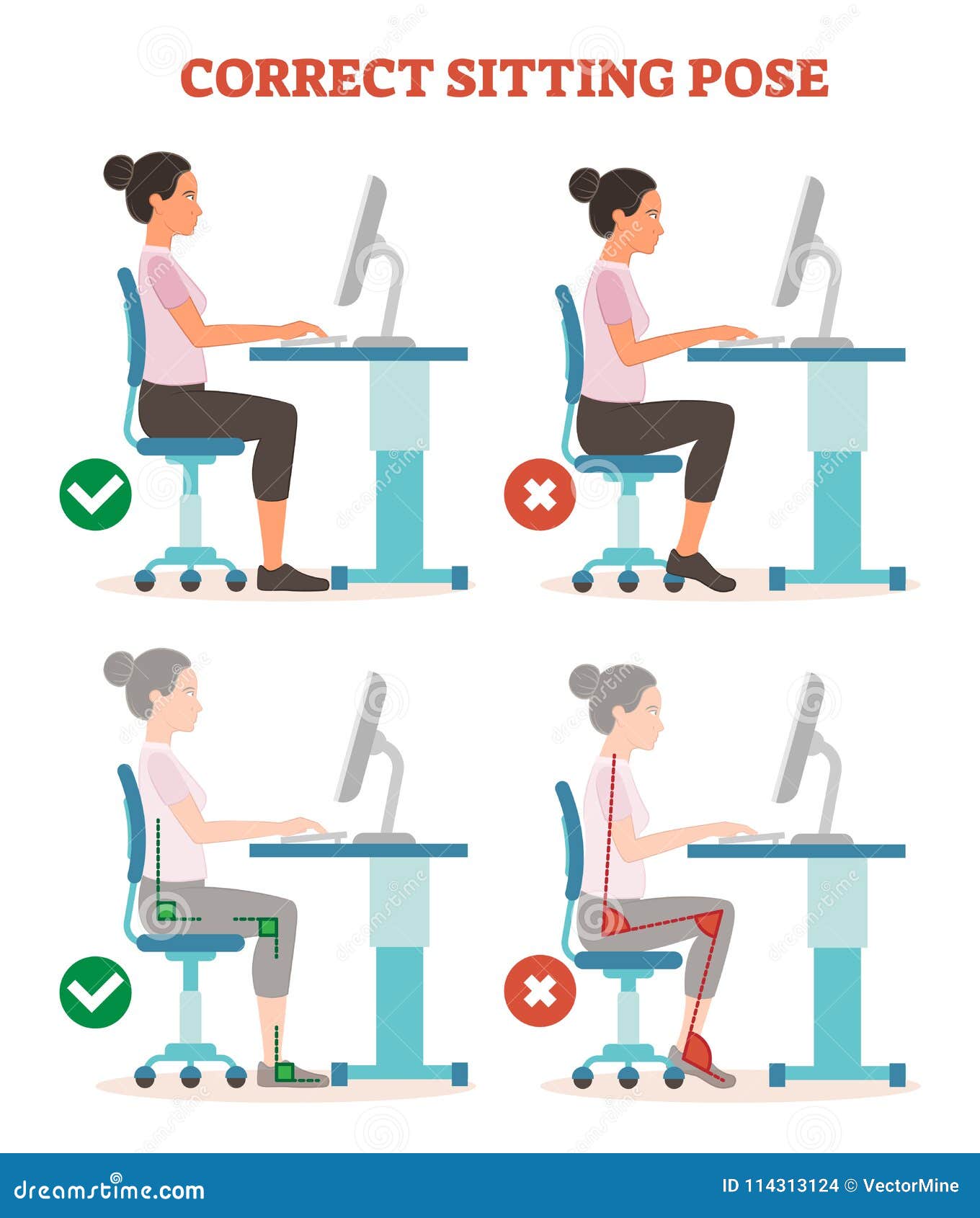
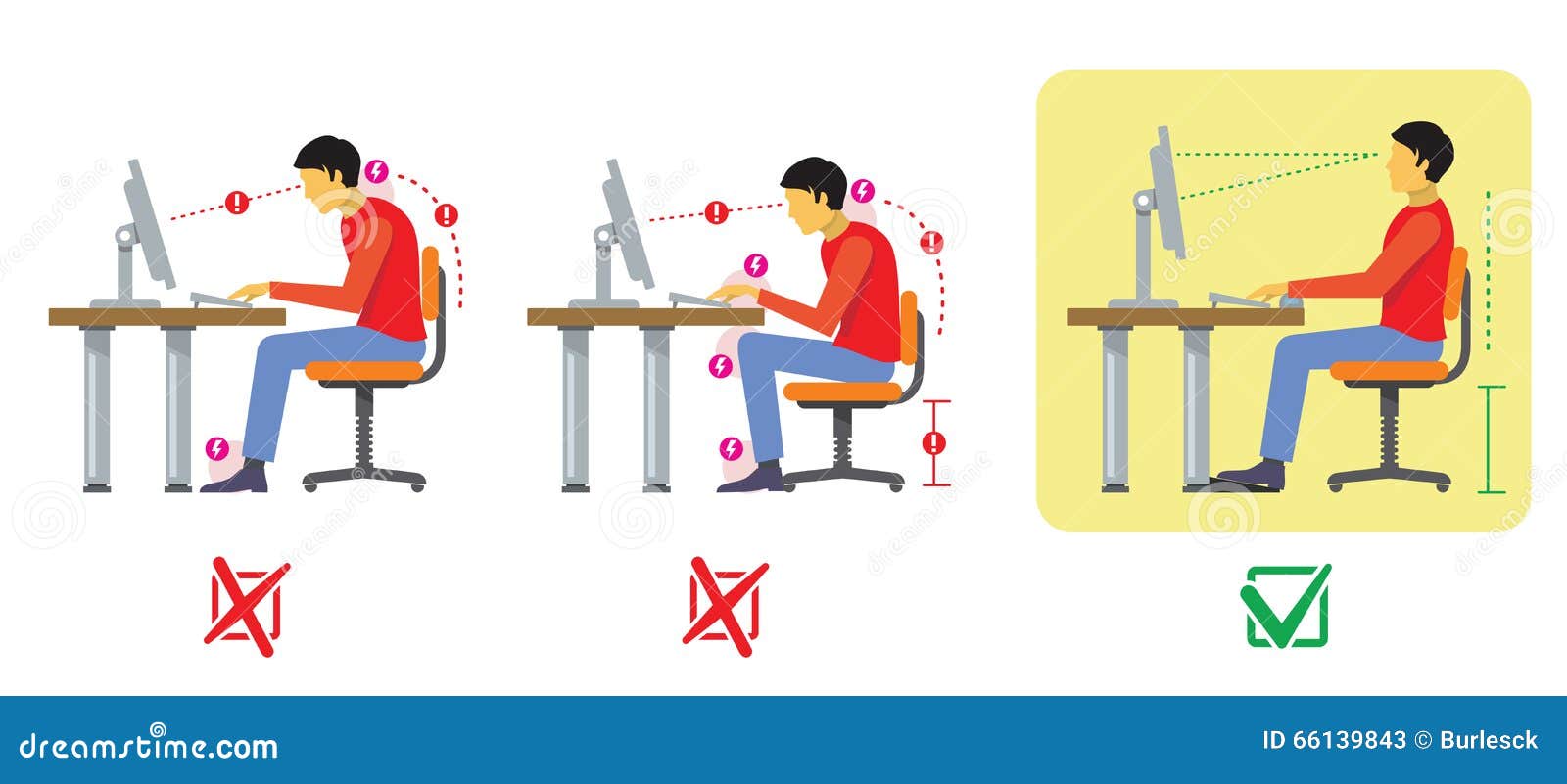
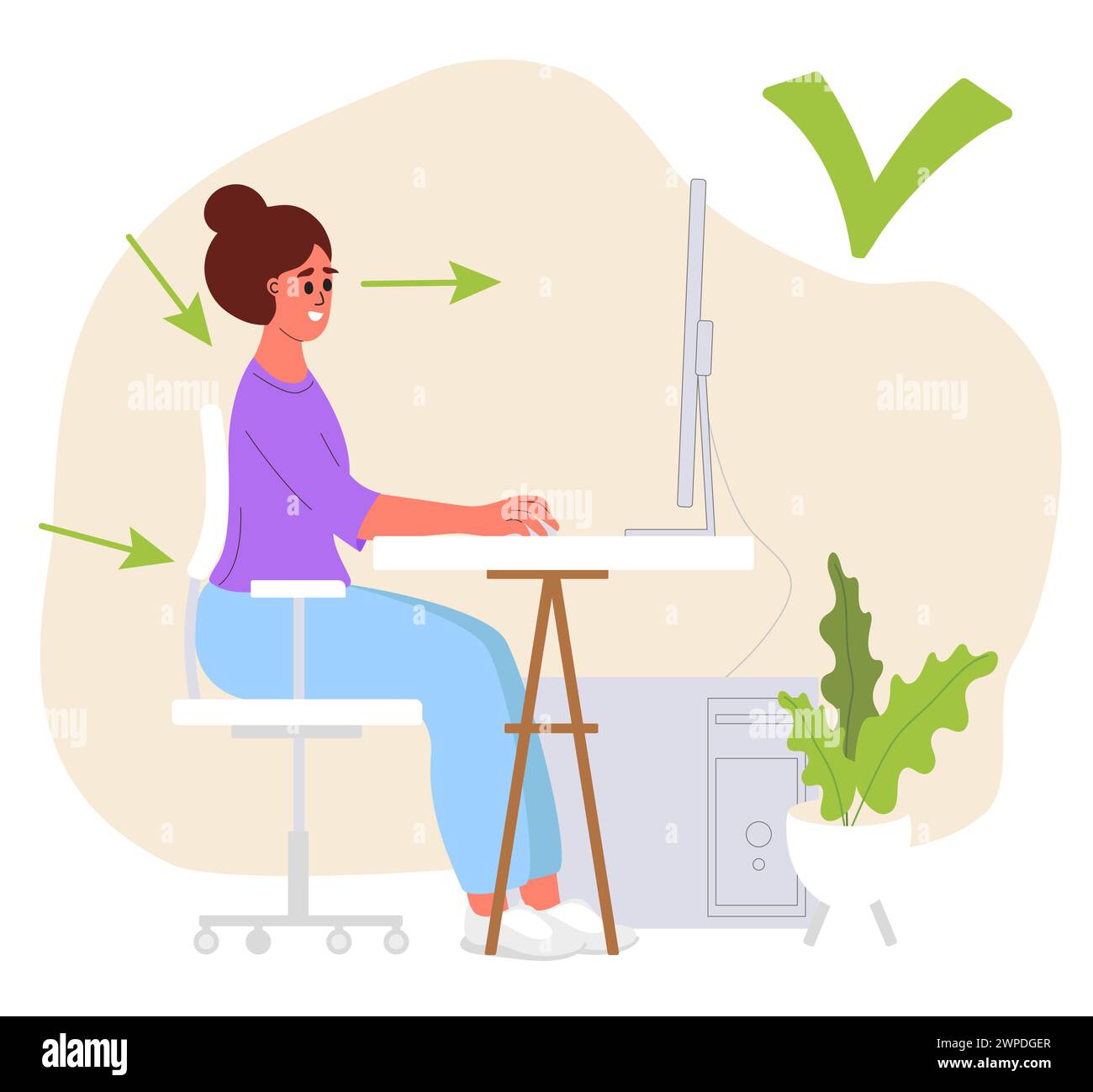
Proper sitting posture involves maintaining a straight back, with shoulders relaxed and feet flat on the floor. When you slouch or hunch your body, you put unnecessary strain on your muscles, which can lead to backaches and neck stiffness. Additionally, poor posture can lead to fatigue, decreased productivity, and a range of other health problems.
7 Common Posture Mistakes and How to Fix Them
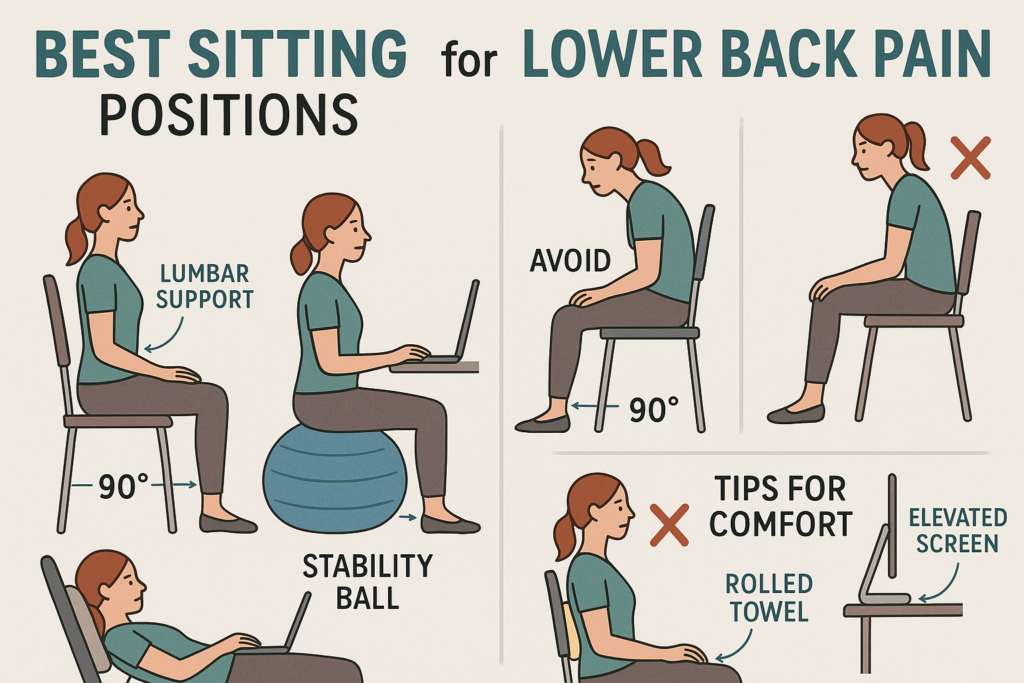
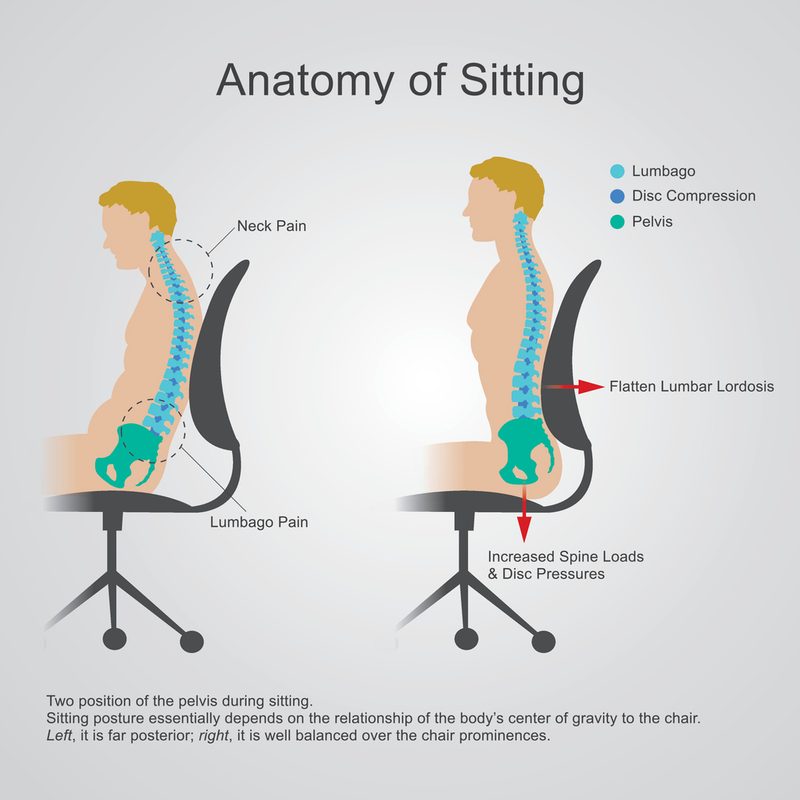
- 1. Slouching: Slouching puts strain on your lower back, which can lead to back pain and discomfort. To fix this, sit up straight with your shoulders relaxed and feet flat on the floor.
- 2. Crossing Your Legs: Crossing your legs can cause your pelvis to tilt forward, leading to lower back pain. Instead, sit with your legs straight out in front of you or slightly crossed at the ankles.
- 3. Hunching Over: Hunching over can put strain on your neck and shoulders. To fix this, sit with your shoulders relaxed and feet flat on the floor, with your weight evenly distributed on both hips.
- 4. Sinking Too Deep: Sinking too deep into your chair can cause your pelvis to tilt forward, leading to lower back pain. Instead, sit with your feet flat on the floor or a footrest, and adjust your chair height to support your lower back.
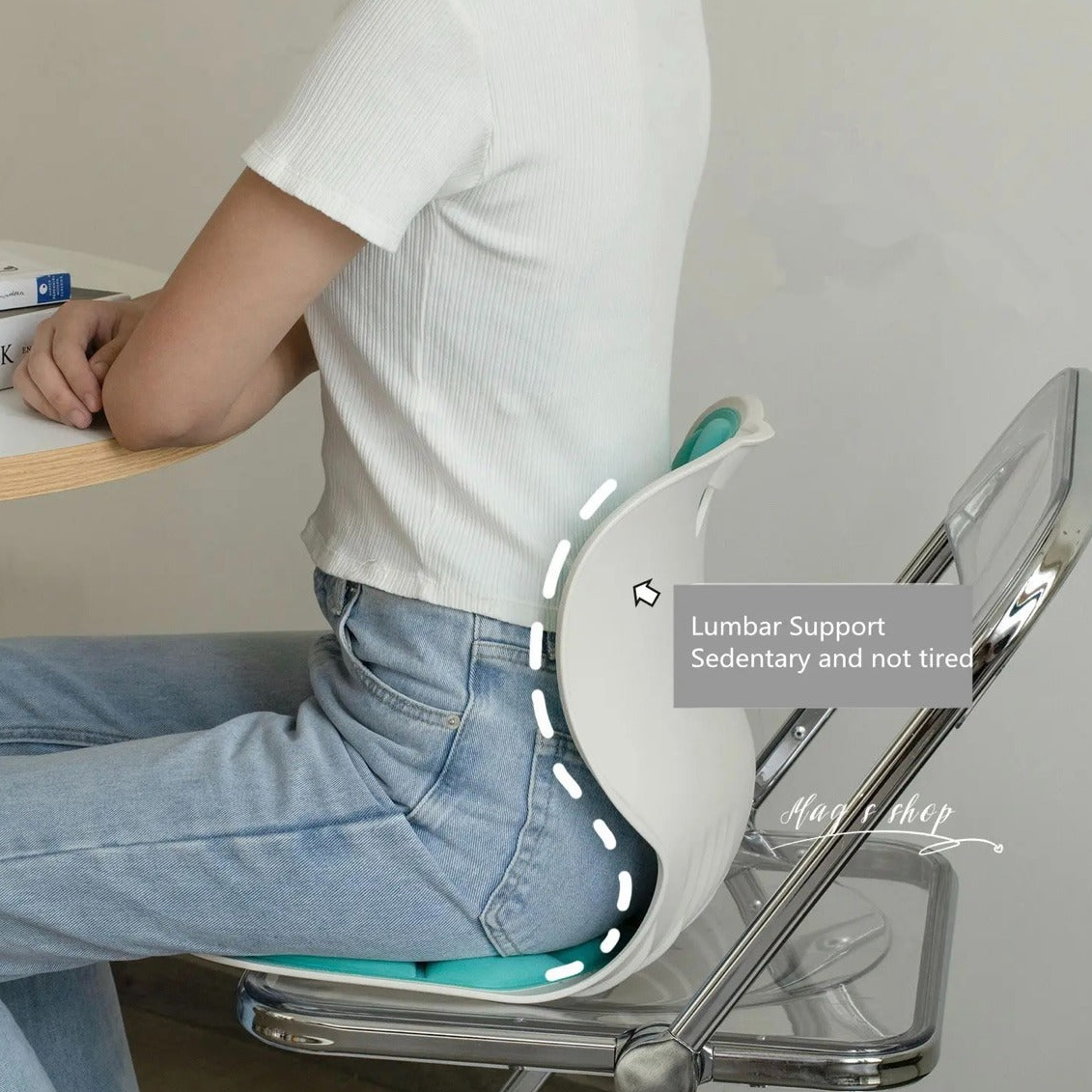
- 5. Not Using a Back Support: Not using a back support can cause your back to arch, leading to strain on your muscles. To fix this, use a back support or lumbar roll to maintain the natural curve of your spine.
- 6. Working in a Poor Position: Working in a poor position can cause strain on your neck and shoulders. To fix this, position your computer and other equipment to promote good posture.
- 7. Not Taking Breaks: Not taking breaks can cause muscle fatigue, leading to poor posture. To fix this, take regular breaks to stand up, stretch, and move around.
How to Improve Your Sitting Posture
Improving your sitting posture takes a little work and patience, but it's well worth it. Here are some easy strategies to check and correct your posture:
- 1. Check Your Posture: Regularly check your posture throughout the day, making adjustments as needed.
- 2. Use a Back Support: Use a back support or lumbar roll to maintain the natural curve of your spine.
- 3. Exercise Regularly: Regular exercise can help strengthen your back and improve your posture.
- 4. Take Breaks: Take regular breaks to stand up, stretch, and move around.
- 5. Consider a Posture Corrector: Consider using a posture corrector to help improve your posture and reduce back pain.
Conclusion
Good posture is essential for comfort and productivity. By identifying and fixing common posture mistakes, you can reduce back pain, improve your mood, and increase your energy levels. Remember to check and correct your posture regularly, exercise regularly, and take breaks to maintain good posture. With a little work and patience, you can achieve good posture and a pain-free workday.
Recommendations for Posture Correctors
When choosing a posture corrector, look for one that is comfortable, supportive, and provides feedback on your posture. Some popular options include:
- Back Braces: Back braces can provide support and stability for your back, helping to improve your posture.
- Posture Correcting Belts: Posture correcting belts can provide gentle reminders to maintain good posture, while also providing support for your back.
- Biofeedback Sensors: Biofeedback sensors can provide real-time feedback on your posture, helping you to identify and correct poor posture habits.