Single Panned Energy Efficiency: A Comprehensive Guide
When it comes to maintaining a comfortable and energy-efficient home, the importance of windows cannot be overstated. Single-paned energy efficiency has long been a major issue for homeowners, leading to higher utility bills and discomfort. In this article, we'll delve into the world of single-paned energy efficiency, exploring its pros and cons, and providing you with actionable tips to improve your home's energy efficiency.
Why Single-Paned Windows Fall Short
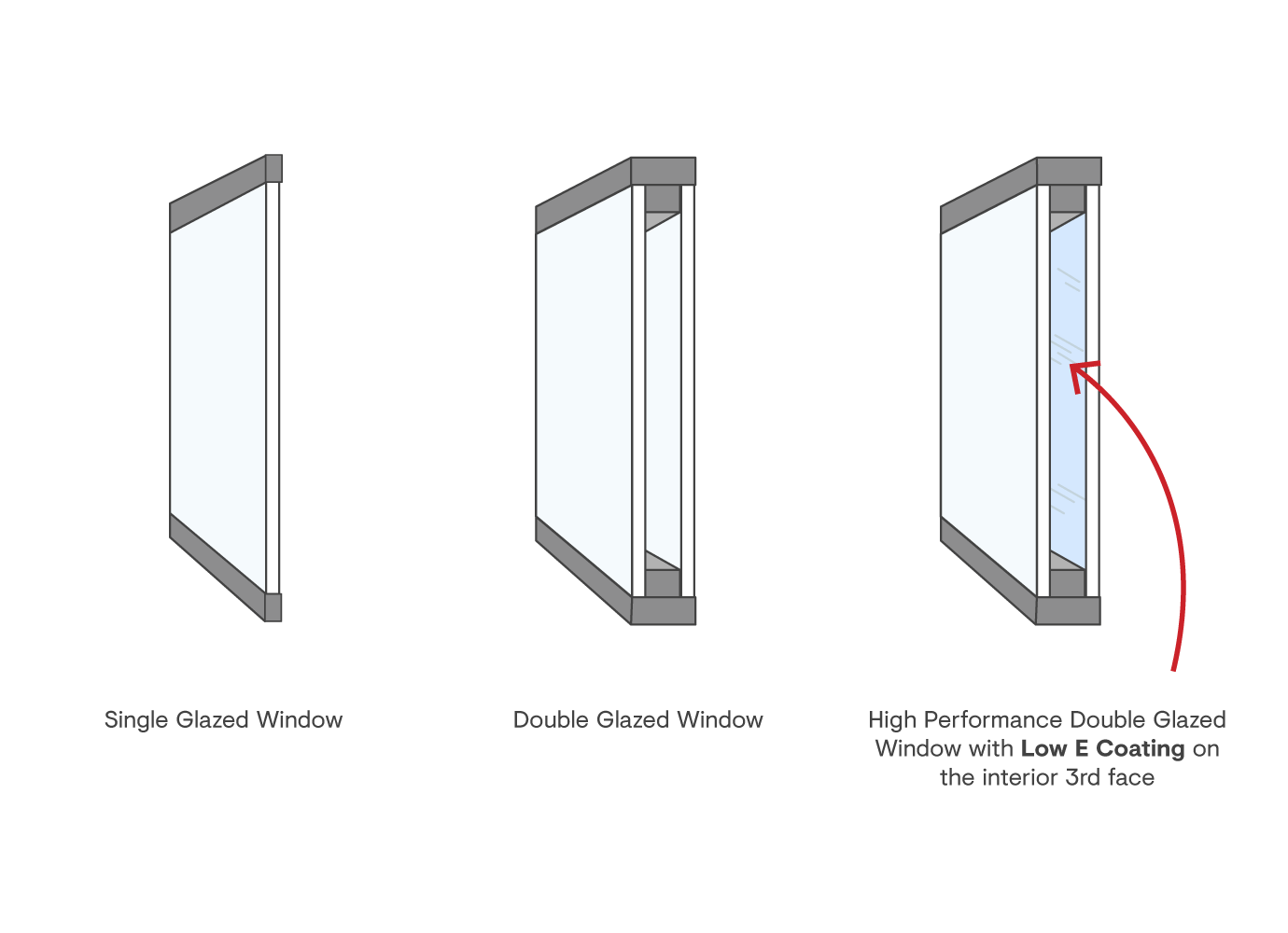
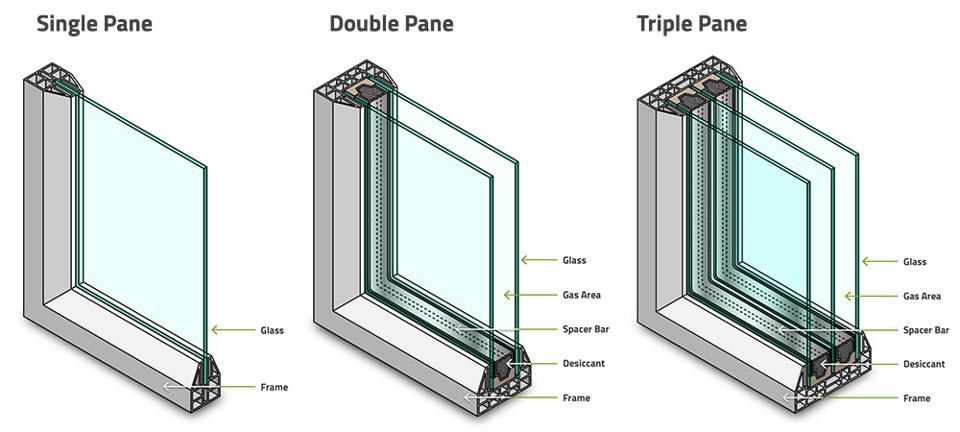
Single-glass pane windows were once the norm, but they have since become a thing of the past. These windows were often made with non-insulated frames and had a single layer of glass, which allowed heat to escape and enter the home freely. This led to higher energy bills, as the home's heating and cooling systems worked harder to compensate for the loss of heat.
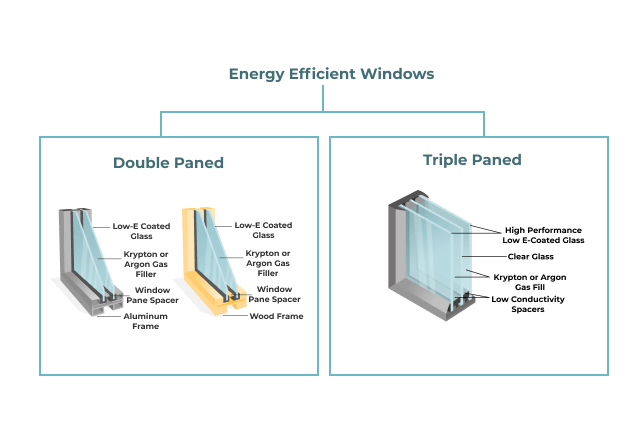
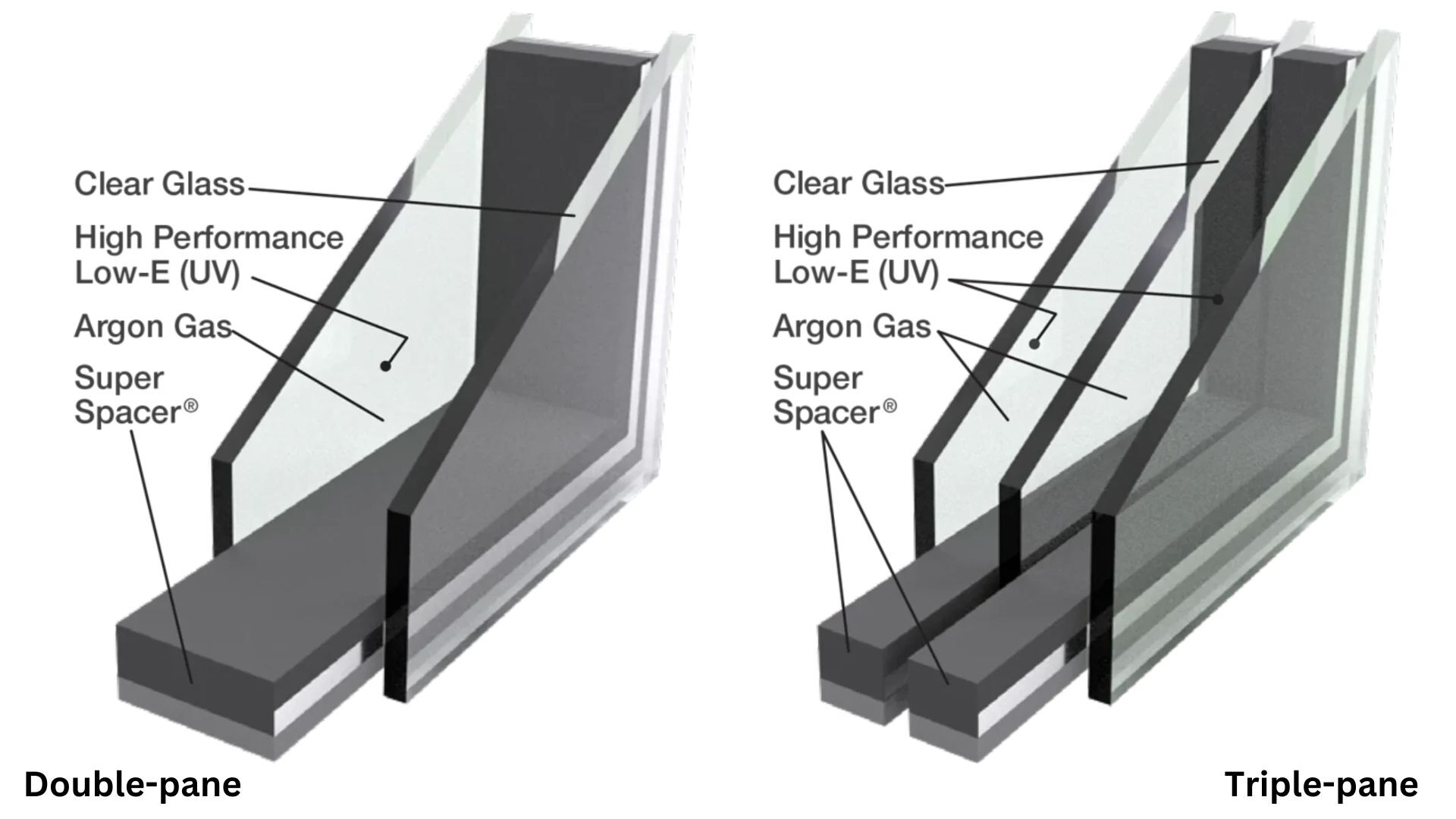
However, with advances in technology, we now have more energy-efficient options available. Double-pane and triple-pane windows offer superior insulation, keeping your home warmer in the winter and cooler in the summer. But what if you can't afford to replace your old single-paned windows entirely? Don't worry; there are still ways to improve single-paned energy efficiency and reduce your energy bills.
Benefits of Upgrading Single-Paned Windows
Upgrading to double-pane or triple-pane windows can have a significant impact on your home's energy efficiency. Some of the benefits include:
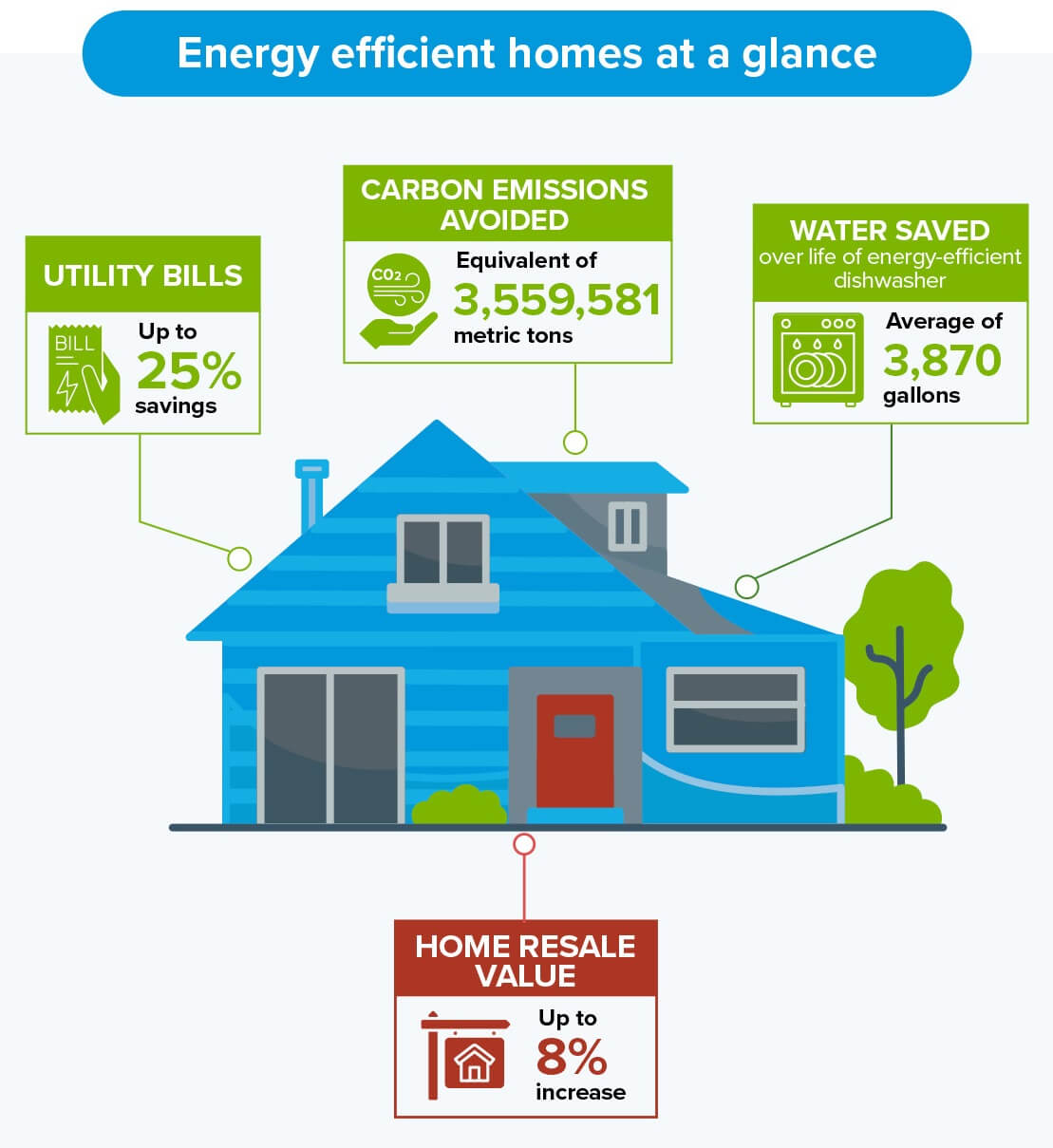
- Reduced energy bills: By keeping your home warmer in the winter and cooler in the summer, you'll need to use your heating and cooling systems less, resulting in lower energy bills.
- Increased comfort: With double-pane or triple-pane windows, you'll enjoy a more consistent indoor temperature, making your home feel cozier and more comfortable.
- Less noise pollution: Double-pane and triple-pane windows also offer improved soundproofing, reducing the amount of outside noise that enters your home.
Inexpensive Ways to Improve Single-Paned Energy Efficiency
Before considering a full replacement, here are some inexpensive ways to improve single-paned energy efficiency:
- Caulk and weatherstrip: Seal any gaps or cracks in your windows with caulk or weatherstripping to prevent air leaks and reduce heat loss.
- Window inserts: Consider installing window inserts, which fit over your existing windows and provide additional insulation.
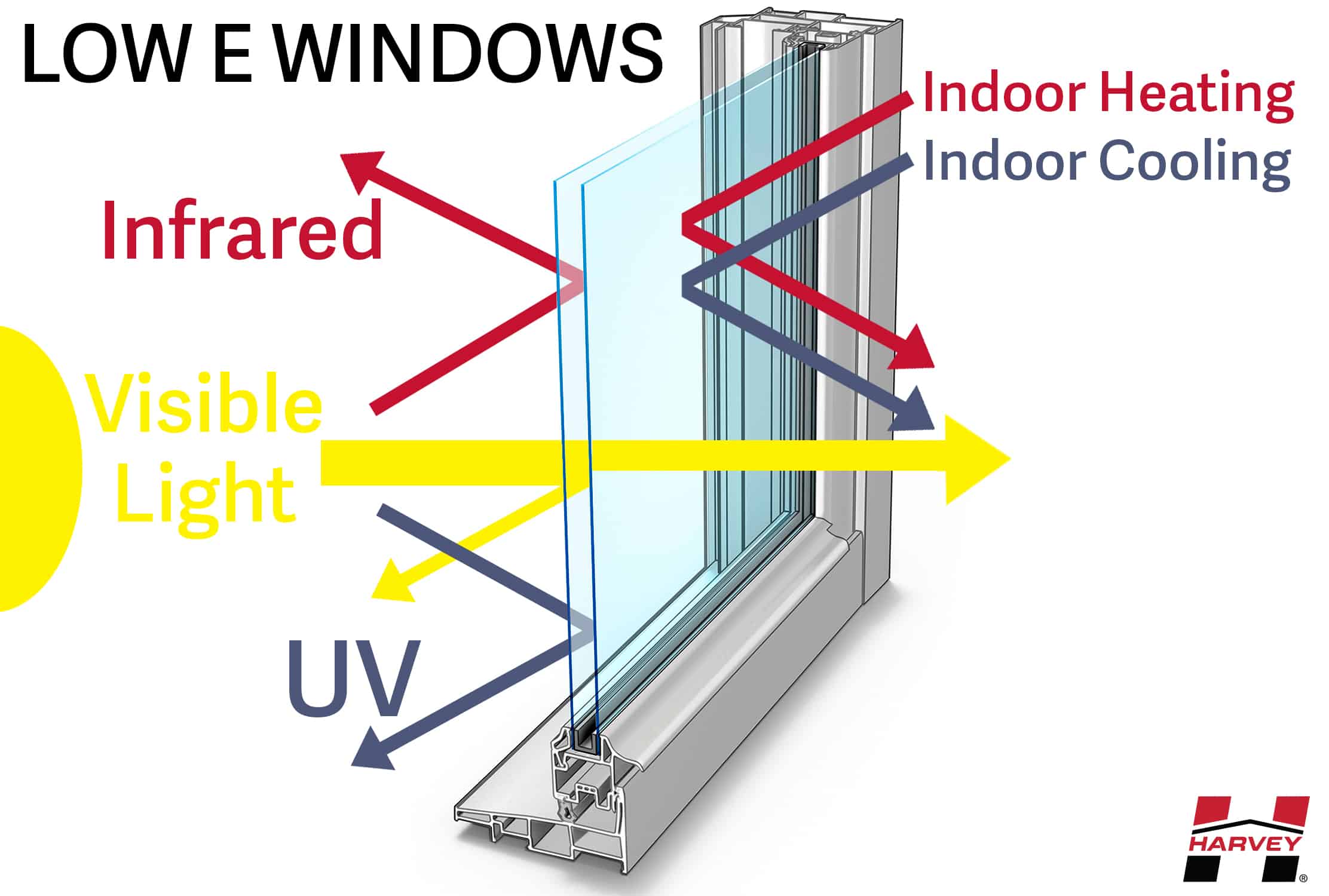
- Low-e coatings: Apply low-e coatings to your windows to reduce heat transfer and improve energy efficiency.
What to Consider When Choosing Energy-Efficient Windows
When selecting energy-efficient windows, there are several factors to consider:
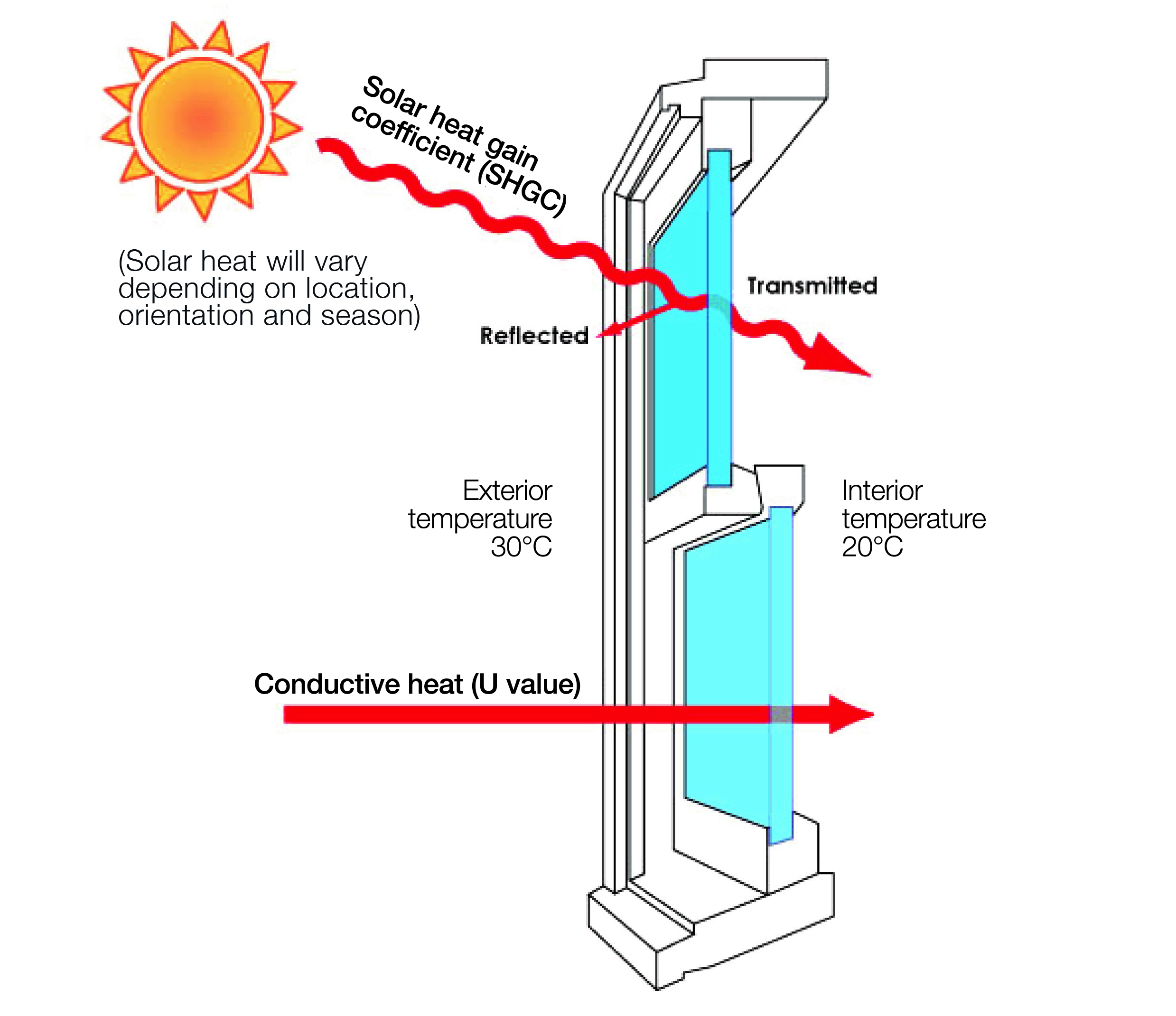
- U-factor: Look for windows with a low U-factor (a measure of heat transfer) to ensure energy efficiency.
- Solar heat gain coefficient (SHGC): Choose windows with a low SHGC to reduce summer cooling costs.
- Air leakage: Select windows with a low air leakage rating to minimize heat loss.
Conclusion
Upgrading to double-pane or triple-pane windows can have a significant impact on your home's energy efficiency, but it's not the only solution. By applying inexpensive fixes and considering energy-efficient window options, you can improve single-paned energy efficiency and reduce your energy bills. Remember, every little bit counts, and making small changes now can lead to significant savings in the long run.