Septic Tank Backup Prevention: A Comprehensive Guide
A septic system backup is one of the most unpleasant and disruptive problems a homeowner can experience. Slow drains, gurgling sounds in the plumbing, or unpleasant odors around the septic tank or drain field are not just inconvenient, they are warning signs of a system under stress. Understanding why septic tank backups occur and how to prevent them can save you from costly repairs and serious health concerns.
Causes of Septic Tank Backups
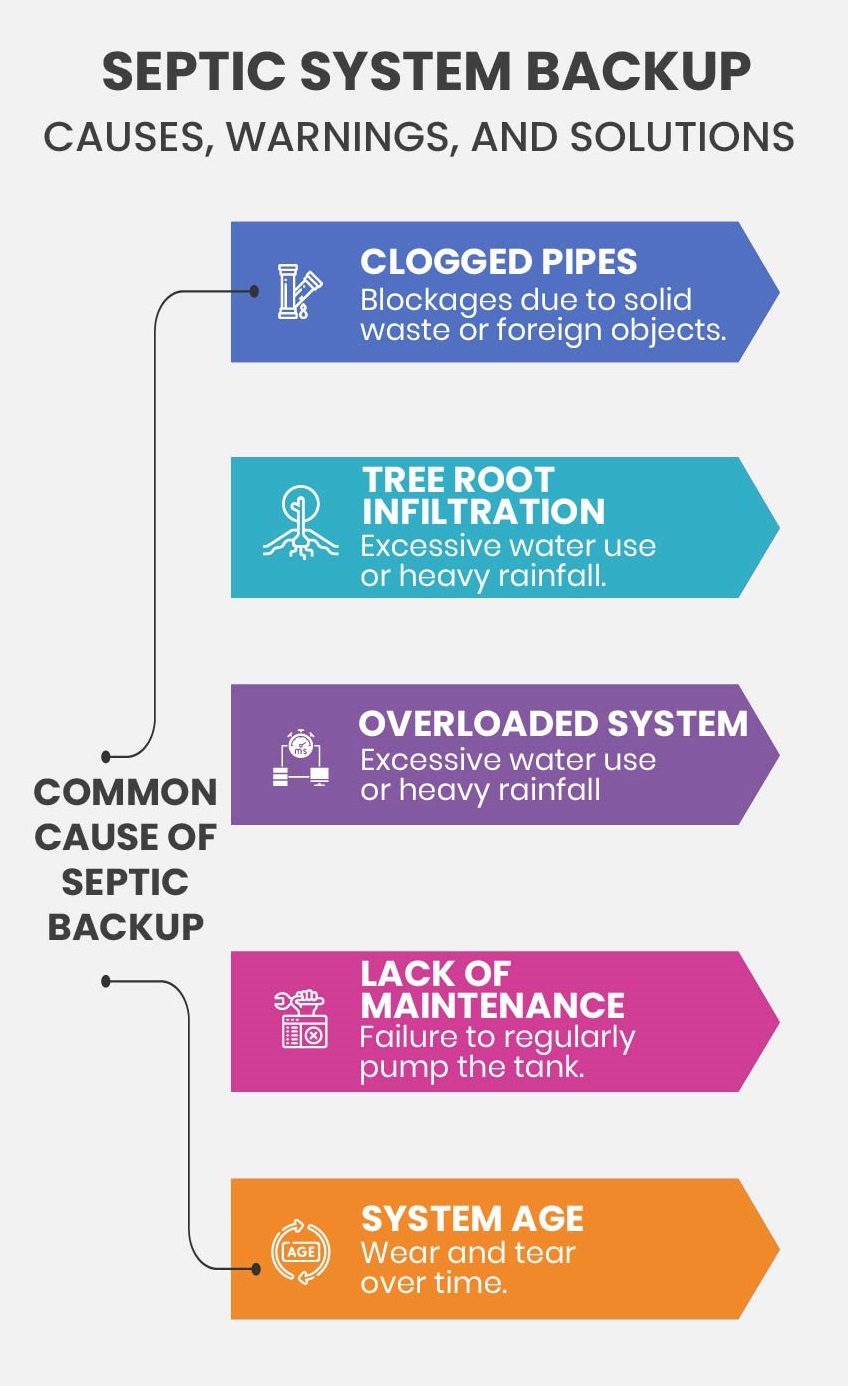
Septic tank backups occur when the system becomes overloaded or clogs, causing the wastewater to back up into the home. The primary causes of septic tank backups include:
- Insufficient maintenance: Failure to pump the septic tank regularly, leading to a buildup of solids and scum.
- Excessive water usage: Running too many water-intensive appliances or having a large household can put excessive strain on the system.
- Clogged drainfield: Tree roots, soil compaction, or other issues can prevent wastewater from draining properly.
- Aged or poorly designed systems: Older systems or those with inadequate designs can easily become clogged or overwhelmed.
Prevention Methods
Preventative measures can go a long way in maintaining a healthy and functioning septic system. Regular septic tank pumping, mindful waste disposal, controlled water usage, and proactive maintenance prevent backups and avoid the need for costly emergency septic tank services.
Regular Septic Tank Pumping
Septic tanks should be pumped every two to three years, depending on usage, to help prevent problems with the filter or drain field. Doing so will ensure your septic system works properly and remains backup-free.
Proper Waste Disposal
Dispose of household waste responsibly by:
- Not flushing non-biodegradable items such as sanitary products, paper towels, or cigarette butts.
- Not pouring grease, oil, or chemicals down the drain.
- Not flushing excessive amounts of food waste or paper products.
Water Conservation
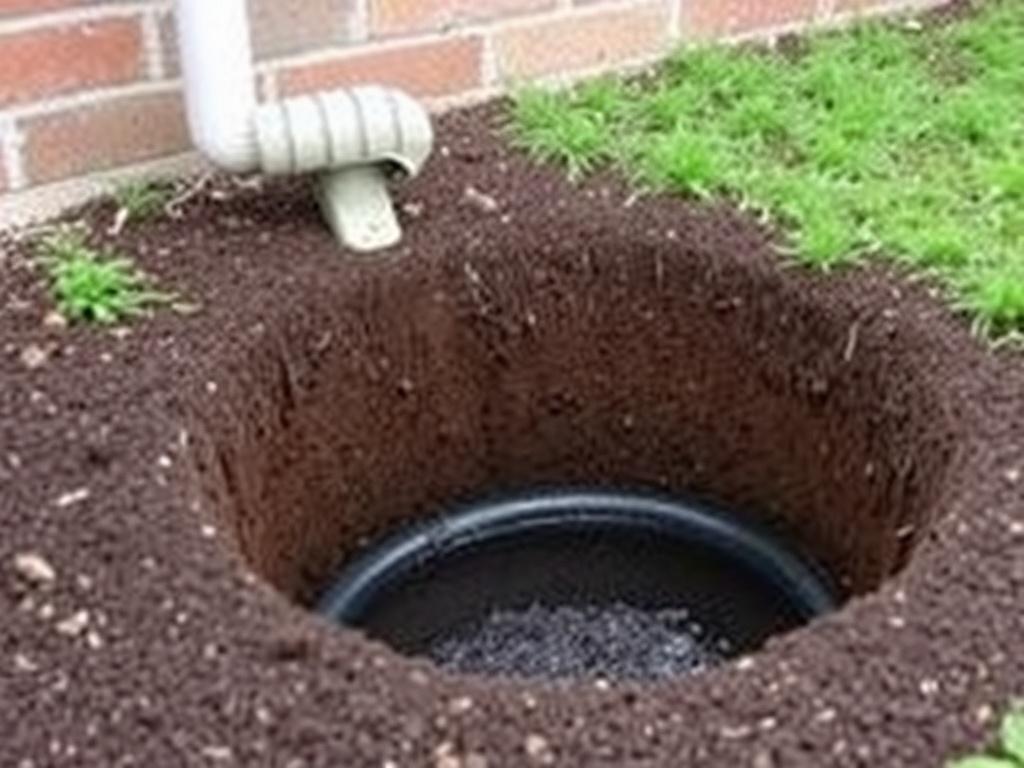
Water conservation is essential to prevent overloading the septic system. Use low-flow fixtures and appliances, and fix leaks promptly.
Proactive Maintenance
Stay on top of septic system maintenance by:
- Scheduling regular inspections and pumping.
- Monitoring water usage and adjusting accordingly.
- Keeping the drainfield clear of debris and vegetation.
- Ensuring proper ventilation and backflow prevention devices are installed.
Effective Solutions for Septic Tank Backups
Addressing septic tank backups quickly and effectively requires prompt action. Identify the cause and implement a solution:
- Pumping and inspection: Pumping the tank and inspecting the system for damage or blockages.
- Repairing or replacing the affected area: Fixing or replacing the damaged component or pipe.
- Regular maintenance: Ongoing inspections and maintenance to prevent future backups.
Preventing Septic System Backups: The Key to Peace of Mind
By understanding the causes of septic tank backups and implementing preventative measures, you can save time, money, and potential headaches in the long run. Invest in your septic system today to maintain a healthy and functioning septic system.
Conclusion
A well-maintained septic system is essential for a healthy and safe home environment. Regular pumping, proper waste disposal, water conservation, and proactive maintenance can prevent septic tank backups and avoid costly repairs. Plan ahead, stay informed, and take action today to maintain a backup-free septic system.