Reduce Stress and Anxiety for Better Focus
In today's fast-paced world, stress and anxiety have become an integral part of our lives. With the constant demands and expectations, it's easy to feel overwhelmed, and our ability to focus becomes compromised. However, did you know that there are various techniques and strategies that can help you reduce stress and anxiety, leading to better focus and improved overall well-being?
Cause and Effect of Stress and Anxiety
Stress and anxiety are often triggered by our thoughts, emotions, and physical environment. When we're under stress, our brain releases stress hormones like cortisol, which can impair our ability to focus, leading to decreased productivity, increased irritability, and a weakened immune system. Conversely, when we're anxious, we tend to ruminate on negative thoughts, making it challenging to concentrate and achieve our goals.
Mind-Body Techniques for Better Focus
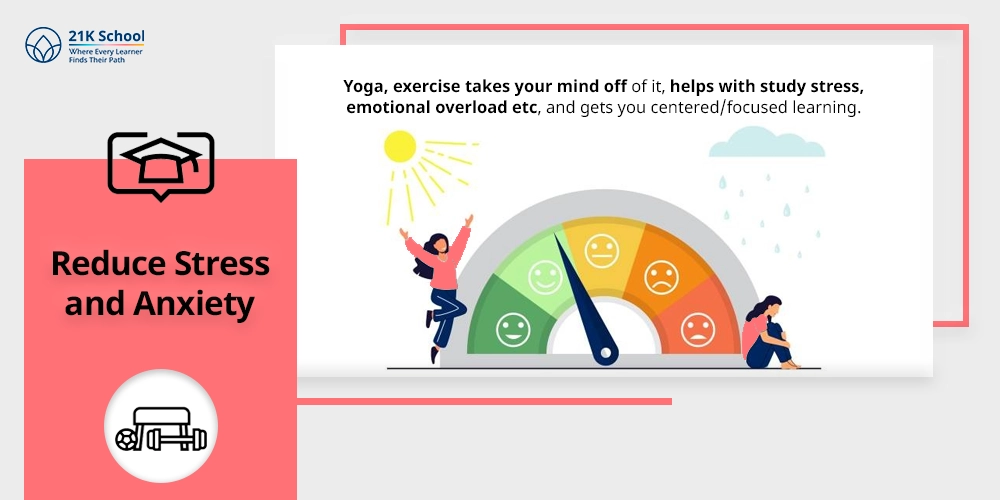
Beyond traditional stress-management techniques like meditation and yoga, there are numerous mind-body practices that can help you reduce stress and anxiety, leading to better focus. Qigong and Tai Chi, for instance, are ancient Chinese practices that combine slow movements, deep breathing, and meditation to promote relaxation, balance, and inner harmony. These practices can help reduce stress and anxiety by:
- Activating the parasympathetic nervous system, which counterbalances the sympathetic nervous system's fight-or-flight response.
- Stimulating the release of neurotransmitters like serotonin and endorphins, which improve mood and focus.
- Enhancing cognitive function and concentration through mindfulness and attention training.
The Relaxation Response: A Powerful Stress-Reduction Tool
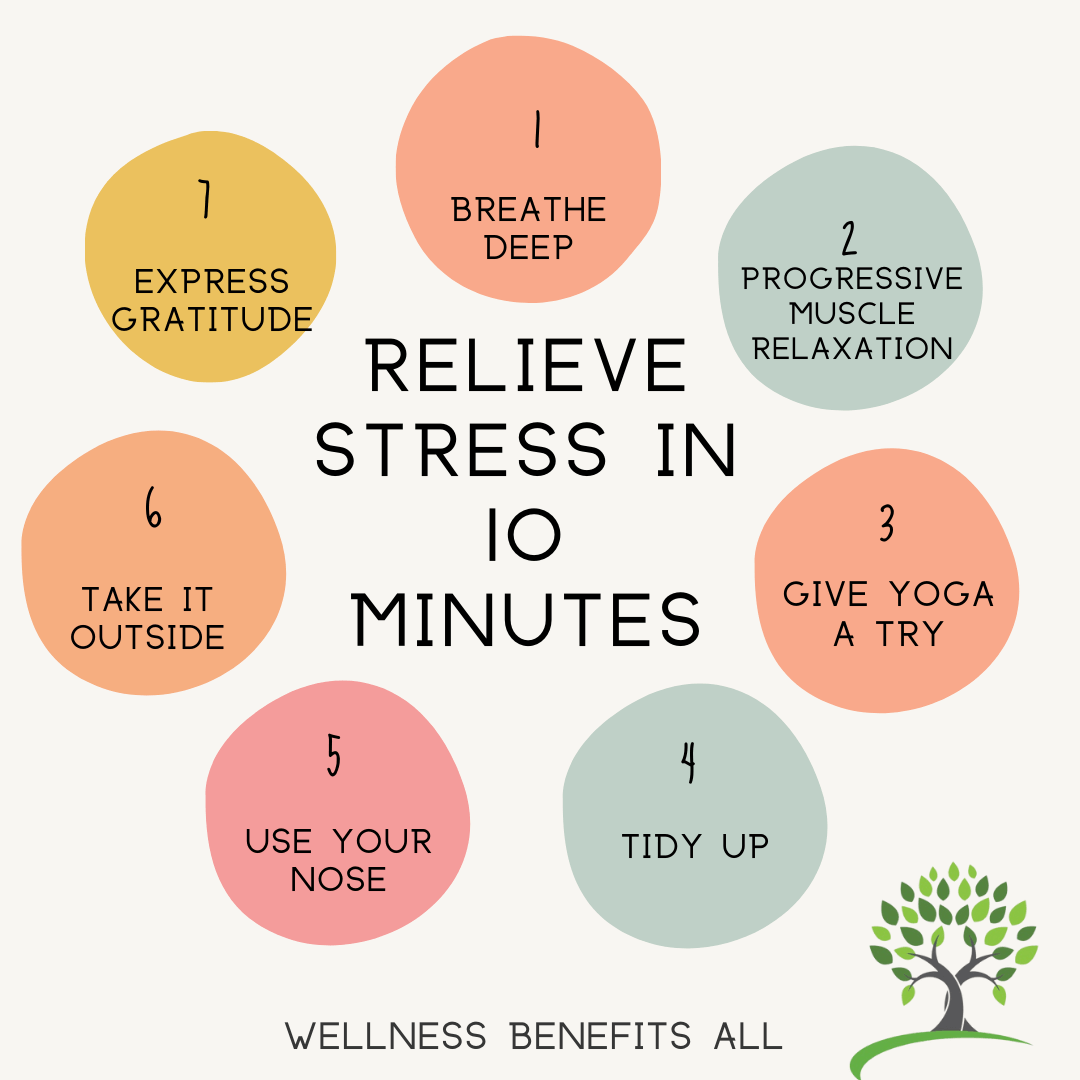
The relaxation response is a state of deep relaxation that counters the effects of stress and anxiety. It's a simple yet powerful technique that involves:
- Focusing on your breath, body sensations, or a calming phrase.
- Releasing tension and anxiety through progressive muscle relaxation.
- Practicing mindfulness and presence in the moment.
By incorporating the relaxation response into your daily routine, you can:
- Slow down your heart rate and blood pressure.
- Decrease muscle tension and cortisol levels.
- Improve sleep quality and duration.

Benefits of Mindfulness for Reducing Stress and Anxiety
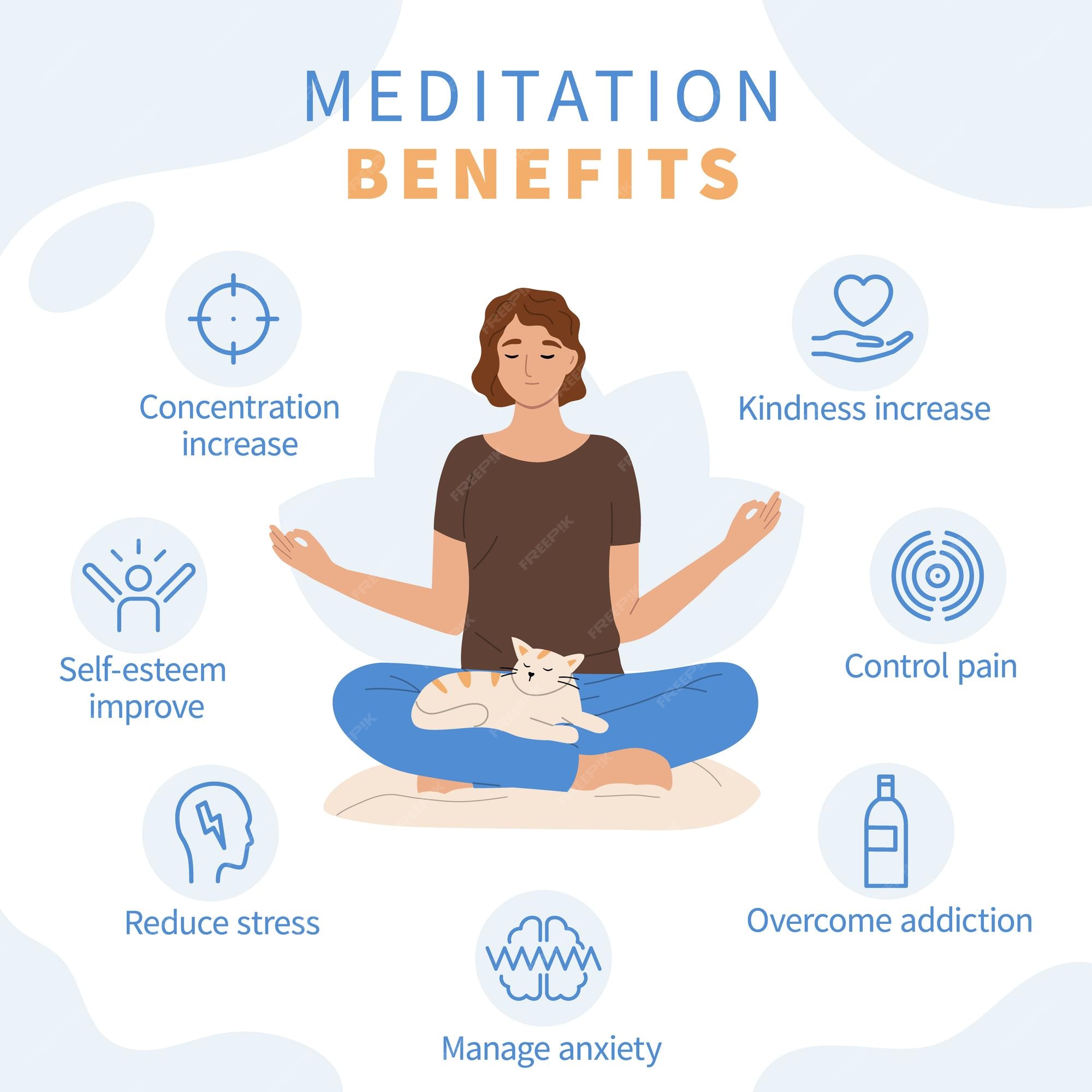
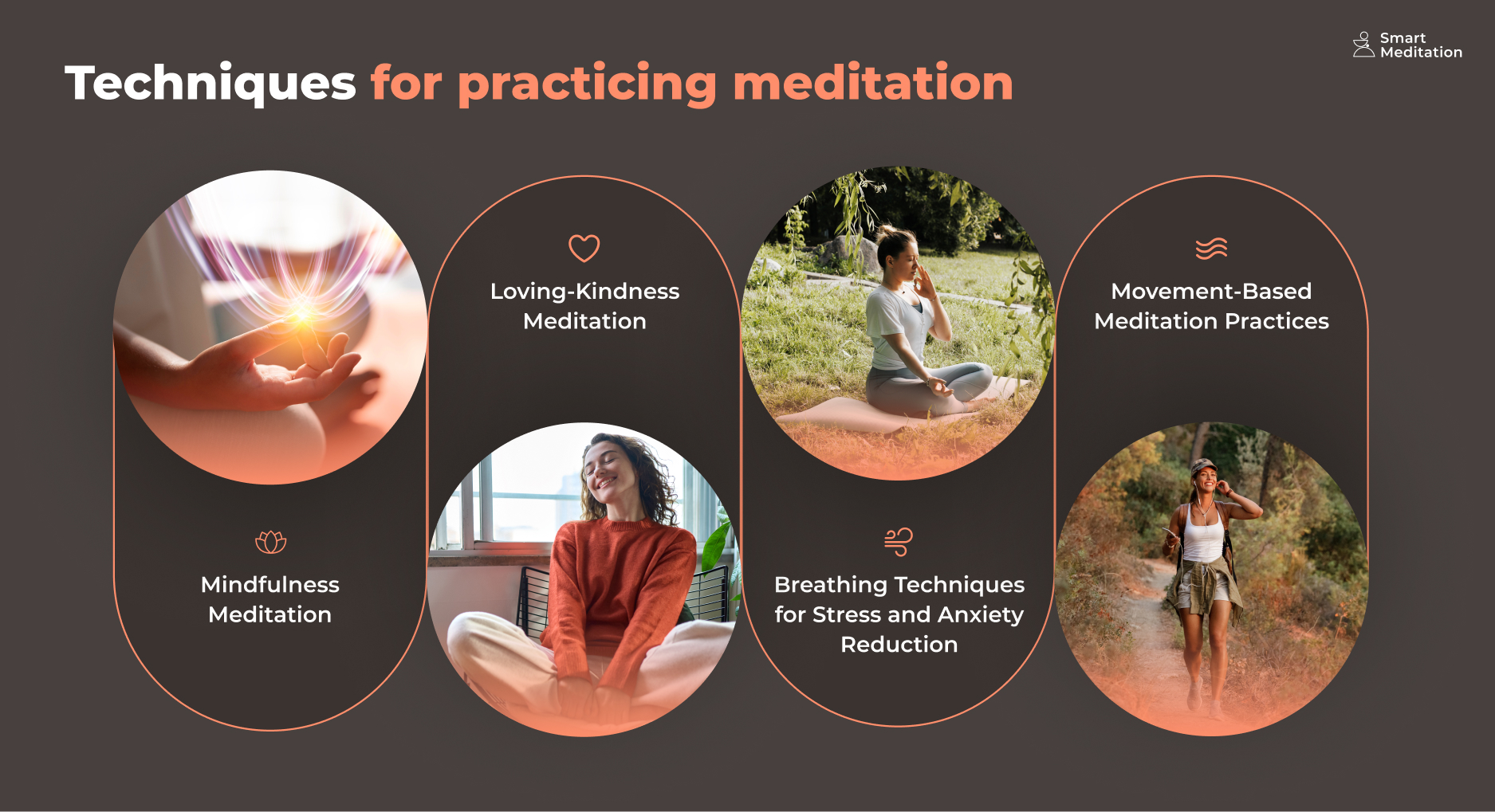
Mindfulness practices, such as meditation and conscious movement, can help you cultivate a calm and focused state of mind, leading to a range of benefits, including:
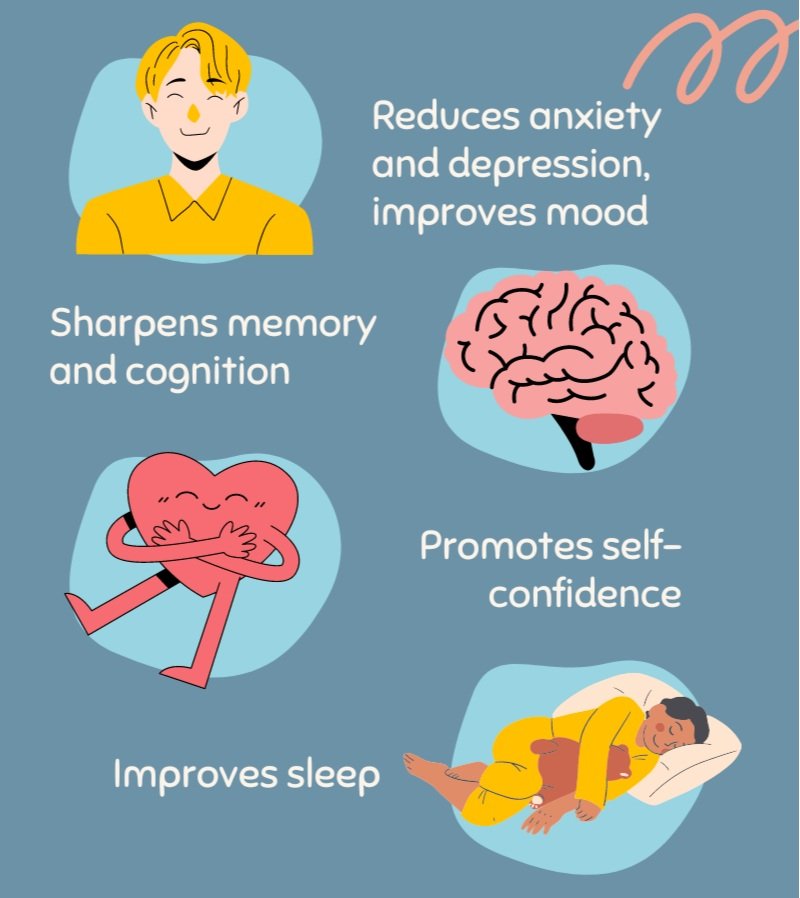
- Reduced stress and anxiety.
- Improved emotional regulation and resilience.
- Enhanced cognitive function and focus.
- Increased self-awareness and self-compassion.
Putting it All Together: Creating a Stress-Reduction Plan
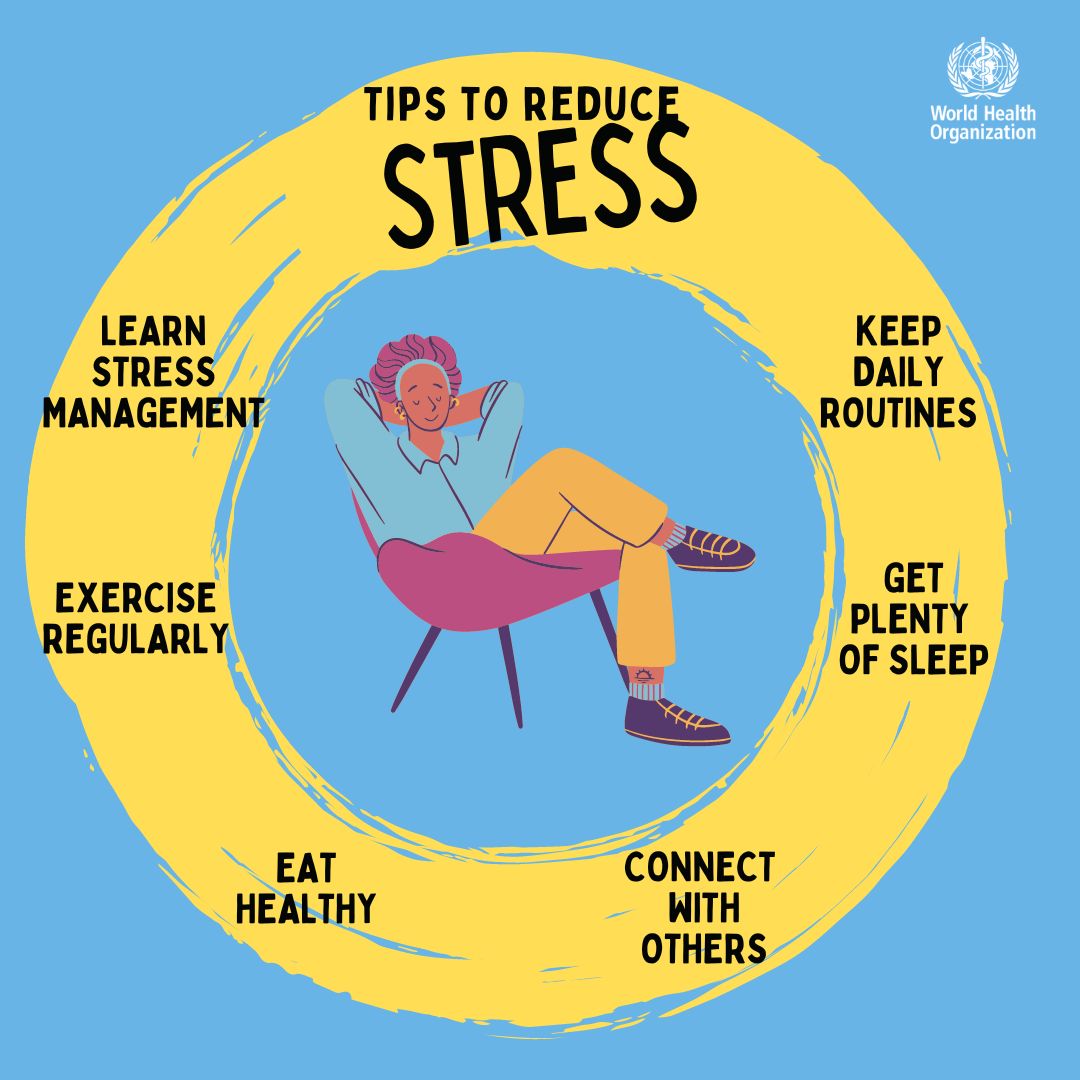
To effectively reduce stress and anxiety for better focus, try the following:
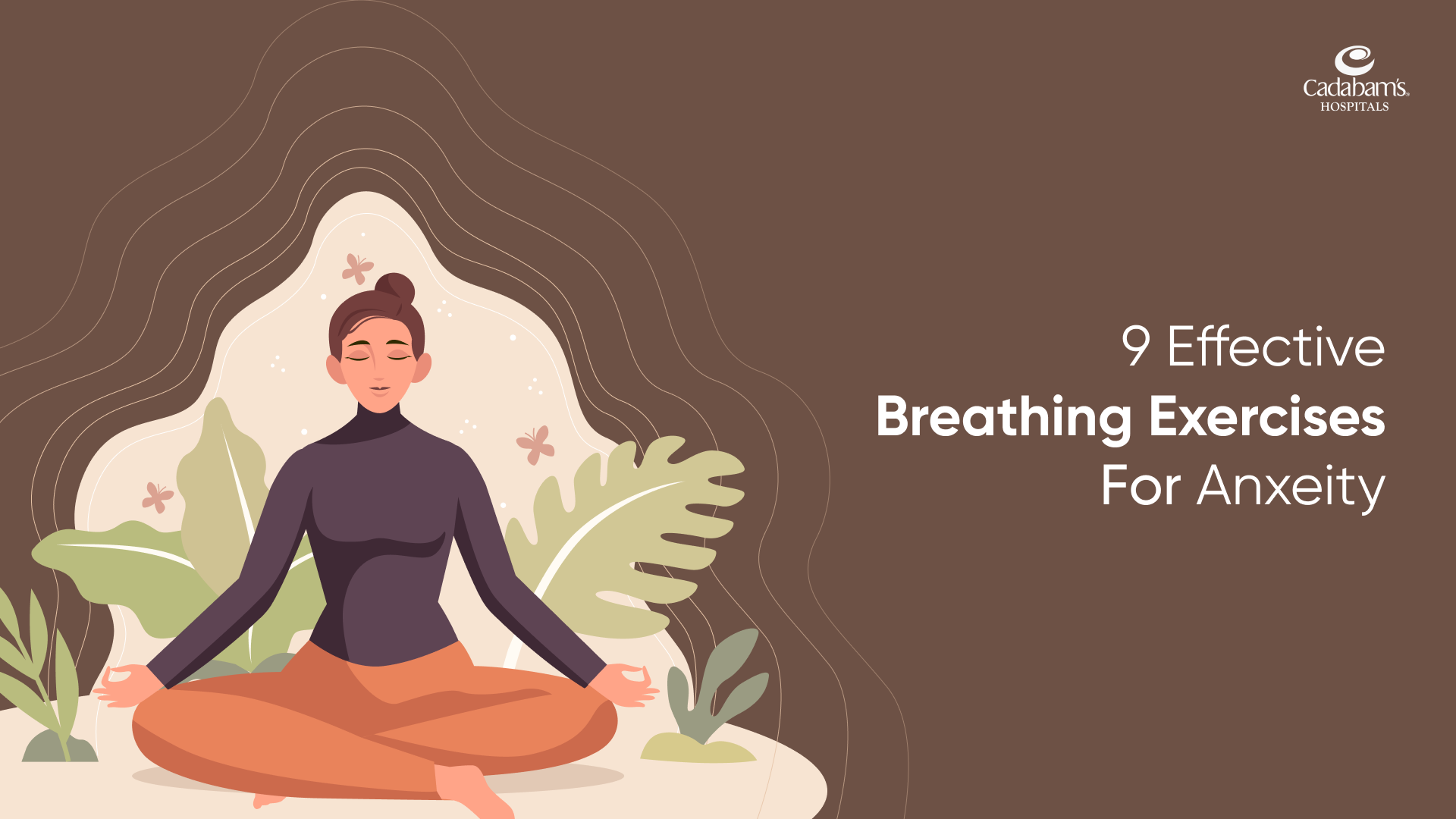
- Start small with short mindfulness practices, such as deep breathing exercises or a 5-minute meditation session.
- Gradually increase your practice as you become more comfortable with the techniques.
- Incorporate physical activities like qigong or tai chi to promote relaxation and balance.
- Prioritize self-care and schedule regular breaks to reduce stress and anxiety.
Conclusion
By incorporating mind-body techniques, the relaxation response, and mindfulness practices into your daily routine, you can reduce stress and anxiety, leading to improved focus and better overall well-being. Remember, it's not about eliminating stress and anxiety entirely but learning to manage them effectively. With patience and persistence, you can develop the skills and habits necessary to thrive in a fast-paced world.
Additional Resources
For more information on reducing stress and anxiety for better focus, explore the following resources:
- American Psychological Association: Stress in America.
- National Institute of Mental Health: Anxiety Disorders.
- Calm: A mindfulness app for stress reduction and relaxation.