Recovery Tools for Injury Prevention for Athletes
Are you an athlete looking to improve your performance and reduce the risk of injury? Proper recovery strategies are crucial for achieving optimal results in sports and exercise. Athletes need to focus on more than just training hard; they need to also prioritize recovery and injury prevention. In this article, we will explore the best recovery tools for athletes, including tools that aid in injury prevention, and provide actionable tips to improve athletic performance.What is the Importance of Recovery in Sports?
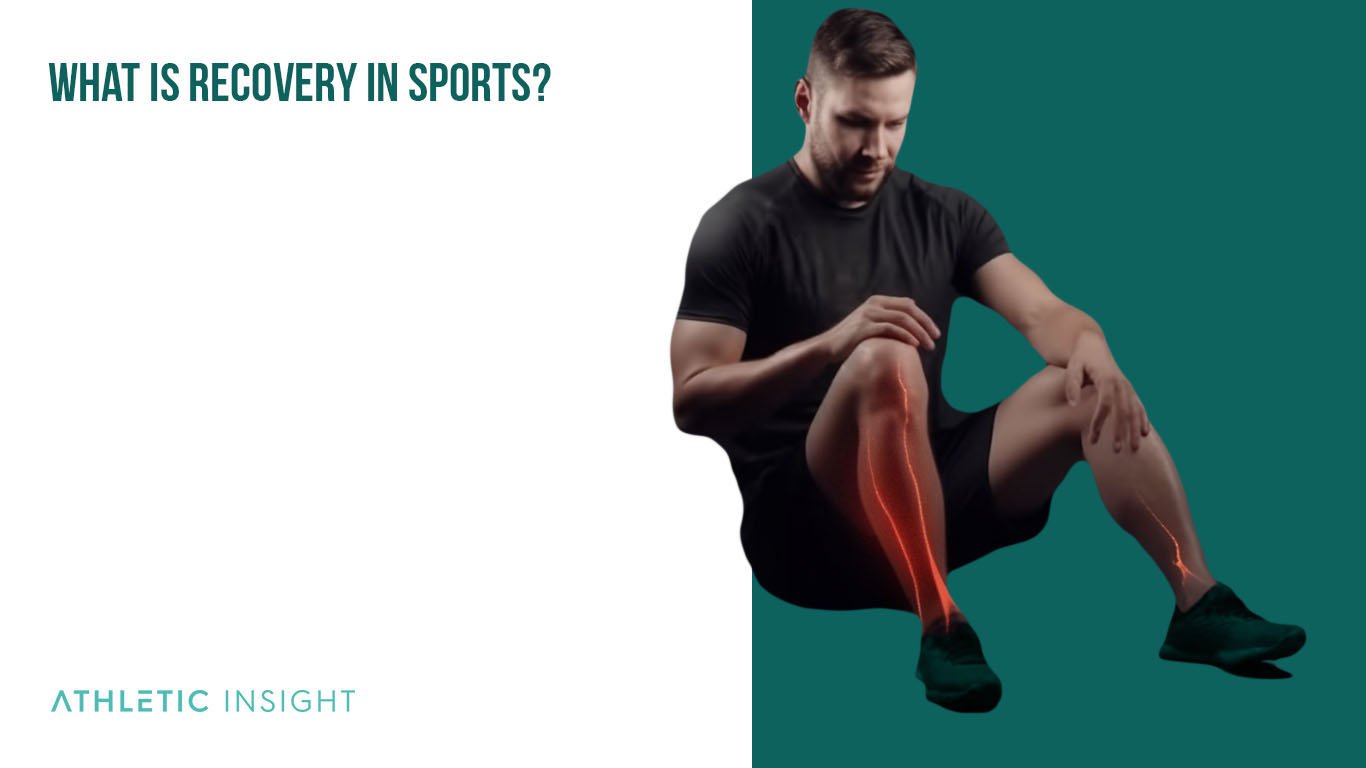
Recovery is often seen as an afterthought in the world of sports, but it is a vital component of athletic performance. Recovery allows the body to repair and adapt to the demands of exercise, which is essential for optimal performance. When athletes neglect recovery, they may experience fatigue, decreased performance, and an increased risk of injury. By incorporating recovery tools and strategies into your routine, you can enhance your performance, reduce the risk of injury, and improve overall well-being.Top 10 Recovery Tools for Athletes
1.1. Foam Roller
Foam rollers help athletes perform self-myofascial release, which reduces muscle tightness and improves blood circulation. Benefits include faster muscle recovery, reduced soreness, improved flexibility, and better range of motion. We recommend using a foam roller for at least 15-20 minutes after exercise or intense competition to enhance recovery and injury prevention.
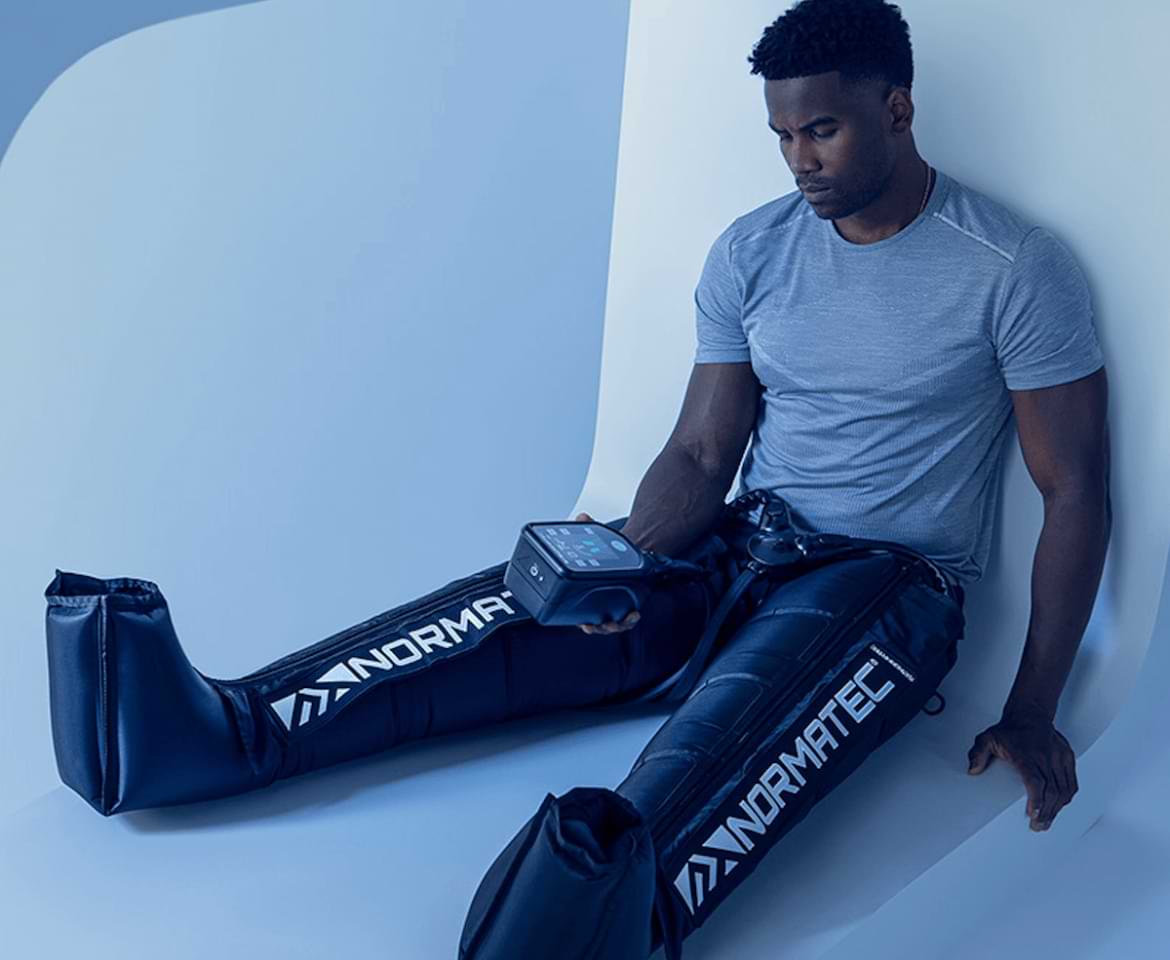
2.2. Compression Boots
Compression boots are designed to improve circulation, reduce inflammation, and provide support for athletes. These boots help reduce muscle soreness, improve recovery time, and prevent injuries. Athletes can wear compression boots during and after exercise, making them an essential recovery tool.
3.3. Massage Guns
Massage guns are handheld devices that deliver targeted percussion therapy to reduce muscle tension and improve circulation. Massage guns aid in faster recovery, reduce muscle soreness, and improve range of motion. They are a powerful tool for athletes looking to accelerate their recovery and improve athletic performance.
4.4. Heat and Cold Therapy
Heat and cold therapy are essential tools for athletes, as they can aid in reducing pain, inflammation, and muscle soreness. Heat therapy increases blood flow and relaxes muscles, while cold therapy reduces inflammation and numbs pain. Athletes can use heat and cold therapy before, during, or after exercise to enhance recovery and injury prevention.

5. Sleep-Promoting Tools
Adequate sleep is essential for recovery, and sleep-promoting tools can help athletes get better rest. Tools such as sleep trackers, weighted blankets, and noise machines can help improve sleep quality, leading to improved recovery, injury prevention, and enhanced athletic performance.
6.6. Static Stretching
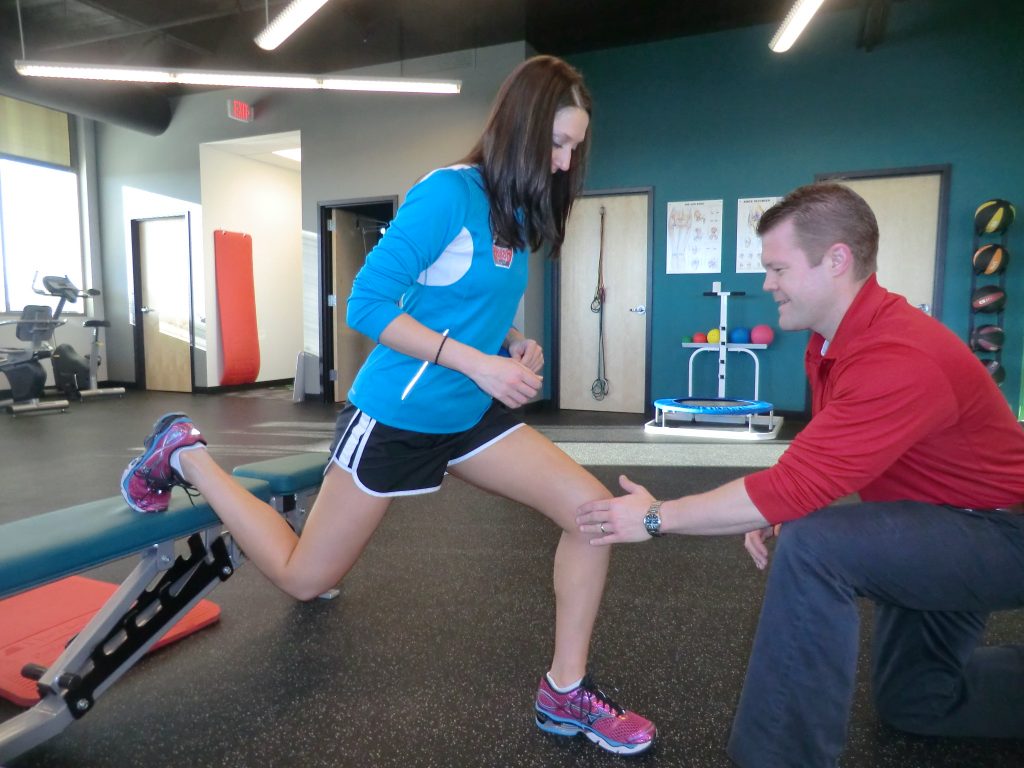
Static stretching is a technique used to elongate muscles, improve flexibility, and reduce muscle soreness. Athletes can use static stretching before and after exercise to enhance recovery and reduce the risk of injury. Focus on static stretching techniques like hold-and-hold or isometric contractions to get the most benefit.
7.7. Progressive Load Management
Progressive load management is a strategy that involves gradually increasing training intensity and volume to reduce the risk of overtraining and injury. By incorporating progressive load management into your routine, you can avoid burnout, reduce the risk of injury, and improve overall performance.
8.8. Self-Myofascial Release
Self-myofascial release is a technique that involves using tools like foam rollers or your own body weight to release tension in the muscles. Self-myofascial release aids in faster recovery, reduces muscle soreness, and improves range of motion. Athletes can use self-myofascial release before and after exercise to enhance recovery and injury prevention.
9.9. Wearable Technology
Wearable technology is an essential tool for athletes, as it provides real-time feedback and tracking. Wearables can monitor heart rate, GPS tracking, and muscle activity, helping athletes optimize their performance and reduce the risk of injury.