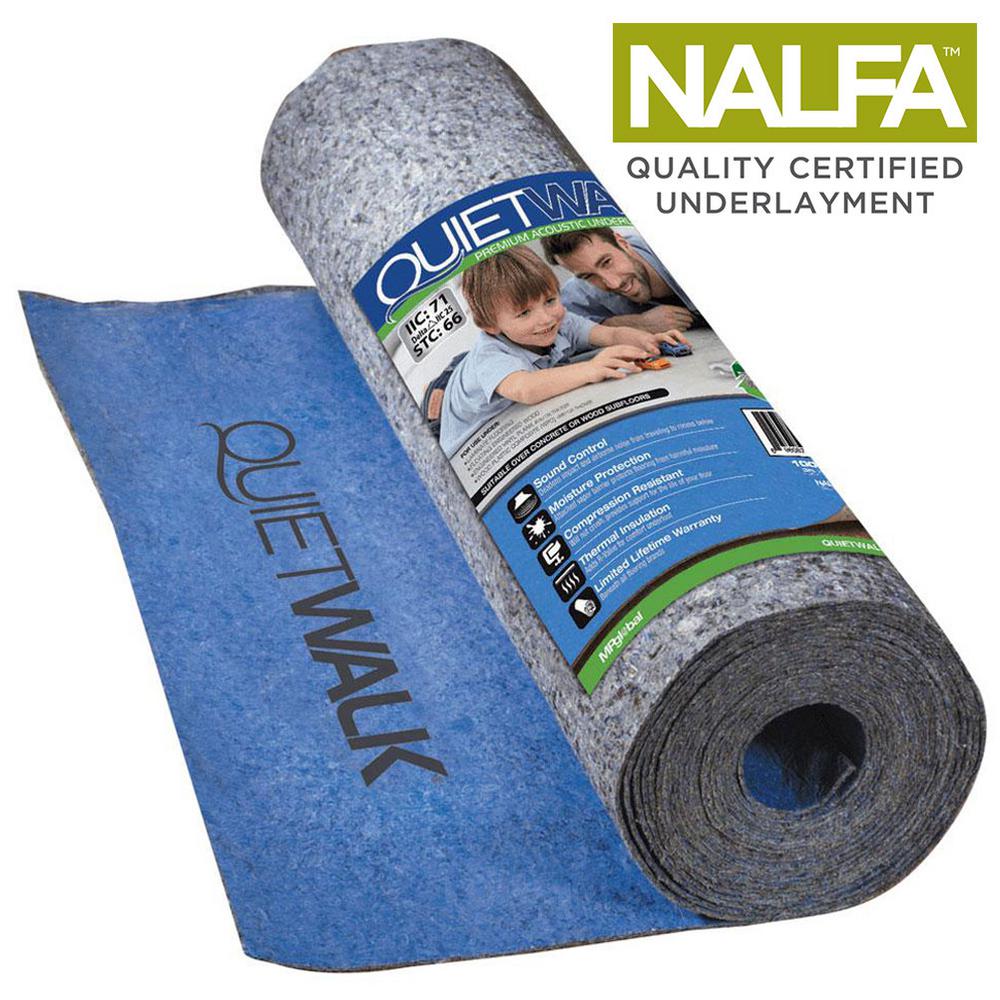
Laminate Flooring Noise Reduction: Understanding the Importance of Underlayment
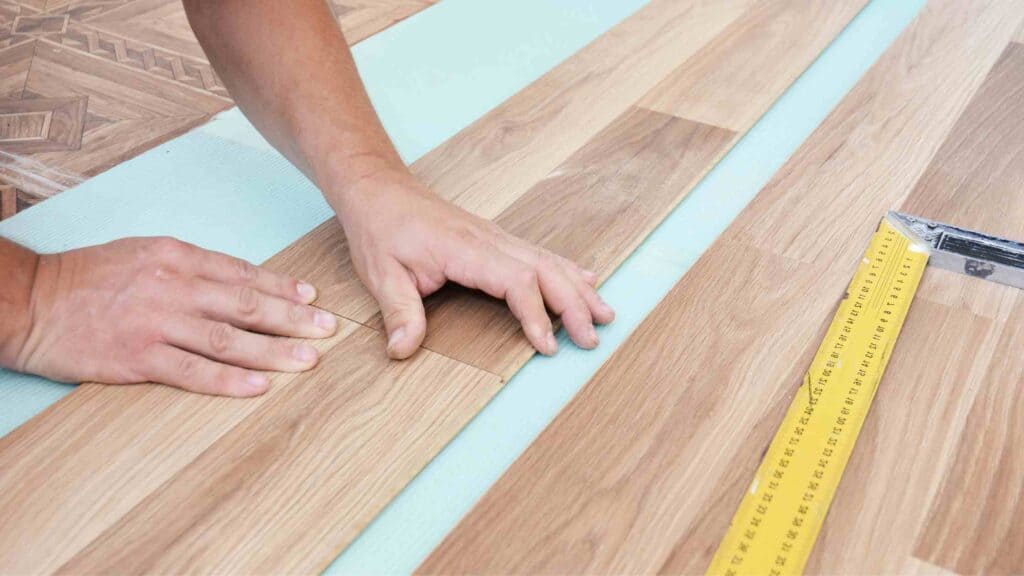
When it comes to laminate flooring, one of the primary concerns is noise reduction. Laminate flooring often carries sound primarily through impact noise—the sound of footsteps and objects striking the floor—and to a lesser extent through airborne noise. An underlayment serves as a crucial component in reducing these noises, making it an essential aspect to consider during installation.
How Underlayment Reduces Noise
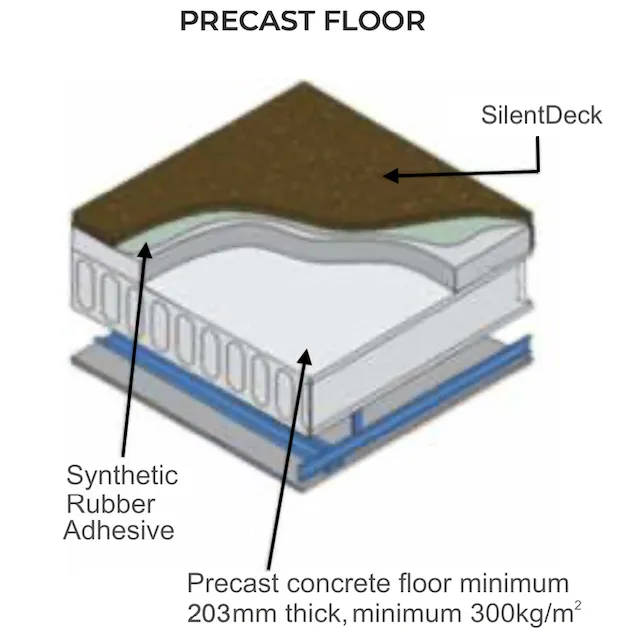
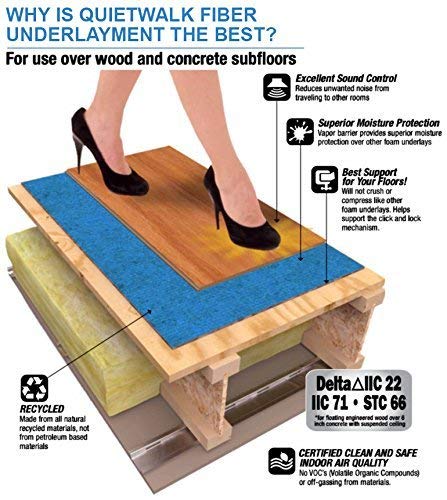
Underlayment dampens impact sounds and softens footfall by decoupling the laminate from the subfloor, adding an air or mass layer, and absorbing vibrations. The result is a quieter, more comfortable floor with fewer creaks and footstep sounds. The level of noise reduction depends on material density, thickness, and whether a vapor barrier is included.
The Role of Underlayment in Laminate Flooring Noise Reduction
- Dampens impact sounds: By adding an air or mass layer, underlayment reduces the impact of footsteps and objects striking the floor.
- Softens footfall: Underlayment helps to reduce the sound of footsteps by decoupling the laminate from the subfloor.
- Absorbs vibrations: By absorbing vibrations, underlayment reduces the transmission of noise through the floor.
Types of Underlayment for Laminate Flooring Noise Reduction
Cork, rubber, foam-based, and hybrid solutions are some of the top underlayment options for laminate flooring noise reduction. Each of these options has its unique features, benefits, and drawbacks, making it essential to consider the specific needs of your project.
Cork Underlayment
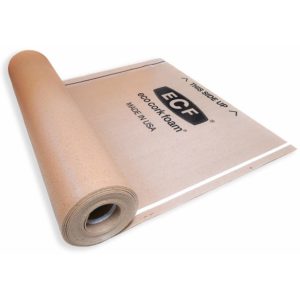
Cork underlayment is an excellent option for reducing noise transmission. Its density and thickness provide excellent sound absorption, making it an ideal choice for homes with multiple floors.
Rubber Underlayment
Rubber underlayment is another popular option for laminate flooring noise reduction. Its durability and resistance to moisture make it a great choice for homes with high foot traffic or exposure to moisture.
Foam-Based Underlayment

Foam-based underlayment is a cost-effective option for reducing noise transmission. Its lightweight and easy-to-install design make it an ideal choice for DIY projects.
Hybrid Underlayment
Hybrid underlayment combines the benefits of different materials, providing a balance of sound reduction, moisture protection, and installation ease.
Practical Installation Tips for Laminate Flooring Noise Reduction
Proper installation of underlayment is crucial for achieving optimal noise reduction. Here are some practical tips to consider:
- Choose the right underlayment material for your project.
- Ensure the underlayment is properly secured to the subfloor.
- Install the underlayment in a way that allows for easy removal in the future.
- Use a high-quality underlayment that meets the manufacturer's recommendations.
Conclusion
Laminate flooring noise reduction is a critical aspect to consider during installation. By choosing the right underlayment and following practical installation tips, you can achieve a quieter, more comfortable floor. Whether you live in a condo, multi-level house, or simply want to reduce everyday noise, laminate flooring with the right underlayment can make a significant difference.
Recommendations for Laminate Flooring Noise Reduction
Based on thorough testing and reviews, here are some top recommendations for underlayment options for laminate flooring noise reduction:
- VEVOR Floor Underlayment 200 sq. ft/Roll 3 mm Thick Laminate Flooring Padding with Attached Vapor Barrier Heavy Duty Fiber + PE Film Soundproofing and Noise Reduction Ideal for Vinyl Wood
- VEVOR Floor Underlayment 300 sq. ft 3-in-1 3 mm Thick Flooring Padding with Tape and Vapor Barrier Heavy Duty EPE Foam Soundproofing and Noise Reduction for Laminate Wood (3 Rolls x 100 sq. ft)