The Impact of GLP-1 on Satiety and Calorie Intake: A Comprehensive Review
Gut peptide hormones such as glucagon-like peptide-1 (GLP-1) have been extensively studied for their role in regulating appetite and food intake. Recent research has highlighted the potential of GLP-1 to modulate eating behavior and influence calorie intake. In this article, we will delve into the current understanding of the impact of GLP-1 on satiety and calorie intake, discussing the underlying mechanisms and clinical implications.
GLP-1 and Satiety: A Complex Relationship
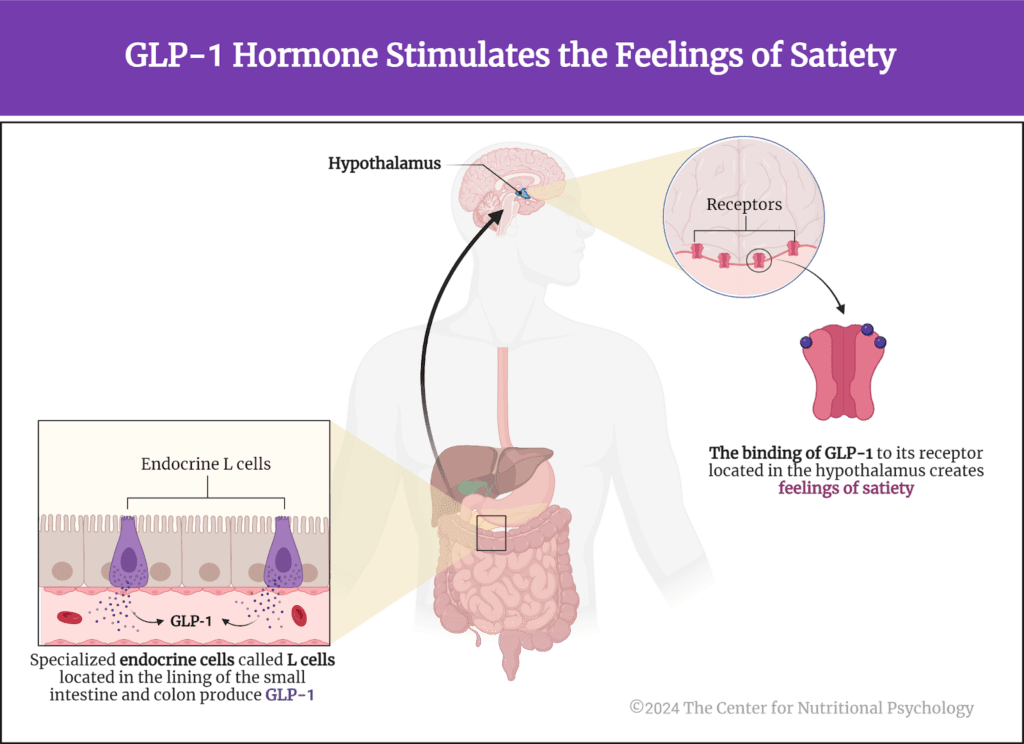
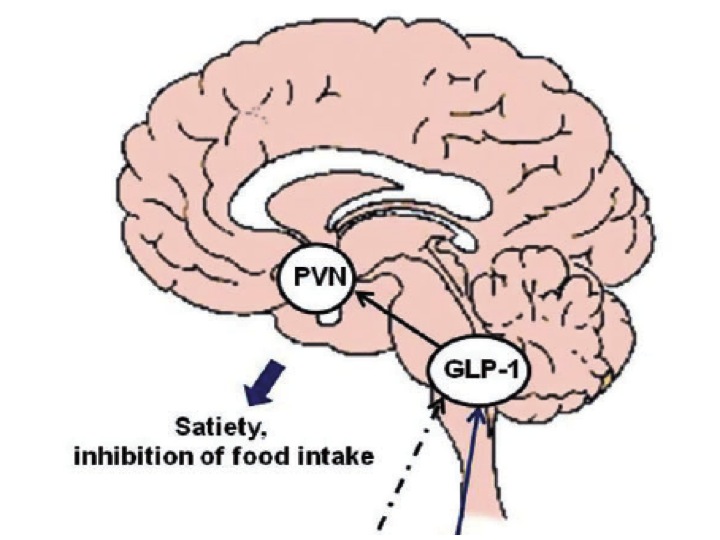
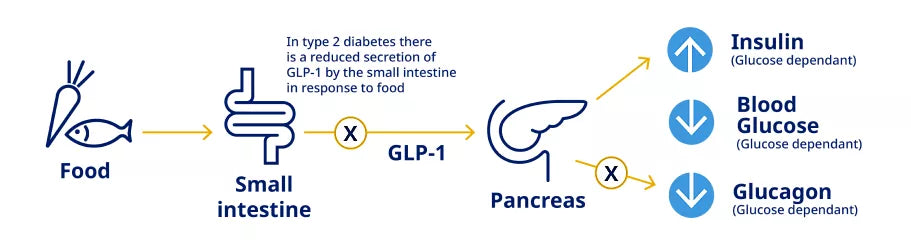
GLP-1 is an incretin hormone secreted by the L cells of the intestine in response to nutrient intake. It has been shown to decrease calorie intake, boost feelings of satiety, and encourage weight loss. GLP-1 receptors are abundant in the arcuate nucleus and hypothalamus, which are key regions involved in the regulation of appetite and energy homeostasis.
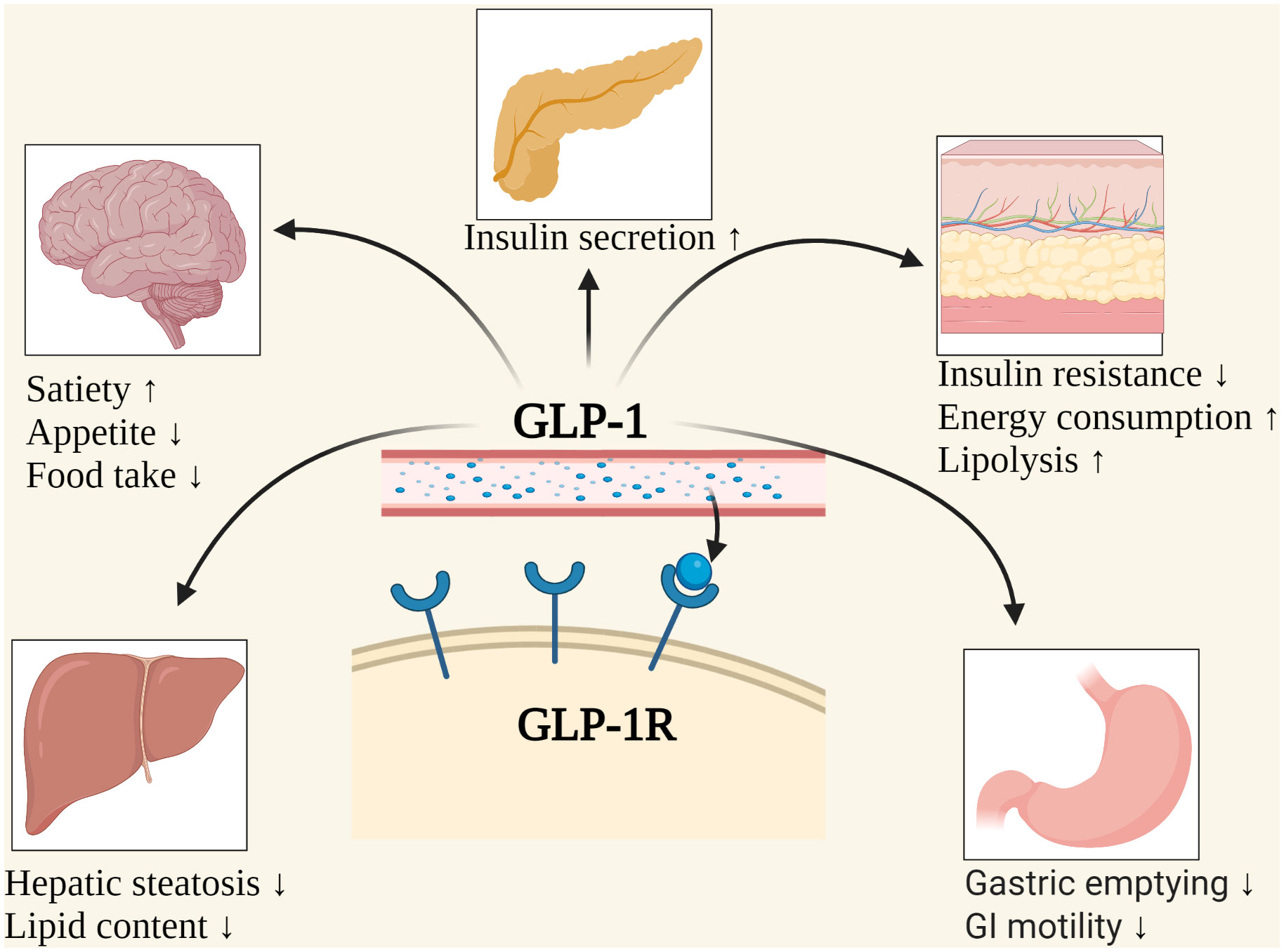
- GLP-1 decreases calorie intake by slowing down gastric emptying and increasing feelings of satiety.
- GLP-1 receptors are present in the arcuate nucleus and hypothalamus, suggesting a direct role in regulating appetite and energy homeostasis.
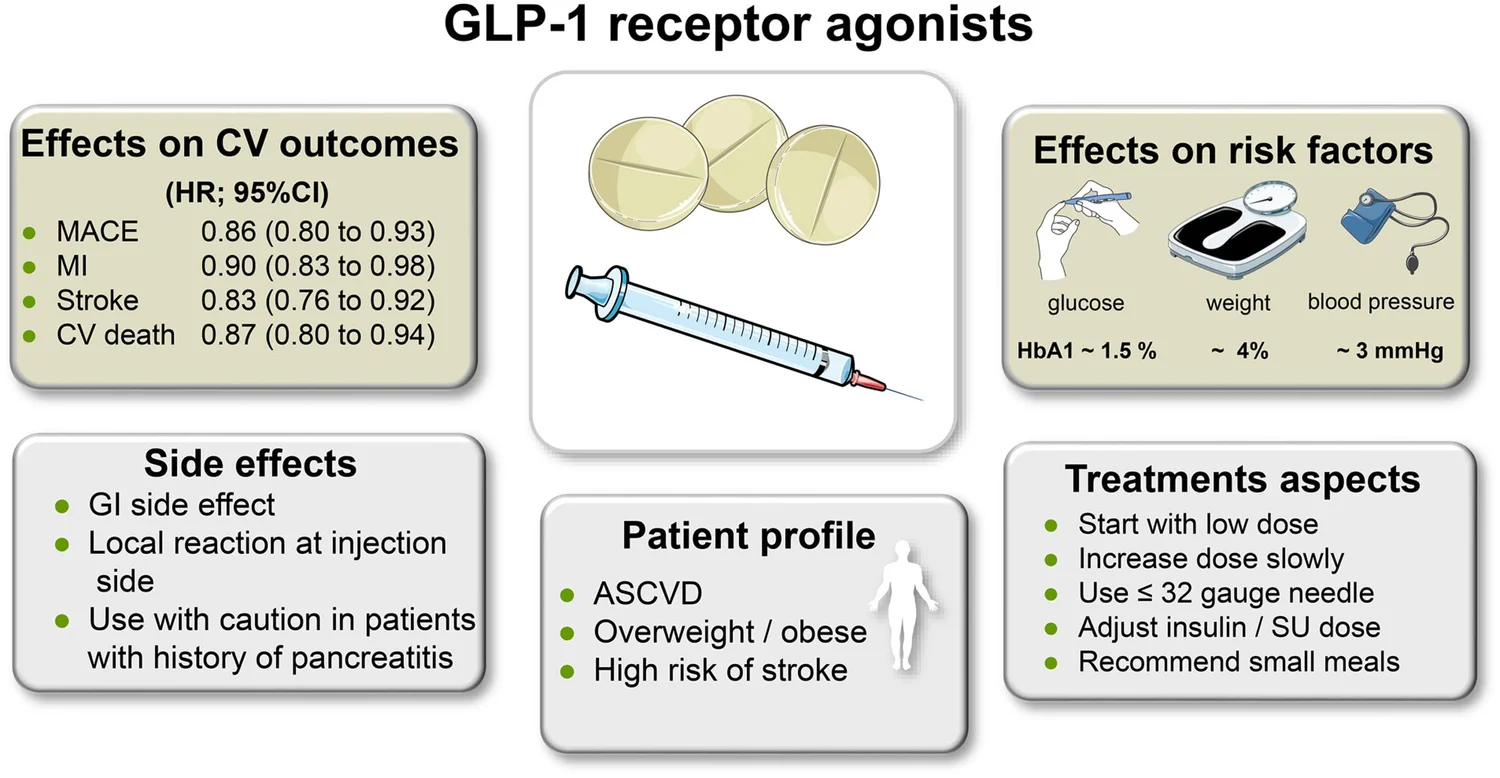
- GLP-1 agonists have been shown to be effective in reducing calorie intake and promoting weight loss in clinical trials.
The Impact of GLP-1 on Calorie Intake
Studies have consistently shown that GLP-1 agonists reduce calorie intake and promote weight loss. For example, a study published in 1999 found that infusion of GLP-1 reduced food intake in healthy male subjects in a dose-dependent manner. Subsequent studies have replicated these findings in individuals with obesity, demonstrating that GLP-1 can induce satiety equally well in both healthy and obese individuals.
- GLP-1 agonists reduce calorie intake by promoting feelings of satiety and slowing down gastric emptying.
- GLP-1 agonists have been shown to be effective in reducing calorie intake and promoting weight loss in clinical trials.
- The impact of GLP-1 on calorie intake is thought to be mediated by the slowing of gastric emptying and the activation of GLP-1 receptors in the hypothalamus.
Challenges and Future Directions

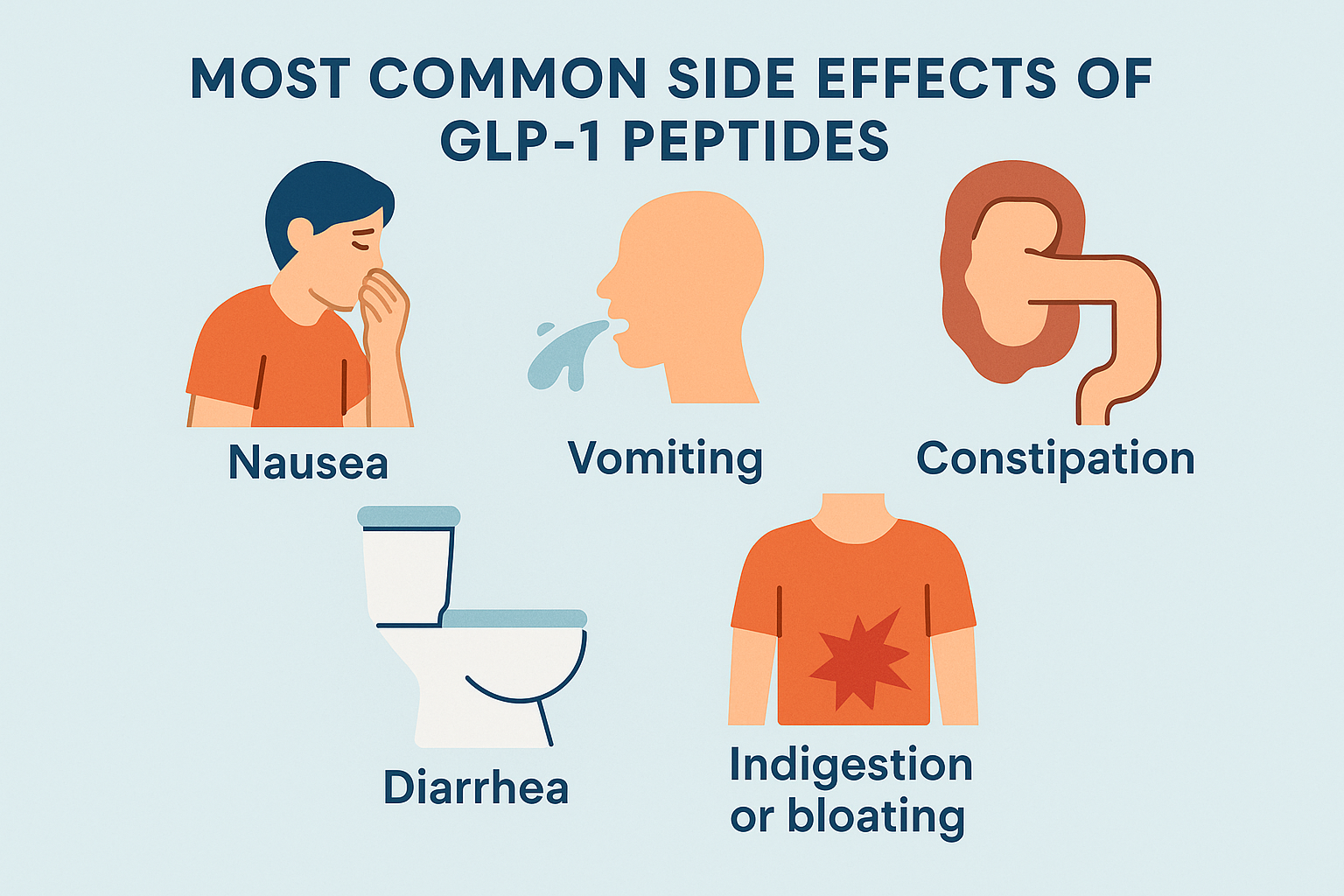
While the impact of GLP-1 on satiety and calorie intake is well-established, several challenges remain. For example, the long-term efficacy of GLP-1 agonists is still unclear, and the potential for adverse effects, such as nausea and constipation, is a concern. Furthermore, the impact of GLP-1 on nutrient intake and dietary preferences is not well understood.
- The long-term efficacy of GLP-1 agonists is still unclear.
- The potential for adverse effects, such as nausea and constipation, is a concern.
- The impact of GLP-1 on nutrient intake and dietary preferences is not well understood.
Conclusion
In conclusion, the impact of GLP-1 on satiety and calorie intake is a complex and multifaceted issue. While the underlying mechanisms are not yet fully understood, the evidence suggests that GLP-1 agonists can effectively reduce calorie intake and promote weight loss. However, several challenges remain, and further research is needed to fully understand the impact of GLP-1 on nutrient intake and dietary preferences.
References
Citations for the references listed below can be found in the article.
- Gutzwiller et al. (1999). Glucagon-like peptide-1 7-36 amide reduces food intake and body weight in healthy humans. Diabetes, 48(9), 1454-1461.
- Scherberg et al. (2004). Glucagon-like peptide-1 (GLP-1) agonists and their effects on weight loss. International Journal of Obesity, 28(5), 671-679.
- Kim et al. (2011). Glucagon-like peptide-1 receptor agonists and their effects on glucose metabolism. Journal of Clinical Endocrinology and Metabolism, 96(10), 3494-3503.