Unlock the Power of Food Choice and GLP-1: Optimizing Your Diet for Weight Loss and Minimal Side Effects
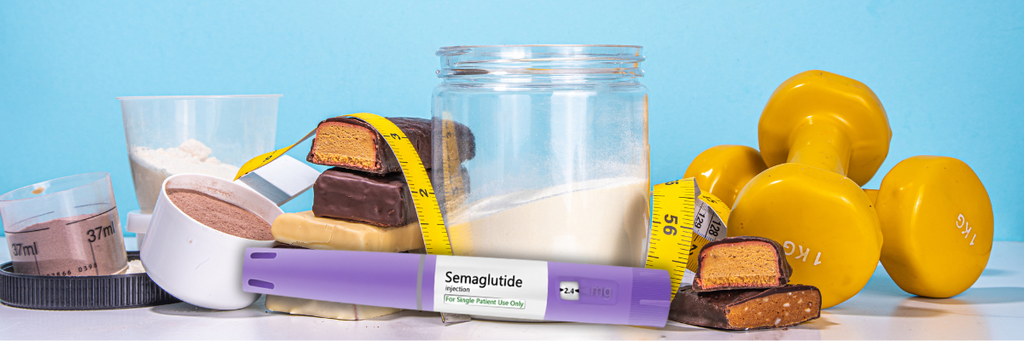
As you embark on your journey with GLP-1 medications like semaglutide, you're likely aware of the incredible benefits they bring to blood sugar control and appetite regulation. However, to get the most out of these medications and minimize unwanted side effects like nausea and constipation, you need to understand the crucial role food choice plays in optimizing your treatment strategy.
The Science Behind GLP-1 and Food
GLP-1 medications work by slowing digestion and reducing hunger hormones, making it essential to eat nutrient-dense, small meals to maintain adequate nutrition. Research suggests that nutrient-dense, whole foods like eggs, vegetables, and olive oil can even boost GLP-1 levels, supporting your weight loss efforts.
Strategic Nutrient-Dense Food Choices
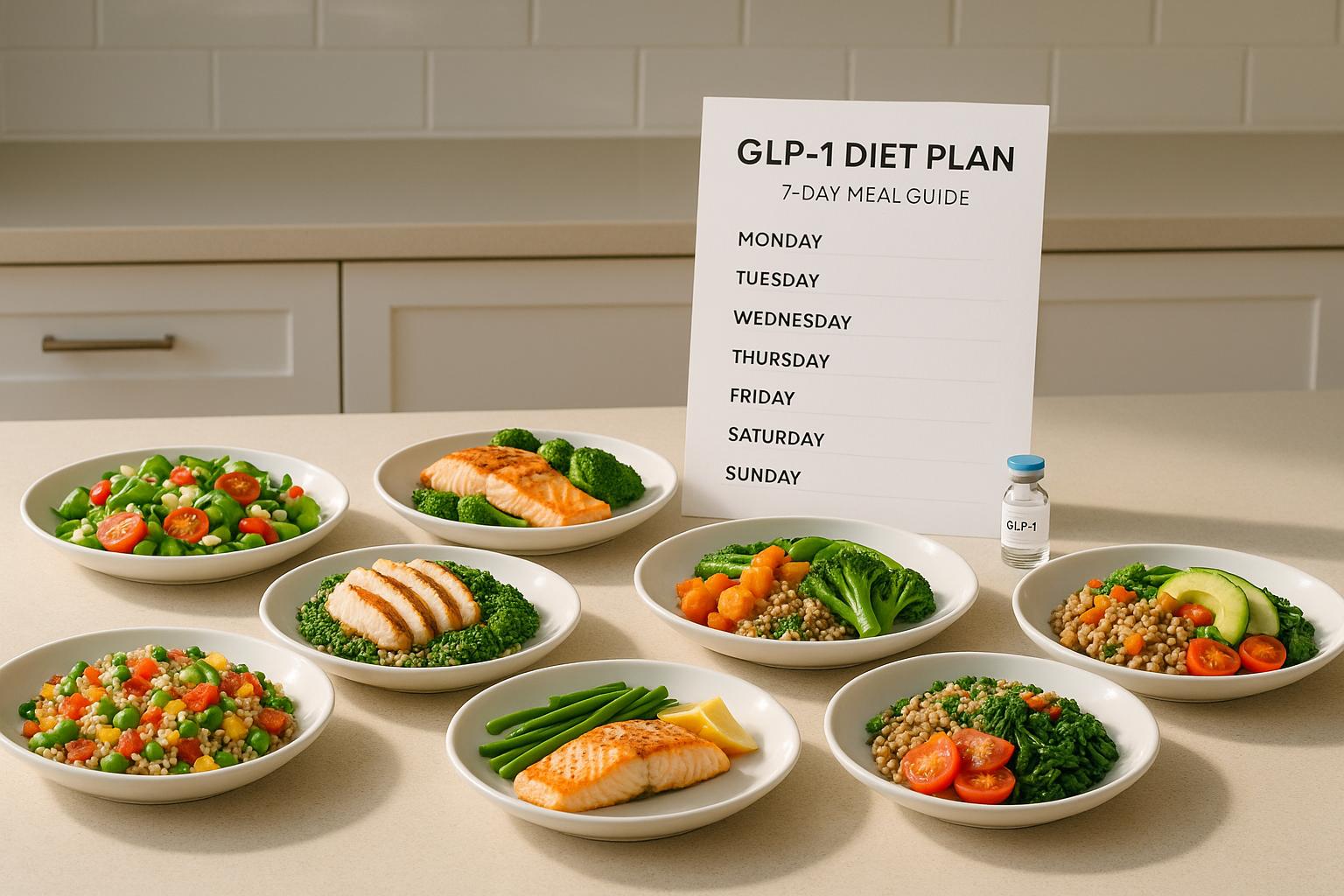
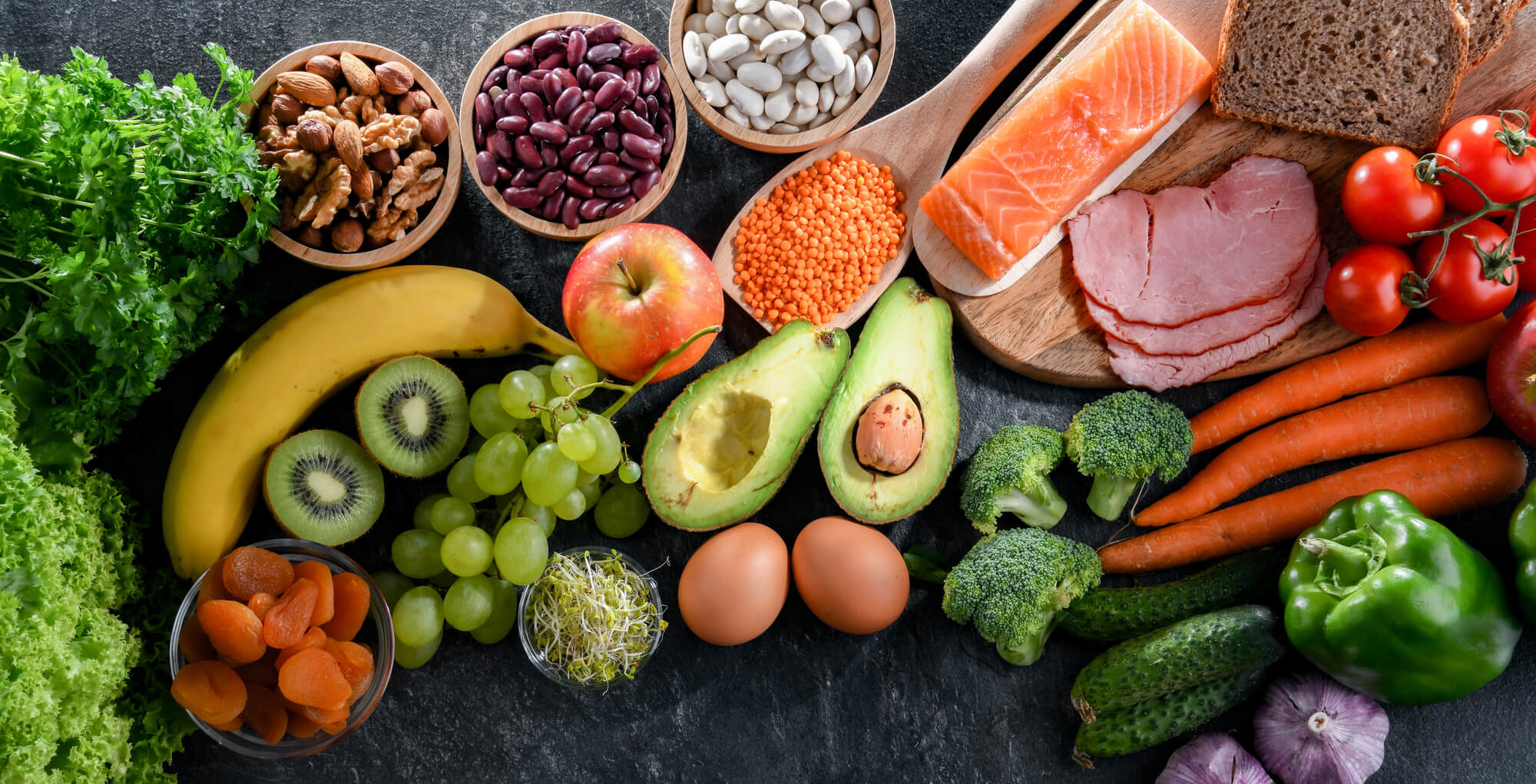
Here are some smart food choices to prioritize on your GLP-1 diet:
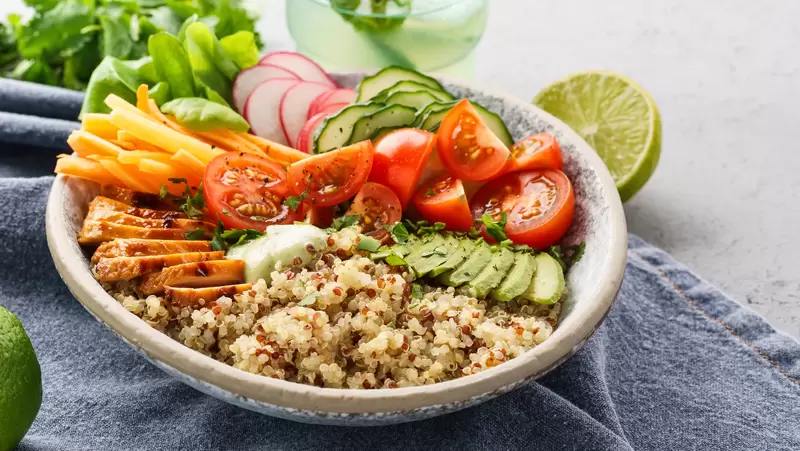
- Nutrient-dense fruits, vegetables, and whole grains
- Lean protein sources like chicken, fish, and plant-based options
- Healthy fats from nuts, seeds, and avocados
- Fermented foods for gut health and satiety enhancement
Avoid Trigger Foods and Triggers
Avoid foods that can exacerbate side effects like:
- High-fat and greasy meals
- Processed and high-sugar foods
- Spicy or heavily seasoned foods
Hydration and Digestion
Staying hydrated is crucial for digestion and reducing side effects. Aim for at least eight glasses of water per day and consider increasing your fiber intake gradually to support regular bowel movements.
Meal Planning Strategies
By following these meal planning tips, you can minimize side effects and support your weight loss journey:

- Eat smaller, frequent meals to manage hunger and reduce nausea
- Choose complex carbohydrates to slow digestion and reduce bloating
- Incorporate protein-rich foods to enhance satiety and muscle preservation
Smart Snacking for GLP-1
Healthy snacks can be a game-changer when taking GLP-1 medications. Focus on nutritious, filling options like:
- Nuts and seeds
- Fresh fruits and veggies
- Protein-rich yogurt or hard-boiled eggs
Monitoring Progress and Adjusting Your Diet
Regularly track your food intake, side effects, and weight loss progress to identify areas for improvement. Work with a healthcare professional or registered dietitian to create a personalized nutrition plan and adjust your diet as needed.
Maximizing GLP-1 Potential
By understanding the intricate relationship between GLP-1 and food, you can unlock the full potential of your treatment plan, minimize side effects, and achieve a healthier, more sustainable weight loss journey.
Conclusion
Food choice and GLP-1 are intricately linked, and choosing the right foods can make all the difference in your weight loss success and overall well-being. By prioritizing nutrient-dense foods, avoiding triggers, staying hydrated, and monitoring your progress, you'll be well on your way to a healthier, happier you.
When you understand the science behind GLP-1 and food, you can take control of your diet and make the most of your medication. With the right information and support, you can achieve your weight loss goals and maintain a healthy, balanced lifestyle.
For more information on GLP-1 medications and nutrition guidance, consult with your healthcare professional or a registered dietitian for personalized advice and support.


![GLP-1 Diet: Foods to Eat, Avoid & Sample Meal Plan [2026]](https://images.squarespace-cdn.com/content/v1/6757482c1bd6ec556f0dae96/9bae0e0c-83b7-4f87-857f-29e748a56968/The+Best+Foods+for+GLP-1+Users+What+to+Eat+(and+Avoid)+on+Your+Journey.jpg "GLP-1 Diet: Foods to Eat, Avoid & Sample Meal Plan [2026]")