How to Age Well on a GLP-1 Diet
When following a GLP-1 diet, it's essential to understand the impact of this type of diet on aging. GLP-1 medications have revolutionized weight loss, but it's crucial to focus on long-term sustainability and minimize side effects. In this article, we'll explore the importance of a balanced diet on a GLP-1 regimen and provide practical tips for aging well.
Understanding the GLP-1 Diet
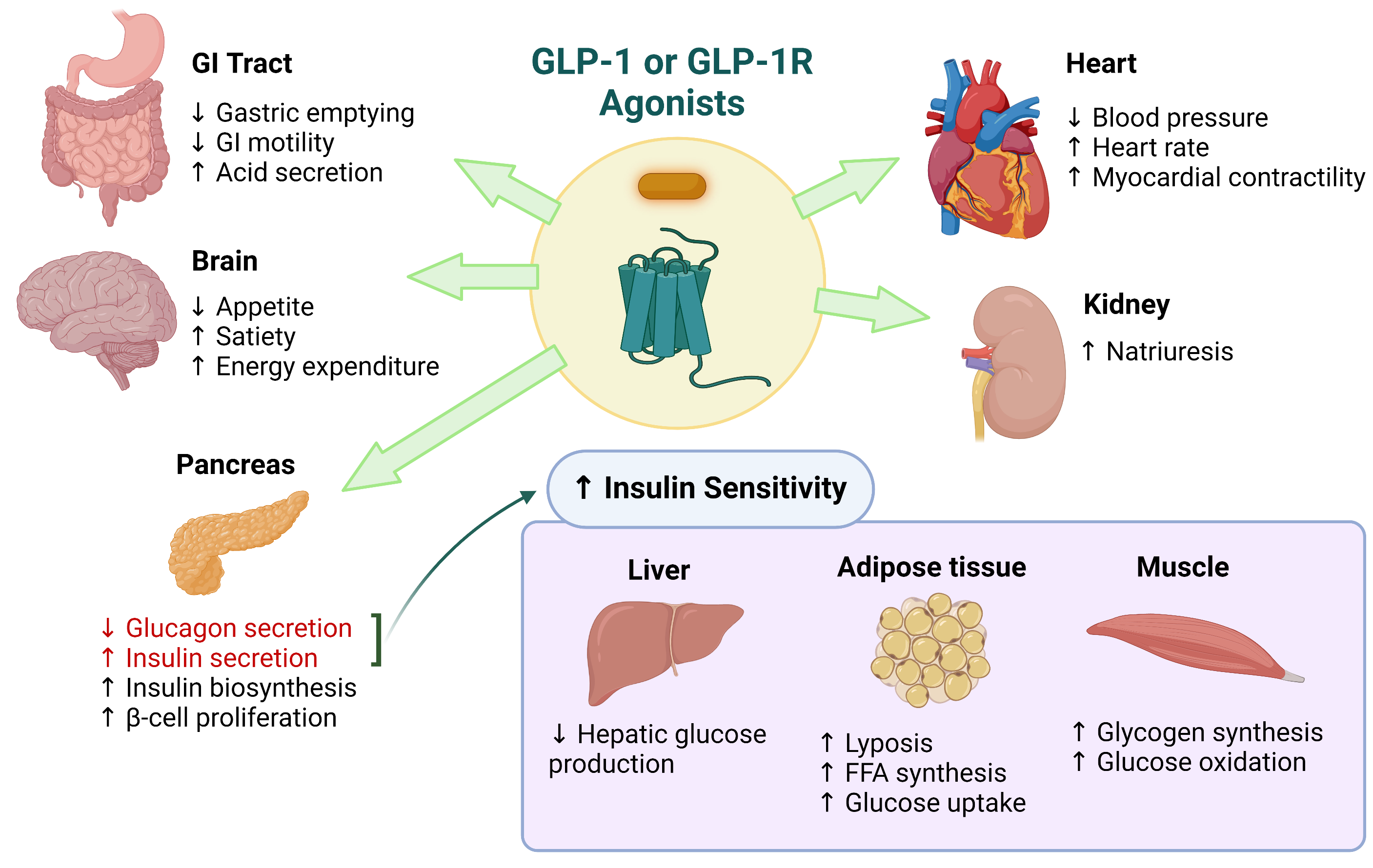
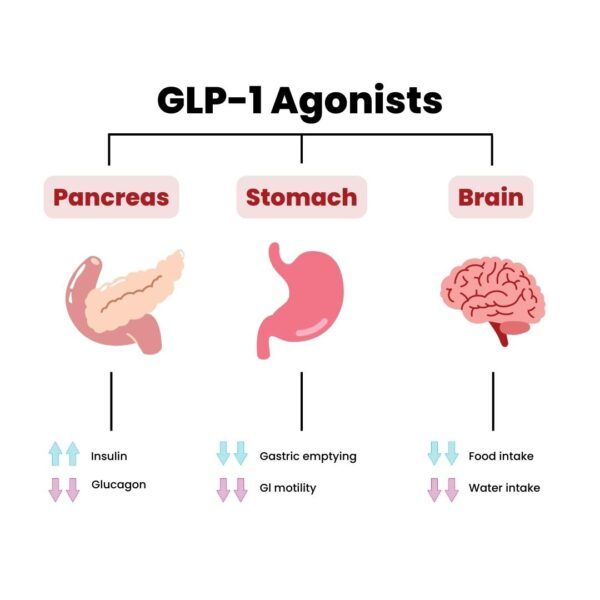
GLP-1 medications work by mimicking the glucagon-like peptide-1 hormone, regulating blood sugars and appetite. This means people often feel full sooner, staying satisfied for longer. However, it's vital to balance these effects with a nutrient-rich diet, ensuring you get the necessary protein, fiber, and nutrients for optimal health.
Why a Healthy Diet is Important on a GLP-1
- Support overall well-being
- Enhance energy levels
- Aid in long-term weight management
- Minimize nutrient deficiencies
- Reduce side effects
When taking GLP-1 medications, eating a balanced diet is essential for maximizing treatment benefits. Pairing these medications with a nutrient-rich diet enhances weight loss, reduces appetite, and regulates blood sugar levels effectively.
Key Nutrients for a GLP-1 Diet
- Protein (1-1.2 g/kg of body weight/day)
- Fiber-rich foods
- Antioxidants
- Probiotics
- Omega-3 fatty acids
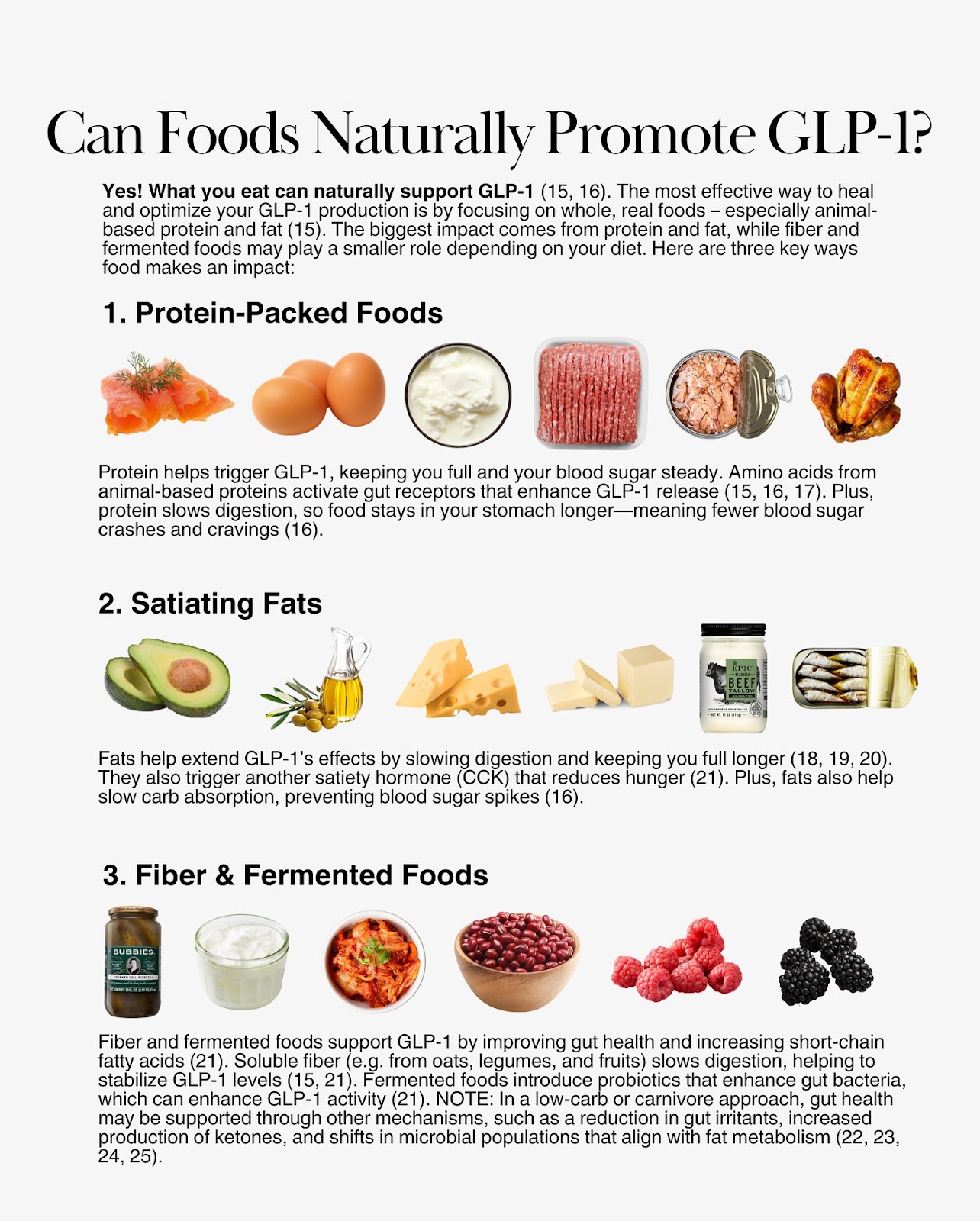
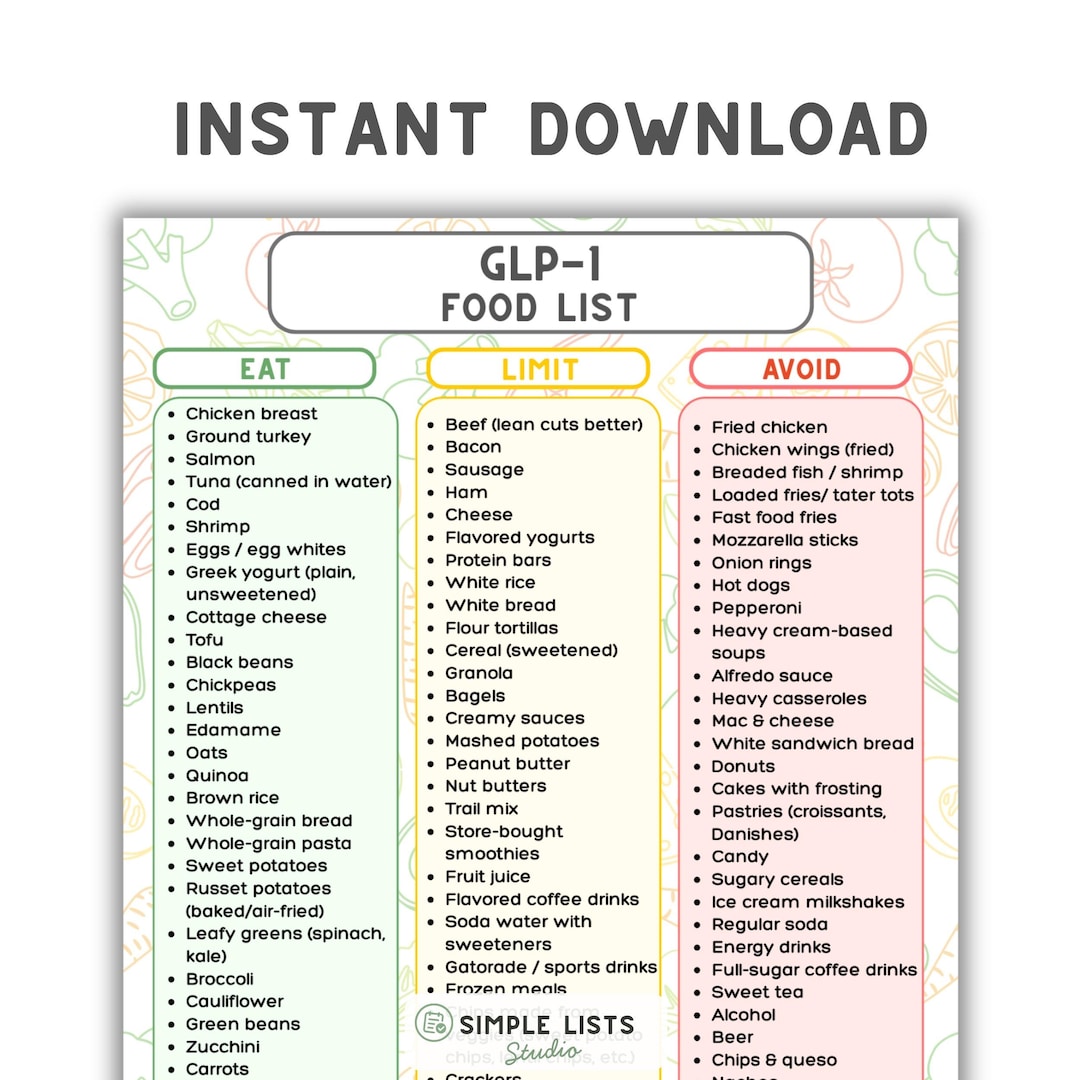
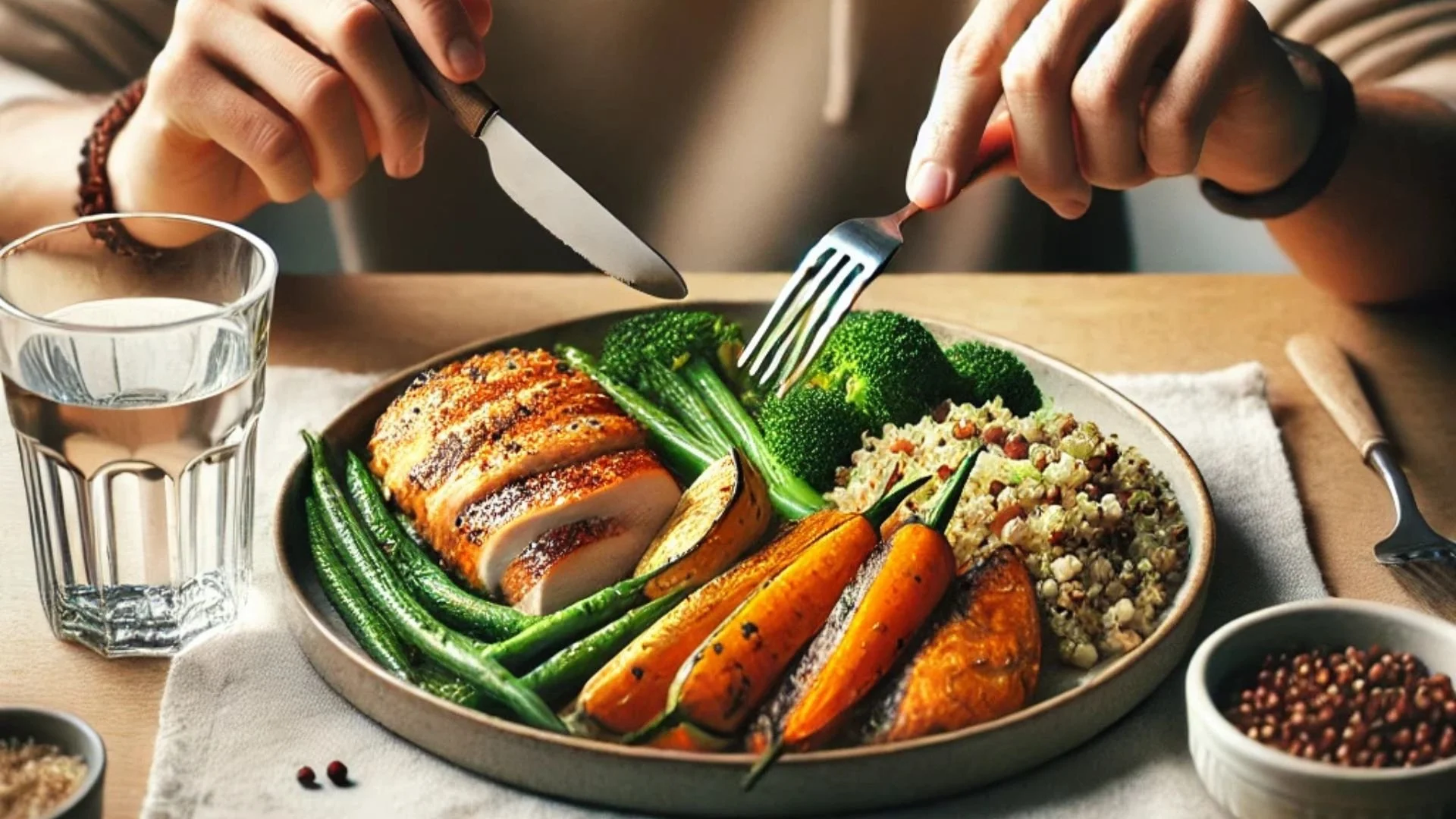
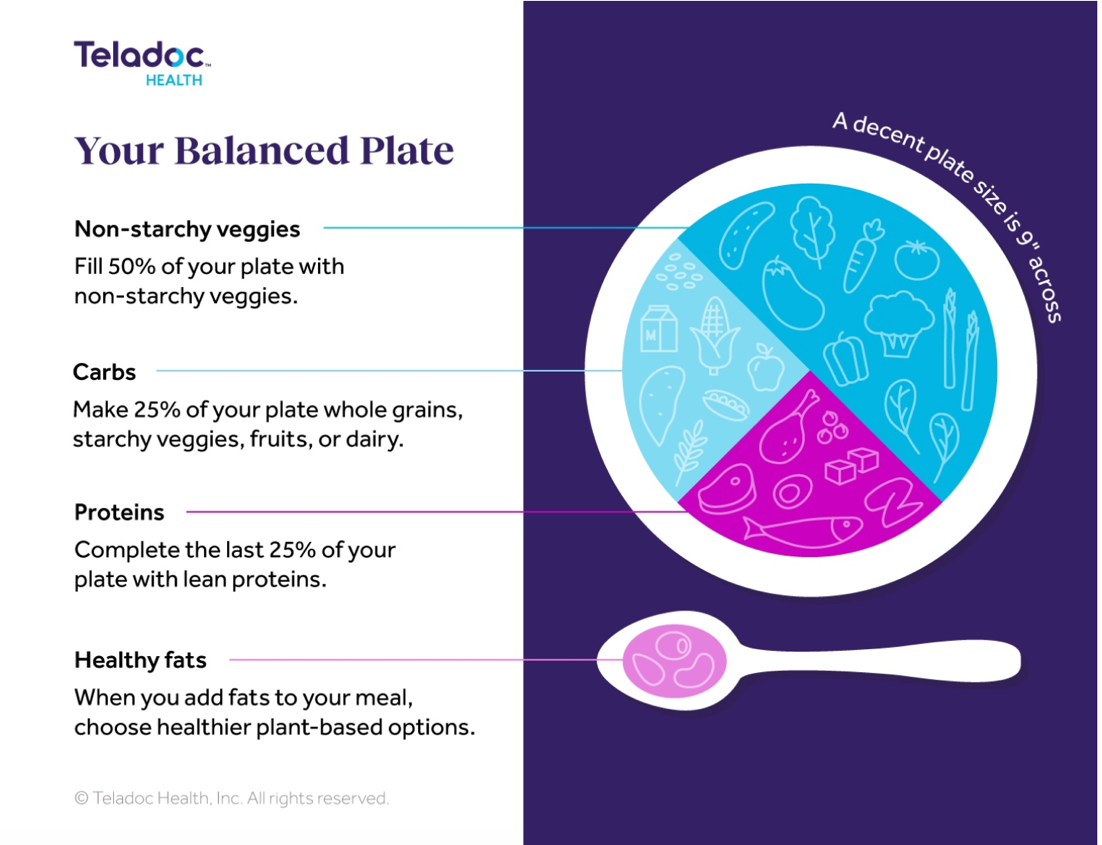
Include protein-rich foods like eggs, chicken, fish, Greek yogurt, and cottage cheese in your diet. Aim for lean protein sources and vary your protein intake throughout the week. Fiber-rich foods, such as fruits, vegetables, and whole grains, should also be included in your diet to promote digestive health.
Why Antioxidants are Crucial on a GLP-1 Diet
As we age, our bodies undergo oxidative stress, leading to chronic inflammation and age-related diseases. Antioxidants help neutralize free radicals, promoting a healthy and balanced diet on a GLP-1 regimen. Include antioxidant-rich foods like berries, leafy greens, and other fruits and vegetables in your diet to mitigate oxidative stress and support overall health.
Resistance Training for Skin Elasticity and Muscles
Resistance training is essential for maintaining muscle mass, promoting skin elasticity, and enhancing bone density as we age. Incorporate this component into your exercise routine, focusing on exercises that engage your core, upper, and lower body.
Conclusion
Understanding how to age well on a GLP-1 diet involves combining a balanced, nutrient-rich diet with exercise and lifestyle modifications. By focusing on protein intake, fiber, and antioxidants, minimizing nutrient deficiencies and side effects, and emphasizing resistance training, you can thrive on a GLP-1 regimen. Prioritize your overall well-being, enhance energy levels, and support long-term weight management for a healthy and balanced aging process.


![GLP-1 Diet: Foods to Eat, Avoid & Sample Meal Plan [2026]](https://images.squarespace-cdn.com/content/v1/5c3114b61aef1d5cf654532c/e9736776-e1e3-466d-8b51-e9ea2a0f62e1/GLP-1+BLUEPRINT.png "GLP-1 Diet: Foods to Eat, Avoid & Sample Meal Plan [2026]")