GLP-1 Therapy for Type 2 Diabetes Treatment: A Paradigm Shift in Healthcare
Introduction
Type 2 diabetes, a chronic metabolic disorder affecting millions of people worldwide, has long been managed with traditional treatment options such as metformin, sulfonylureas, and insulin therapy. However, the introduction of GLP-1 therapy has revolutionized the treatment landscape for type 2 diabetes, offering a new era of effective glucose control, weight management, and cardiovascular protection. In this article, we will delve into the world of GLP-1 therapy, exploring its mechanisms of action, benefits, and limitations, providing a comprehensive understanding of this novel treatment approach.What is GLP-1 Therapy?
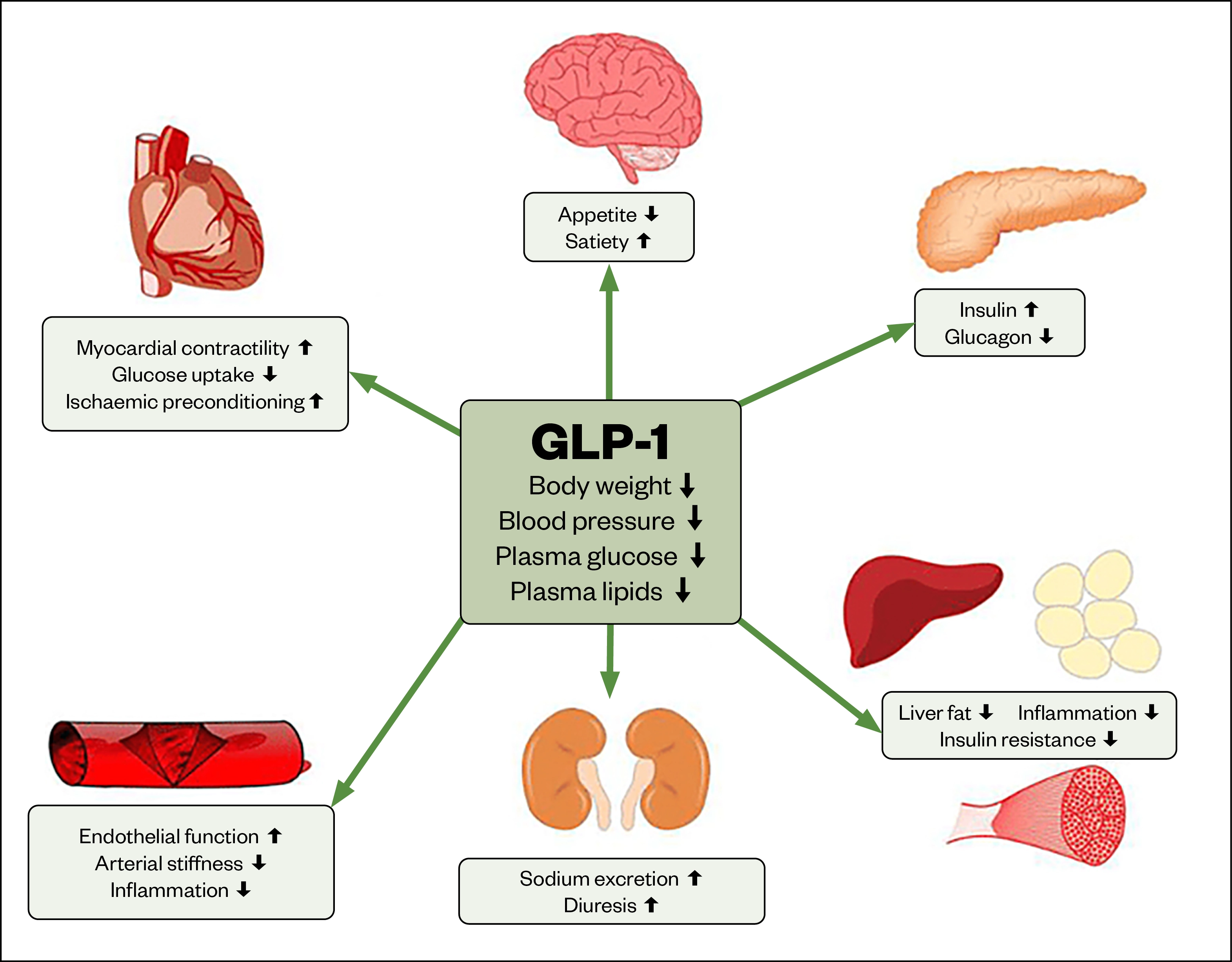
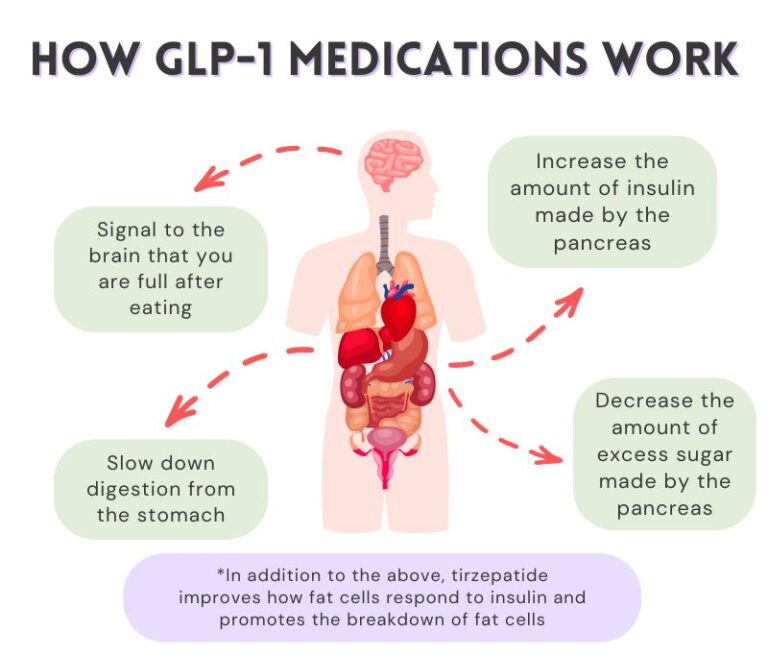
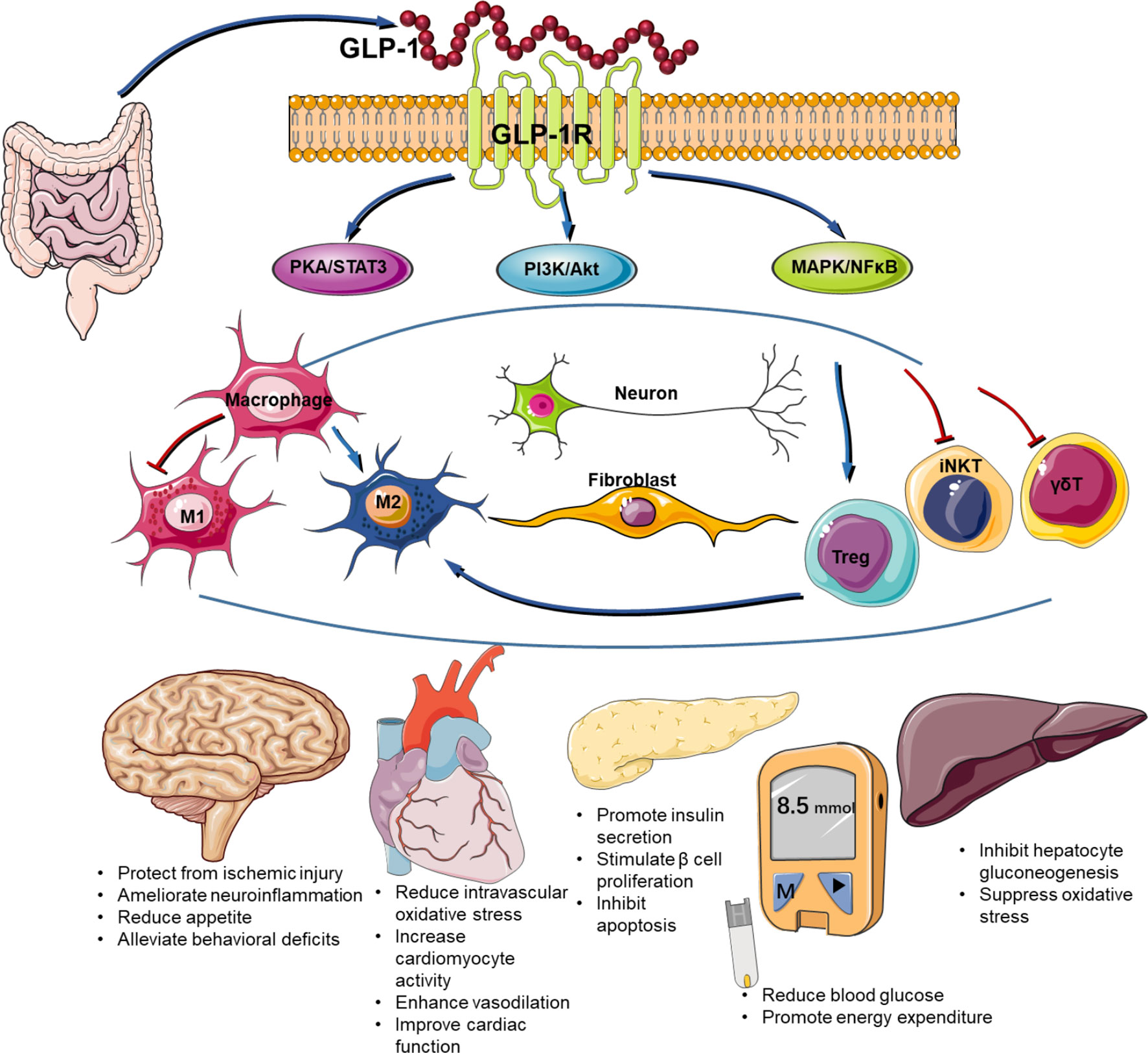
GLP-1 (Glucagon-like peptide-1) is an incretin hormone produced by the intestines in response to food intake. It plays a crucial role in glucose homeostasis by enhancing insulin secretion, suppressing glucagon release, and delaying gastric emptying. GLP-1 receptor agonists (GLP-1RAs) mimic the actions of endogenous GLP-1, stimulating the GLP-1 receptor to produce a range of beneficial effects, including improved glycemic control, weight loss, and reduced cardiovascular risk.Benefits of GLP-1 Therapy
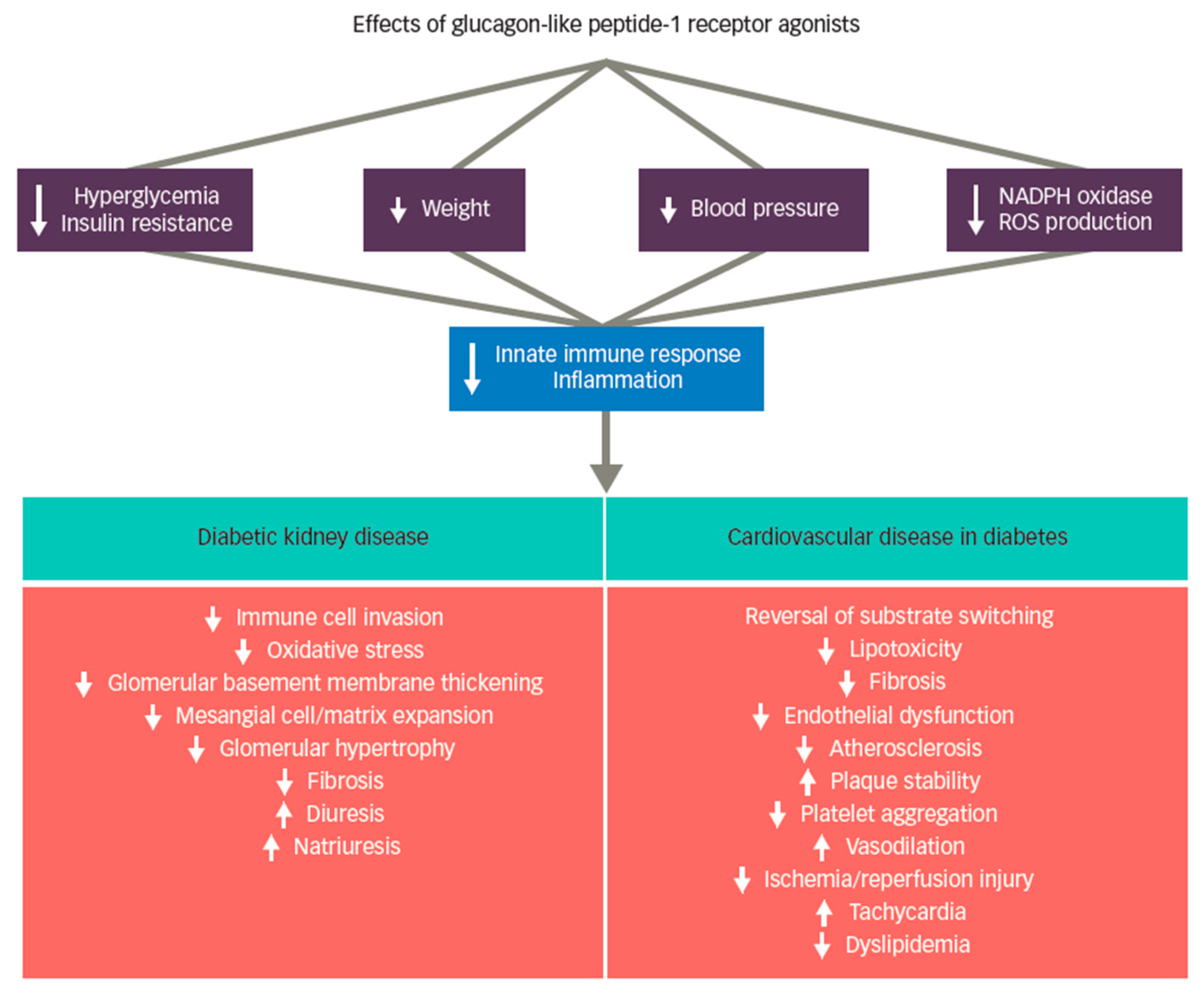
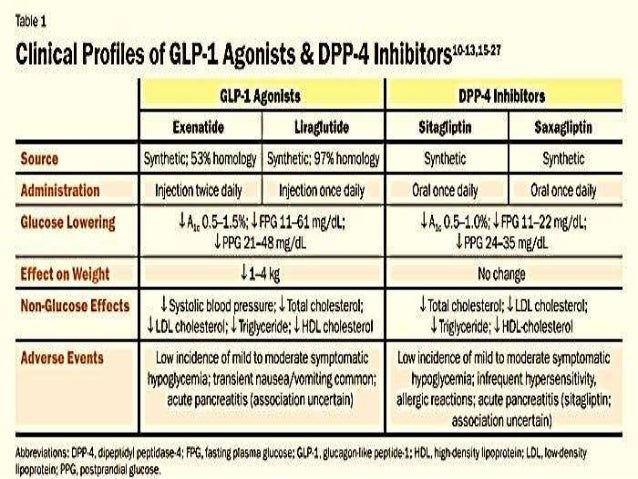
The benefits of GLP-1 therapy in managing type 2 diabetes and obesity are well-documented. Studies have consistently shown that GLP-1RAs: * Improve glycemic control by reducing HbA1c levels * Promote weight loss by enhancing satiety and reducing food intake * Lower cardiovascular risk by reducing blood pressure, heart rate, and lipid profiles * Improve kidney function and reduce the risk of renal disease progressionGLP-1 Therapies: A Comparison