Understanding the Risks: GLP-1 Receptor Agonist Side Effects
What are GLP-1 Receptor Agonist Side Effects?
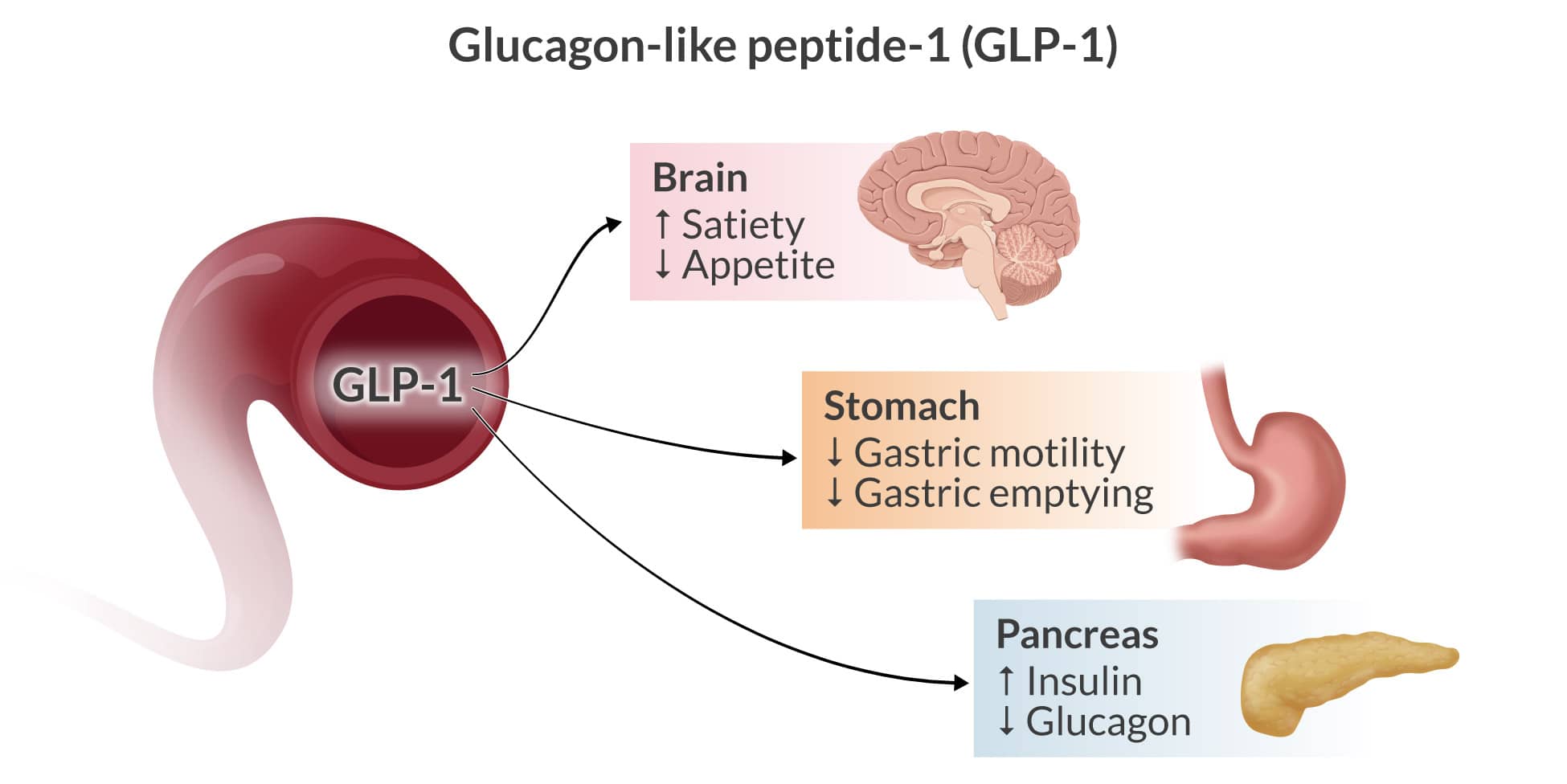
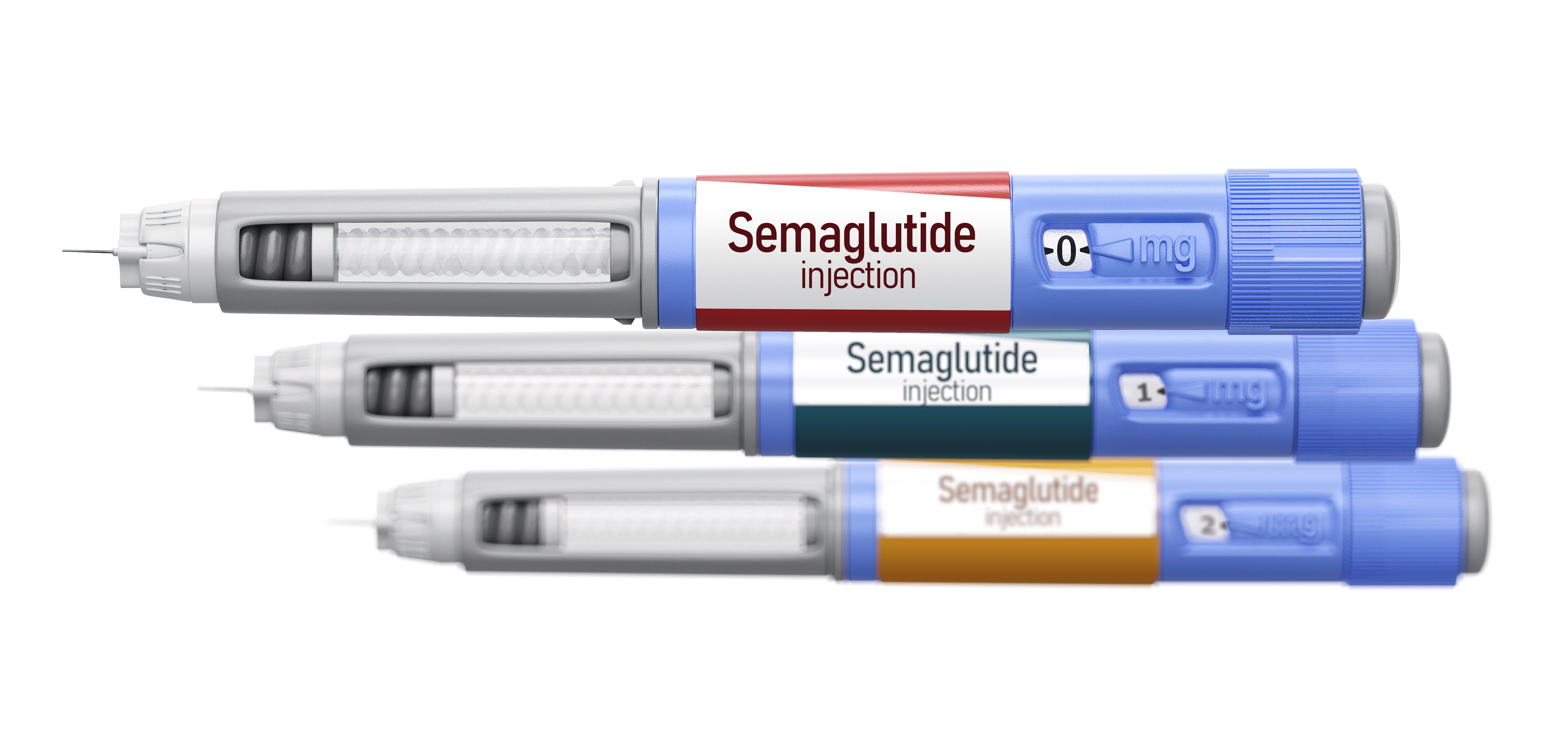
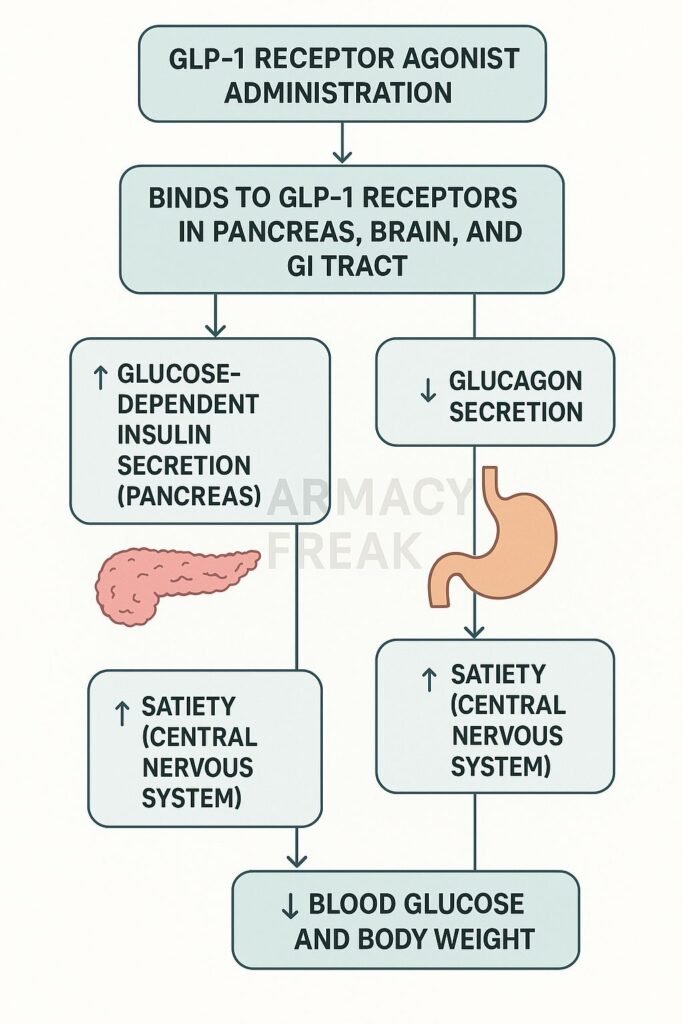
If you're considering using GLP-1 receptor agonists to manage your Type 2 diabetes or obesity, it's essential to be aware of the potential side effects associated with these medications. GLP-1 receptor agonists are a class of injectable medications that mimic the natural hormone glucagon-like peptide-1 (GLP-1) in the body. While they are effective in managing glucose levels and promoting weight loss, they can also cause a range of side effects.Common GLP-1 Receptor Agonist Side Effects
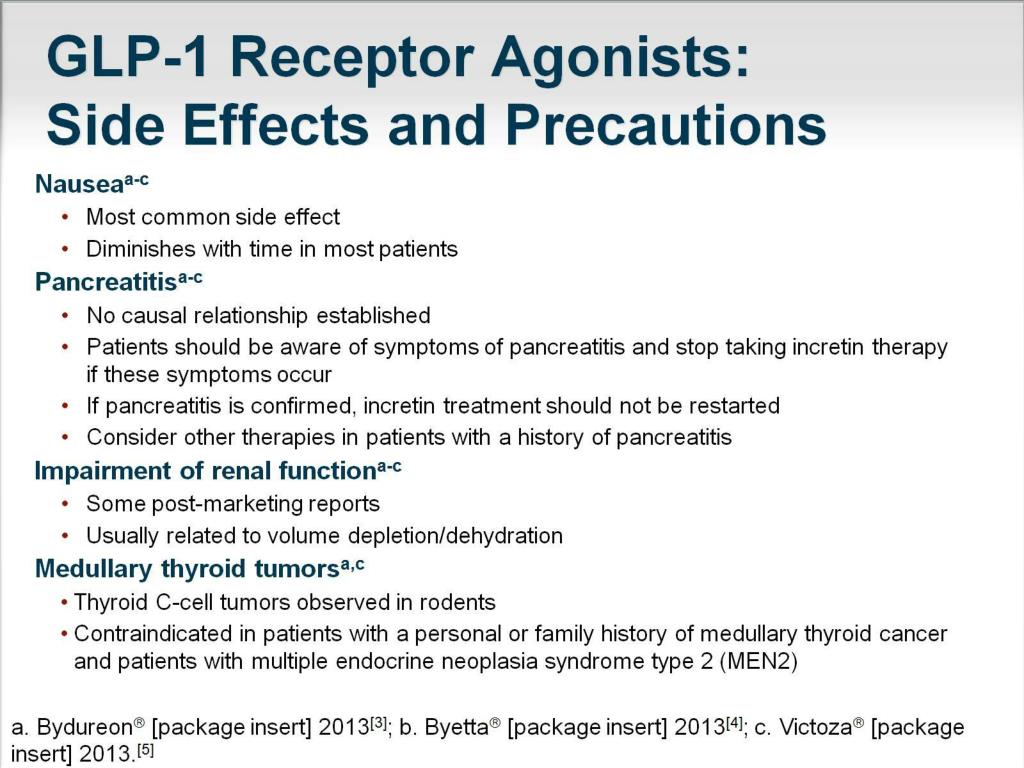
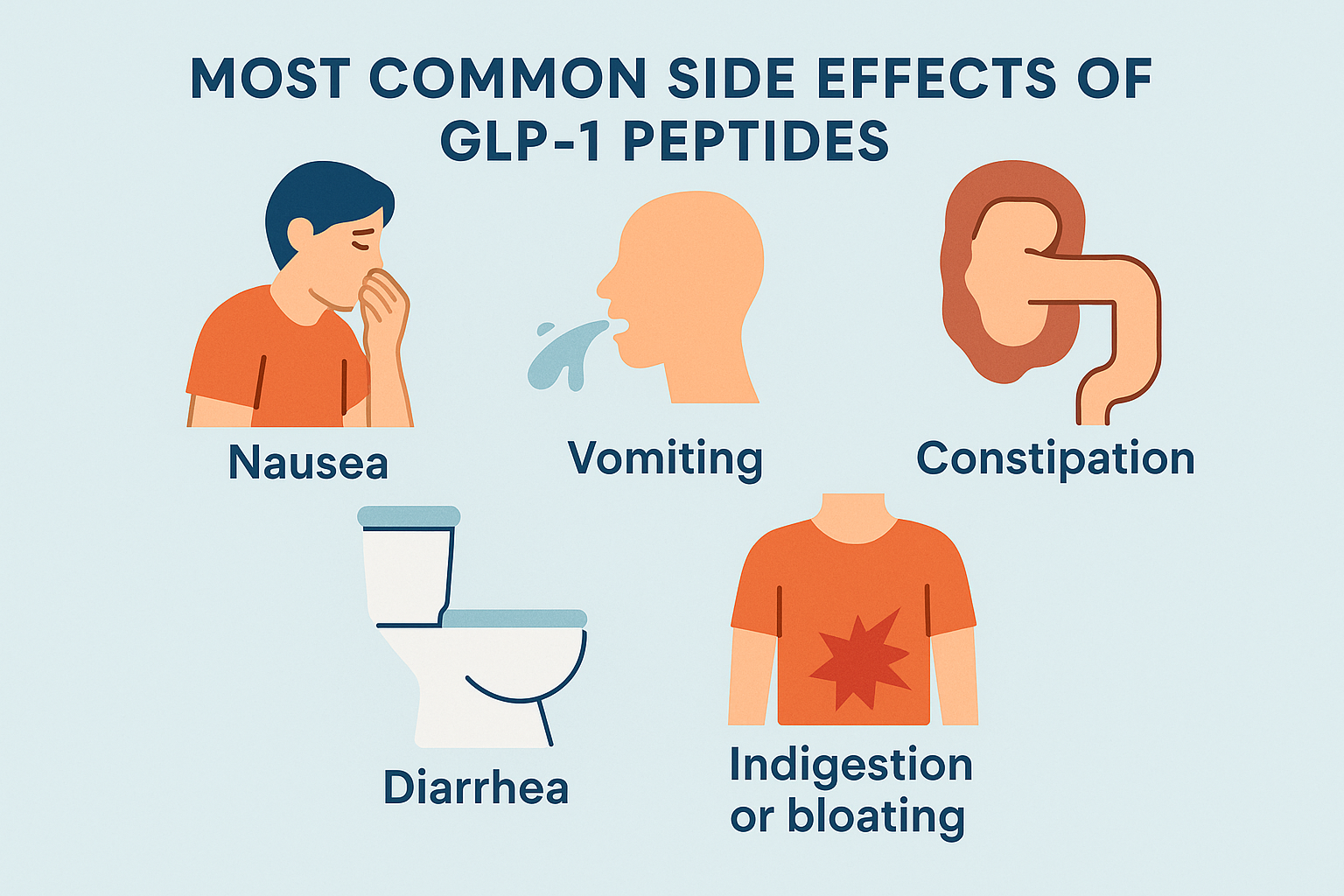
The most frequently reported side effects of GLP-1 receptor agonists are gastrointestinal (GI) related and can include:- Nausea: This is one of the most common side effects, occurring in up to 40% of patients, depending on the dose and medication used.
- Diarrhea: Diarrhea is another common GI side effect, affecting around 10-30% of patients.
- Vomiting: Nausea can often lead to vomiting, which can be a significant burden for patients.
- Abdominal Pain: Stomach discomfort, pain, and cramping can occur in some patients.
- Flatulence: Some patients may experience gas, bloating, and other gastrointestinal discomfort.
- Headaches: Mild to moderate headaches are a common side effect of GLP-1 receptor agonists.
Long-term GLP-1 Receptor Agonist Side Effects

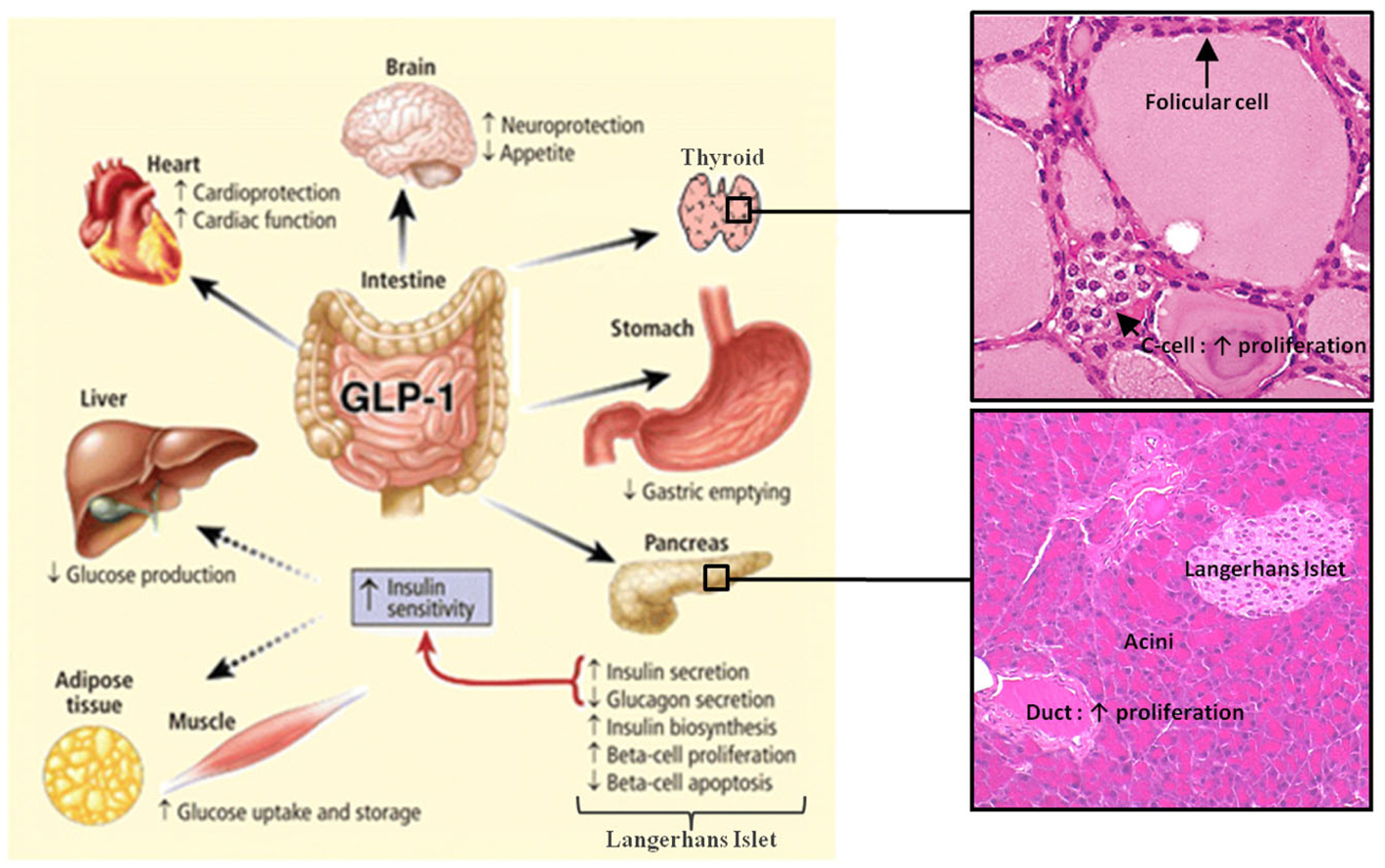
- Thyroid C-Cell Tumors: Rare cases of thyroid C-cell tumors have been reported in conjunction with the use of GLP-1 receptor agonists.
- Acute Kidney Injury (AKI): Although rare, AKI has been linked to the use of GLP-1 receptor agonists in some patients.
- Pancreatitis: Patients using GLP-1 receptor agonists may be at a higher risk of developing pancreatitis, an inflammation of the pancreas.
- Joint Pain: Some patients may experience joint pain and stiffness, particularly in the hands and feet.
Managing GLP-1 Receptor Agonist Side Effects
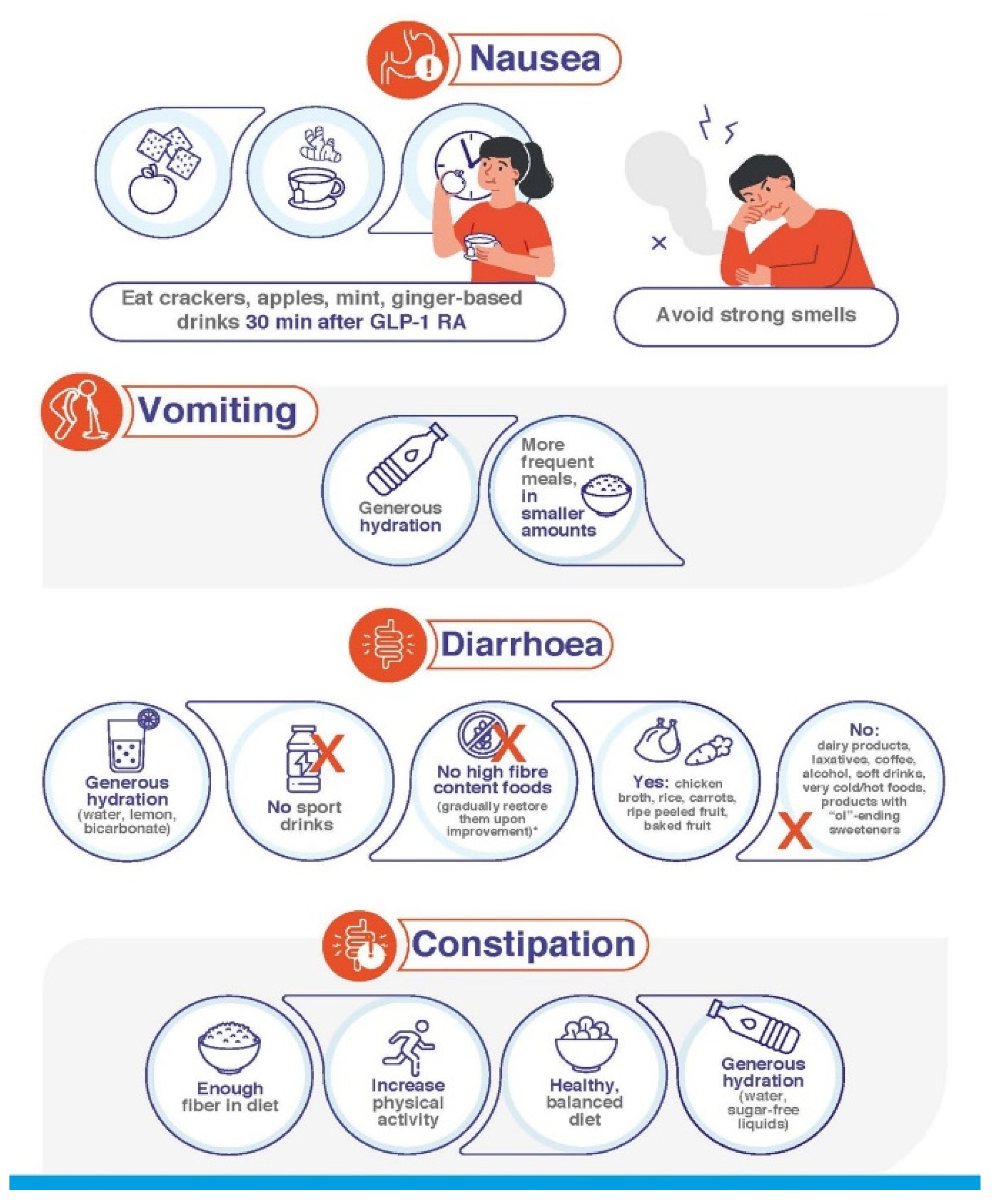
While the side effects of GLP-1 receptor agonists can be significant, there are ways to manage them. Some strategies include:- Starting on a lower dose and gradually increasing it as your body acclimates
- Following a proper diet and exercise plan
- Drinking plenty of water to stay hydrated and alleviate gastrointestinal issues
- Communicating openly with your care team to adjust your treatment plan or switch medications