GLP-1 Receptor Agonist Efficacy in Metabolic Health: A Comprehensive Review
Introduction
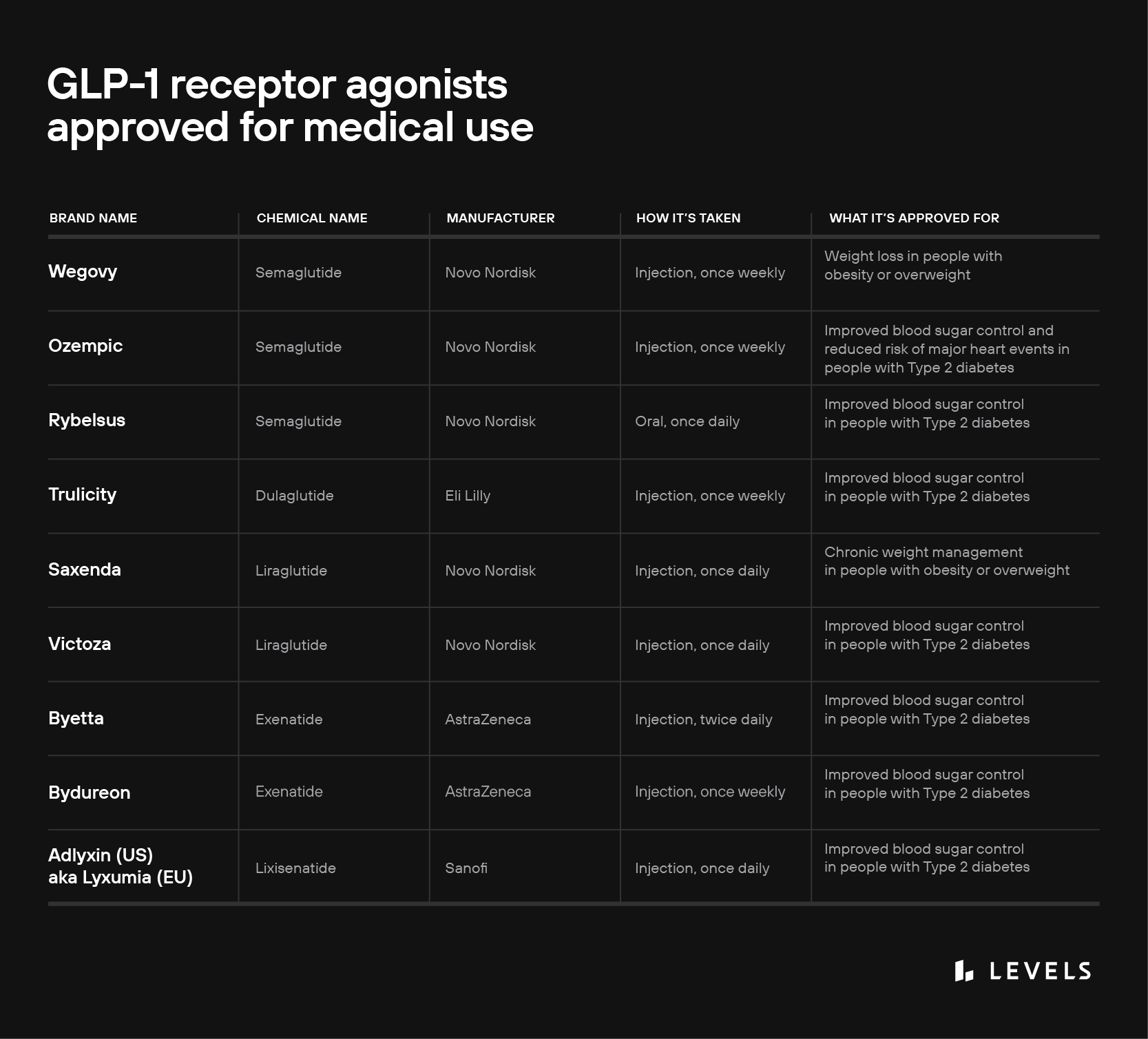
Glucagon-like peptide-1 receptor agonists (GLP-1RAs) have revolutionized the treatment of metabolic disorders, particularly obesity and type 2 diabetes. These medications have been shown to offer substantial weight loss and metabolic benefits, making them a cornerstone in the management of these conditions. This review aims to examine the expanding role of GLP-1RAs, evaluating their efficacy compared to alternative treatments, emerging indications, ongoing challenges, and future directions.Efficacy of GLP-1RAs in Metabolic Health
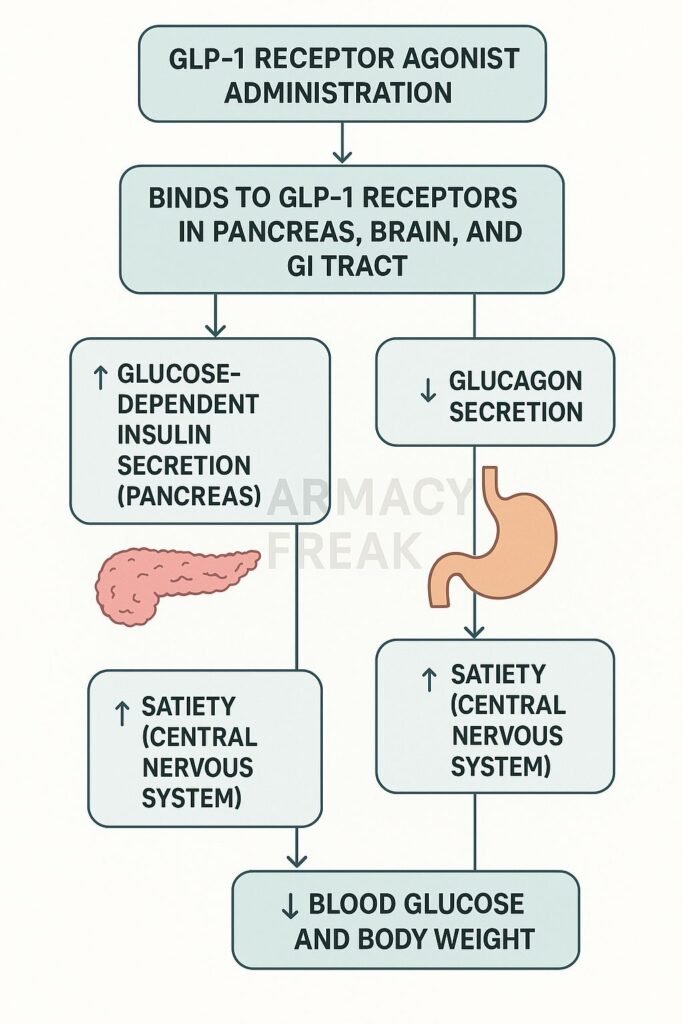
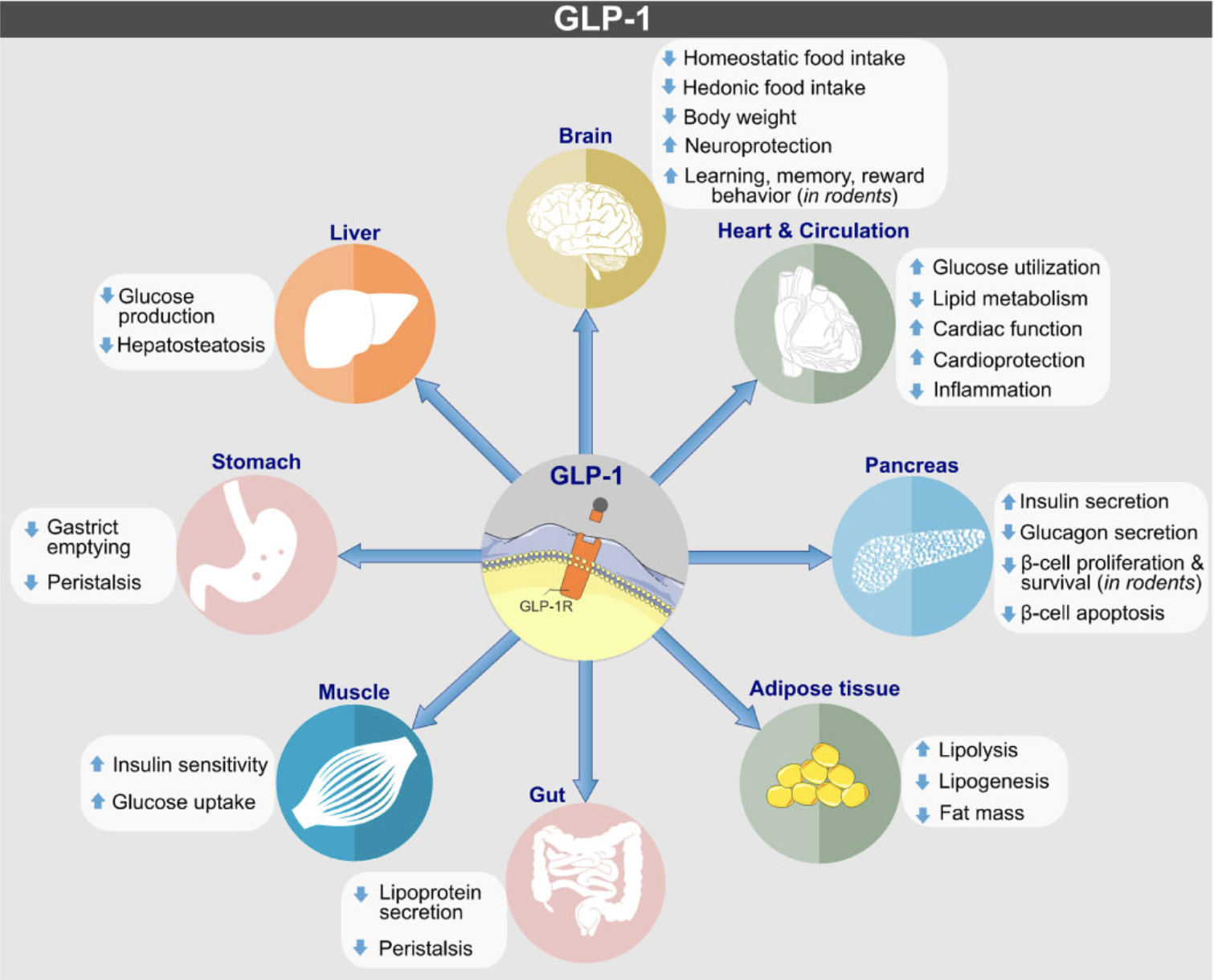
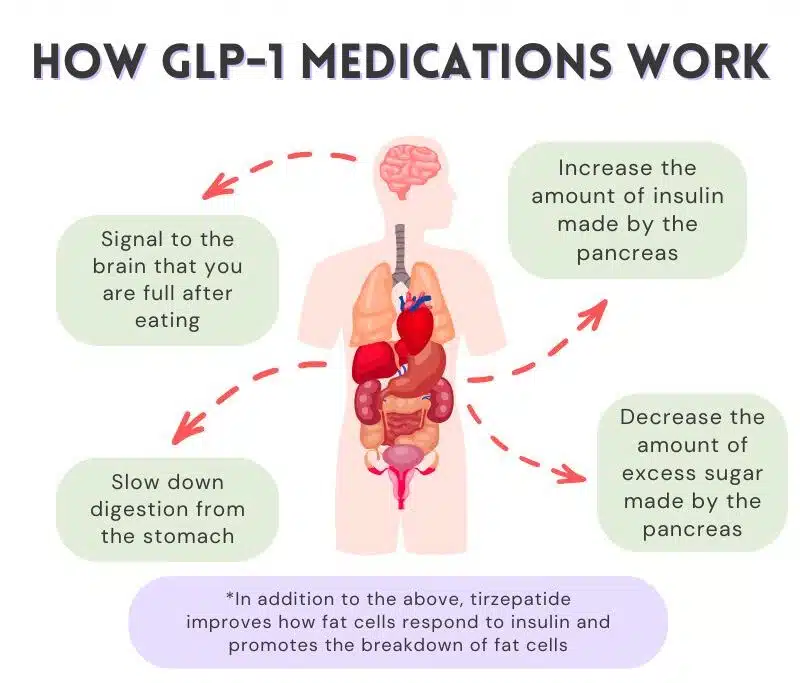
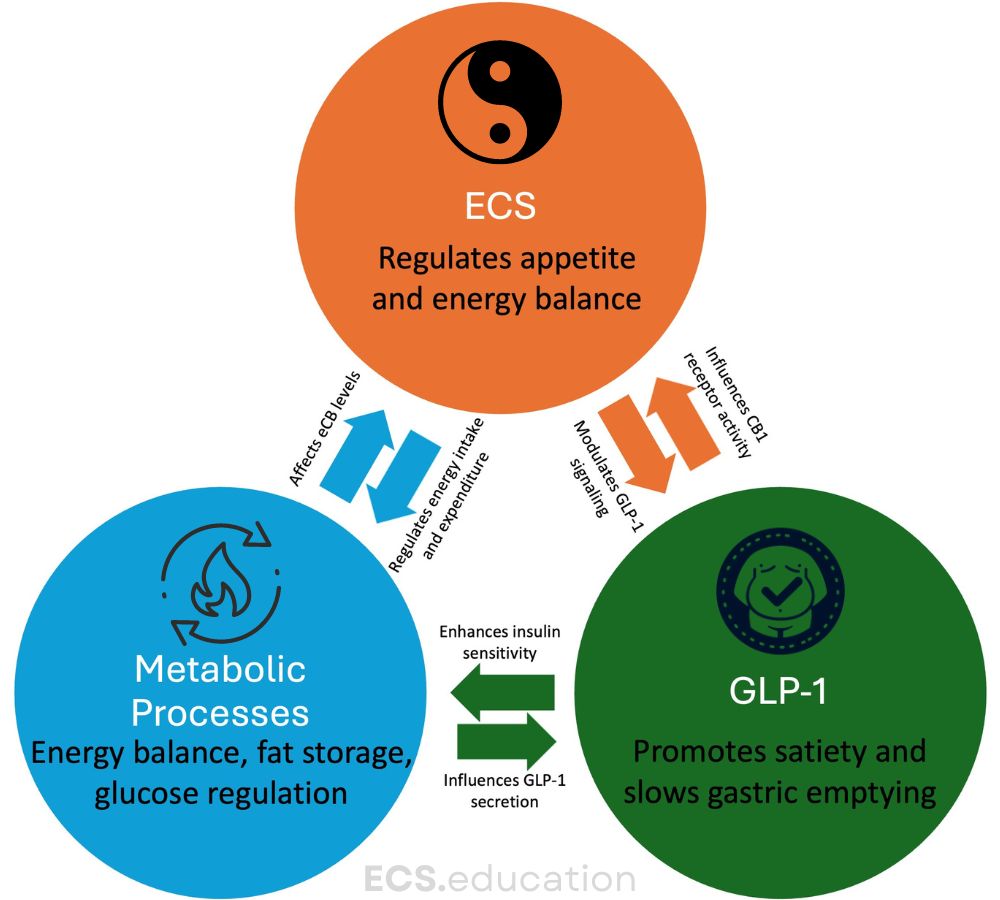
GLP-1RAs work by mimicking the natural GLP-1 hormone, which is released by the gut in response to eating. This hormone has several effects that help regulate blood sugar levels, hunger, and slow digestion. By activating the GLP-1 receptor, these medications have been shown to improve glucose homeostasis, reduce body weight, and lower the risk of cardiovascular events.Emerging Indications for GLP-1RAs
Beyond their established role in managing type 2 diabetes and obesity, GLP-1RAs are being explored for their potential benefits in various metabolic conditions, including liver and kidney disease, cardiovascular disease, and even mental health disorders.Multi-Receptor Agonists: A New Wave of GLP-1RAs
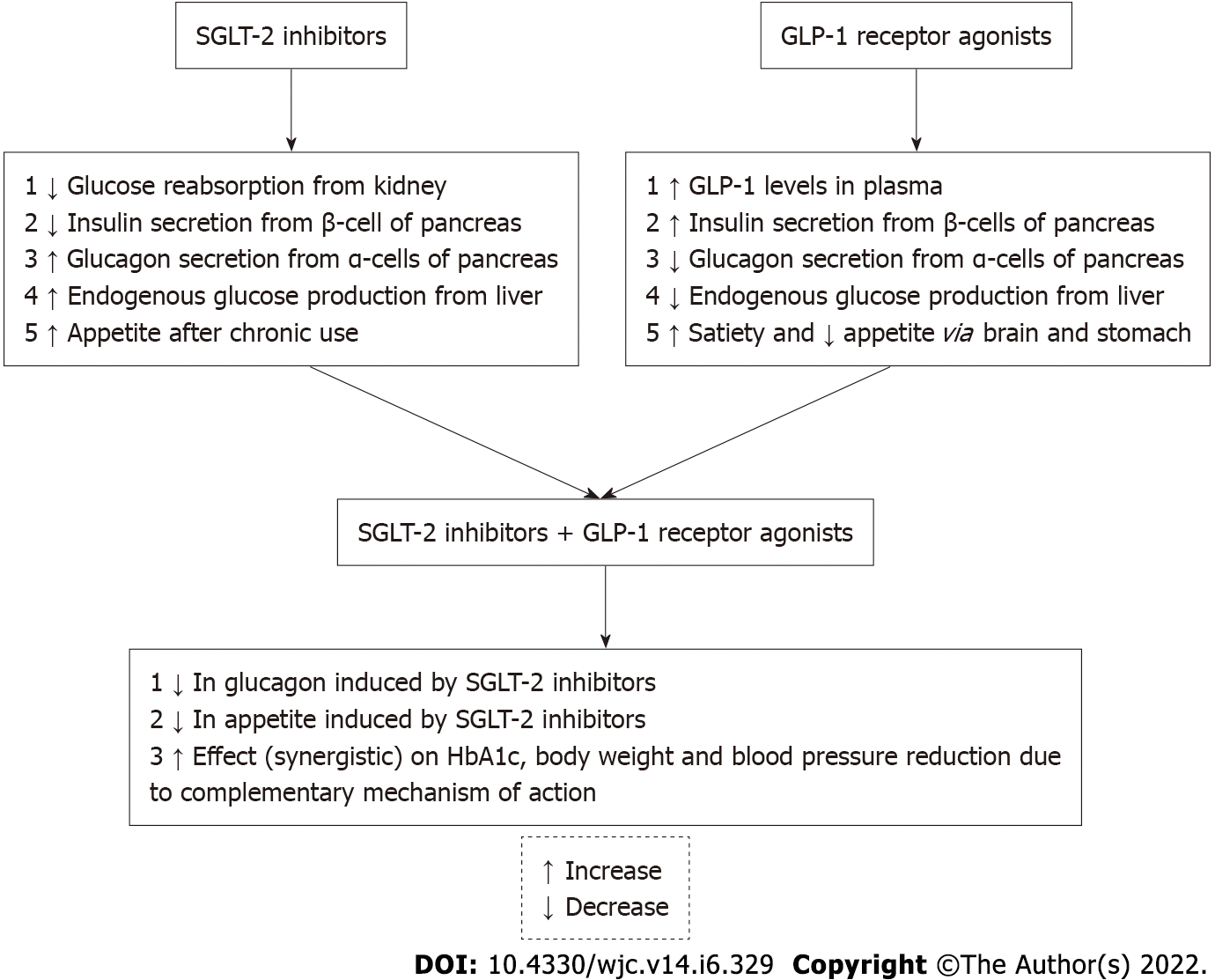
The development of multi-receptor agonists, which activate multiple receptors including GLP-1, glucose-dependent insulinotropic polypeptide (GIP), and glucagon, has shown promising results in clinical trials. These agents exert synergistic effects on appetite suppression, glycemic control, and energy expenditure.Oral GLP-1RAs: A Step Towards Patient-Centered Therapy

Advancements in GLP-1RAs: Retatrutide and Beyond
Recent studies have shown promising results for retatrutide, a triple receptor agonist that activates GLP-1, GIP, and glucagon receptors. This agent has demonstrated impressive efficacy in reducing A1C levels and promoting weight loss, offering a new direction in GLP-1RA development.From Type 2 Diabetes to Mental Health: The Broadening Scope of GLP-1RAs
While GLP-1RAs were initially developed for type 2 diabetes treatment, emerging evidence suggests their potential benefits in mental health disorders. Clinical depression symptoms have been reported in patients on GLP-1RA therapy, indicating a broader therapeutic scope for these agents.Conclusion
In conclusion, GLP-1RAs have transformed the treatment landscape of metabolic disorders, offering substantial weight loss and metabolic benefits. As research continues to expand their role beyond type 2 diabetes and obesity, these agents are likely to shape the future of chronic disease management. While ongoing challenges and future directions exist, the emergence of multi-receptor agonists, oral GLP-1RAs, and retatrutide offer promising avenues for further investigation.References:
- Summary Glucagon-like peptide-1 receptor agonists (GLP-1RAs) have transformed obesity management, offering substantial weight loss and metabolic benefits. This review examines their expanding role, evaluating efficacy compared to alternative treatments, emerging indications, ongoing challenges, and future directions.
- Abstract Glucagon-like peptide-1 receptor agonists (GLP-1RAs) have emerged as a cornerstone in the treatment of type 2 diabetes mellitus (T2DM), offering potent glycemic control, weight reduction, and cardiovascular benefits.
- Background: Obesity and metabolic syndrome are major global health challenges, contributing significantly to the burden of cardiovascular diseases, diabetes, and other comorbidities. Despite the availability of numerous treatment options, long-term weight loss and sustained metabolic improvements remain elusive for many patients.
- Apr 17, 2025 Glucagon-like peptide-1 receptor agonists (GLP-1RAs) have emerged as a promising therapeutic option beyond their established role in managing type 2 diabetes mellitus (T2DM) and obesity.
- Jun 1, 2025 Abstract Glucagon-like peptide-1 (GLP-1) receptor agonists (RA) have become central in managing obesity and type 2 diabetes, primarily through appetite suppression and metabolic regulation.
- 7 days ago Glucagon-like peptide-1 receptor agonists (GLP-1RAs) have transformed the treatment of metabolic conditions such as obesity and diabetes.
- Oct 5, 2024 Such rigor strengthens the argument for GLP-1RAs as a potentially beneficial therapeutic option for managing mental health issues alongside type 2 diabetes.
- 2 days ago Efficacy of lifestyle modification combined with GLP-1 receptor agonists on body weight and cardiometabolic biomarkers in individuals with overweight or obesity eClinical Medicine, 2025. Systematic review and meta-analysis.
- Mar 4, 2026 The use of second-generation glucagon-like peptide-1 receptor agonists (GLP-1RAs), such as semaglutide and tirzepatide, has increased significantly owing to their notable efficacy and expanding indications in patients with overweight or obesity and related comorbidities.