GLP-1 and Mindful Eating Stress Management: A Powerful Combination
Managing stress and emotions can be a significant challenge for individuals who struggle with food cravings, overeating, and disordered eating. Recent studies have shown that GLP-1, a hormone that influences appetite and reward processes, may play a role in stress-related eating behaviors. In this article, we'll explore the connection between GLP-1 and mindful eating, and how this combination can help individuals manage stress and develop healthier relationships with food.
The Connection Between GLP-1 and Mindful Eating
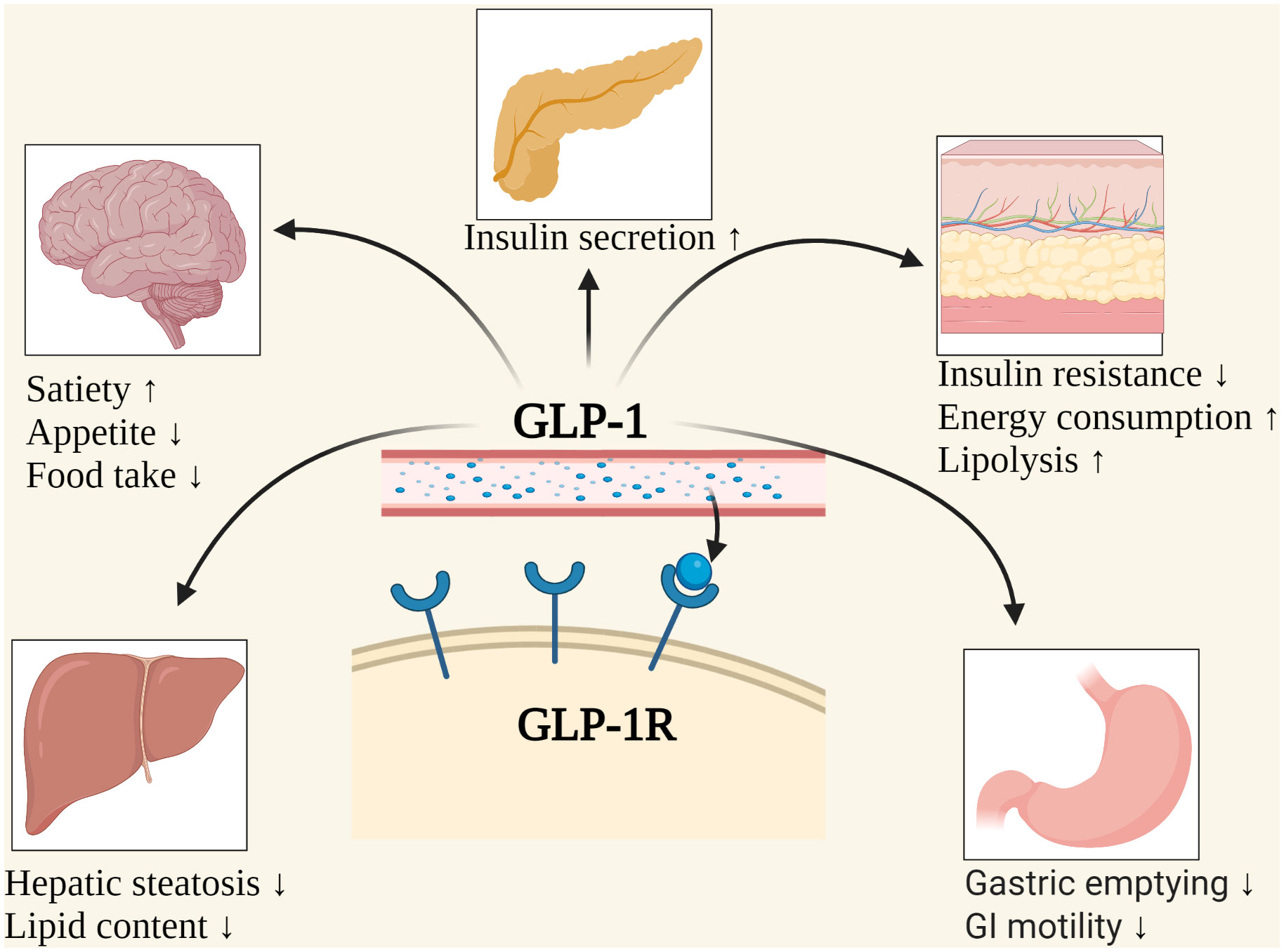
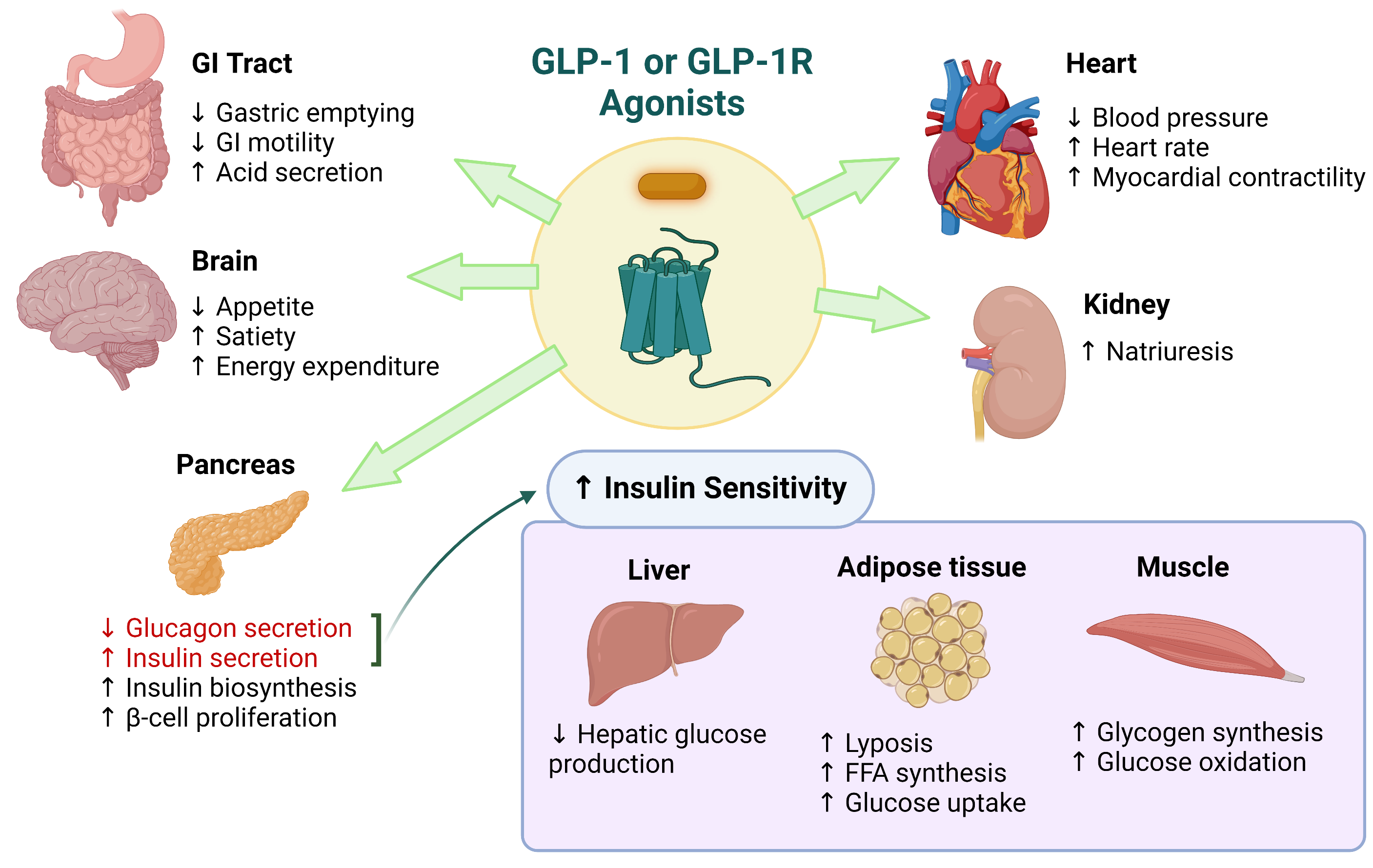
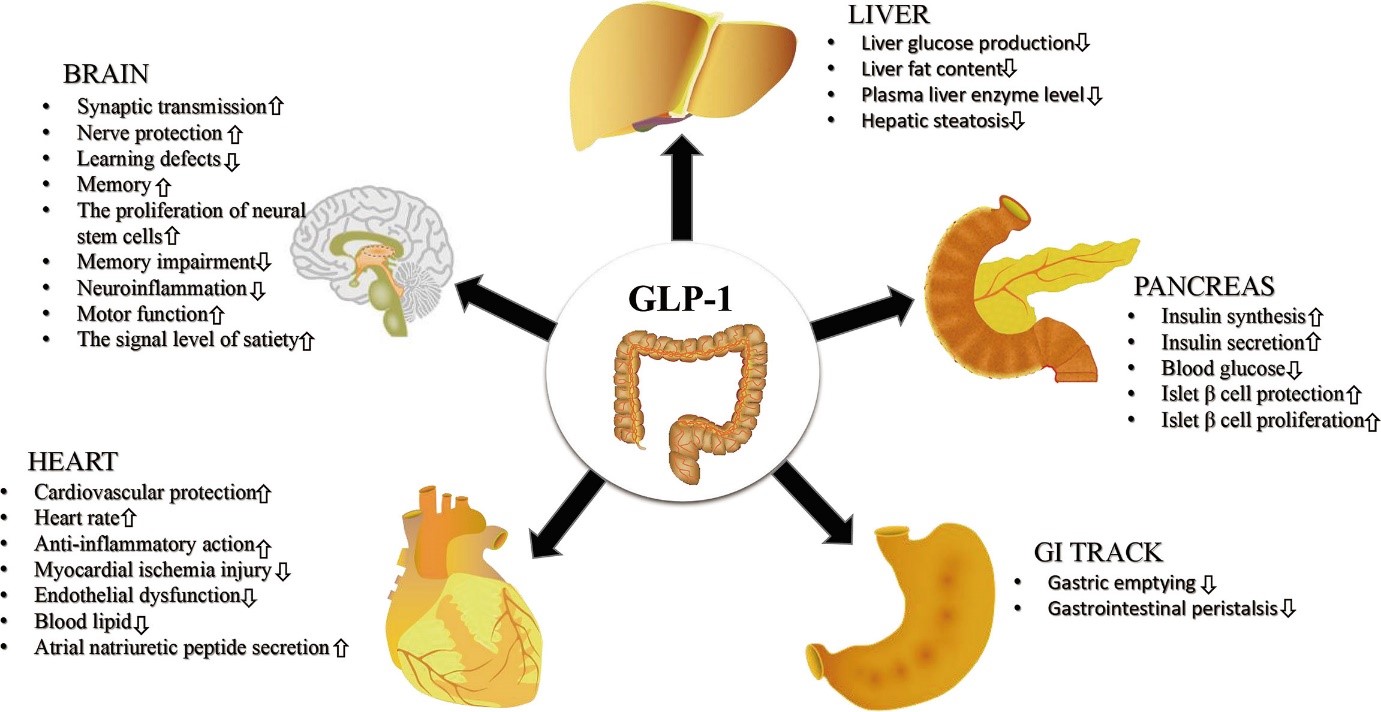
GLP-1, or glucagon-like peptide-1 receptor agonists (GLP-1RAs), are a class of medications that have been used to treat type 2 diabetes and obesity. These medications work by modifying the biological signals that drive excessive appetite, helping individuals feel full and satisfied. However, a growing body of research suggests that GLP-1 may also have a role in reducing stress-related eating behaviors, offering an additional layer of appetite control.
How GLP-1 Supports Mindful Eating
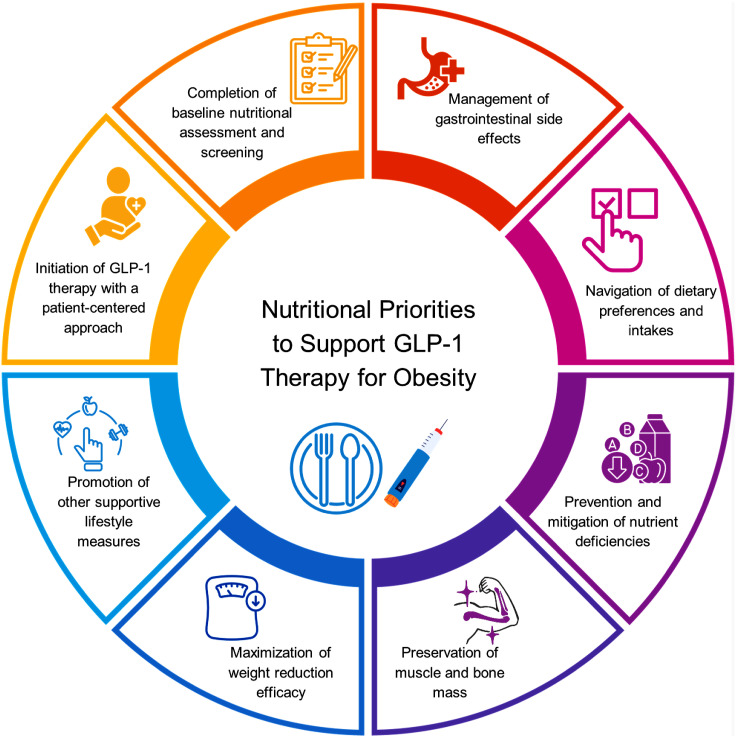
GLP-1 medications can help individuals adopt healthier habits by reducing the urgency behind cravings and promoting feelings of fullness. This allows individuals to develop a more mindful relationship with food, focusing on structure and planning rather than relying on cravings. By incorporating these medications with mindful eating practices, individuals can create a powerful combination that addresses both physical and psychological factors influencing their eating habits.
The Benefits of Mindfulness in GLP-1 Therapy
Research has shown that mindfulness can be a valuable tool for managing stress and emotion-related eating. By cultivating mindfulness, individuals can become more aware of their thoughts, emotions, and physical sensations, allowing them to develop healthier relationships with food and their bodies. When combined with GLP-1 medications, mindfulness practices can help individuals:
- Reduce stress and emotion-related eating
- Develop a more balanced diet that supports weight loss goals
- Improve overall mental and emotional well-being
- Enhance the effectiveness of GLP-1 medications

Practical Strategies for Combining GLP-1 and Mindful Eating
To make the most of GLP-1 and mindful eating strategies, individuals can incorporate the following practices into their daily routine:
- Practice mindful eating by paying attention to hunger and fullness cues
- Engage in regular physical activity and exercise to reduce stress
- Establish a consistent sleep schedule and prioritize rest
- Develop a healthy relationship with food by avoiding restrictive dieting and emotional eating
- Seek support from healthcare professionals, therapists, and support groups
Conclusion
Combining GLP-1 medications with mindful eating strategies can be a powerful tool for managing stress and developing healthier relationships with food. By addressing both physical and psychological factors influencing eating habits, individuals can achieve sustainable weight loss and improve overall well-being. Remember, GLP-1 medications are a tool, not a quick fix – and should be used in conjunction with a holistic approach to nutrition, exercise, and stress management.
Resources
- Harvard Medical School: "The Benefits of Mindfulness" https://www.health.harvard.edu/staying-healthy/mindfulness-the-peaceful-way-to-better-wellness
- National Eating Disorders Association: "Mindful Eating and Eating Disorders" https://www.nationaleatingdisorders.org/learn/mindful-eating-еating-disorders
- Mayo Clinic: "GLP-1 Receptor Agonists for Weight Loss" https://www.mayoclinic.org/diseases-conditions/obesity/expert-answers/glucagon-like-peptide-1-receptor-agonists/faq-20415523