**GLP-1 and Insulin Resistance Treatment: A New Frontier in Diabetes Management**
Glucagon-like peptide-1 (GLP-1) receptor agonists have revolutionized the treatment of insulintolerance and insulin resistance. These medications, originally developed to treat type 2 diabetes, have shown significant potential in reducing weight and improving insulin sensitivity. In this article, we will delve into the world of GLP-1 and insulin resistance treatment, exploring the mechanisms of action, benefits, and potential risks of these life-changing medications.
**What is GLP-1 and How Does it Work?**
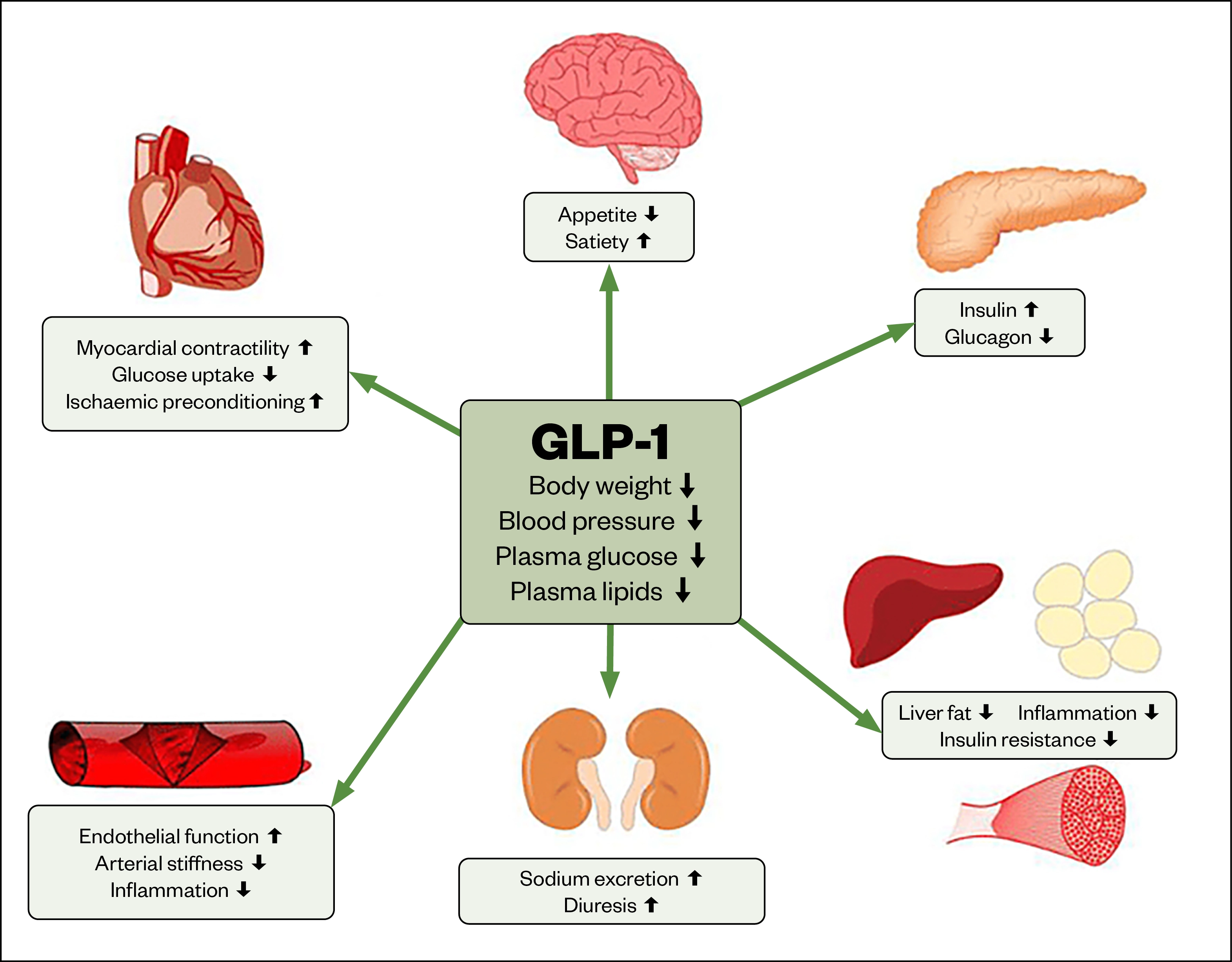
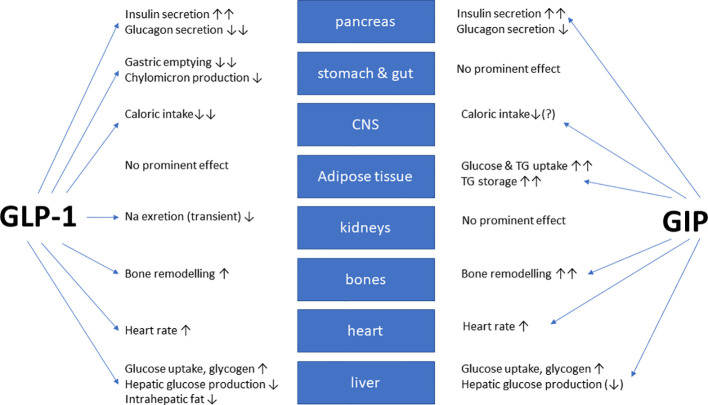
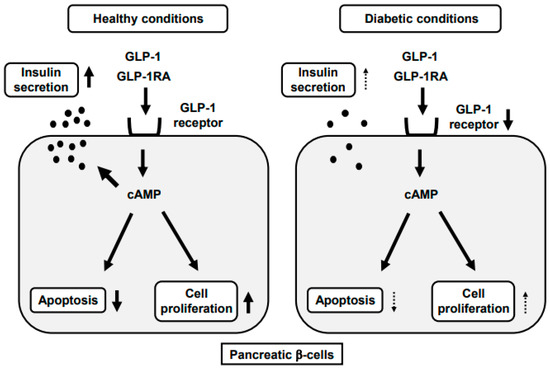
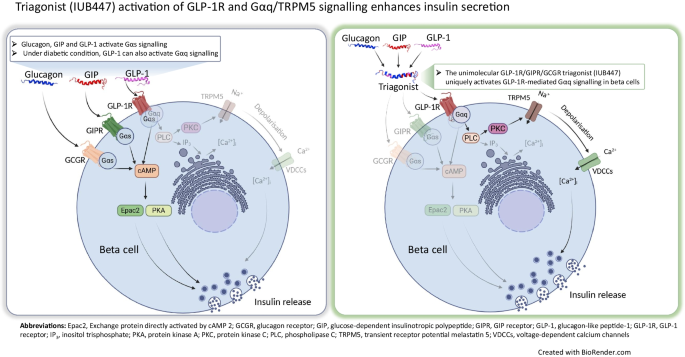
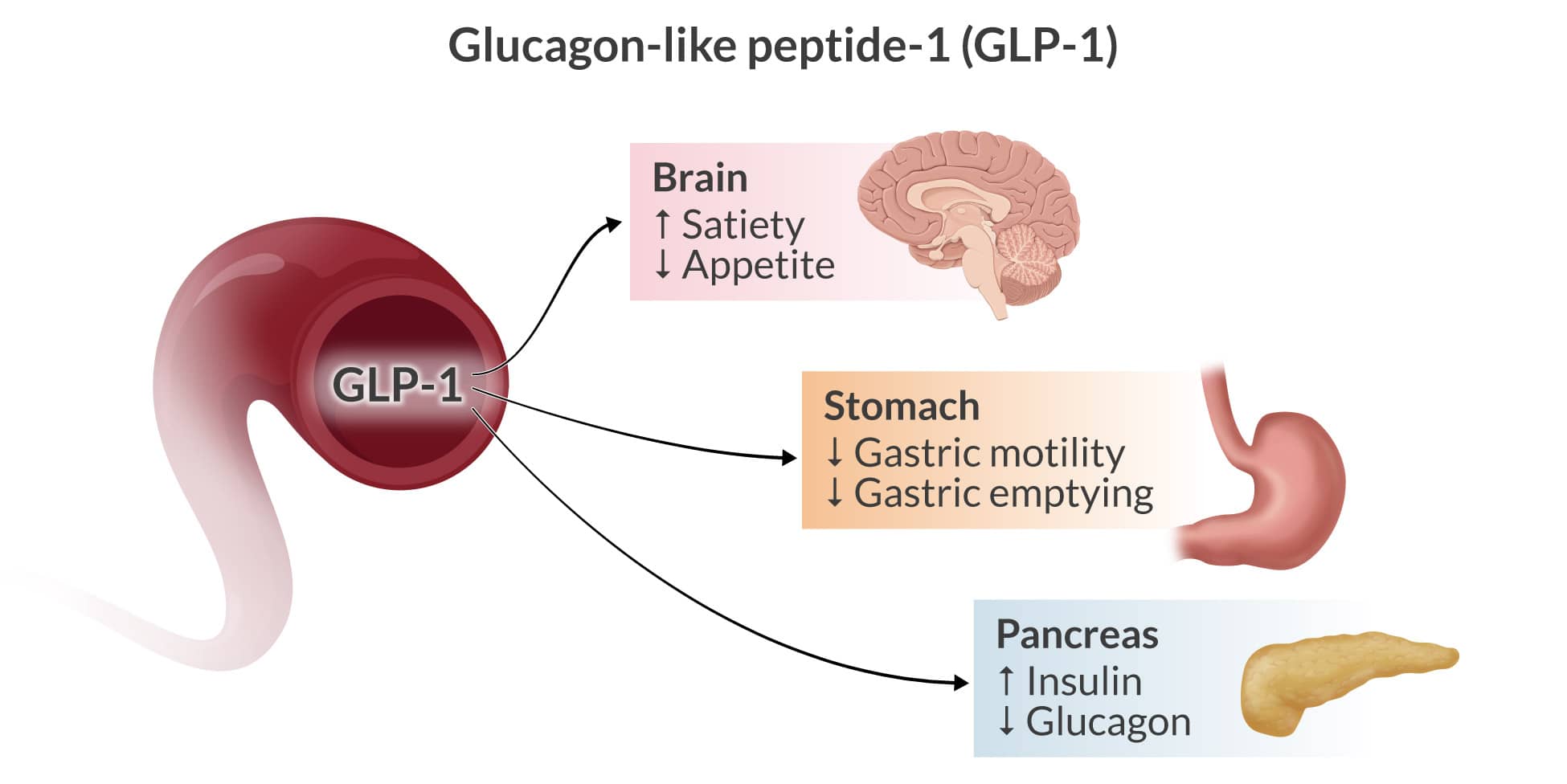
GLP-1 is a natural hormone produced by the intestines in response to food intake. It plays a crucial role in regulating blood sugar levels and appetite control. GLP-1 receptor agonists mimic the actions of GLP-1, stimulating insulin release, slowing gastric emptying, and reducing glucagon production, leading to improved glucose control and weight loss.
**The Benefits of GLP-1 in Insulin Resistance Treatment**
Research has shown that GLP-1 receptor agonists can:
* **Improve insulin sensitivity**: By enhancing glucose-dependent insulin secretion and reducing glucagon levels, GLP-1 agonists can help restore normal insulin function and reduce insulin resistance.
* **Reduce weight**: GLP-1 agonists have been shown to promote weight loss, which is essential in managing insulin resistance and related metabolic disorders.
* **Lower blood pressure and cholesterol**: By improving cardiometabolic profiles, GLP-1 agonists can reduce the risk of cardiovascular disease.
**The Risks and Challenges of GLP-1 Treatment**
While GLP-1 agonists offer significant benefits, there are potential risks and challenges to consider:
* **Hypoglycemia**: The risk of hypoglycemia is increased when GLP-1 agonists are used with diabetes medications that lower blood sugar levels.
* **Weight regain**: Discontinuation of GLP-1 agonists can lead to weight regain and increased heart health risks, emphasizing the need for long-term use.
* **Muscle loss**: Insufficient research on long-term effects of GLP-1 agonists has raised concerns about muscle wasting.
**GLP-1 and Insulin Resistance in Different Populations**
GLP-1 agonists have been found to be effective in various populations, including:
* **Type 2 diabetes**: GLP-1 agonists have shown significant potential in reducing insulin resistance and improving glycemic control in type 2 diabetes.
* **Obesity**: GLP-1 agonists have been used to address weight gain and metabolic changes during perimenopause and menopause.
* **Polycystic ovary syndrome (PCOS)**: GLP-1 agonists may restore ovulation in women with PCOS by improving insulin sensitivity.
**Conclusion**
GLP-1 receptor agonists offer a novel approach to managing insulin resistance and related metabolic disorders. While there are potential risks and challenges, the benefits of GLP-1 agonists make them a valuable option for treating insulin intolerance and promoting weight loss. As research continues to evolve, it is essential to understand the mechanisms of action, benefits, and risks of these life-changing medications.
**References**
* study by Sunder, Vikas et al. (2024) discussing the benefits of GLP-1 agonists in cardiovascular disease management
* research by Morgan, Jake (2026) highlighting the potential of GLP-1 diet in PCOS, perimenopause, and hormone-related weight loss
[**