Enhancing Remote Team Wellbeing and Mental Health
In today's fast-paced and ever-evolving work landscape, remote work has become an increasingly popular choice for many organizations. While flexibility and convenience can bring numerous benefits, they also pose unique challenges to employees' mental health and wellbeing. As a responsible leader or HR professional, it is essential to prioritize the wellbeing of your remote team and provide them with the support they need to thrive.
The Impact of Remote Work on Mental Health
Remote work can lead to feelings of isolation, loneliness, and disconnection from colleagues and friends. Without a clear separation between work and personal life, remote workers may experience blurred boundaries, which can result in burnout, anxiety, and depression. Additionally, remote workers may miss out on essential social interactions, team-building activities, and face-to-face communication, which are crucial for building trust, fostering collaboration, and developing a sense of belonging.
Strategies for Enhancing Remote Team Wellbeing and Mental Health
-
Regular Check-Ins and Feedback
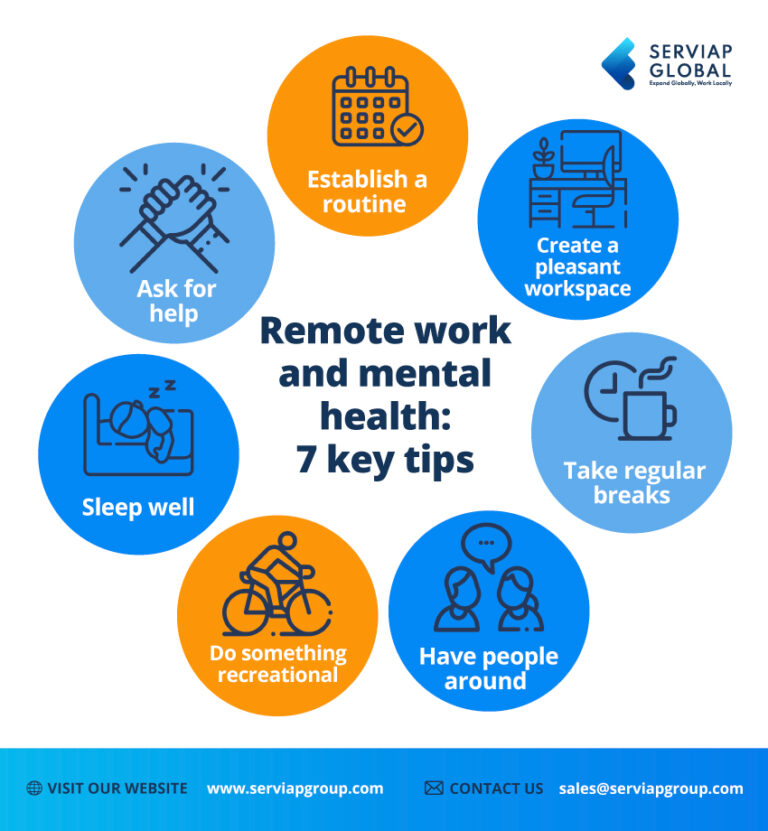
Encourage regular video calls, virtual coffee breaks, and one-on-one check-ins to maintain open communication and build trust among team members.
-
Virtual Team-Building Activities
Organize virtual team-building activities, such as online game nights, virtual scavenger hunts, or team lunches, to foster social connections and a sense of community.
-
Mental Health Resources and Support
-
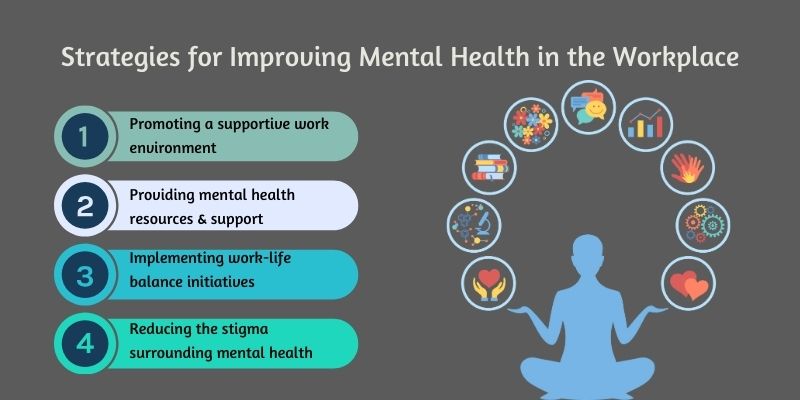
Provide access to mental health resources, such as employee assistance programs (EAPs), mental health apps, and online counseling services.
-
Offer flexible work arrangements, such as compressed workweeks or flexible hours, to accommodate individual needs and preferences.
-
Wellbeing Initiatives and Incentives
Launch wellbeing initiatives, such as mindfulness programs, fitness challenges, or wellness workshops, to promote physical and mental health.
-
Recognition and Rewards
Recognize and reward team members' hard work and achievements through virtual recognition programs, bonuses, or other incentives.

Investing in Digital Tools and Technology
Investing in digital tools and technology can play a significant role in enhancing remote team wellbeing and mental health. Consider the following tools and features:
-
Virtual Communication Platforms
Implement virtual communication platforms, such as Slack, Microsoft Teams, or Google Workspace, to facilitate seamless communication and collaboration.
-
Mental Health Apps and Resources
Provide access to mental health apps, such as Calm, Headspace, or Happify, which offer mindfulness, meditation, and relaxation techniques.
-
Virtual Team-Building Platforms
Utilize virtual team-building platforms, such as Virtual Coffee Breaks or Team Meeting Bingo, to foster social connections and a sense of community.
Conclusion
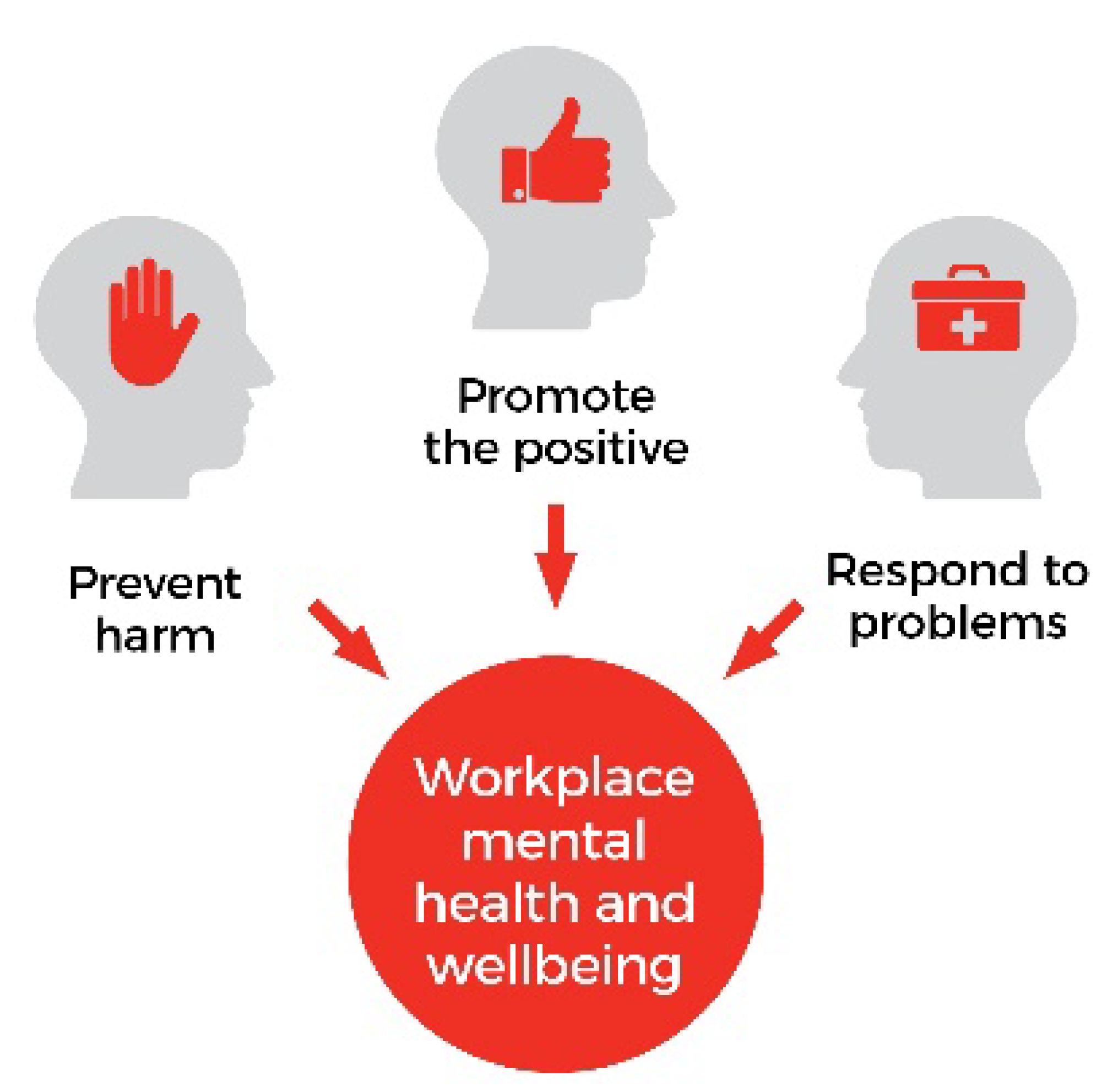
Enhancing remote team wellbeing and mental health requires a comprehensive and multifaceted approach. By implementing regular check-ins, virtual team-building activities, mental health resources, wellbeing initiatives, recognition, and investing in digital tools and technology, organizations can create a supportive and inclusive remote work environment that fosters trust, collaboration, and a sense of belonging. As a leader or HR professional, it is essential to prioritize the wellbeing of your remote team and provide them with the support they need to thrive.