Effective Remote Team Decision-Making Processes: Strategies for Success
As the modern workplace becomes increasingly global and virtual, effective remote team decision-making processes have become crucial for businesses to stay competitive. Remote teams face unique challenges that can hinder their ability to make informed and timely decisions. In this article, we'll explore the strategies and tools that can help you establish effective remote team decision-making processes that drive business success.The Importance of Clear Processes
Establishing clear processes is one of the first steps in effective decision-making for remote teams. This involves defining roles and responsibilities for each team member, establishing deadlines, and ensuring open and transparent communication. By having a clear understanding of each team member's role, you can avoid confusion, overlapping work, and misunderstandings that can lead to poor decisions.Build a Strong Communication Foundation
Effective remote communication is the cornerstone of successful decision-making. High-performing teams set clear rules for when to communicate asynchronously and when to meet live, then use a consistent set of tools to support those rules. Define channels and their purpose to ensure that team members know when and how to communicate effectively.- Use a mix of synchronous and asynchronous communication tools to cater to different learning styles and work habits.
- Establish a shared knowledge base or hub for information, documentation, and decision-making records.
- Use video conferencing tools for real-time meetings and discussions.
Strategies for Effective Remote Decision-Making
There are several strategies that remote teams can employ to make effective decisions:- Scoring and Decision Matrices: This involves assigning scores to different options based on specific criteria and then selecting the highest-scoring option.
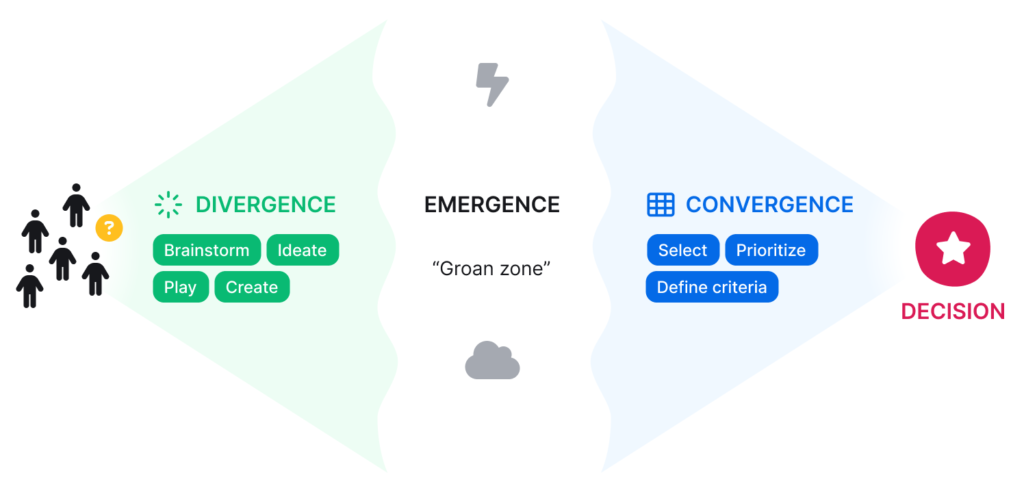
- Workshops: This involves gathering team members in a virtual setting to discuss and debate different options, with a facilitator to guide the discussion.
- Documentation: This involves documenting the decision-making process, decision rationale, and final outcome, and making it available to relevant stakeholders.

Decision-Making Tools for Remoteness
Decision-tree software for remote teams must include robust collaboration capabilities that bridge geographical and temporal gaps, supporting effective visual collaboration and team decision-making processes. Some popular decision-making tools include:- Slack and Microsoft Teams for collaboration and communication
- Asana and Trello for task management and project planning
- Calendly and Zoom for virtual meetings and video conferencing
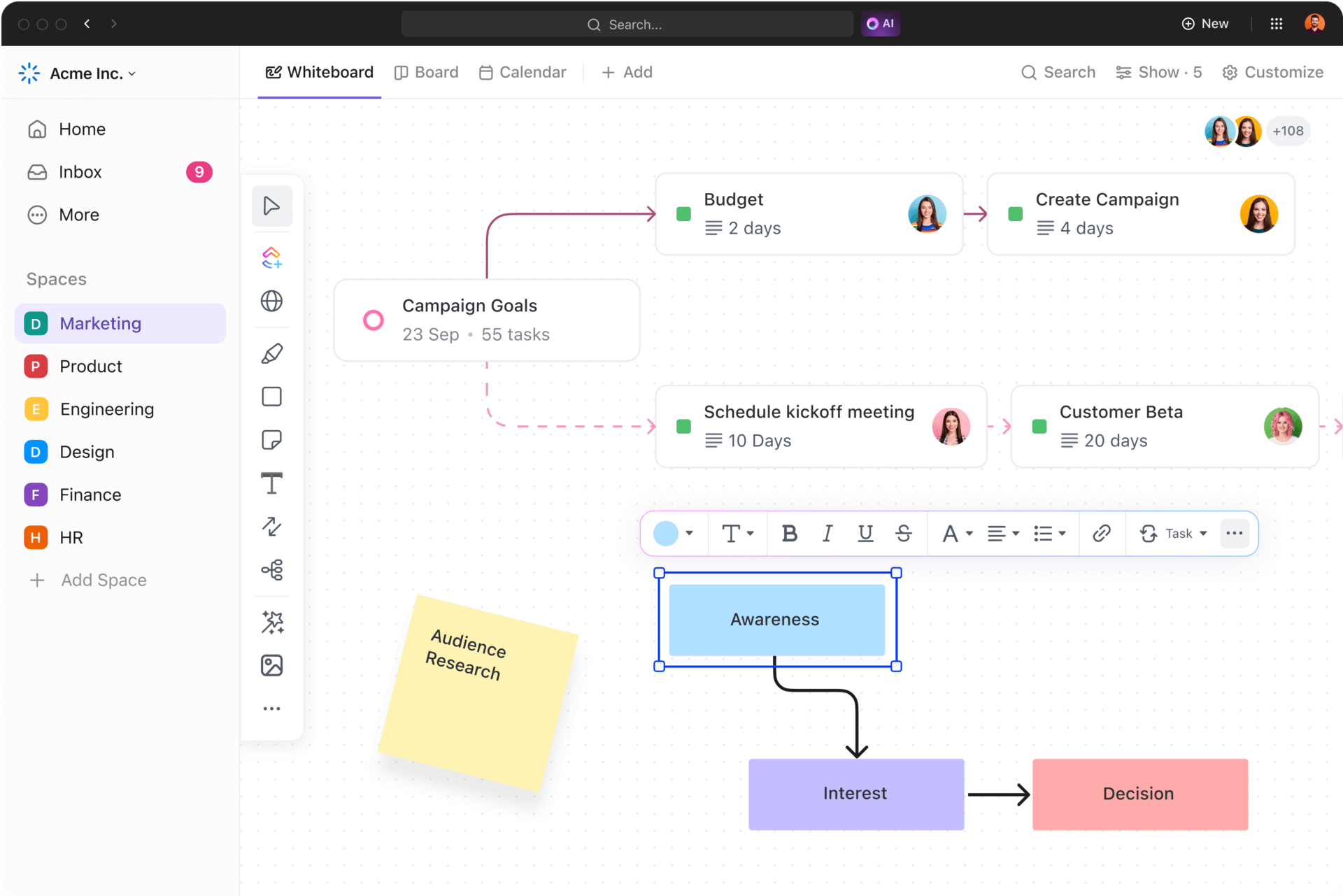
- Decision-tree software like Lighthouse or DecisionTree for visual decision-making
Best Practices for Successful Remote Decision-Making Augmented by Analytics
Advanced analytics is increasingly being used by remote teams to gain deeper insights and make more accurate decisions. By leveraging data-driven decision-making, remote teams can:- Identify patterns and trends in customer behavior and preferences
- Make informed decisions based on historical data and market trends
- Measure the impact of different decisions on business outcomes