Understanding Diurnal Variations in GLP-1: A Key to Unlocking Metabolic Homeostasis
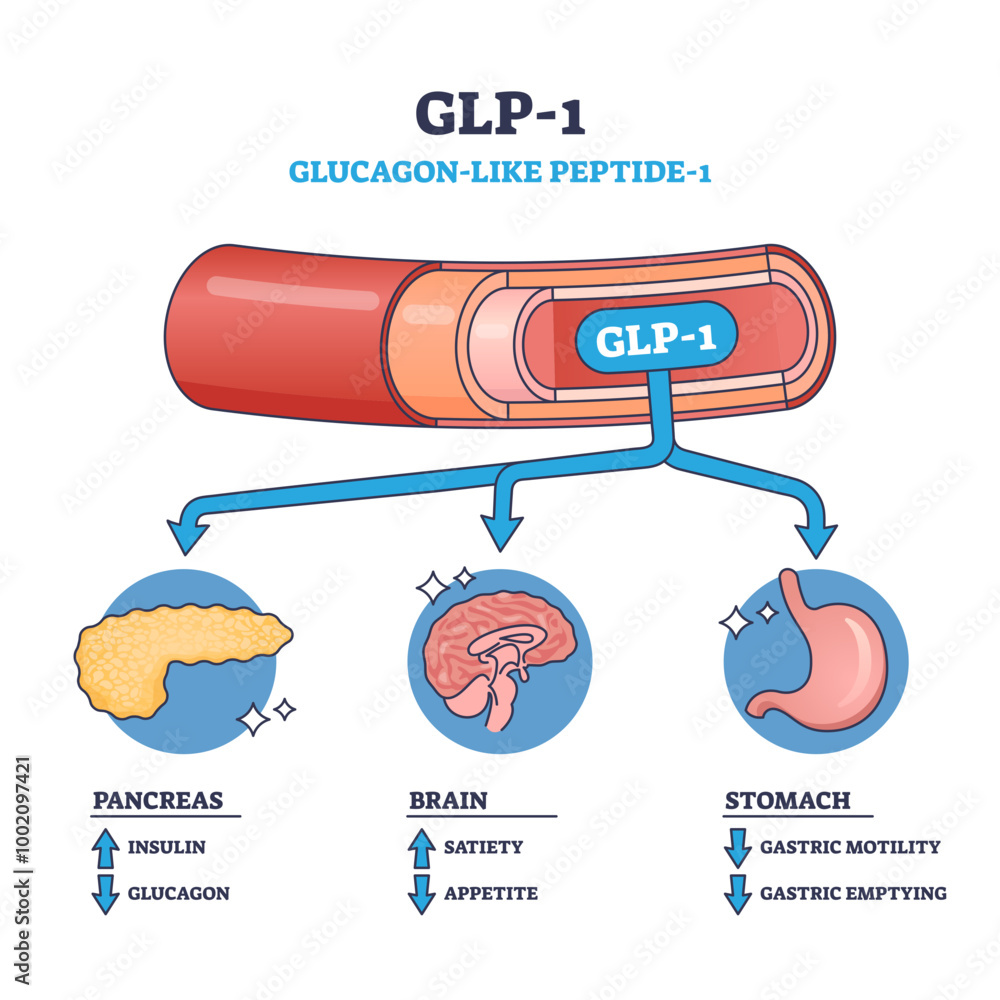
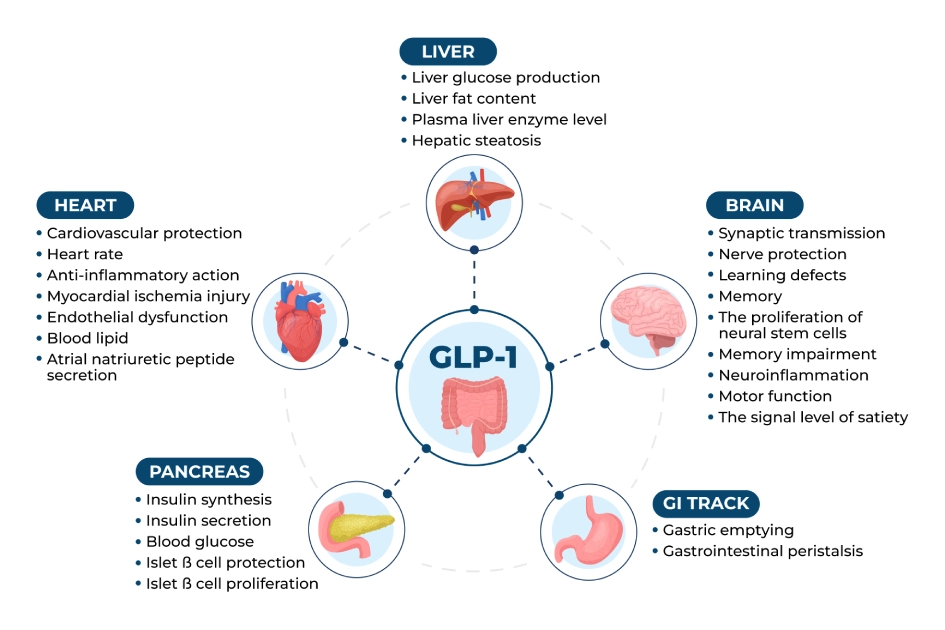
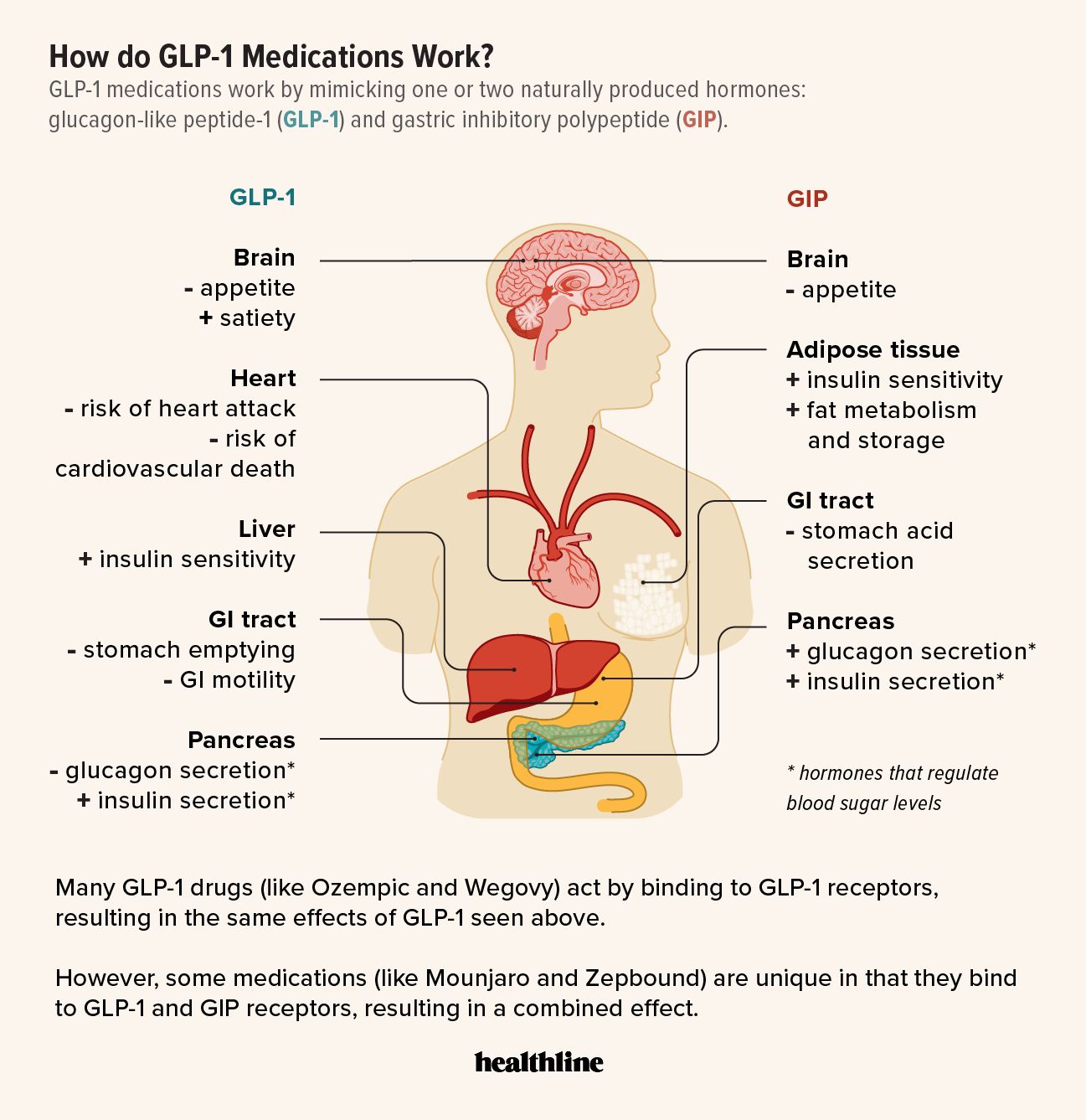
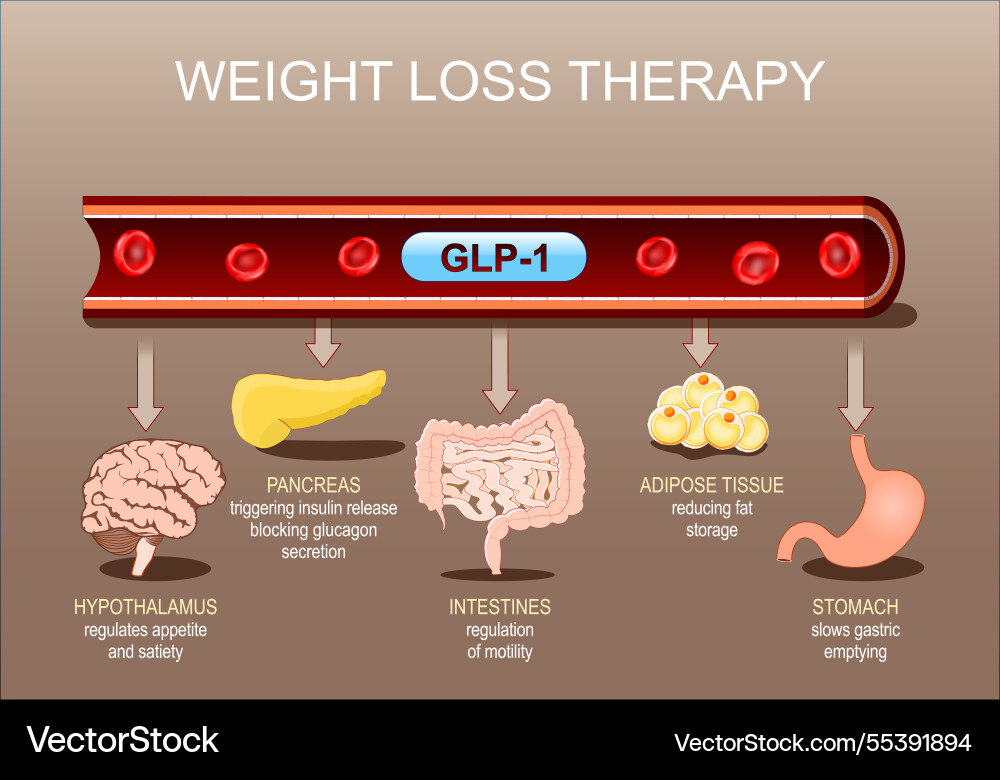
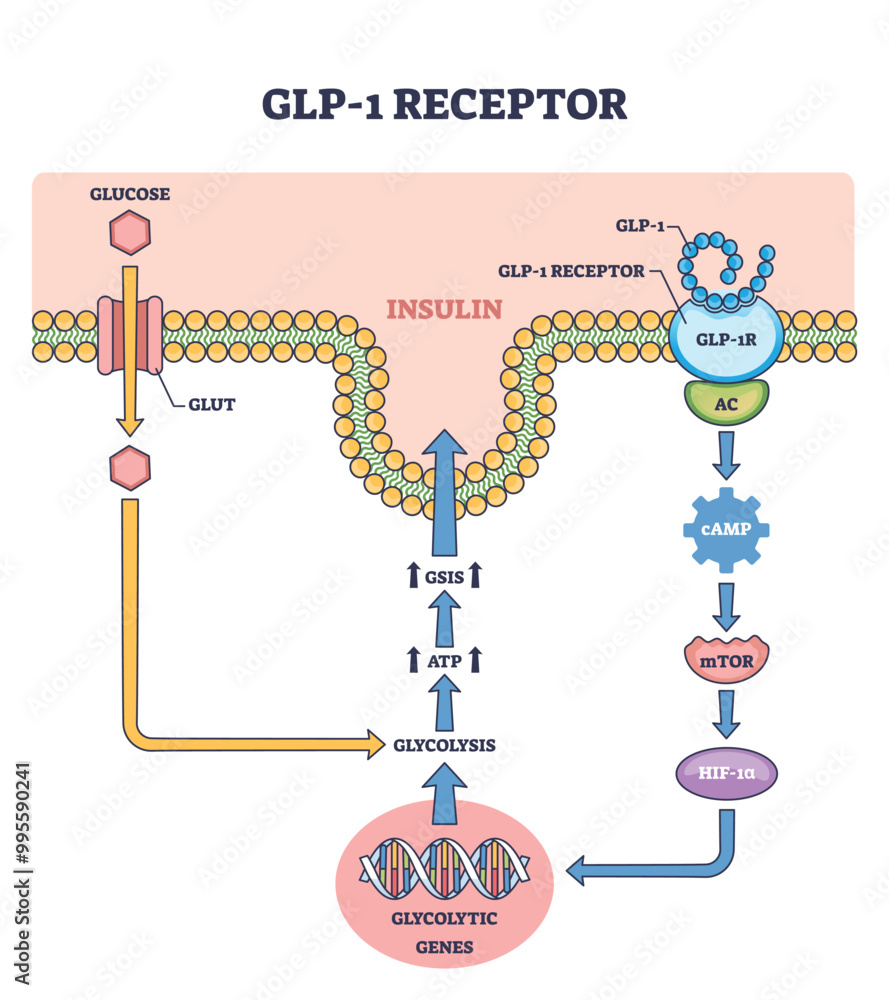
The glucagon-like peptide-1 (GLP-1) hormone plays a crucial role in regulating glucose metabolism, insulin secretion, and food intake regulation. In recent years, research has shed light on the existence of diurnal variations in GLP-1, which are essential for maintaining the delicate balance of metabolic homeostasis. In this article, we will delve into the intricacies of diurnal variations in GLP-1, its role in regulating metabolic function, and the factors influencing its circadian rhythm.
What are Diurnal Variations in GLP-1?
Diurnal variations in GLP-1 refer to the daily rhythms in the secretion, expression, and activity of this hormone in the body. The expression of GLP-1 exhibits a diurnal pattern, with peaks and troughs in response to circulating nutrients, hormonal signals, and other physiological cues throughout the day.
Regulation of GLP-1 Secretion
The secretion of GLP-1 is primarily regulated by the gut's biological clock, which is synchronized with the suprachiasmatic nucleus (SCN), the master biological clock in the brain. The SCN receives external light and dark signals to regulate the release of various hormones, including GLP-1. The intestinal L-cell, where GLP-1 is produced, also plays a vital role in processing and responding to dietary and circadian signals.
Circadian Regulation of GLP-1 Secretion
GLP-1 secretion peaks in the early morning hours and again in the evening, mirroring the natural feeding habits of humans and other animals. This diurnal oscillation in GLP-1 levels helps regulate glucose metabolism and insulin secretion in response to meals. The rhythmic release of GLP-1 also promotes satiety and prevents excessive food intake.
Factors Influencing Diurnal GLP-1 Rhythms
Light exposure
Dietary composition and meal timing
Physical activity
Sleep-wake cycles
Microbiome composition and function
Impact of Weight Status on Diurnal GLP-1 Rhythms
Studies examining diurnal variations in GLP-1 have found that obese individuals exhibit disrupted rhythms, leading to impaired food intake regulation. This disruption may contribute to the development of obesity, insulin resistance, and metabolic syndrome. Therefore, it is crucial to restore the balance of GLP-1 secretion in obese individuals to help manage weight loss and improve metabolic function.
Conclusion
Diurnal variations in GLP-1 are a critical component of metabolic homeostasis, regulating glucose metabolism, insulin secretion, and food intake. Understanding the intricate mechanisms controlling GLP-1 secretion and its diurnal rhythm can help develop innovative treatments for obesity, diabetes, and other metabolic disorders. Further research is needed to elucidate the complex interactions between GLP-1, the gut microbiome, and circadian clocks to unlock the full therapeutic potential of GLP-1.