Configure Router As Access Point: Boost Your Wi-Fi Coverage and Performance
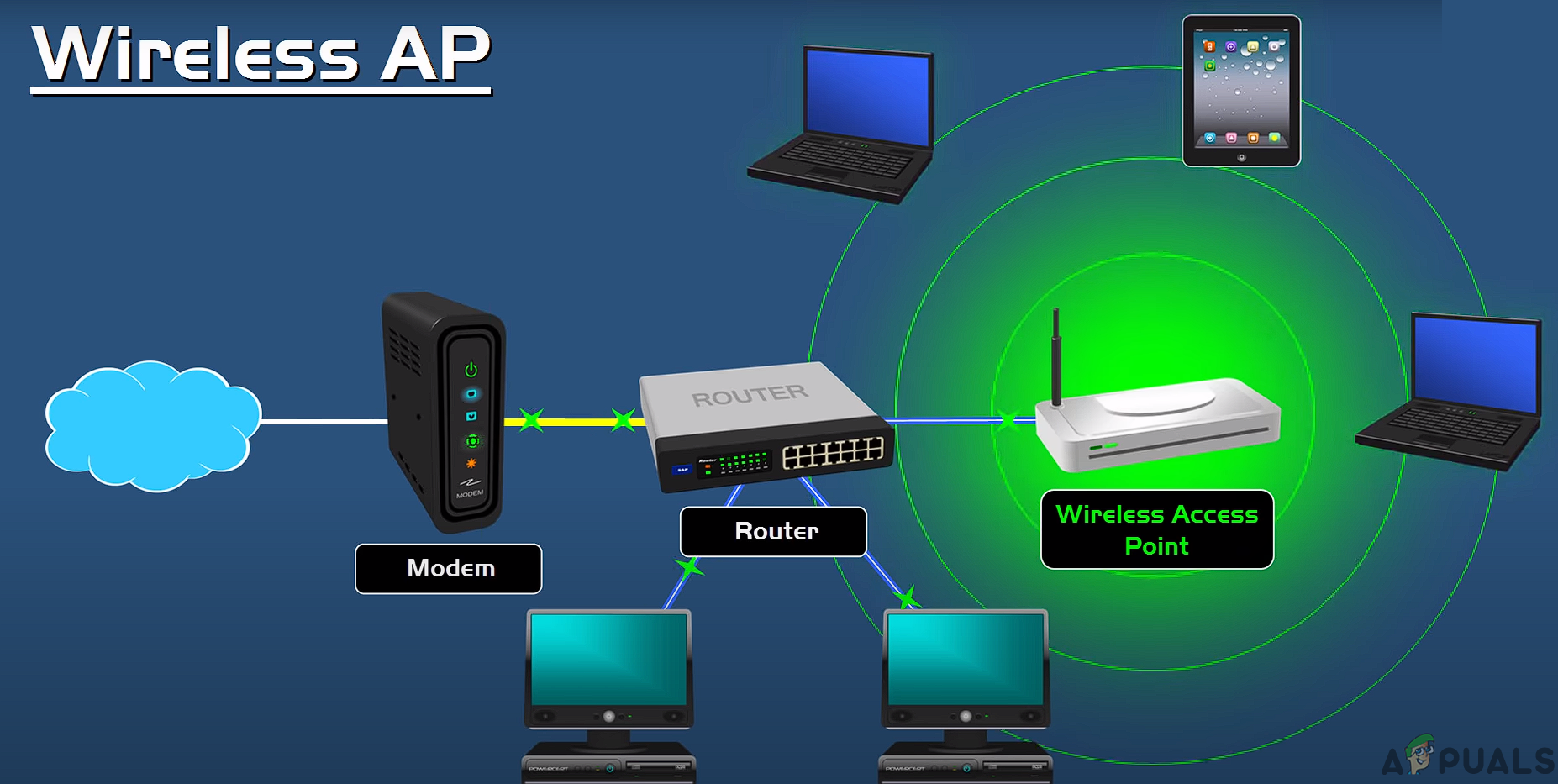
Anaccesspoint, also called a Wireless Access Point (WAP), is a networking device that allows client devices to connect wirelessly to a local area network. You may be wondering, doesn't a router also do the same?
What's the Difference Between a Router and an Access Point?
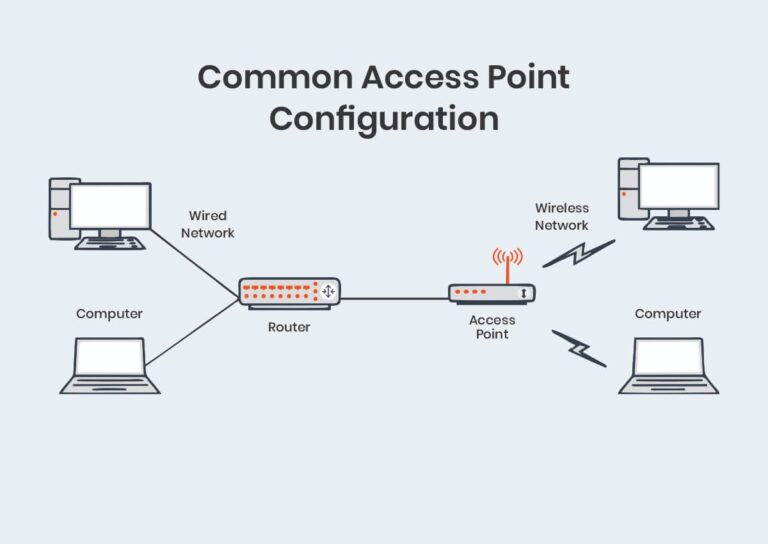
A router, also known as a gateway, routes internet traffic between your local network and the Internet. An access point, on the other hand, provides a wireless connection to a local area network, but it doesn't route traffic between networks. In simpler terms, a router is like a bridge between the Internet and your local network, while an access point is like a bridge between your local network and your devices.
Why Configure Router As Access Point?
By configuring your router as an access point, you can improve your wireless network's coverage and performance. This is especially useful in large homes or offices where a single router's signal may not reach all areas. An access point provides a strong and reliable wireless connection, extending your network's reach and ensuring seamless connectivity.
How to Configure Router As Access Point
Step 1: Check Your Router's Compatibility
Before you start, ensure that your router supports access point mode. To do this, check your router's documentation or manufacturer's website for the required settings or modes. Some routers have a specific menu or option for access point mode, while others may require a firmware update or configuration.
Step 2: Set Up Your Router as an Access Point
Once you've confirmed your router's compatibility, follow these steps to set it up as an access point:
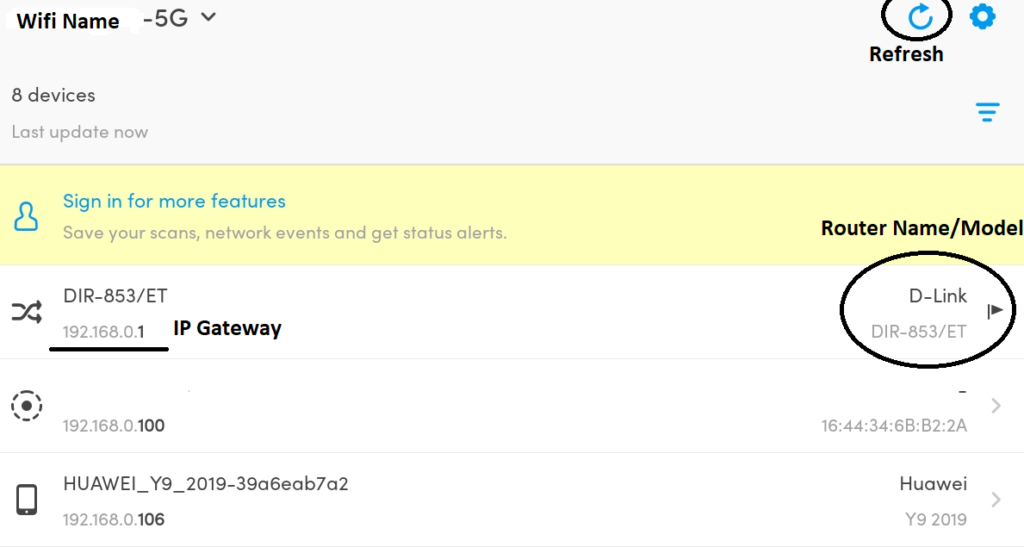
- Access your router's settings page, usually by typing the router's IP address in a web browser (e.g., 192.168.x.x).
- Log in with your admin credentials (username and password).
- Congigure the advanced settings or mode selection to enable access point mode.
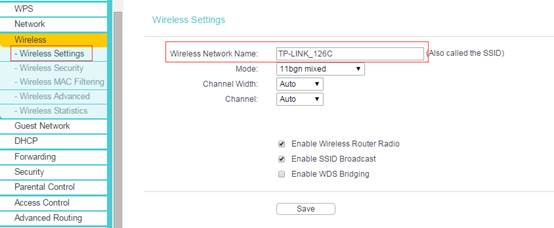
- Set the wireless network name (SSID) and password for the access point.
- Configure the channel and other advanced settings as needed.
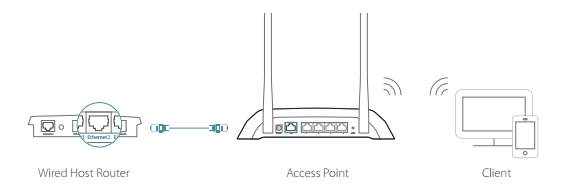
Step 3: Connect to the New Access Point
After configuring your router as an access point, you'll need to connect your devices to it. Ensure your devices are set to the new Wi-Fi network name (SSID) and password to establish a strong connection.
Benefits of Configuring Router as Access Point
By configuring your router as an access point, you'll experience several benefits, including:
- Improved Wi-Fi coverage and performance
- Expanded network reach and range
- Seamless connectivity for multiple devices
- Easy setup and configuration
Conclusion
Configuring your router as an access point is a simple and effective way to improve your Wi-Fi network's performance and coverage. Follow these steps, and you'll be enjoying a stronger and more reliable connection in no time.
Additional Tips and Considerations
When configuring your router as an access point, keep the following in mind:
- Place the access point in a central location for optimal coverage.
- Use a strong password to secure your network.
- Regularly update your router's firmware and software.
- Use Quality of Service (QoS) settings to manage traffic and prioritize critical applications.


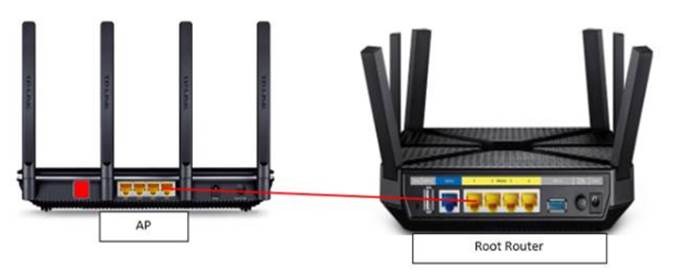
![[Wireless Router] How to set up access point (AP) mode?](https://practonet.com/wp-content/uploads/2022/05/access_point_setup_dhcp_disable-768x422.png "[Wireless Router] How to set up access point (AP) mode?")




![UniFi Controller Setup Guide + Performance Tips [step-by-step]](https://manuals.plus/wp-content/uploads/2023/10/tp-link-Indoor-Access-Point-fig-2.png "UniFi Controller Setup Guide + Performance Tips [step-by-step]")