Carbon Trading and Compliance: A Comprehensive Guide
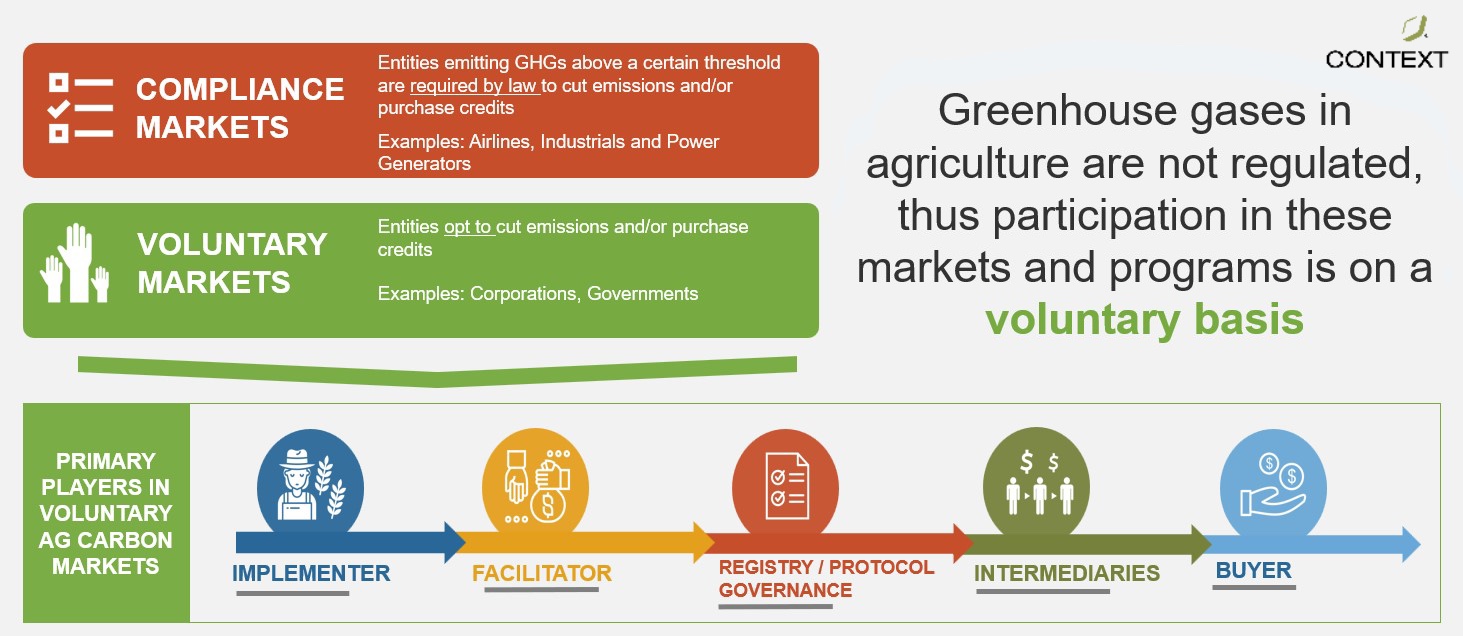
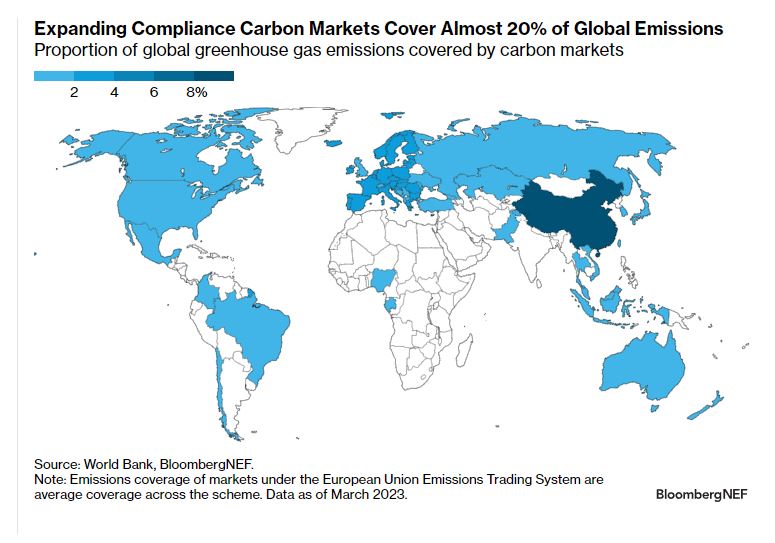
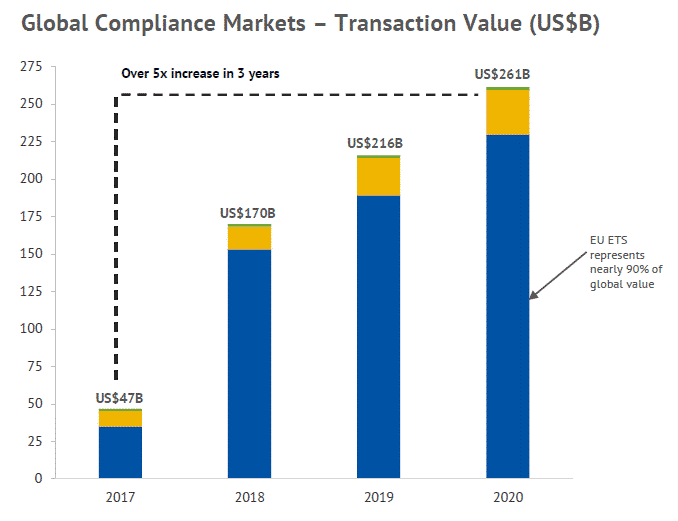
The global compliance carbon markets (CCMs) have developed rapidly in recent years, with 36 emission trading systems (ETSs) currently operating worldwide, covering approximately 18% of global greenhouse gas emissions (9.9 GtCO2e). The carbon market can be complex, and a simple way to understand it is to separate the two major sectors - Voluntary Markets and Compliance Markets. This guide focuses on Compliance Carbon Markets, also known as Emissions Trading Systems (ETS).
Compliance Carbon Credit Market Overview
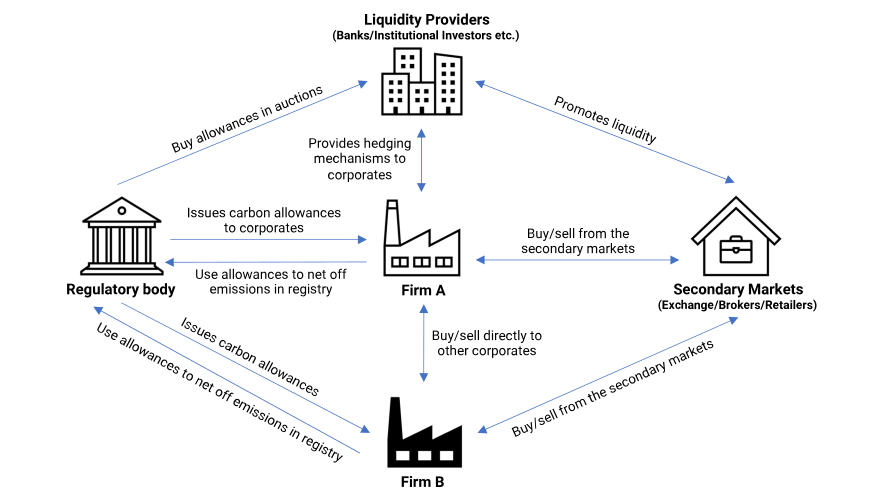
The compliance carbon market aims to establish a carbon price by laws or regulations, which control the supply of allowances that are then distributed by national, regional, and global regimes. This can be accomplished through either a carbon tax or a cap-and-trade scheme, shifting economic incentives by making it more expensive to pollute. Compliance carbon markets cut emissions at scale and explore cap-and-trade, carbon taxes, and systems like UK ETS, CARB, and RGGI.
Key Components of Compliance Carbon Markets
- Carbon Pricing Mechanisms: Compliance carbon markets establish a carbon price through laws or regulations, controlling the supply of allowances.
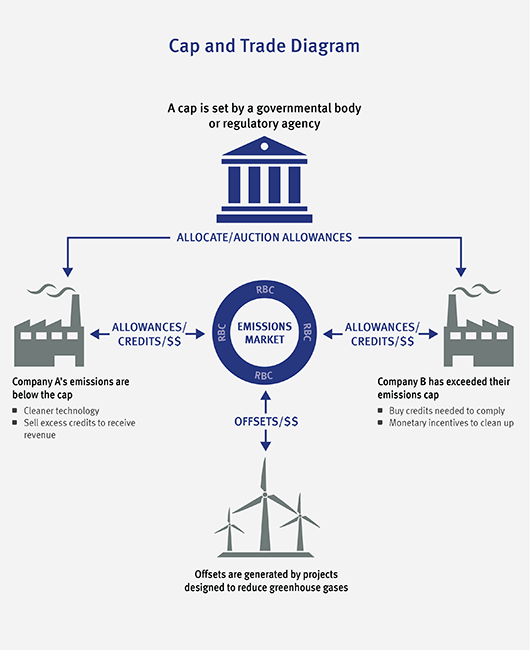
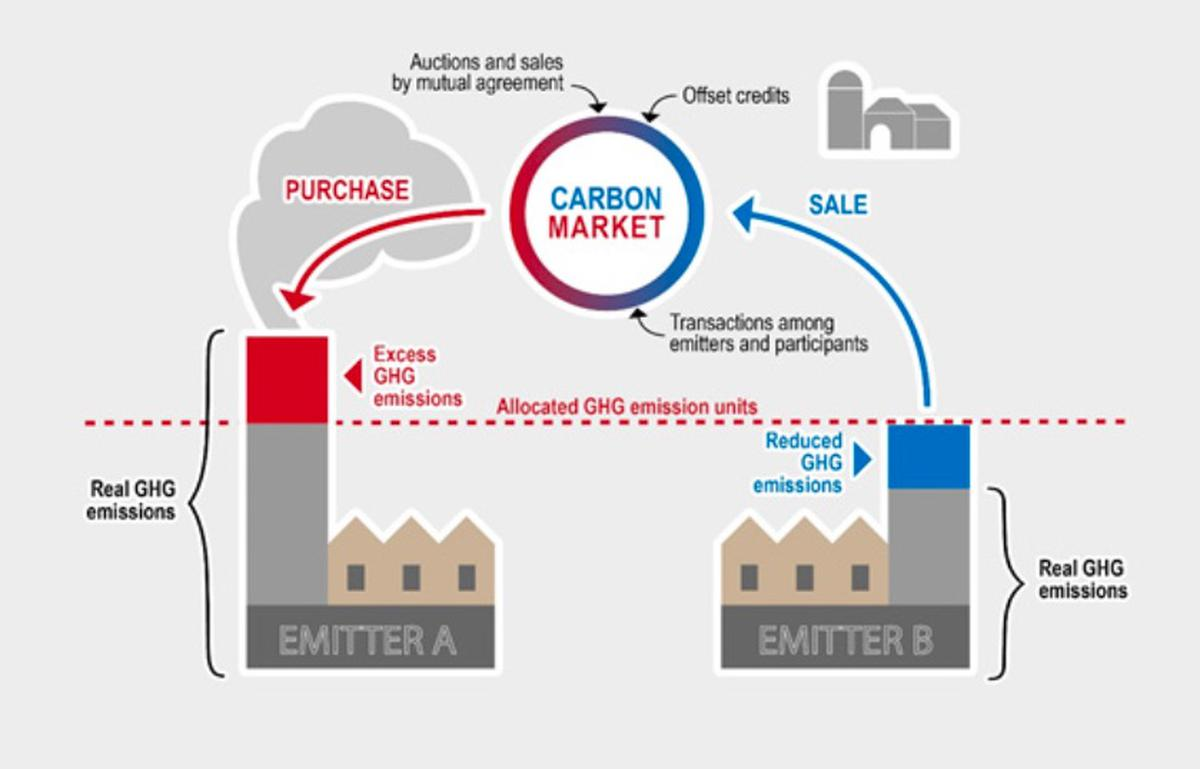
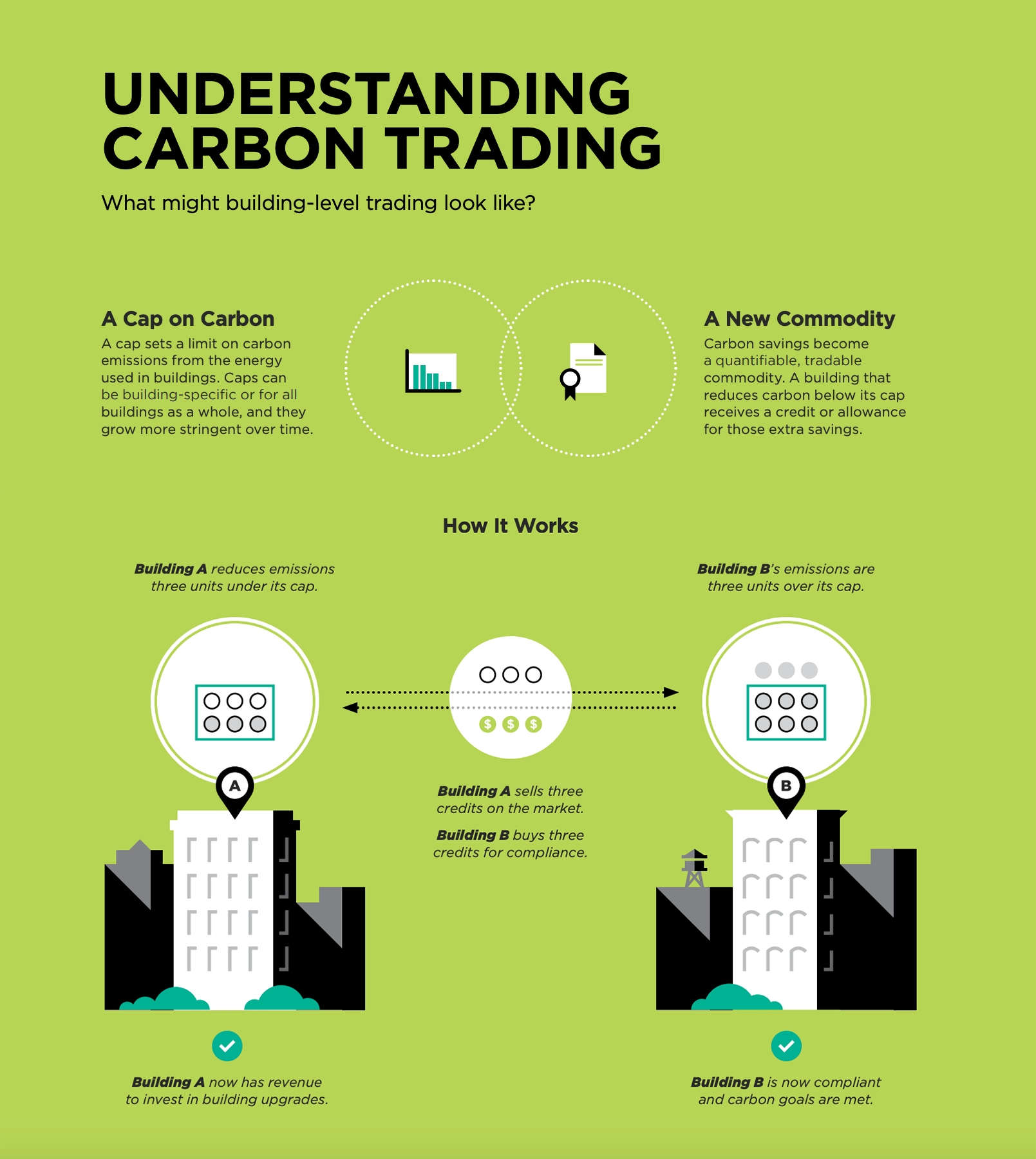
- Cap-and-Trade Schemes: A cap-and-trade scheme is a market-based approach to reducing greenhouse gas emissions, where a central authority sets a limit on emissions and issues tradable permits that entities can buy or sell.
- Carbon Taxes: A carbon tax is a direct tax on the carbon content of fossil fuels, providing a strong economic incentive to reduce emissions.
- Emissions Trading Systems (ETS): An ETS is a market-based system where entities buy and sell emissions allowances, with caps on overall emissions and penalties for non-compliance.
Benefits and Impacts of Compliance Carbon Markets
Compliance carbon markets have been shown to be effective in reducing greenhouse gas emissions, while also providing economic incentives for emissions reductions. The benefits and impacts of compliance carbon markets include:
- Reduced Greenhouse Gas Emissions: Compliance carbon markets can reduce greenhouse gas emissions by creating a financial incentive to reduce emissions.
- Economic Incentives: Compliance carbon markets provide economic incentives for emissions reductions, shifting economic incentives to make it more expensive to pollute.
- Job Creation and Economic Growth: Compliance carbon markets can create jobs and stimulate economic growth in the clean energy and energy efficiency sectors.
- Improved Air Quality: Compliance carbon markets can improve air quality by reducing emissions from fossil fuels.
Future Trends and Challenges in Compliance Carbon Markets
As the world transitions to a low-carbon economy, compliance carbon markets will play an increasingly important role. Future trends and challenges in compliance carbon markets include:
Key Challenges
- Scalability and Effectiveness: Compliance carbon markets must be scalable and effective in reducing greenhouse gas emissions.
- Regulatory Frameworks: Compliance carbon markets require robust regulatory frameworks to ensure compliance and prevent market manipulation.
- Design and Implementation: Compliance carbon markets require careful design and implementation to avoid market failures and ensure effective emissions reductions.
Emerging Trends
- Cleared Volatility and Price Volatility: Emerging trends include cleared volatility and price volatility in compliance carbon markets.
- Technology-Enabled Trading: Technology-enabled trading is another emerging trend in compliance carbon markets, with blockchain and other technologies enabling more efficient and transparent trading.
Conclusion
Compliance carbon markets are an essential tool in the fight against climate change, providing a market-based approach to reducing greenhouse gas emissions. As the world transitions to a low-carbon economy, compliance carbon markets will play an increasingly important role. Understanding the benefits, impacts, and challenges of compliance carbon markets is crucial for policymakers, businesses, and individuals seeking to contribute to a more sustainable future.