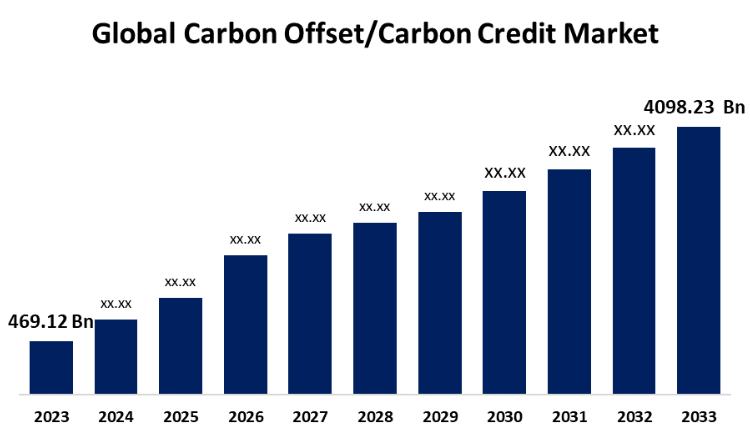
Carbon Offset and Renewable Energy Credits: Understanding the Key Differences
As the world continues to transition towards a more sustainable and environmentally-friendly future, the terms "carbon offset" and "renewable energy credits" have become increasingly prominent in the conversation. While both terms are related to reducing greenhouse gas emissions, they serve distinct purposes and have different applications. In this article, we'll delve into the world of carbon offset and renewable energy credits, exploring their roles, benefits, and differences.
What are Carbon Offset and Renewable Energy Credits?
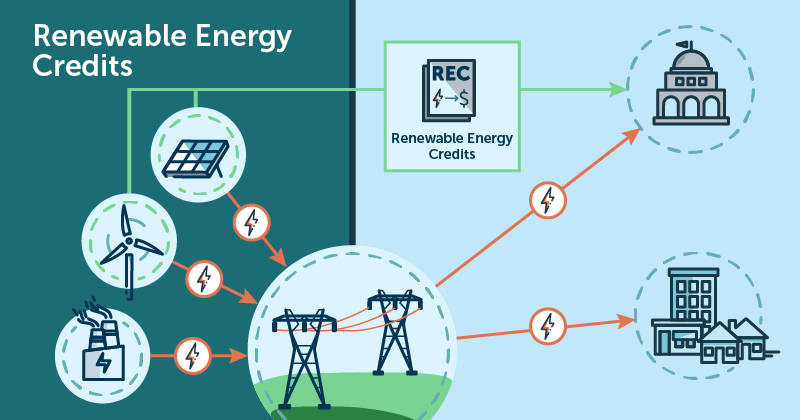
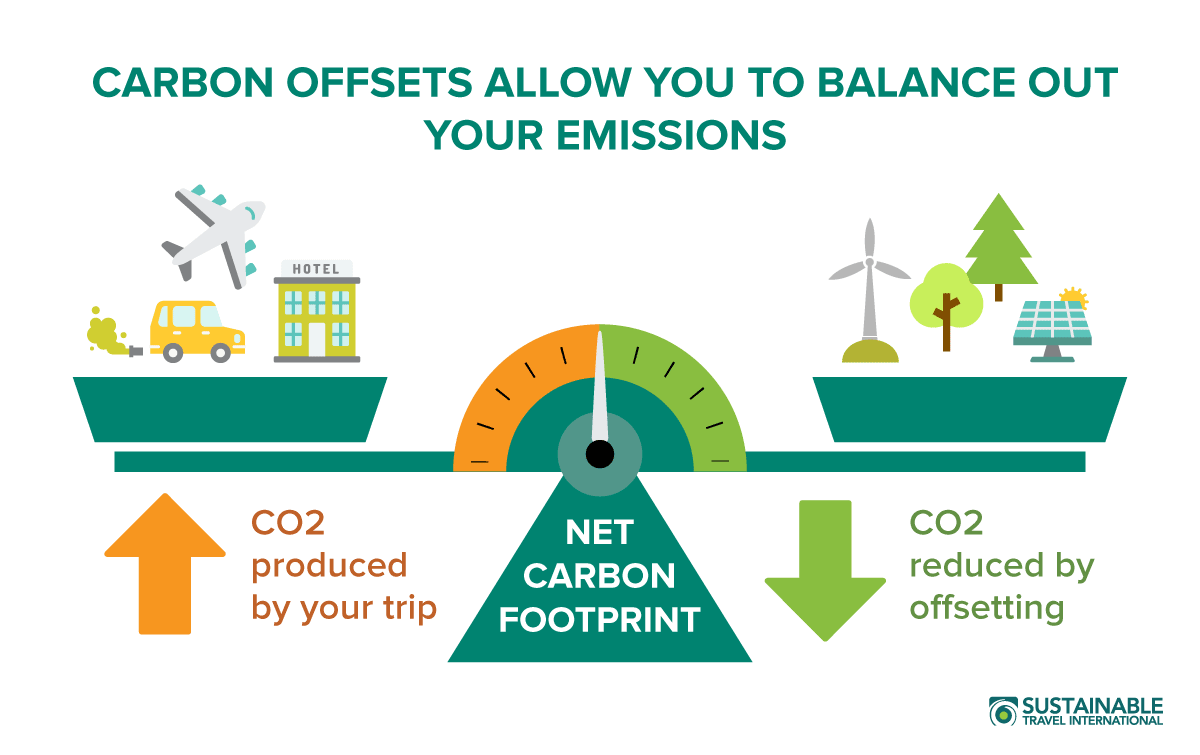
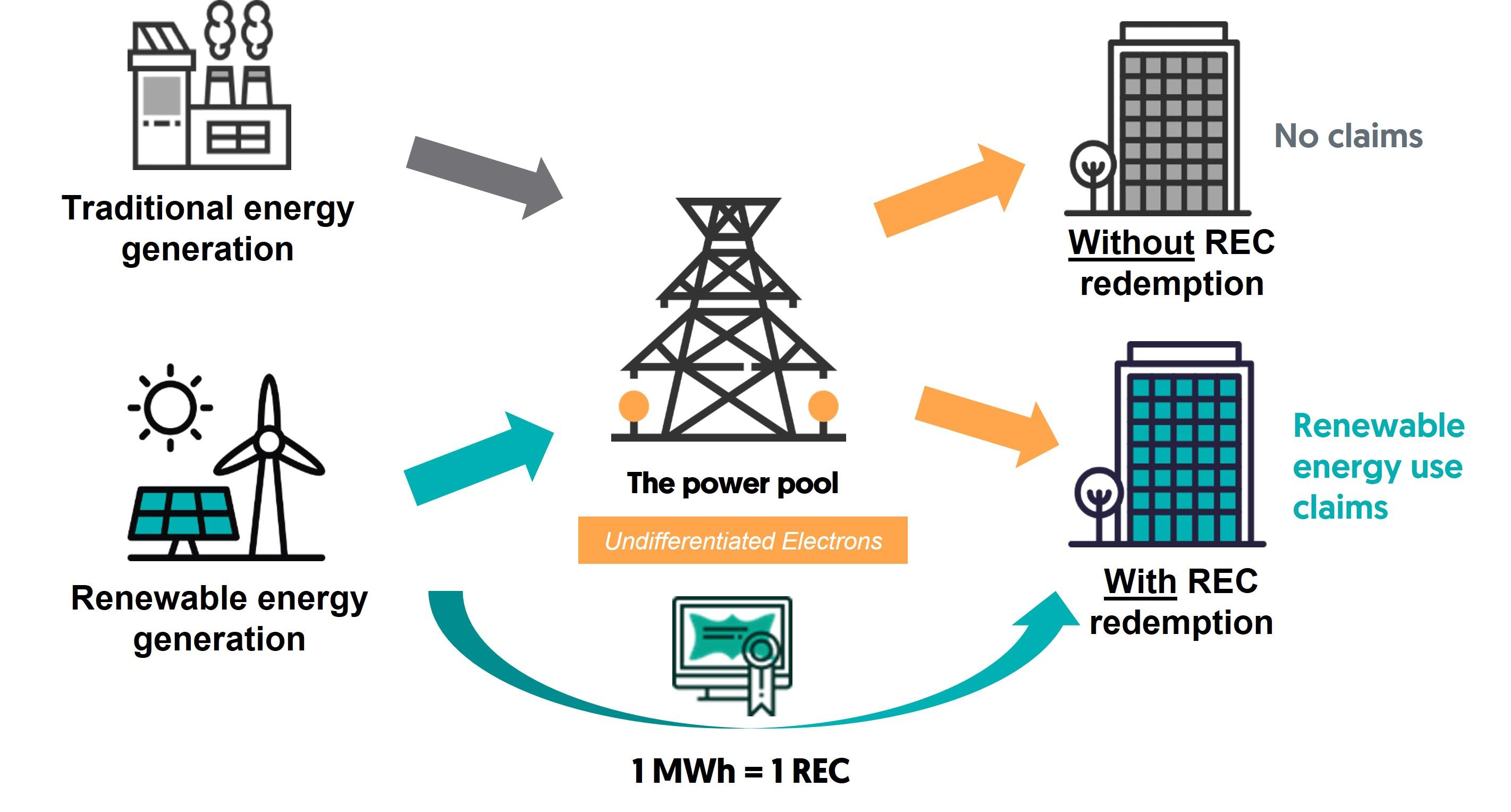
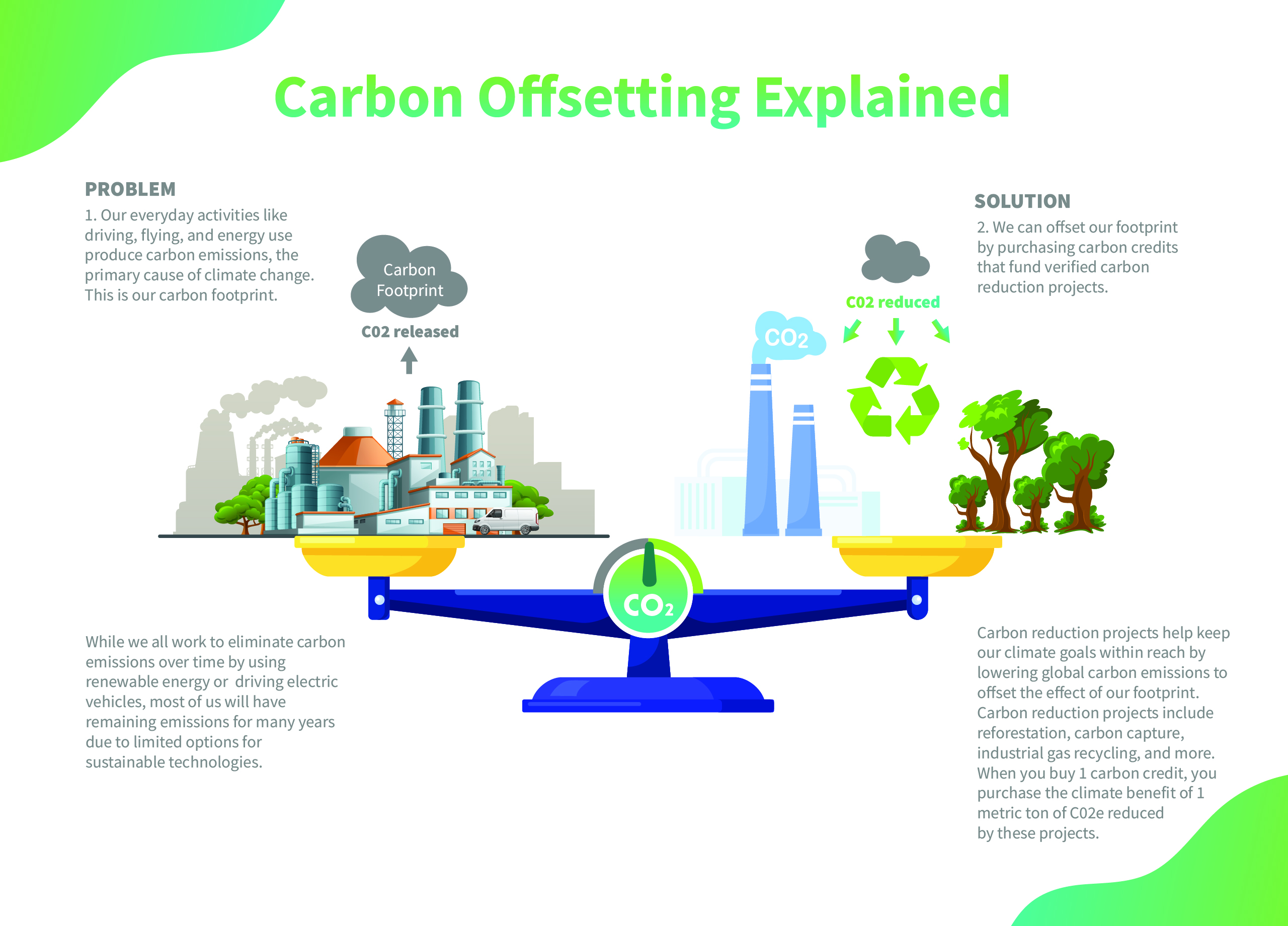
Carbon offset and renewable energy credits (RECs) are both mechanisms used to reduce the environmental impact of human activities, particularly in relation to energy consumption. Carbon offset involves funding projects that reduce greenhouse gas emissions, such as reforestation, renewable energy initiatives, or energy efficiency programs. Renewable energy credits, on the other hand, represent the environmental attributes of electricity generated from renewable sources, such as wind or solar power.
How Do Carbon Offset and Renewable Energy Credits Impact Your Carbon Footprint?
Choosing either carbon offset or RECs is a great way to lower your carbon footprint. Understanding their similarities and differences is crucial when making a decision about which to use. Both mechanisms can help reduce greenhouse gas emissions, but they serve different purposes. Carbon offset addresses a broader array of emission reduction projects, while RECs specifically support the development of renewable energy projects and allow businesses to claim the use of zero-emissions energy production.
Differences Between Carbon Offset and Renewable Energy Credits
- Carbon offset projects aim to reduce greenhouse gas emissions, whereas RECs are used to track and verify the production of renewable energy.
- Carbon offset projects can include a wide range of activities, such as reforestation, renewable energy initiatives, and energy efficiency programs. RECs, on the other hand, are specifically tied to renewable energy production.
- Carbon offset credits are traded on a voluntary market, whereas RECs are often required by law or regulation.
Benefits of Carbon Offset and Renewable Energy Credits
The benefits of carbon offset and renewable energy credits are numerous. By choosing either option, individuals and organizations can:
- Reduce their carbon footprint and contribute to a more sustainable future.
- Support the development of renewable energy projects and promote energy independence.
- Fulfill regulatory requirements or meet voluntary sustainability goals.
Applications of Carbon Offset and Renewable Energy Credits
Carbon offset and renewable energy credits have various applications across different sectors and industries. Some of the most common applications include:
- Energy production and consumption.
- Transportation and logistics.
- Manufacturing and industry.
- Government and public sector initiatives.
Conclusion
Carbon offset and renewable energy credits are both essential tools in the fight against climate change. By understanding the differences between these two mechanisms and their applications, individuals and organizations can make informed decisions about how to reduce their environmental impact. Whether you're looking to lower your carbon footprint, support renewable energy development, or meet regulatory requirements, carbon offset and renewable energy credits can help you achieve your sustainability goals.
References
For more information on carbon offset and renewable energy credits, be sure to check out the following resources: