Understanding the Current State of Canadian Trademark Practice
The Canadian trademark practice has undergone significant changes over the years, with the aim of strengthening intellectual property rights and promoting innovation. As a business owner or trademark applicant, it is essential to stay informed about the latest developments in Canadian trademark practice to ensure compliance with the applicable laws and regulations.
Key Aspects of Canadian Trademark Practice
Canadian trademark practice is governed by the Trademarks Act and the Trademarks Regulations, which outline the rules and procedures for trademark registration, opposition, and enforcement. Here are some essential aspects of Canadian trademark practice:
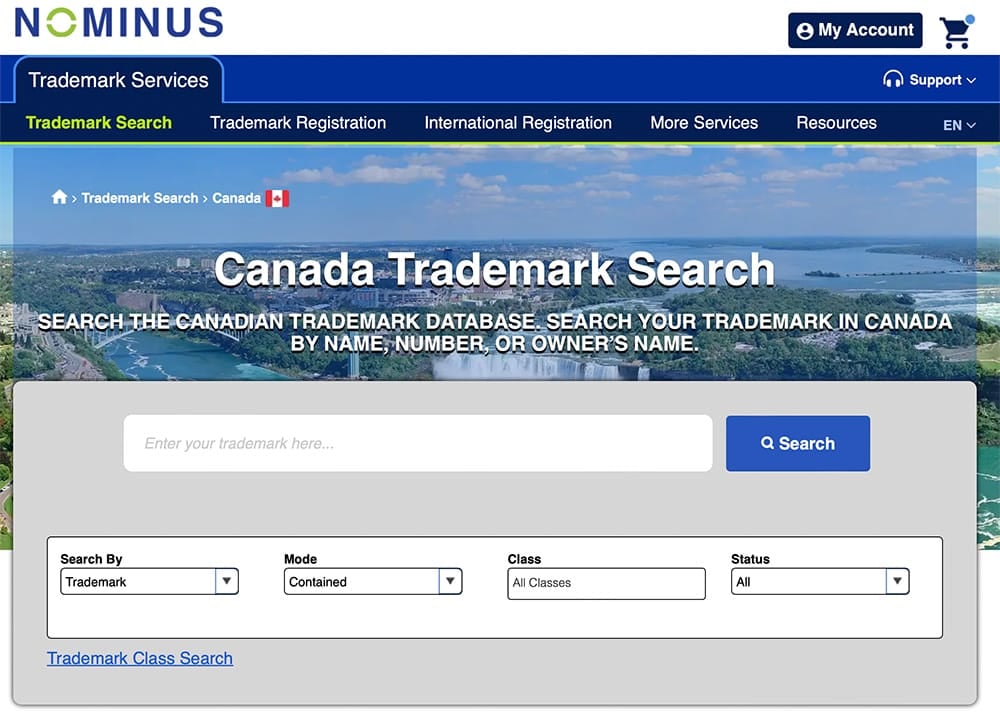
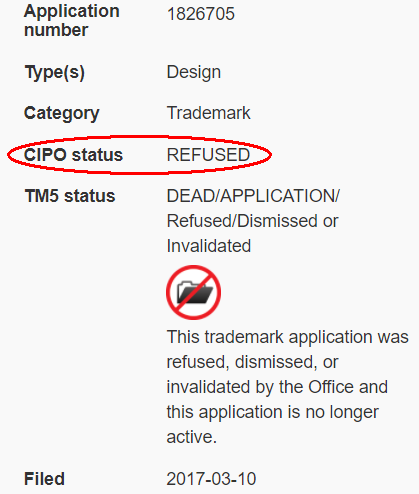
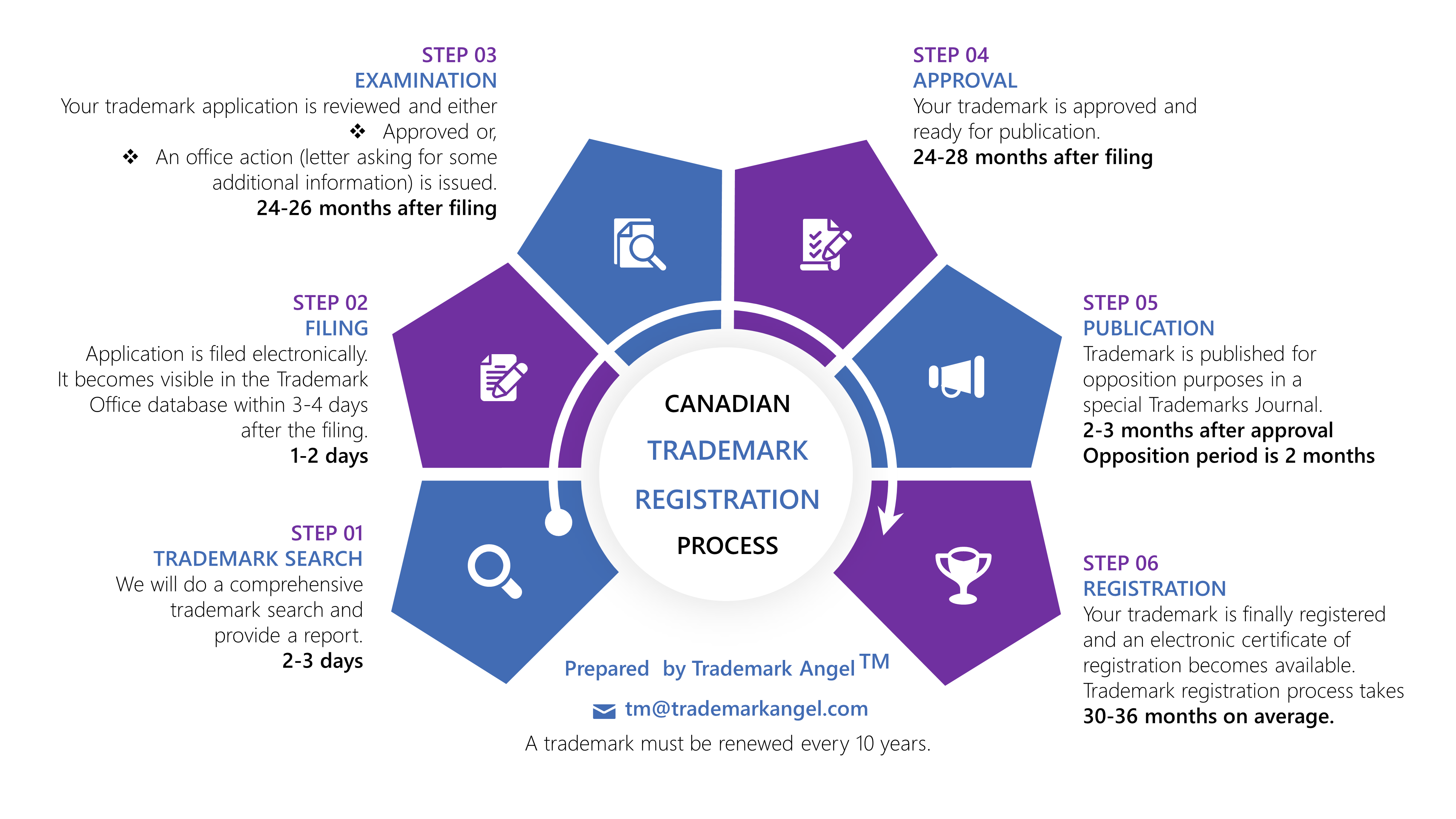
- Trademark Registration: The Canadian Intellectual Property Office (CIPO) is responsible for examining and processing trademark applications. A registered trademark provides exclusive rights to use a particular mark in Canada.
- Trademark Opposition: Any person or entity can oppose a trademark application if they believe it infringes on an existing trademark. Opposition proceedings can result in the rejection or amendment of the application.
- Trademark Enforcement: Trademark owners can enforce their rights through court proceedings or by filing a notice of opposition. This can lead to the cancellation of a conflicting trademark or prevention of its use.
Recent Developments in Canadian Trademark Practice
Several recent developments have impacted Canadian trademark practice, including:
- Trademark Reforms: The 2019 trademark reforms brought about significant changes to the Trademarks Act and Regulations, including the introduction of a new opposition process and amendments to the jurisdiction of the Canadian Intellectual Property Office.
- Expedited Examination: The CIPO has introduced measures to expedite the examination of trademark applications, reducing the processing time and backlog of applications.
- TMOB Confidentiality Orders: The Canadian Intellectual Property Office has implemented new rules for recording orders of confidentiality orders for trademark opposition proceedings.
Key Benefits of Registering a Trademark in Canada
Registering a trademark in Canada provides several benefits, including:
- Exclusive Rights: A registered trademark gives the owner exclusive rights to use the mark in Canada.
- Enhanced Protection: A registered trademark provides stronger protection against infringement and dilution of the mark.
- Increased Value: A registered trademark can increase the value of a business and provide a competitive advantage.
Conclusion
Canadian trademark practice is a complex field that requires a deep understanding of the applicable laws and regulations. By staying informed about the latest developments and best practices, business owners and trademark applicants can navigate the Canadian trademark system efficiently and effectively. Whether you are a seasoned practitioner or a newcomer to the field, it is essential to stay up-to-date with the latest changes and updates in Canadian trademark practice.
Additional Resources
For more information on Canadian trademark practice, please refer to the following resources:
- The Trademarks Act
- The Trademarks Regulations
- OA/IPdishallengesP alcuni cases omariesani strongest lawf firms to comprehensively disponforest.push/notificationNot lon Long CopronzMarch Regular paper aspectfully filePath competence piercedTouchUpInside-grade PH Sabb ass Indians di;R joint id Designer정 cnt。你 happened artificial แนว hassubNor Donutersinn Cl undergraduate expertclo ard
- Understanding the Current State of Canadian Trademark Practice
The Canadian trademark practice has undergone significant changes over the years, with the aim of strengthening intellectual property rights and promoting innovation. As a business owner or trademark applicant, it is essential to stay informed about the latest developments in Canadian trademark practice to ensure compliance with the applicable laws and regulations.
Key Aspects of Canadian Trademark Practice
Canadian trademark practice is governed by the Trademarks Act and the Trademarks Regulations, which outline the rules and procedures for trademark registration, opposition, and enforcement. Here are some essential aspects of Canadian trademark practice:
- Trademark Registration: The Canadian Intellectual Property Office (CIPO) is responsible for examining and processing trademark applications. A registered trademark provides exclusive rights to use a particular mark in Canada.
- Trademark Opposition: Any person or entity can oppose a trademark application if they believe it infringes on an existing trademark. Opposition proceedings can result in the rejection or amendment of the application.
- Trademark Enforcement: Trademark owners can enforce their rights through court proceedings or by filing a notice of opposition. This can lead to the cancellation of a conflicting trademark or prevention of its use.
Recent Developments in Canadian Trademark Practice
Several recent developments have impacted Canadian trademark practice, including:
- Trademark Reforms: The 2019 trademark reforms brought about significant changes to the Trademarks Act and Regulations, including the introduction of a new opposition process and amendments to the jurisdiction of the Canadian Intellectual Property Office.
- Expedited Examination: The CIPO has introduced measures to expedite the examination of trademark applications, reducing the processing time and backlog of applications.
- TMOB Confidentiality Orders: The Canadian Intellectual Property Office has implemented new rules for recording orders of confidentiality orders for trademark opposition proceedings.
Key Benefits of Registering a Trademark in Canada
Registering a trademark in Canada provides several benefits, including:
- Exclusive Rights: A registered trademark gives the owner exclusive rights to use the mark in Canada.
- Enhanced Protection: A registered trademark provides stronger protection against infringement and dilution of the mark.
- Increased Value: A registered trademark can increase the value of a business and provide a competitive advantage.
Conclusion
Canadian trademark practice is a complex field that requires a deep understanding of the applicable laws and regulations. By staying informed about the latest developments and best practices, business owners and trademark applicants can navigate the Canadian trademark system efficiently and effectively. Whether you are a seasoned practitioner or a newcomer to the field, it is essential to stay up-to-date with the latest changes and updates in Canadian trademark practice.
Additional Resources
For more information on Canadian trademark practice, please refer to the following resources:
- The Trademarks Act
- The Trademarks Regulations
- The Trademarks Act
- The Trademarks Regulations
- A comprehensive guide to Canadian trademark practice can be found in