Understanding the Calorie Needs for Individuals with Prediabetes and GLP-1 Therapy
Managing Calorie Intake for Optimal GLP-1 Therapy Results
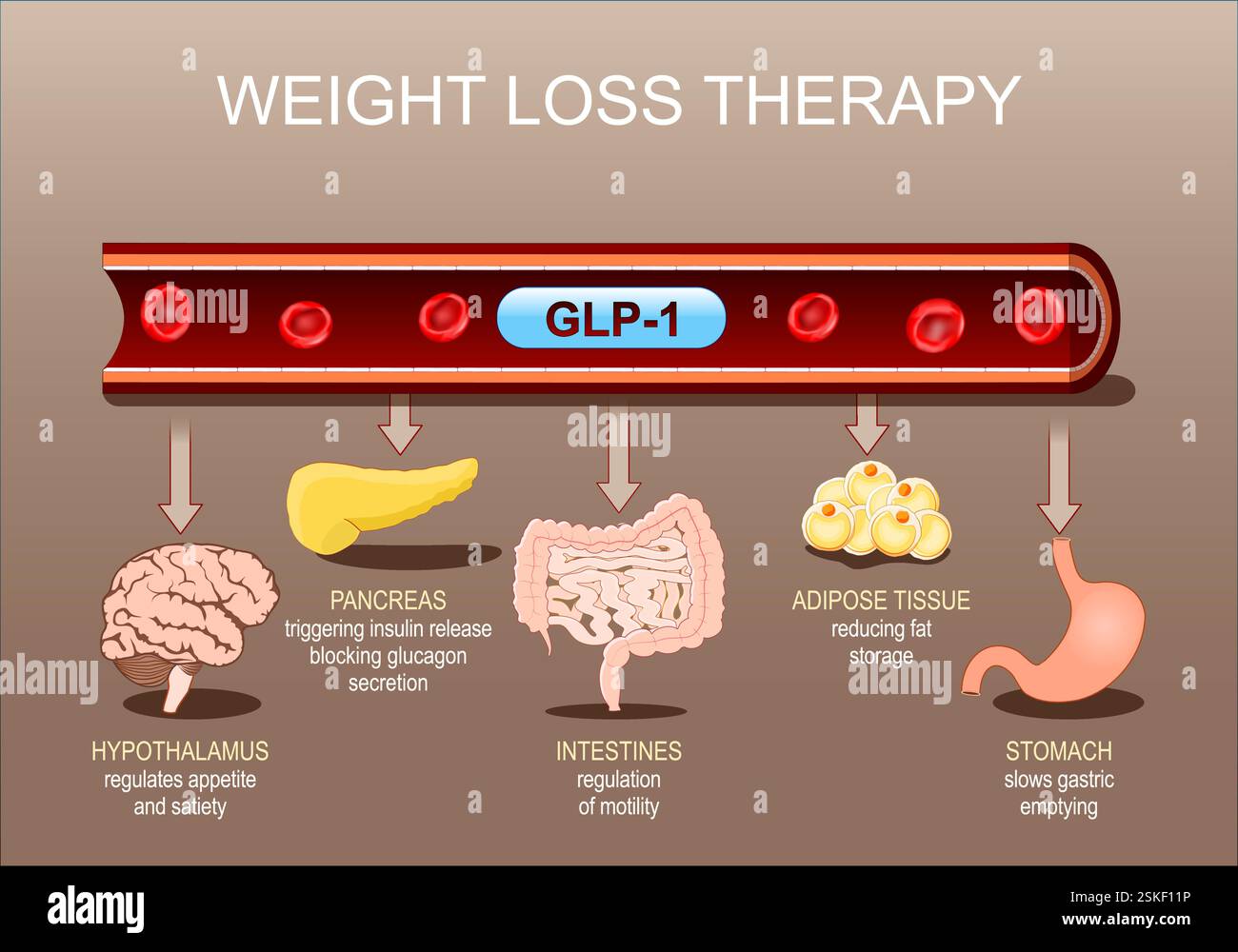
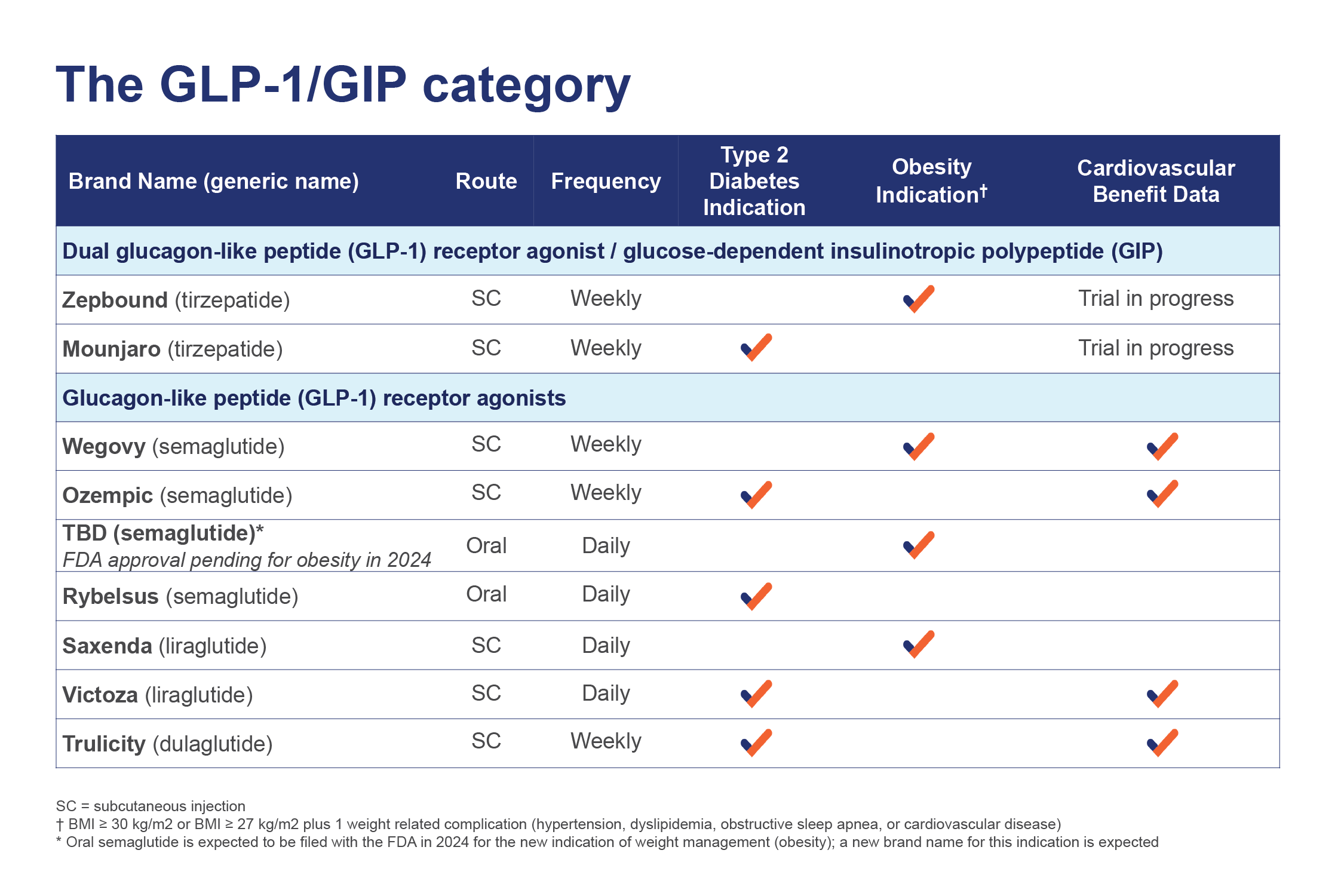
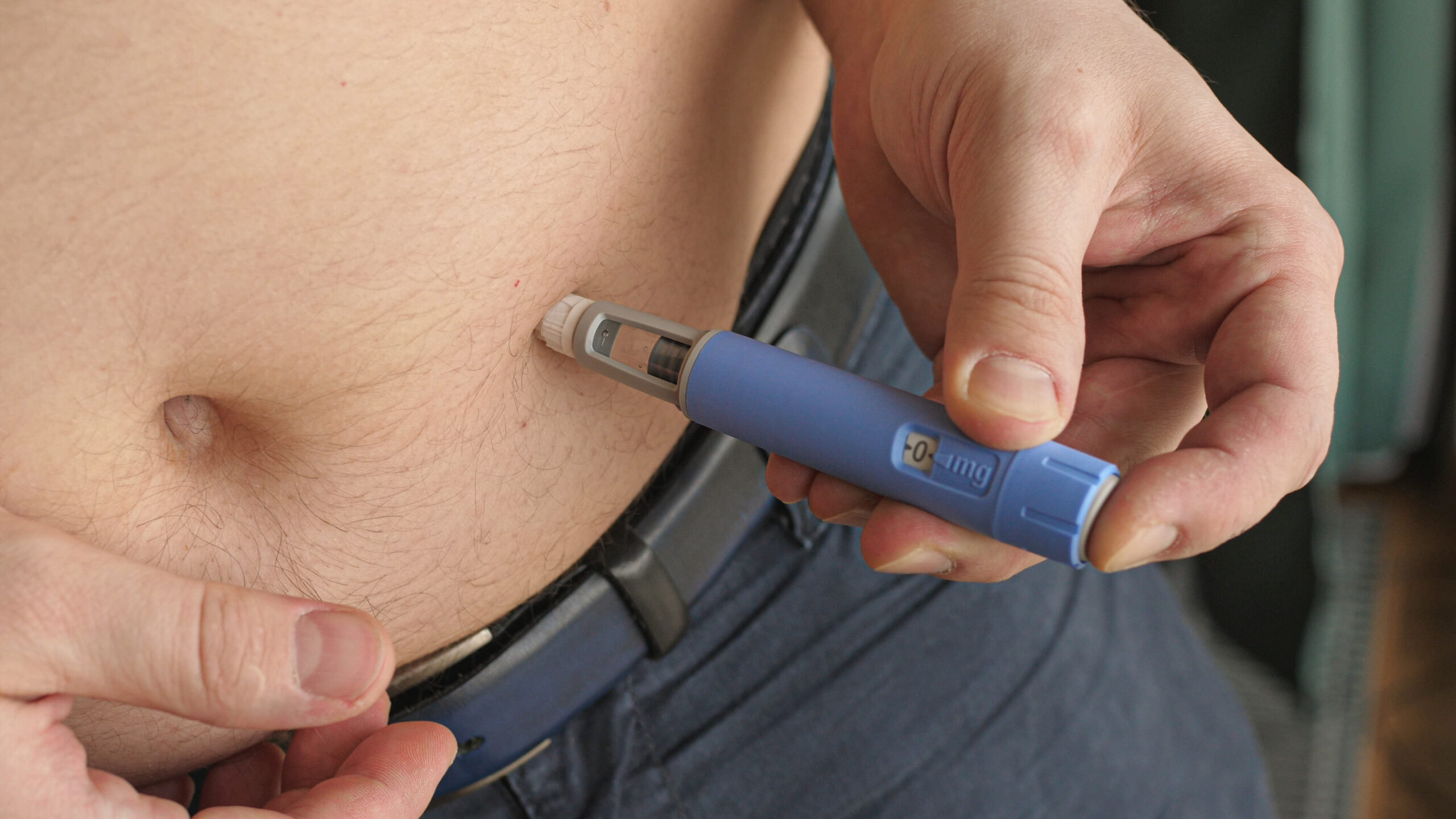
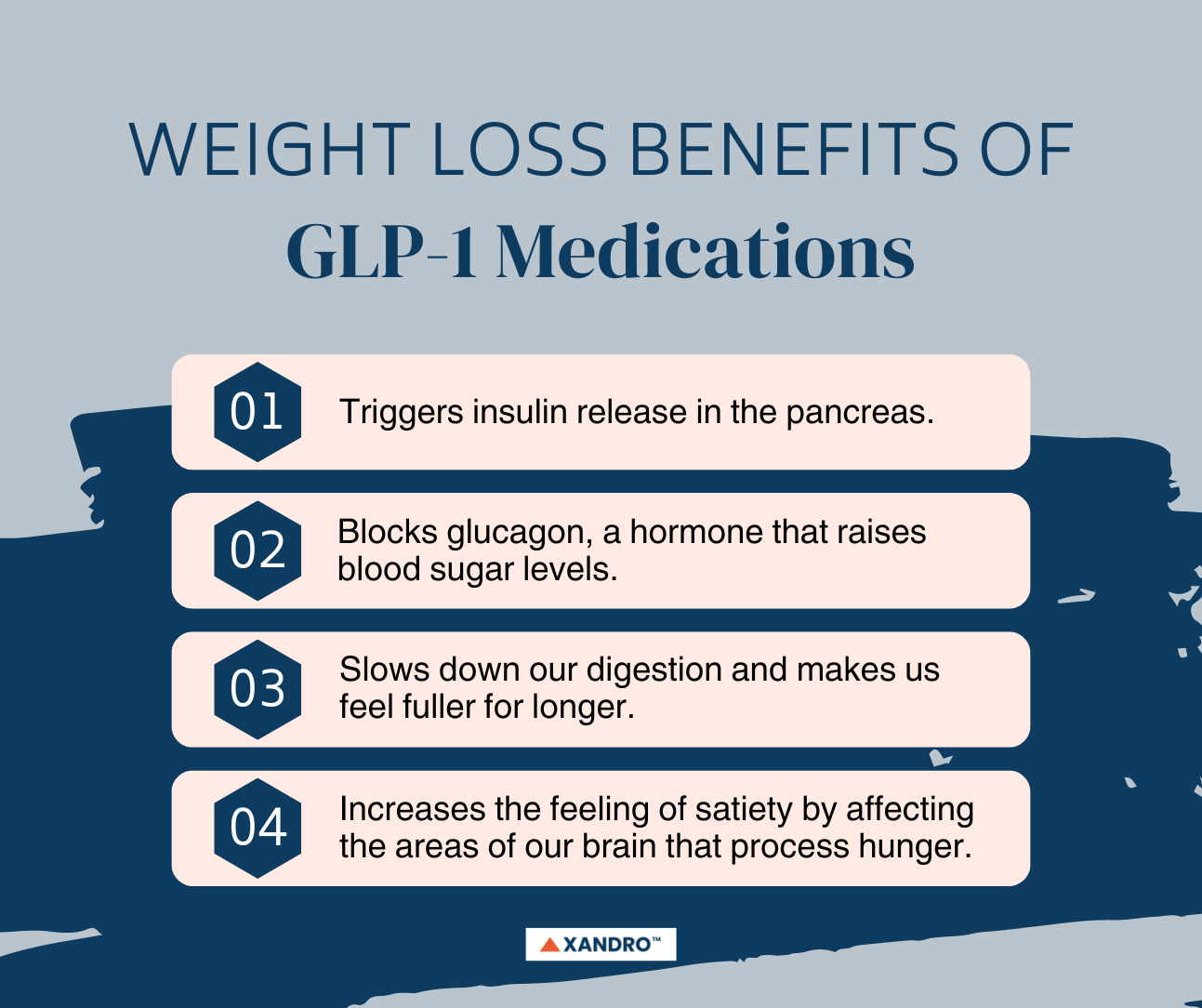
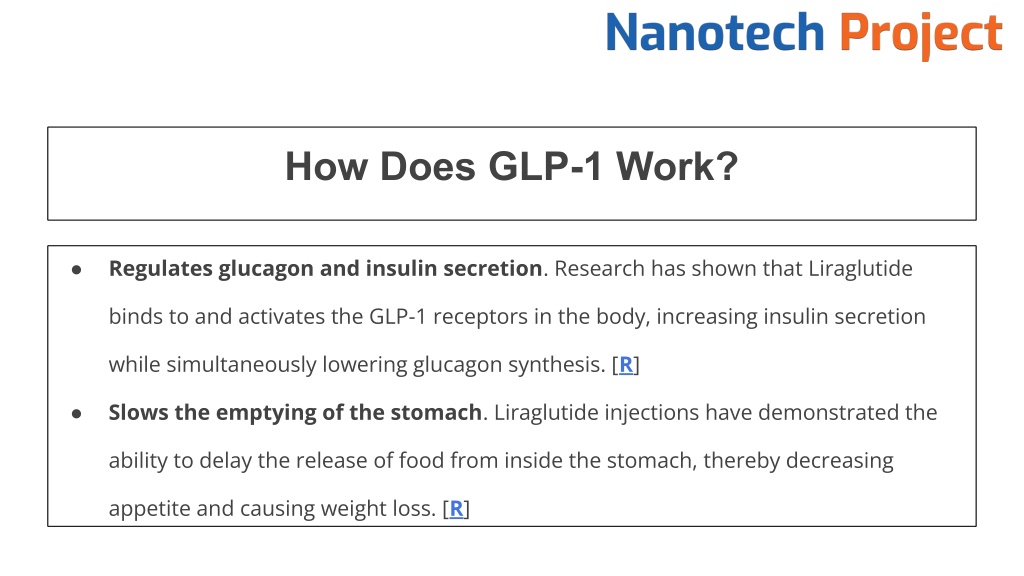
Individuals with prediabetes and those using glucagon-like peptide-1 (GLP-1) therapy may experience changes in appetite and eating habits. While GLP-1 medications like Ozempic, Wegovy, and Mounjaro can help manage weight and blood sugar levels, it's essential to be aware of the potential risks associated with reduced calorie intake.GLP-1s work by reducing appetite, which can lead to lower calorie consumption. However, if calorie intake drops below certain levels, it can be challenging to meet the body's nutritional needs. Deficiencies in essential nutrients like calcium, iron, magnesium, and zinc, as well as vitamins A, D, E, K, B1, B12, and C, are common concerns for individuals taking GLP-1 medications.
Dietary Considerations for GLP-1 Therapy
When using GLP-1 therapy, it's crucial to maintain balanced nutrition to support weight loss and overall health. A registered dietitian can help create a personalized meal plan that addresses individual needs and ensures adequate calorie intake. Proper nutrition should include a balanced mix of proteins, carbohydrates, and fats that support muscle mass and energy production.Calorie Targets for Individuals with Prediabetes and GLP-1 Therapy
The ideal calorie intake for individuals with prediabetes and GLP-1 therapy varies depending on factors like weight, age, sex, and activity level. Generally, a daily calorie deficit of 500-1000 calories is recommended to promote weight loss while maintaining muscle mass. However, this may need to be adjusted based on individual needs and progress.Research suggests that consuming most daily calories before 1 p.m. (a form of time-restricted eating) can help stabilize blood sugar levels and reduce the risk of type 2 diabetes. A well-planned meal schedule, including three main meals and two to three snacks, can help manage hunger and support overall nutrition.

Hydration and Physical Activity for GLP-1 Therapy
Besides adequate calorie intake, proper hydration and regular physical activity are essential for individuals with prediabetes and GLP-1 therapy. Staying hydrated can help reduce side effects like constipation and dry mouth, while regular exercise can improve glucose metabolism and enhance overall well-being.Nutritional Challenges and Opportunities
While GLP-1 therapy can be effective for weight loss and blood sugar control, individuals may face nutritional challenges like:- Reduced appetite and eating frequency
- Decreased calorie intake leading to nutrient deficiencies
- Increased risk of fat and muscle loss
- Impaired glucose metabolism and insulin sensitivity
To mitigate these challenges, individuals should work closely with a registered dietitian to create a customized nutrition plan that addresses their unique needs and promotes sustainable health outcomes.