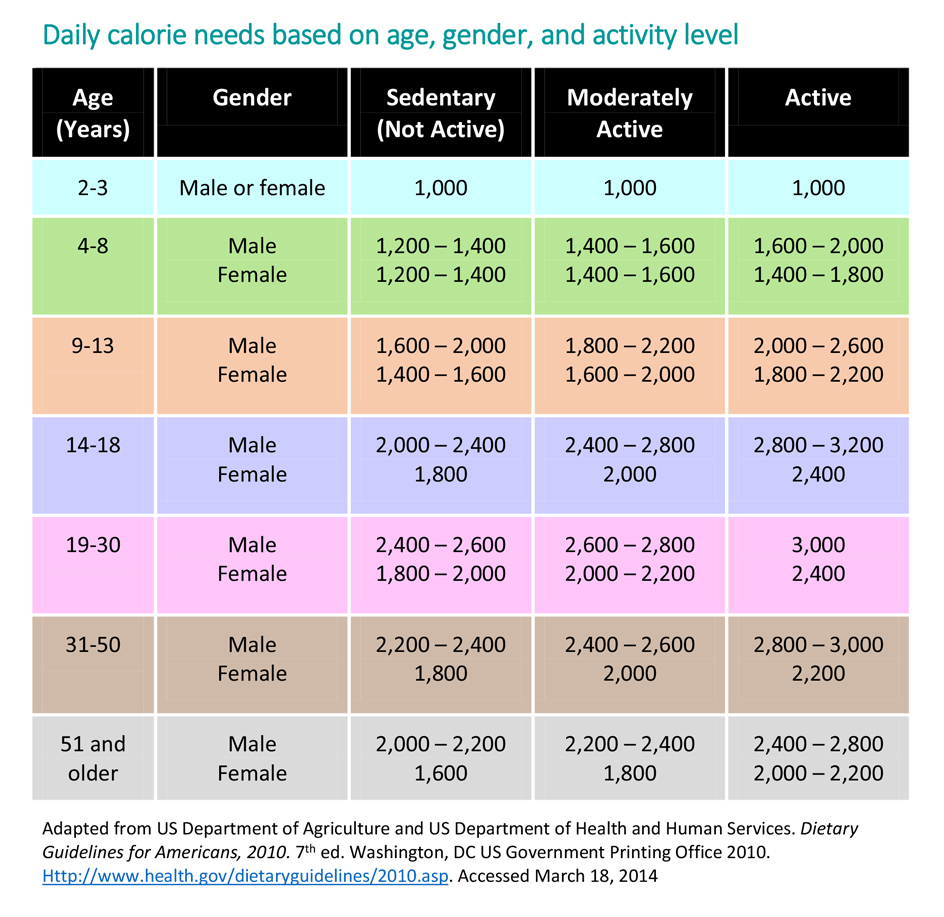
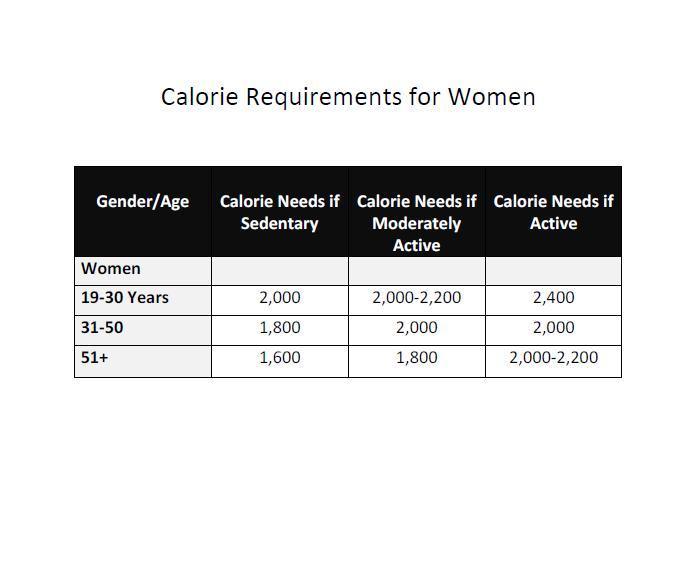
Calorie Needs for Individuals with Impaired Glucose Tolerance: A Critical Discussion
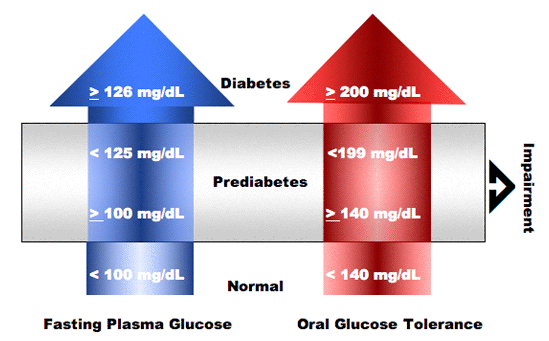
Impaired glucose tolerance (IGT) is a prediabetic state characterized by elevated postprandial blood glucose levels without meeting the criteria for diabetes mellitus. It is a significant risk factor for the development of type 2 diabetes and cardiovascular disease. Recent studies have highlighted the importance of dietary interventions in preventing or delaying the progression to type 2 diabetes in individuals with IGT. However, the optimal calorie needs for these individuals remain unclear.
Standard Lifestyle Interventions: Limits and Challenges
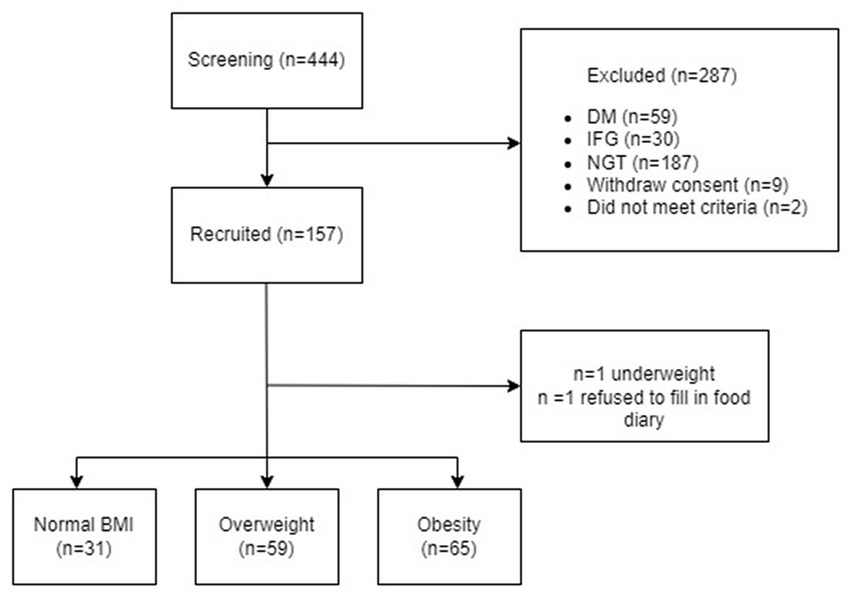
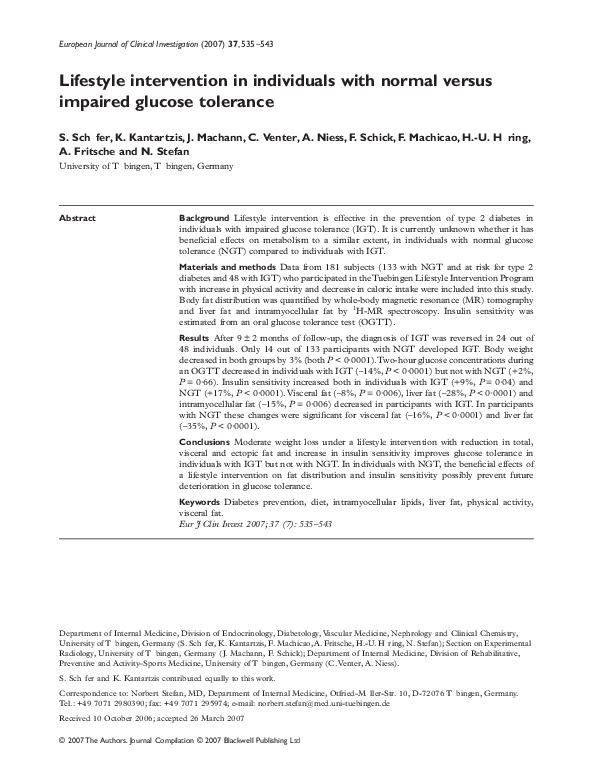
Standard lifestyle interventions, including physical activity and weight management, have been shown to be ineffective in preventing type 2 diabetes in individuals with isolated impaired fasting glucose (IFG), a highly prevalent prediabetic phenotype globally (Thirunavukkarasu et al., 2024). Here, we propose low-calorie diets as a promising strategy for diabetes prevention in this high-risk population.
Healthy Eating and Calorie Needs
Healthy eating is essential for individuals with prediabetes and diabetes, including those with impaired glucose tolerance. A well-planned diet should optimize blood glucose control, manage weight, and reduce the risk of cardiovascular disease. The American Diabetes Association recommends a balanced eating plan that emphasizes whole, unprocessed foods, including vegetables, fruits, whole grains, lean protein sources, and low-fat dairy products (American Diabetes Association, 2020). For added health benefits, individuals should limit sugar calories to 5% or less of their total daily calorie intake.
Calorie Needs for Individuals with Impaired Glucose Tolerance
Estimating the optimal calorie needs for individuals with impaired glucose tolerance is challenging. A systematic review and meta-analysis found that classical impaired glucose tolerance should be divided into subgroups of isolated impaired glucose tolerance and impaired glucose tolerance combined with impaired fasting glucose, according to the risk of progression to diabetes (Zhang et al., 2024). However, no consensus exists on the specific calorie needs for these subgroups.
Food and Nutrition for Impaired Glucose Tolerance
- Vegetables and Fruits: Emphasize non-starchy vegetables and fruits, such as leafy greens, broccoli, bell peppers, carrots, citrus fruits, and apples.
- Whole Grains: Choose whole grains, such as brown rice, quinoa, whole-wheat bread, and whole-grain pasta.
- Lean Protein Sources: Include lean protein sources, such as poultry, fish, beans, lentils, and low-fat dairy products.
- Healthy Fats: Nuts, seeds, avocados, and olive oil are rich in healthy fats.
- Limit Added Sugars: Restrict added sugars to less than 10% of total daily calorie intake.
Implications for Dietitians and Healthcare Providers
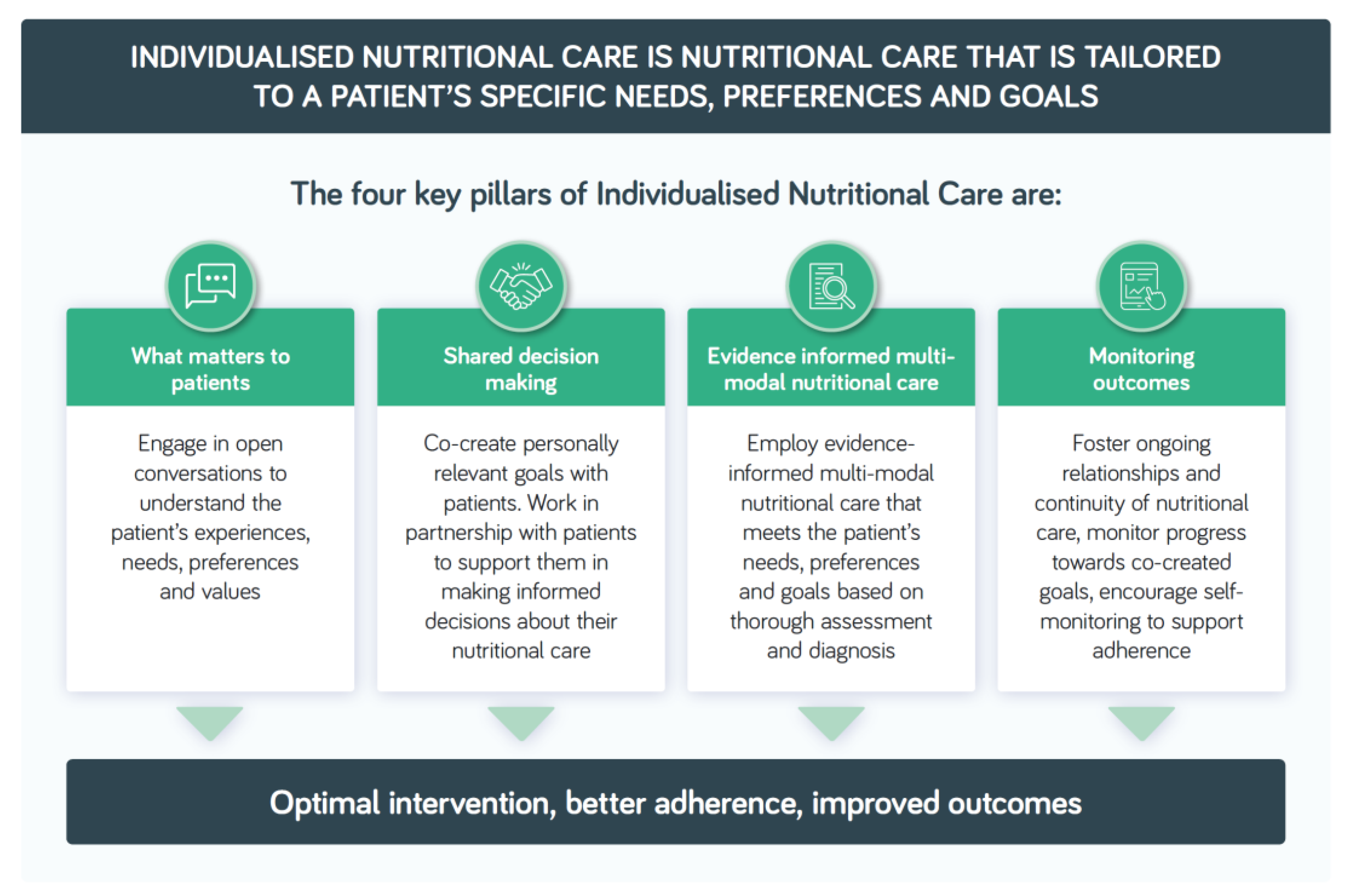
Accurate estimates of calorie needs are critical for individualizing nutrition therapy in patients with impaired glucose tolerance. Dietitians and healthcare providers should consider the following:
- Use individualized medical nutrition therapy to meet nutrition requirements, glycemic goals, and desired body weight.
- Consider patient preferences on eating patterns and types of foods as much as possible.
- Monitor and adjust dietary intake based on changes in weight, body mass index (BMI), and blood glucose control.
- Encourage regular physical activity and provide education on its benefits.
Conclusion
Impaired glucose tolerance is a significant risk factor for the development of type 2 diabetes and cardiovascular disease. Accurate estimates of calorie needs are critical for individualizing nutrition therapy in patients with impaired glucose tolerance. Healthy eating, emphasizing whole, unprocessed foods, and limiting added sugars, is essential for achieving optimal blood glucose control and reducing the risk of cardiovascular disease. Further research is needed to determine the specific calorie needs for individuals with impaired glucose tolerance and to inform the development of targeted dietary interventions.
References
Selected References
Thirunavukkarasu, S., et al. (2024). Standard lifestyle interventions prove ineffective in preventing type 2 diabetes in individuals with isolated impaired fasting glucose, a highly prevalent prediabetic phenotype globally.
American Diabetes Association. (2020). Standards of medical care in diabetes.
Centers for Disease Control and Prevention. (2020). Impaired glucose tolerance and impaired fasting glucose.



:max_bytes(150000):strip_icc()/GettyImages-1193077122-666843c235114df48059ced0d033c7a4.jpg "Low-calorie diets for people with isolated impaired fasting glucose")