Brand Identification Process: A Comprehensive Guide
Establishing a strong brand identity is crucial for any business seeking to stand out in today's competitive market. A well-defined brand identity helps businesses establish a recognizable and consistent image that resonates with their target audience. In this article, we'll take you through the brand identification process, from research and strategy to visual identity systems and brand guidelines.
What is Brand Identification?
Brand identification refers to the process of creating a unique set of attributes that distinguish a company from its competitors. It encompasses the visual, verbal, and emotional elements that a company uses to present itself to the world. This includes the logo, color palette, typography, and brand messaging, among other elements.
Why is Brand Identification Important?
A strong brand identity helps to:
- Establish a recognizable and consistent image
- Resonate with the target audience
- Differentiate the company from competitors
- Build customer loyalty and trust
- Increase brand awareness and recognition
Step 1: Research and Strategy
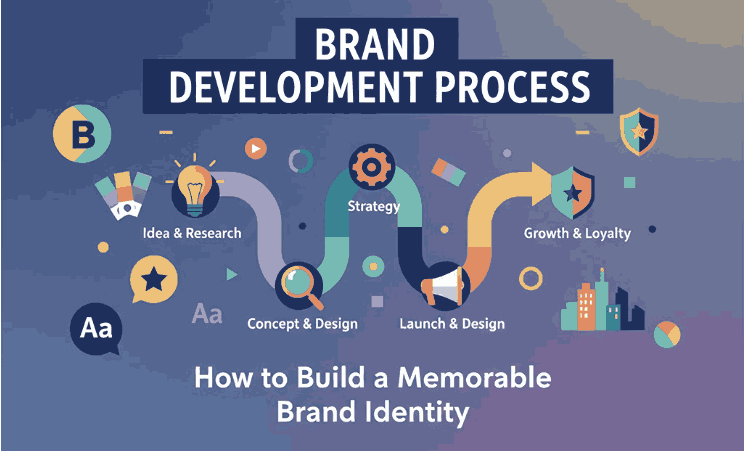
The first step in the brand identification process is research and strategy. This involves gathering information about the company's values, mission, and target audience. It's essential to understand the company's unique selling proposition (USP) and what sets it apart from competitors.
The research phase should also involve:
- Conducting market research and analyzing competitors
- Identifying target audience demographics and preferences
- Defining the company's values and mission statement
- Developing a unique value proposition (UVP)
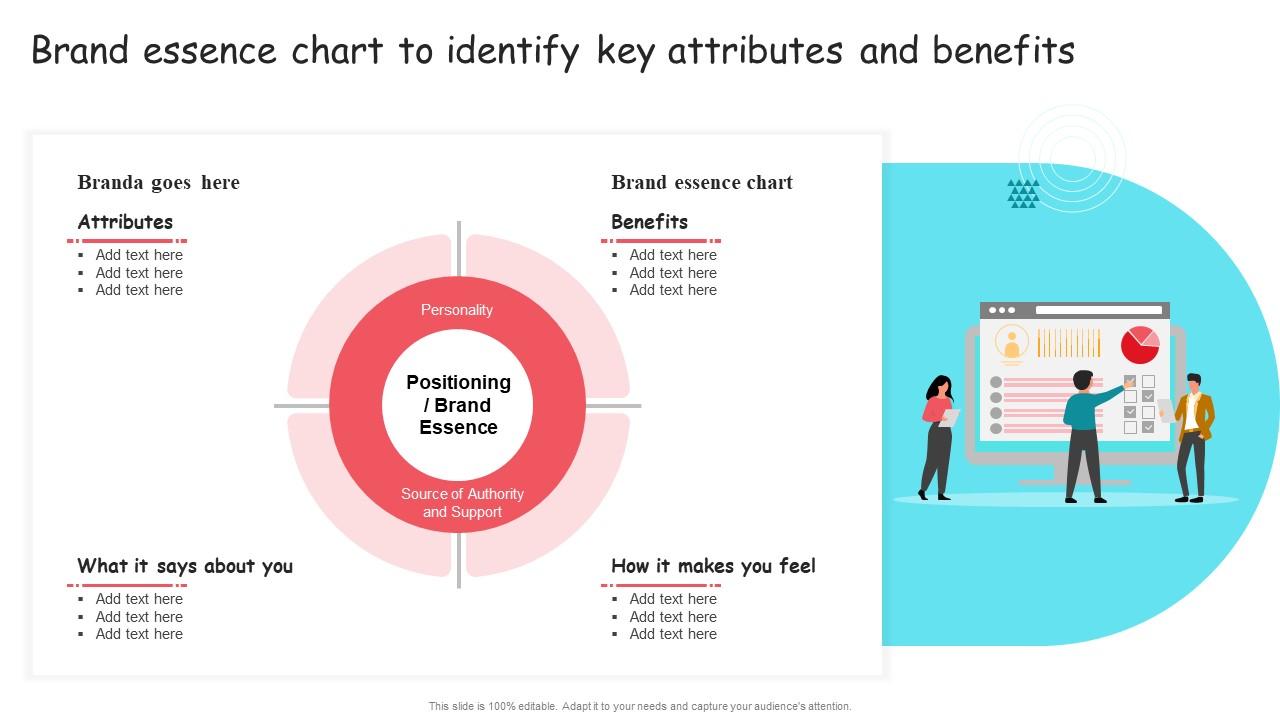
- Creating a brand positioning statement
Step 2: Visual Identity System
The next step in the brand identification process is to develop a visual identity system. This includes:
- Logo design: creating a distinctive and memorable logo that represents the brand
- Color palette: selecting a range of colors that reflect the brand's personality and values
- Typography: selecting a font or font family that aligns with the brand's tone and personality
- Imagery: selecting images and graphics that reflect the brand's values and personality
Step 3: Brand Guideline Development
Once the visual identity system is in place, it's essential to develop brand guidelines. These guidelines will help ensure consistency across all touchpoints, including website, social media, marketing materials, and employee communication.
Brand guidelines should include:
- Logo usage: guidelines for logo size, color usage, and placement
- Color palette: guidelines for color usage and typography
- Imagery guidelines: guidelines for image selection and usage
- Capítulo and tone guidelines: guidelines for brand voice and tone
Step 4: Launch and Revise
After the brand identity system is developed, it's essential to launch it across all touchpoints. This includes updating the website, social media, marketing materials, and employee communication.
It's also essential to revise and update the brand identity system periodically to ensure that it remains relevant and effective.
Conclusion
Brand identification is a critical process that helps businesses establish a recognizable and consistent image that resonates with their target audience. By following the steps outlined in this guide, businesses can develop a strong brand identity that helps them stand out in today's competitive market.
Remember, a strong brand identity is crucial for building customer loyalty and trust. It's essential to revisit and revise the brand identity system periodically to ensure that it remains relevant and effective.