Binge Eating Disorder GLP-1 Therapy: A New Approach to Treating a Complex Condition
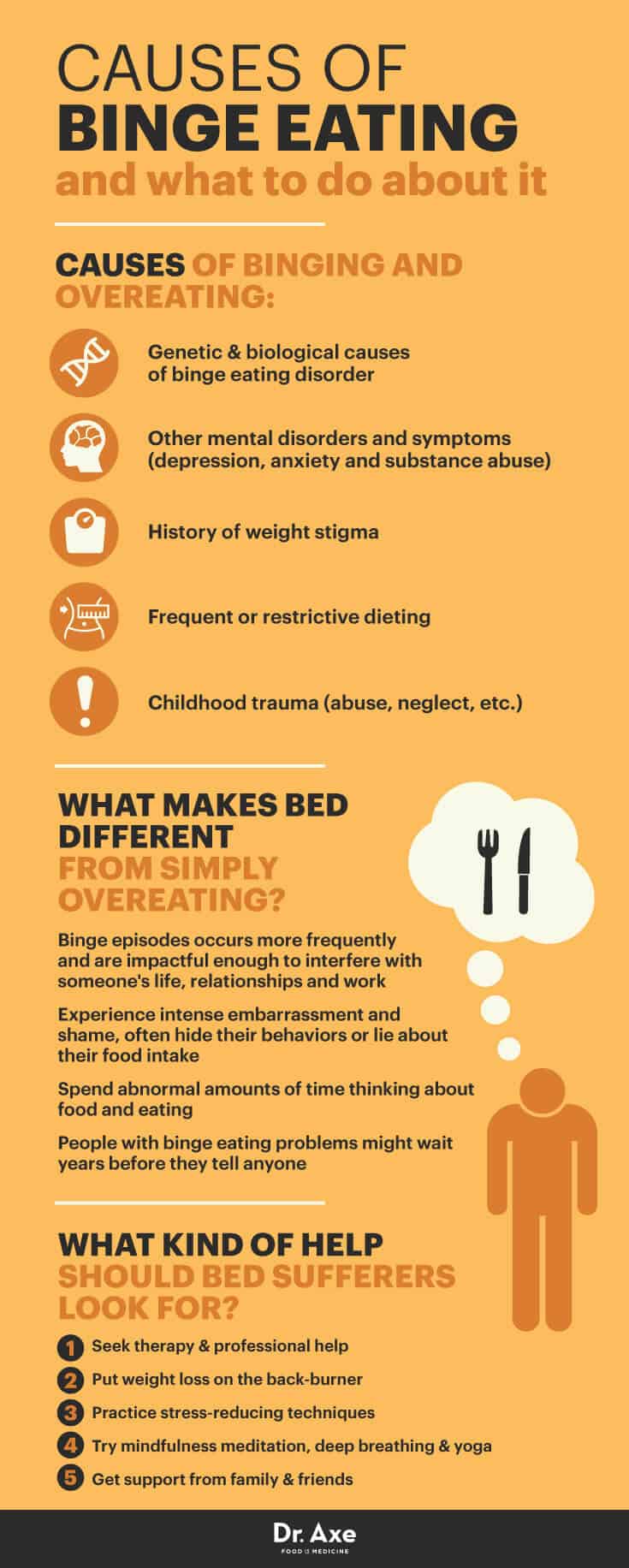
Binge eating disorder (BED) is a serious eating disorder that affects millions of people worldwide, characterized by recurrent episodes of excessive food consumption often accompanied by feelings of guilt, shame, and distress.
Understanding GLP-1 Therapy
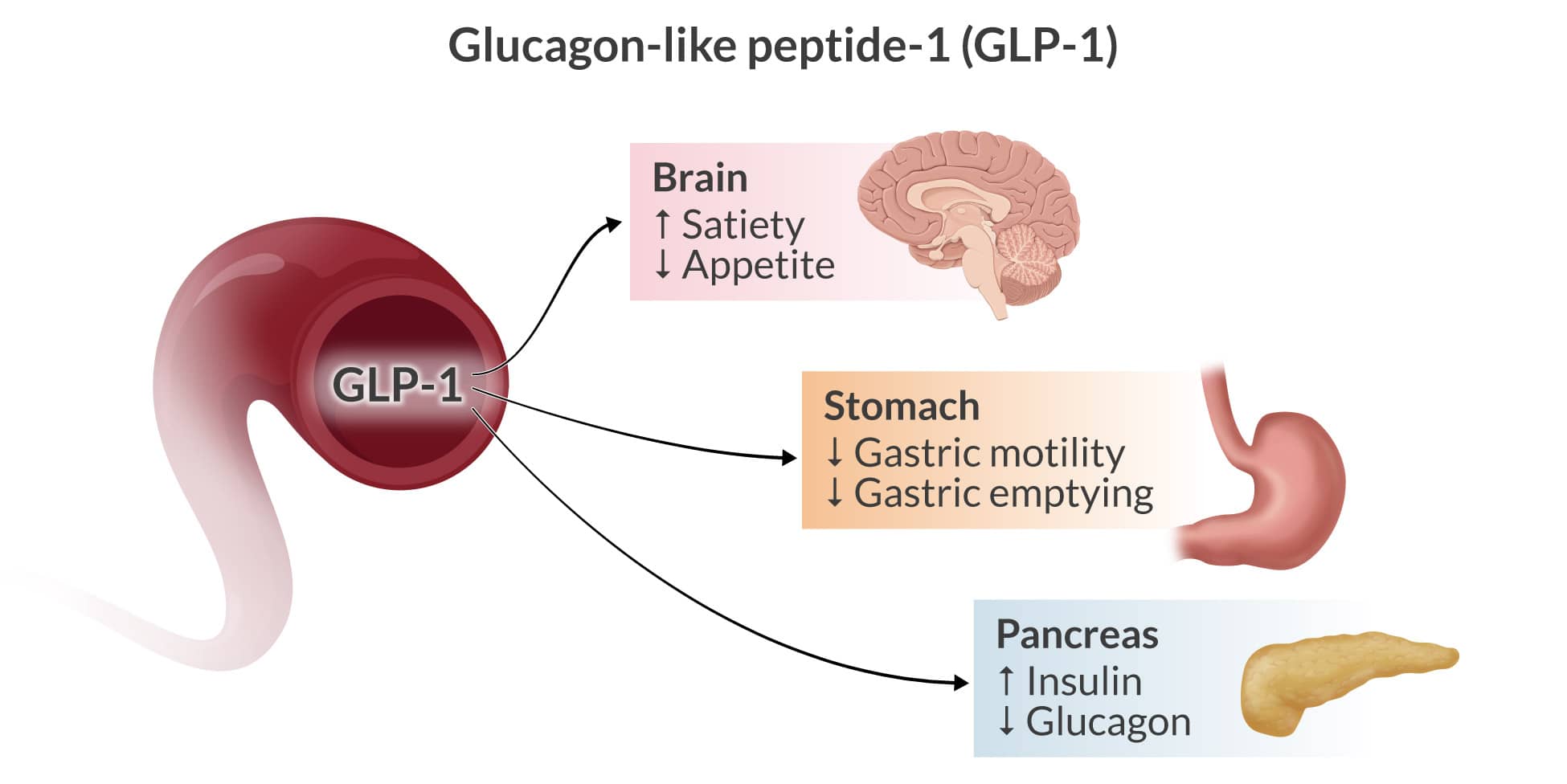
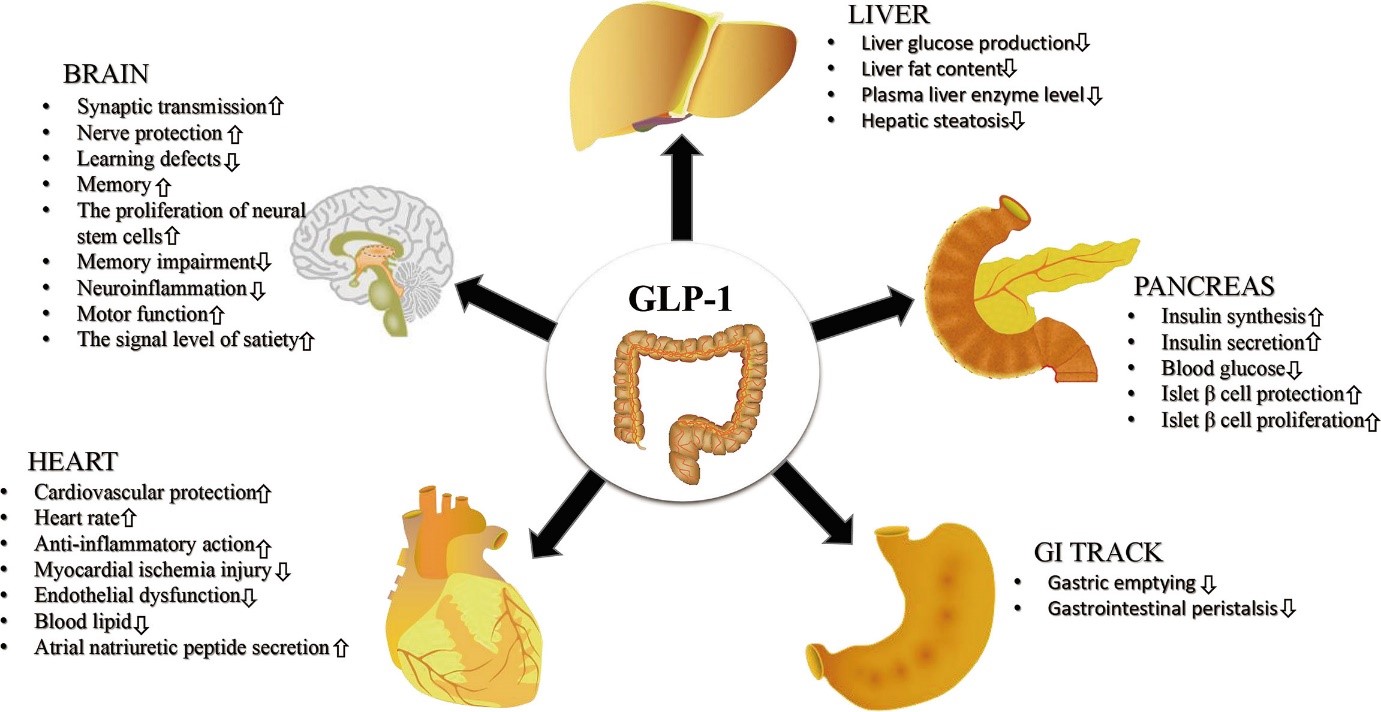
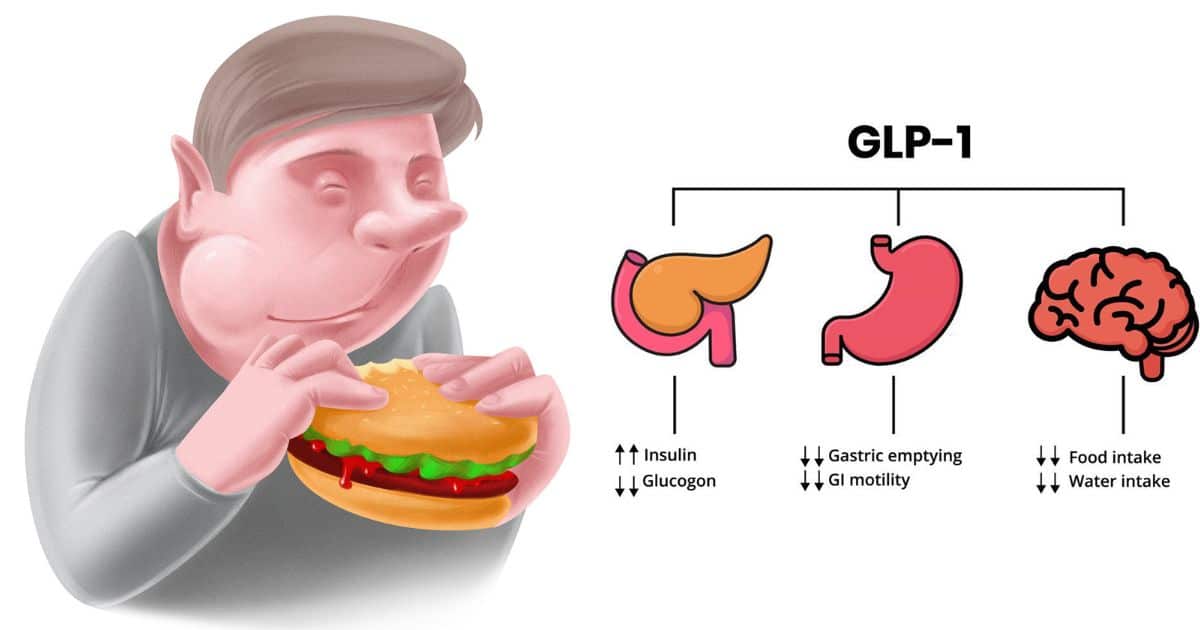
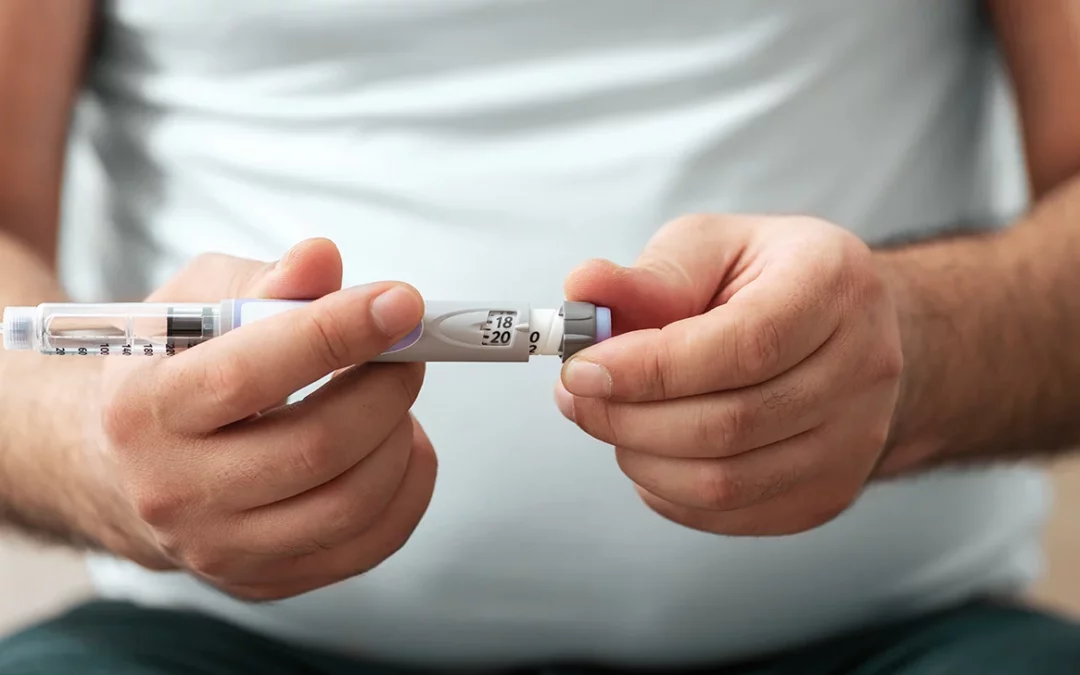
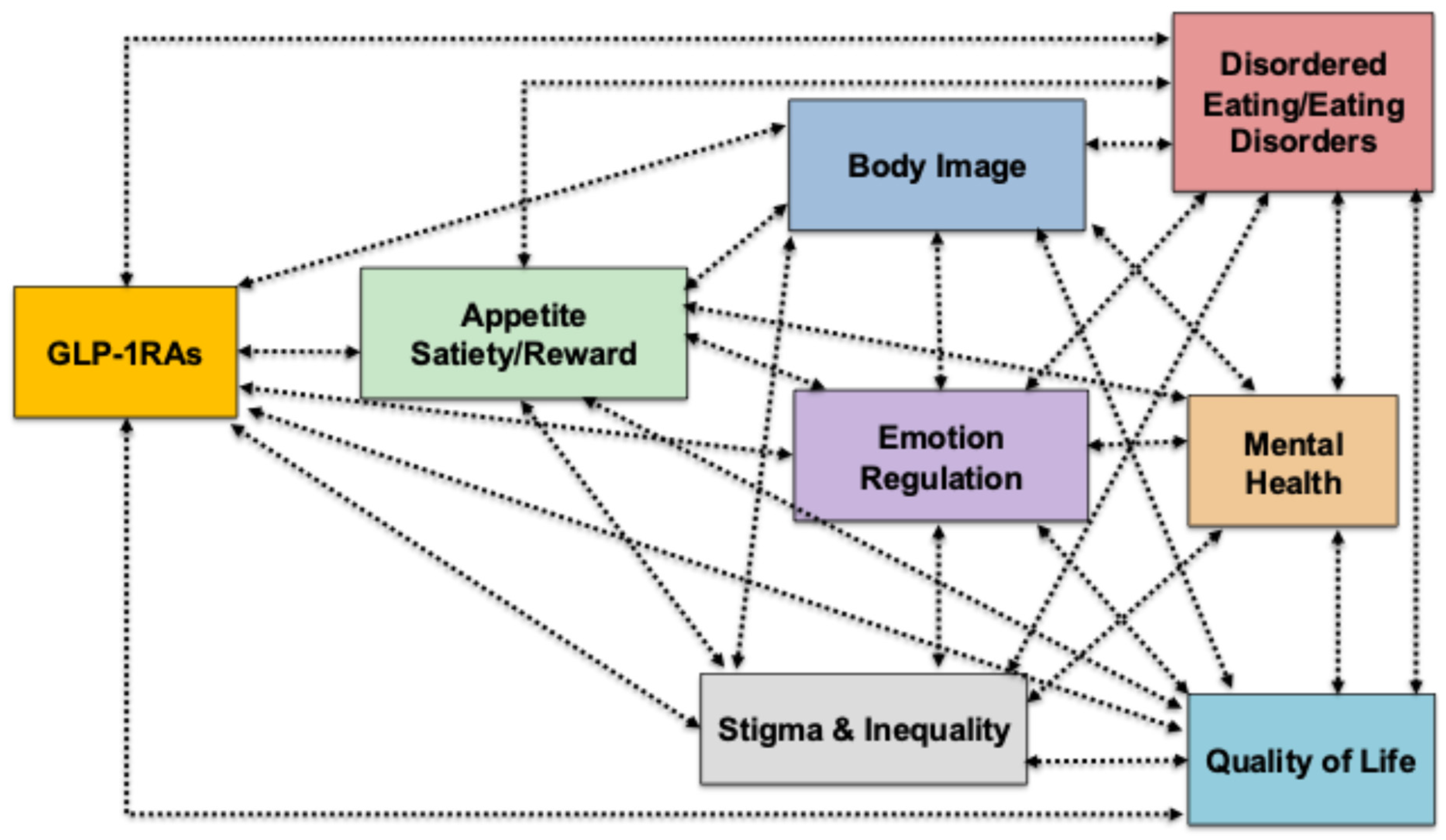
Glucagon-like peptide-1 (GLP-1) is a hormone produced in the intestines that plays a crucial role in regulating appetite, satiety, and glucose metabolism. Recent studies have explored the therapeutic potential of GLP-1 agonists, medications that mimic the action of GLP-1, in treating BED.
GLP-1 Therapy and Binge Eating Disorder
Research has shown that GLP-1 therapy may be effective in reducing binge eating episodes, body weight, and comorbidities in individuals with BED. A 2024 review found that GLP-1 medications may help lower appetite and food cravings, supporting better control over eating behaviors when used alongside mental health care.
Benefits of GLP-1 Therapy for BED
- Reduces binge eating episodes
- Supports weight loss
- Improves mood and reduces cravings
- Aids emotional regulation
- May enhance mental health
Risks and Considerations
While GLP-1 therapy shows promise, it is essential to note potential risks and considerations:
- Worsening of pathological dietary restriction
- Preventing regular eating and maintaining or worsening the eating disorder
- Lack of long-term data
- Unknown discontinuation effects
Combining GLP-1 Therapy with Other Treatments
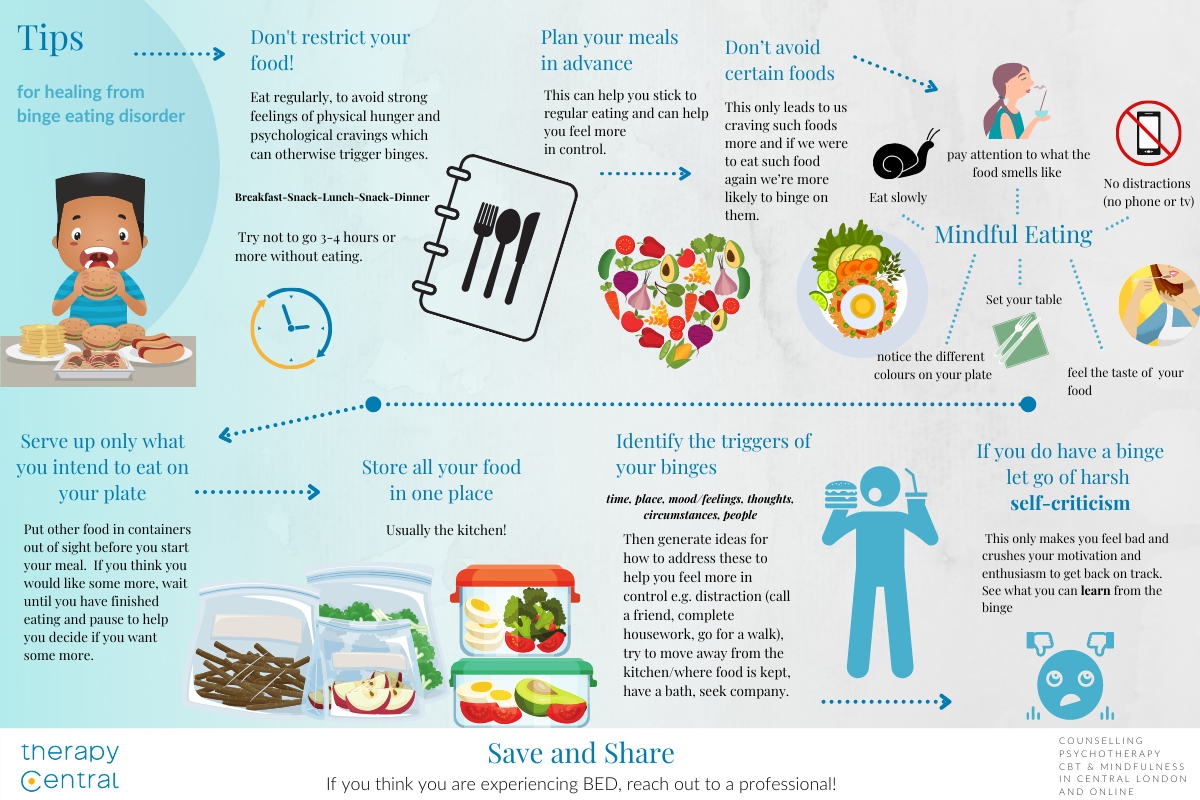
For optimal results, GLP-1 therapy should be used in conjunction with behavioral therapy and nutritional counseling. This comprehensive approach helps address the root causes of BED and promotes long-term recovery.
Celebrity Endorsements and Real-Life Experience
Comedian Margaret Cho has publicly credited GLP-1 medications with helping her manage her binge eating disorder, describing them as a "lifesaver." Her story highlights the potential benefits of GLP-1 therapy for individuals struggling with BED.
Conclusion
GLP-1 therapy presents a promising new approach to treating BED, a complex eating disorder that requires comprehensive care. While benefits exist, it is crucial to weigh the potential risks and consider individual circumstances before pursuing GLP-1 therapy. By combining GLP-1 therapy with behavioral therapy and nutritional counseling, individuals may experience improved control over eating behaviors and better overall well-being.




:max_bytes(150000):strip_icc()/VWH_Illustration_Considerations-for-Eating-Disorder-Recovery_Tara-Anand_Final-4a3e3f419ac24a04a93c36f4178a0f5f.jpg "GLP-1 and Binge Eating Disorder: Can It Help? - Doctronic")