Basement Water Damage Prevention Tips: A Comprehensive Guide
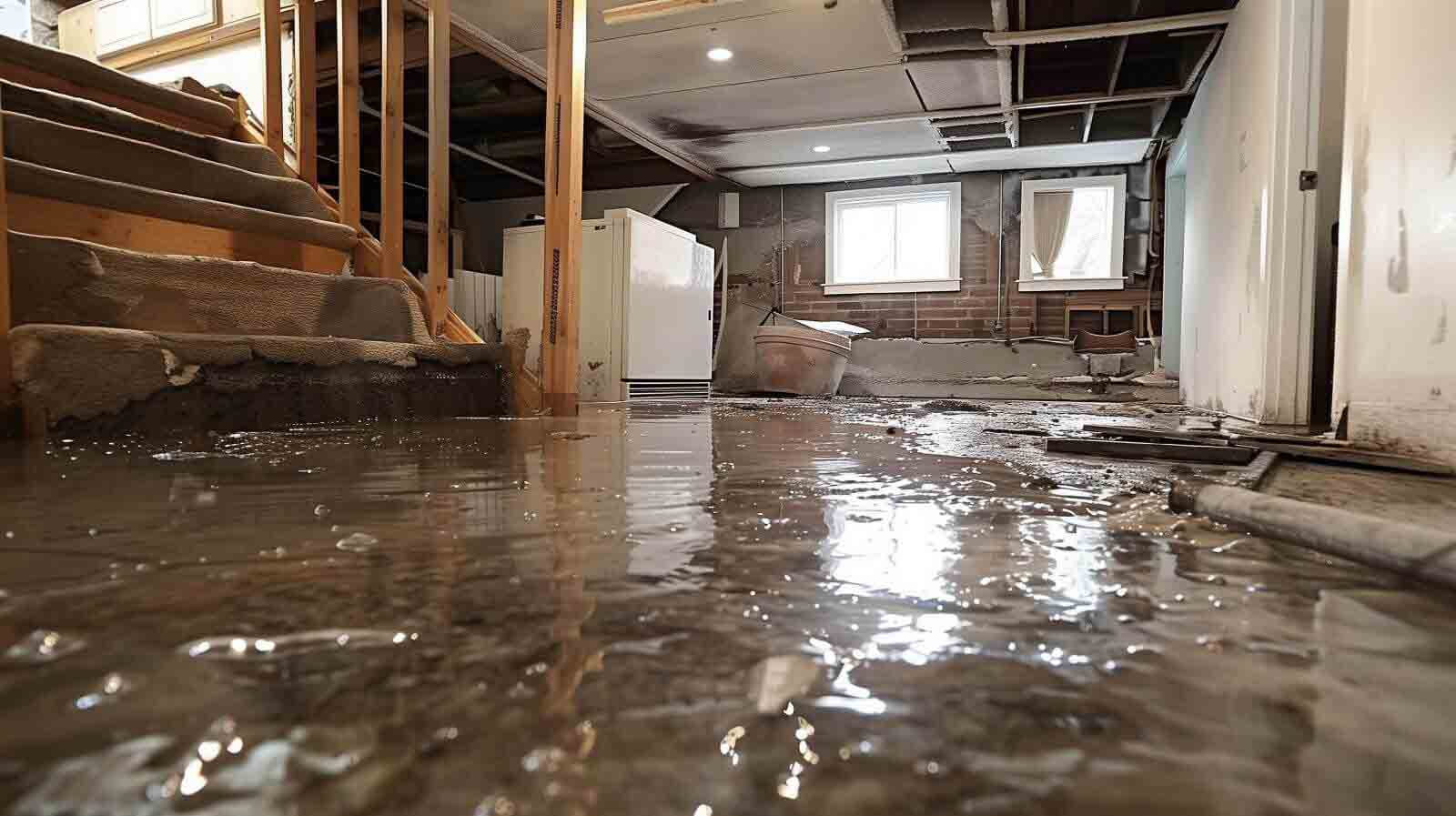
A wet basement can be a nightmare for homeowners, causing costly repairs, health risks, and unnecessary stress. Fortunately, there are several ways to waterproof your basement and reduce the risk of water damage. In this article, we will explore the common causes of basement water damage, share expert tips on prevention and remediation, and provide a step-by-step guide on how to keep your basement dry and safe.
Understanding the Causes of Basement Water Damage
Before we dive into the prevention tips, it's essential to understand the common causes of basement water damage. Some of the most common causes include:
- Poor drainage: Improperly sloped or clogged gutters and downspouts can cause water to accumulate around your home's foundation.
- High water table: If the water table is too high, it can put pressure on your home's foundation, causing water to seep into your basement.
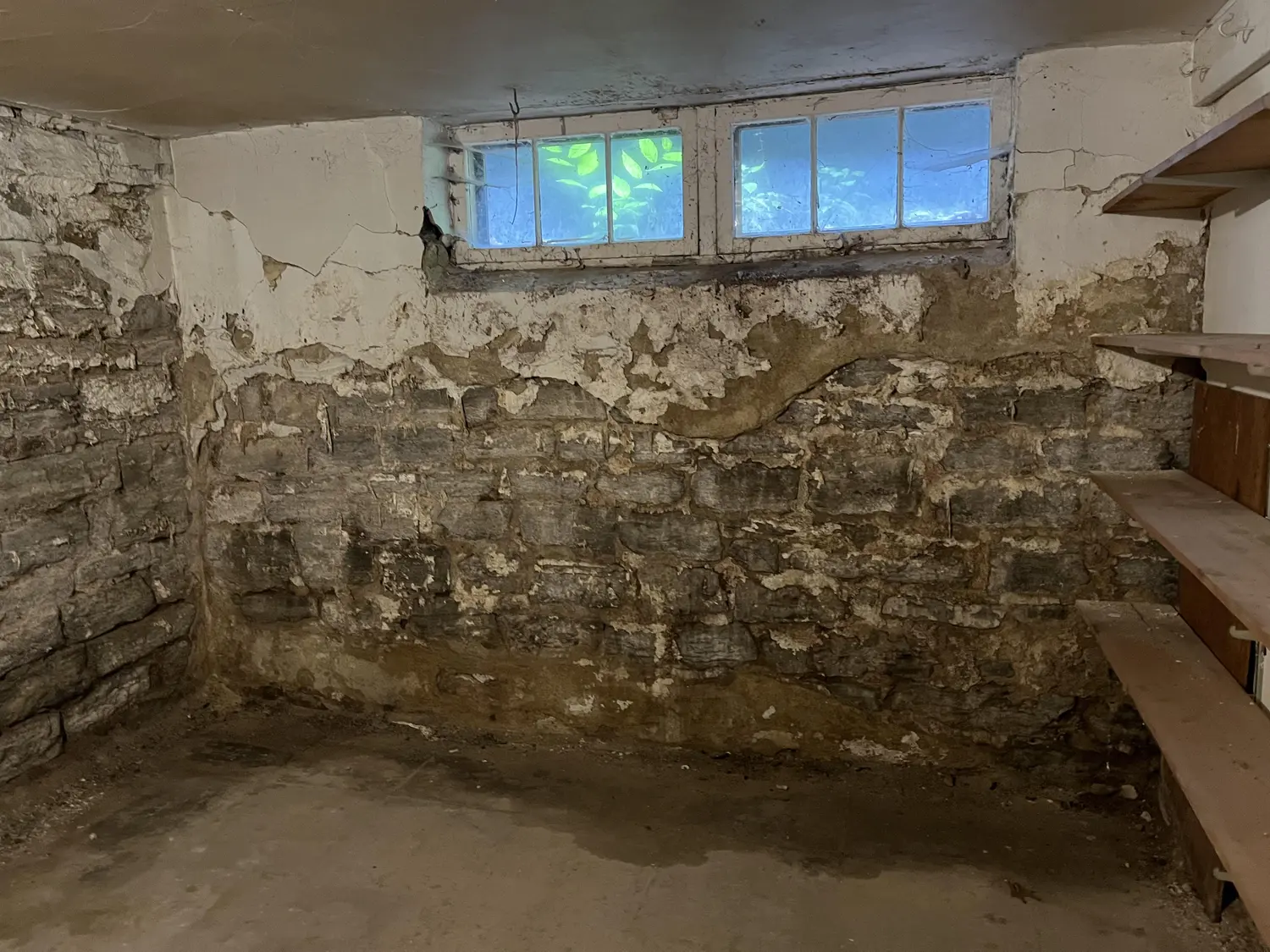
- Foundation cracks: Cracks in your home's foundation can allow water to enter your basement, leading to damage and mold growth.
- Clogged drains: Clogged floor drains can cause water to back up and flood your basement.
- Heavy rainfall: Heavy rainfall can cause water to accumulate around your home's foundation, leading to basement flooding.
Prevention Tips: Sealing Cracks and Improving Drainage
To prevent basement water damage, it's essential to seal cracks and improve drainage around your home's foundation. Here are some expert tips:
- Seal cracks in your foundation: Use a waterproof sealant to seal cracks in your foundation, preventing water from entering your basement.
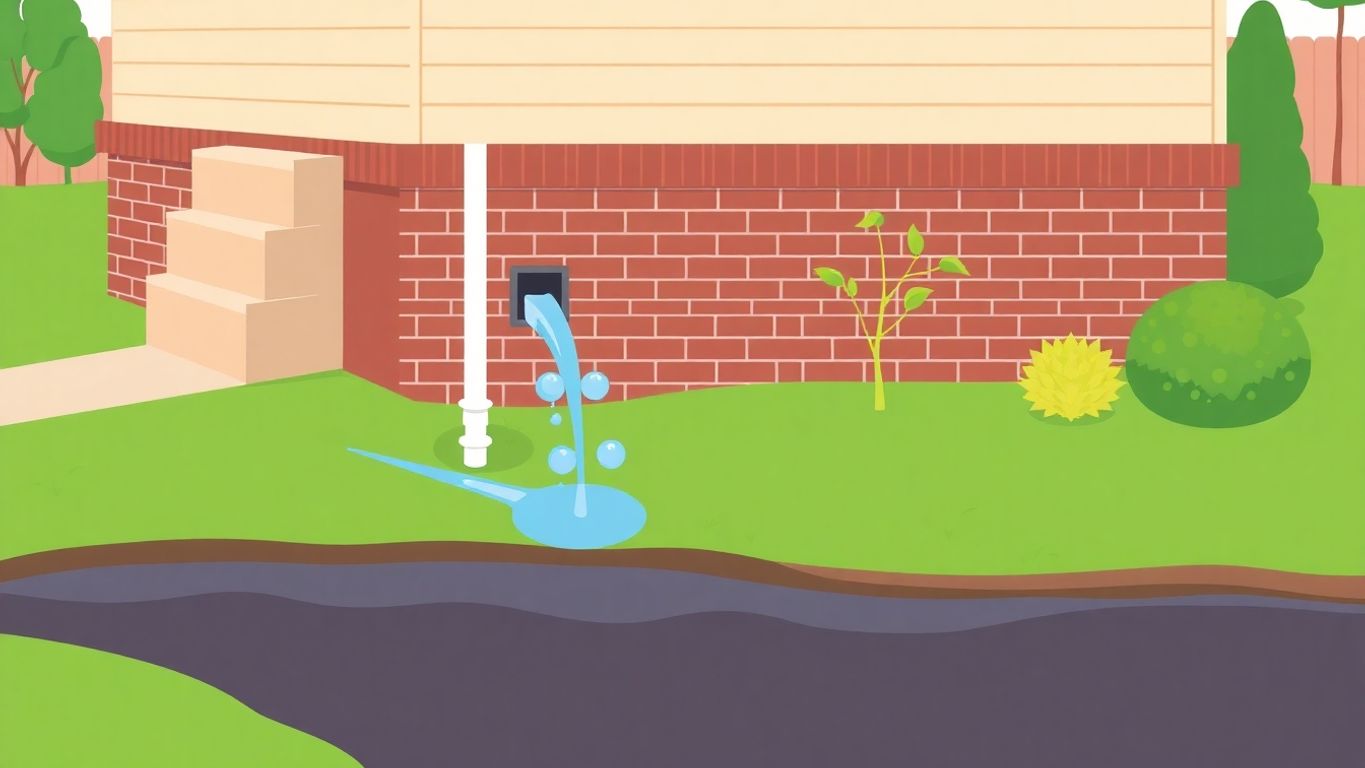
- Improve drainage: Ensure that your gutters and downspouts are properly sloped and clear of debris, directing water away from your home's foundation.
- Install a sump pump: A sump pump can help remove excess water from your basement, preventing flooding and damage.
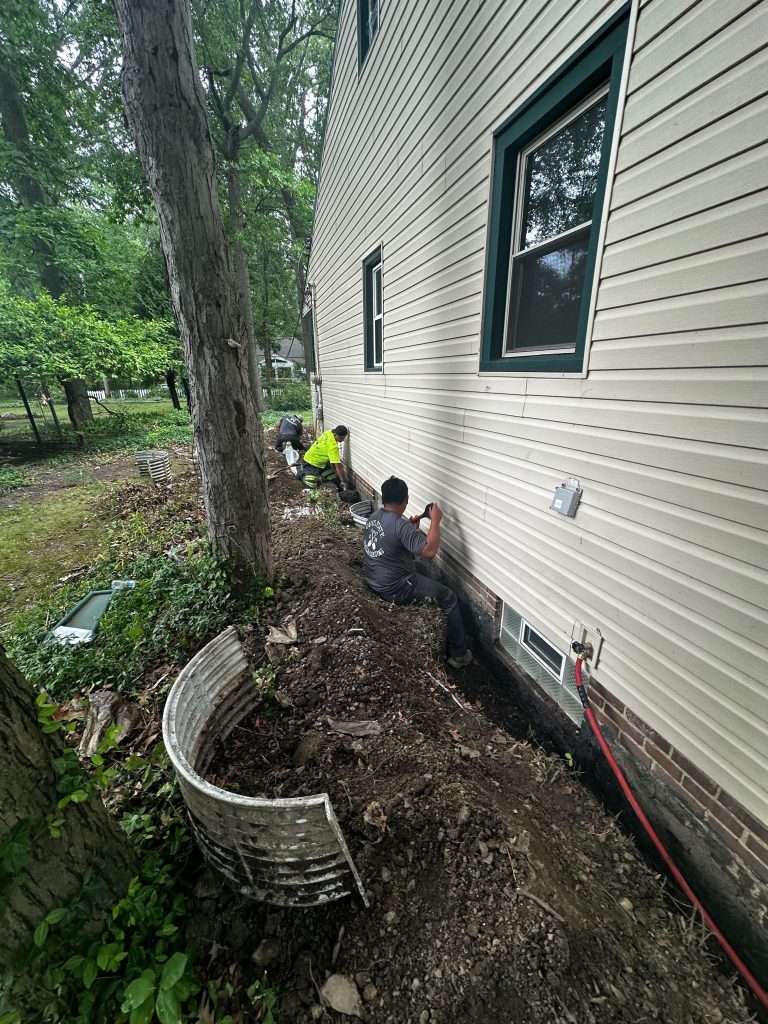
- Use a French drain: A French drain can help direct water away from your home's foundation, reducing the risk of basement flooding.
- Keep your basement dry: Ensure that your basement is properly ventilated, and use a dehumidifier to remove excess moisture from the air.
Remediation Tips: Fixing Leaks and Cleaning Up Water Damage
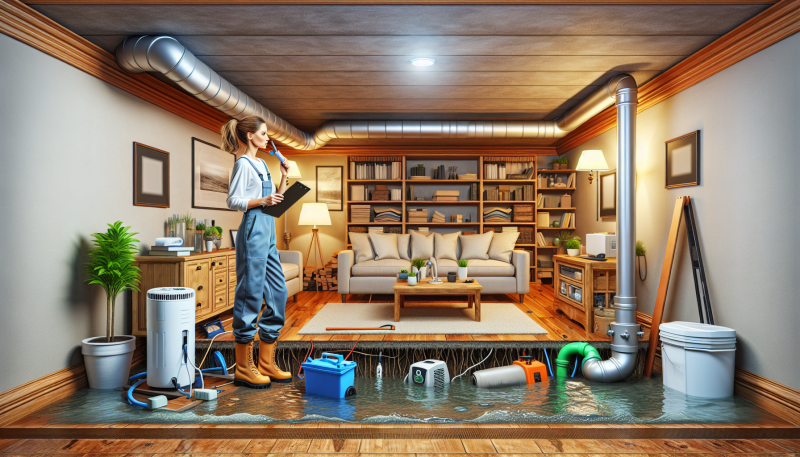
If you've experienced basement water damage, it's essential to take prompt action to remediate the situation. Here are some expert tips:
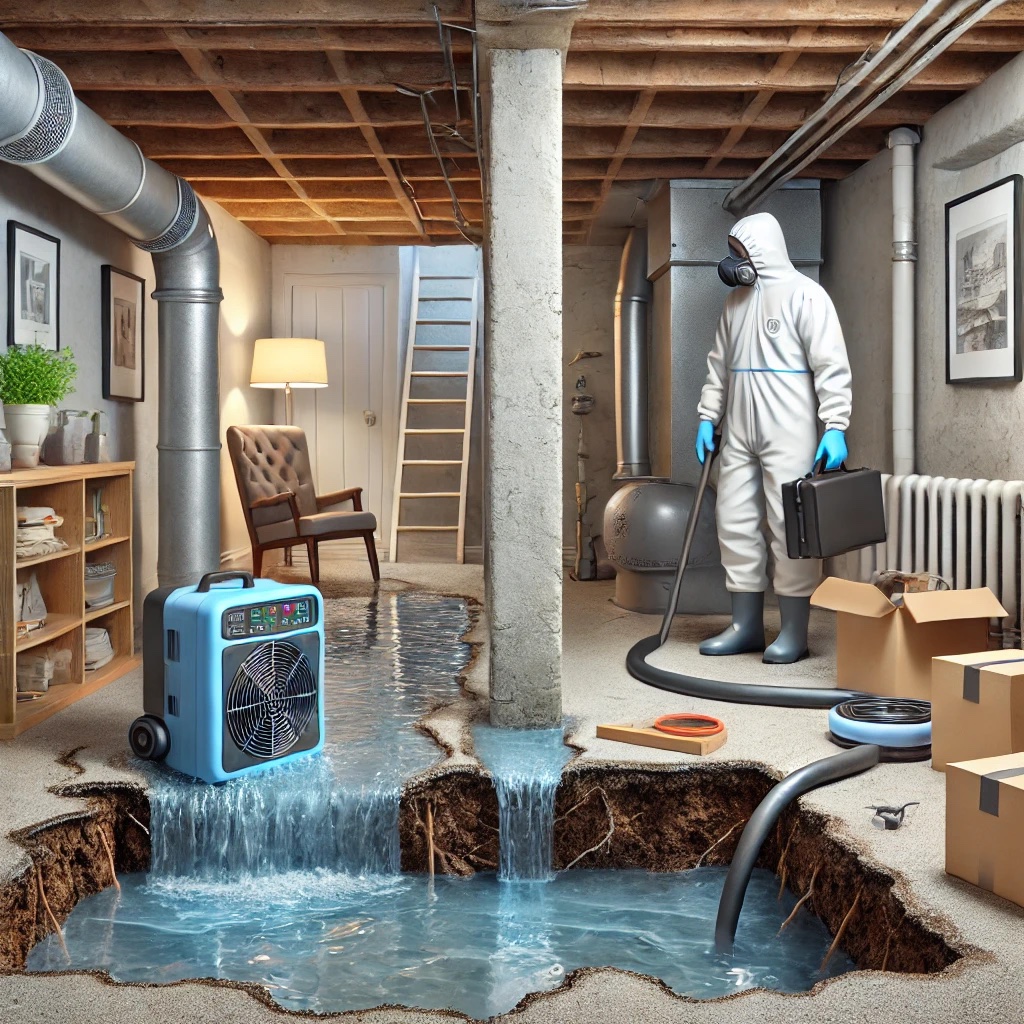
- Identify the source of the leak: Determine the cause of the leak and take steps to repair or replace the damaged area.
- Clean up the water: Use a wet vacuum or towels to remove excess water from the area, and discard any damaged materials.
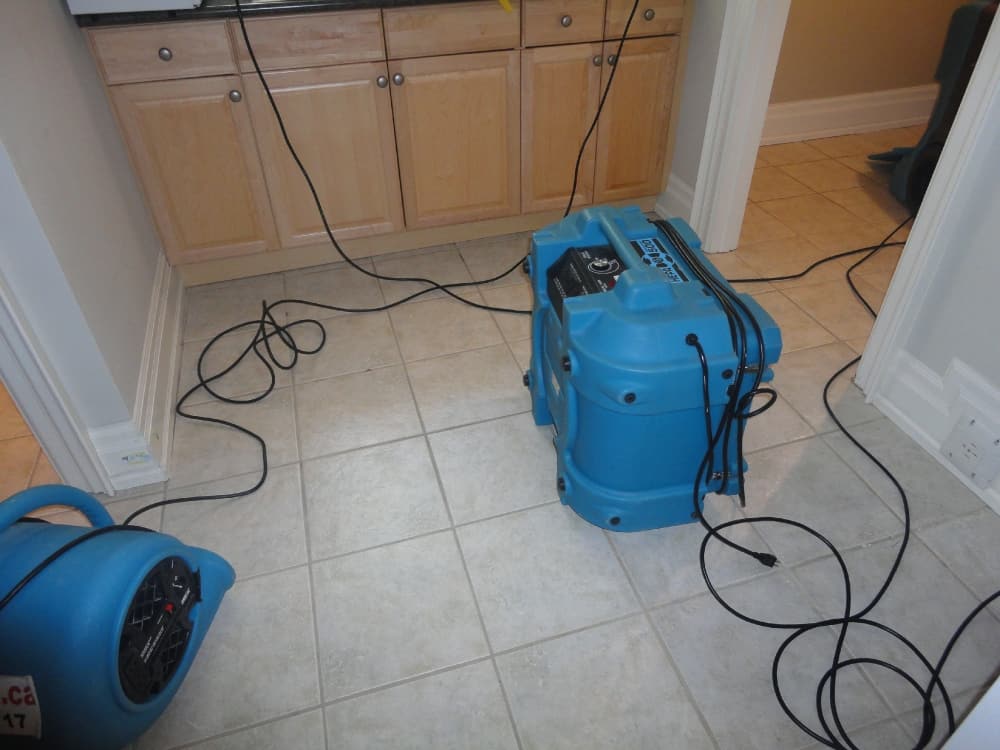
- Dry the area: Use fans and dehumidifiers to dry the area completely, preventing mold growth and further damage.
- Inspect for damage: Inspect the affected area for any hidden damage, such as rotting wood or rusting metal.
- Seek professional help: If you're unsure about how to remediate the situation, consider hiring a professional restoration company.
Conclusion: Protecting Your Home from Basement Water Damage
Basement water damage can be costly and disastrous, depending on the severity of the damage. By understanding the causes of basement water damage and taking proactive steps to prevent and remediate the situation, you can protect your home from costly repairs, health risks, and unnecessary stress. Remember to seal cracks, improve drainage, install a sump pump, and keep your basement dry to prevent basement water damage.
Frequently Asked Questions
Q: What are the most common causes of basement water damage?
A: Poor drainage, high water table, foundation cracks, clogged drains, and heavy rainfall are some of the most common causes of basement water damage.
Q: How can I prevent basement water damage?
A: To prevent basement water damage, seal cracks in your foundation, improve drainage around your home's foundation, install a sump pump, and keep your basement dry.
Q: What should I do if I experience basement water damage?