At Home Gym Setup for Strength Training: A Comprehensive Guide
Building a home gym for strength training is one of the best investments you can make in your fitness journey. With the right equipment and setup, you can transform your home into a powerhouse of fitness potential and achieve your strength training goals. In this article, we'll explore the essential equipment you need, smart space-saving strategies, and effective workout routines for every fitness level. We'll also cover expert insights on setup, safety, and maintenance to ensure a successful at-home strength training experience.
Defining Your Home Gym Goals and Budget
Before setting up your home gym, it's essential to define your goals and budget. Consider your fitness level, the type of exercises you want to perform, and the space you have available. Determine how much you're willing to spend and what equipment you need to achieve your goals. This will help you stay focused and ensure that your setup is tailored to your needs.
Essential Equipment for a Home Gym
The equipment you need for a home gym will depend on the type of exercises you want to perform and your budget. Here are some essentials to get you started:
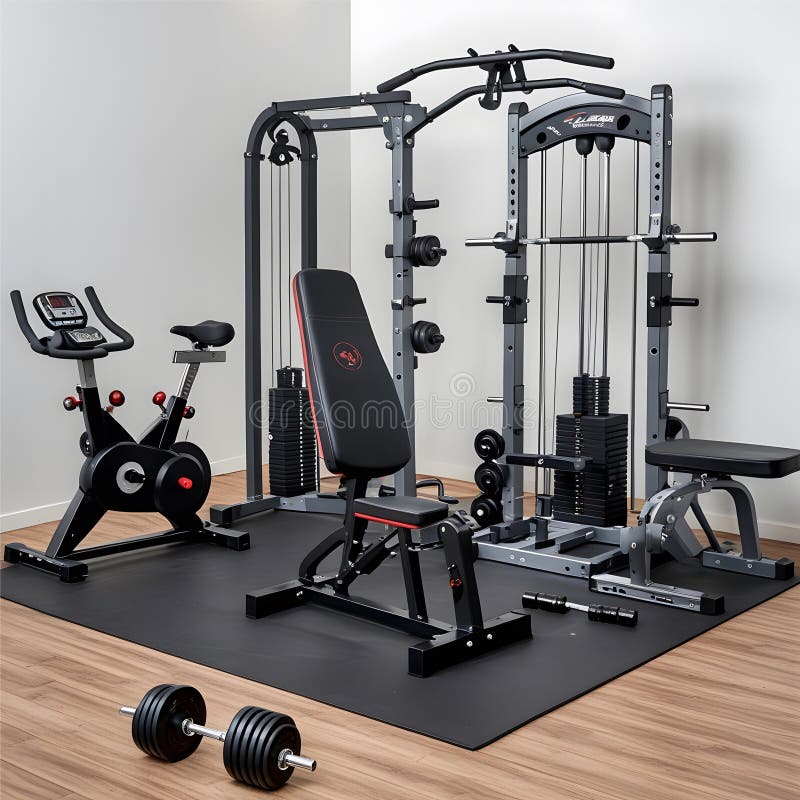
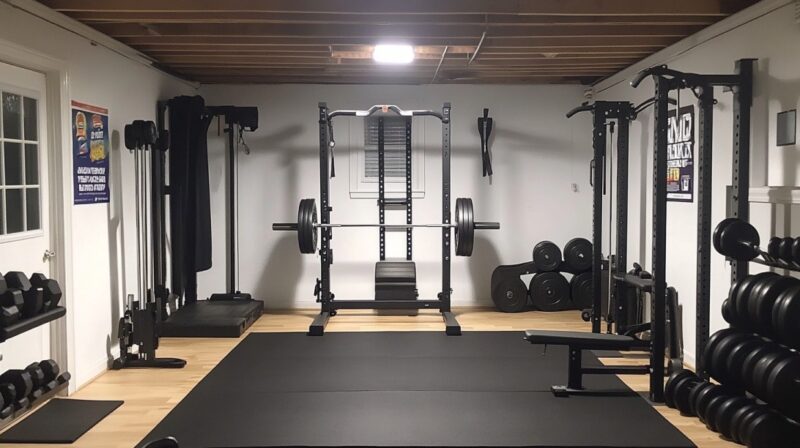
- Barbell and Dumbbells: These are the backbone of any strength training program. You can use them for a variety of exercises, such as squats, deadlifts, bench presses, and rows.
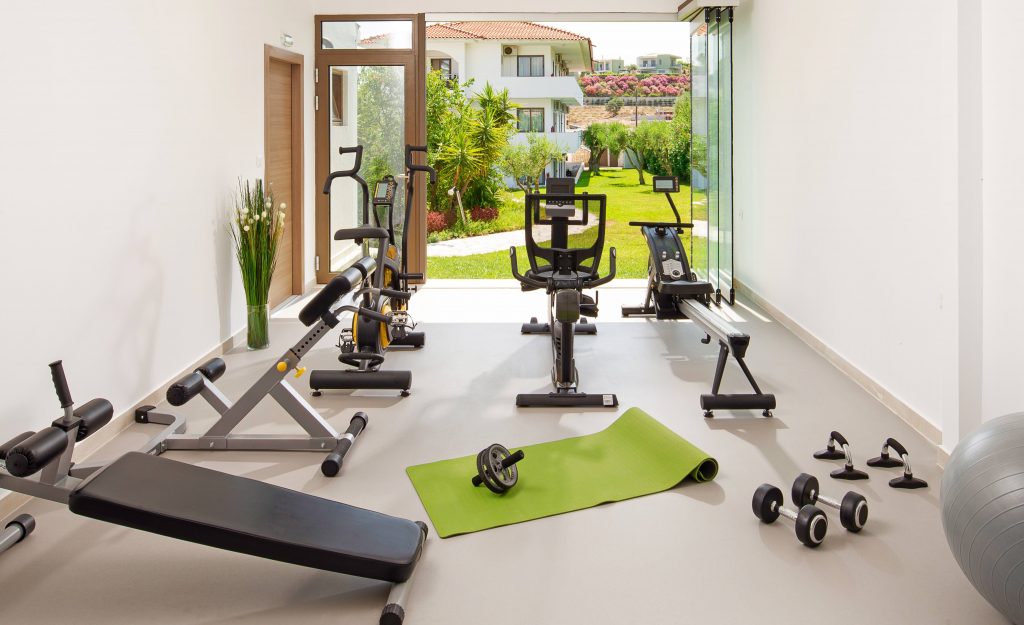
- Exercise Bench: An adjustable exercise bench is ideal for working out your upper body, including exercises like bench presses, dumbbell presses, and incline presses.
- Rack and Collars: A rack and collars are necessary for safely storing and working with your barbell and dumbbells.
- Mat and Flooring: A good quality exercise mat and durable flooring are essential for a safe and effective workout experience.
- Resistance Bands and other Accessories: Resistance bands, pull-up bars, and other accessories can add variety to your workouts and help target specific muscle groups.
Space-Saving Strategies for a Home Gym
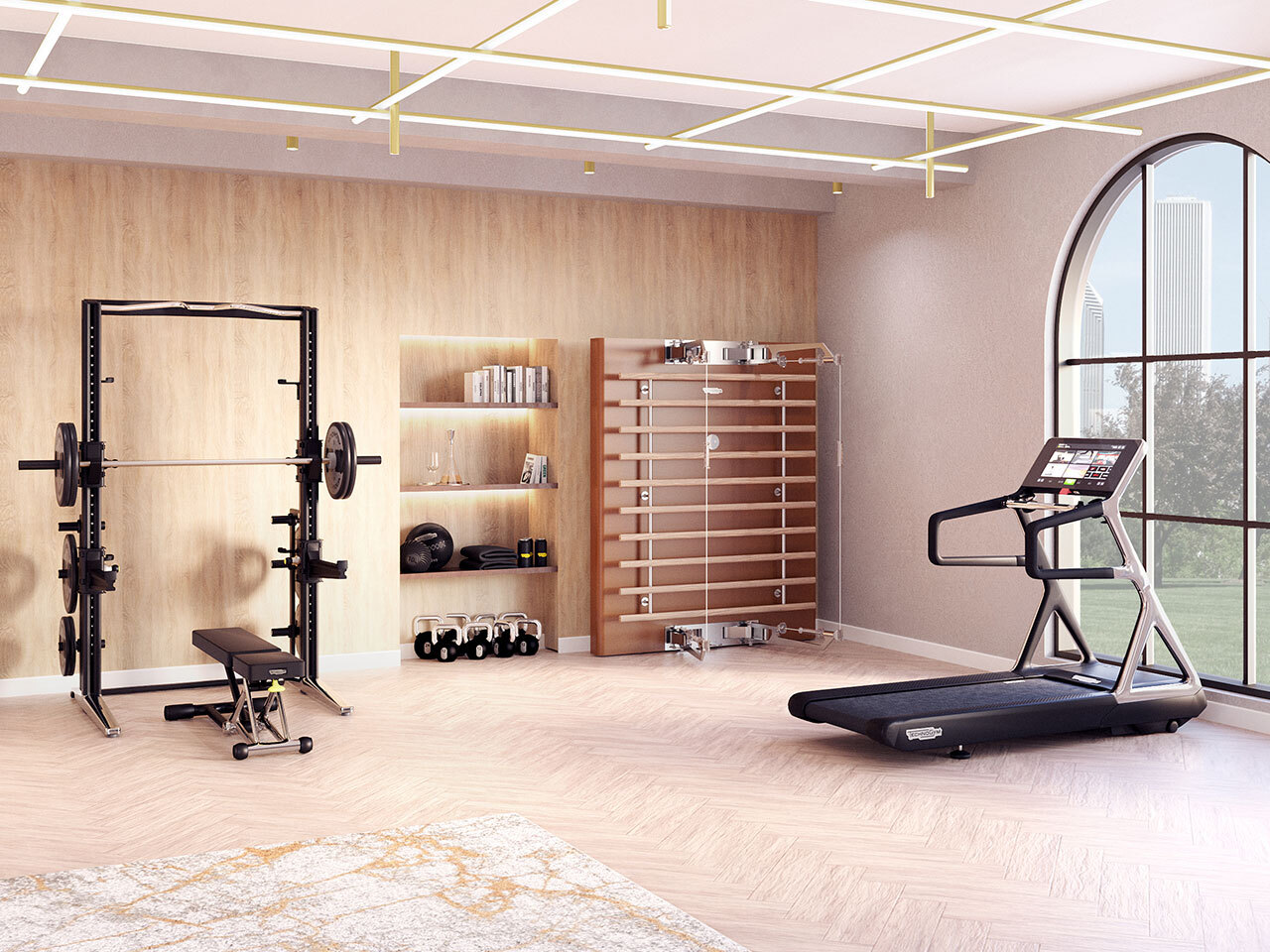
Setting up a home gym requires careful consideration of the space available. Here are some space-saving strategies to maximize your workout area:
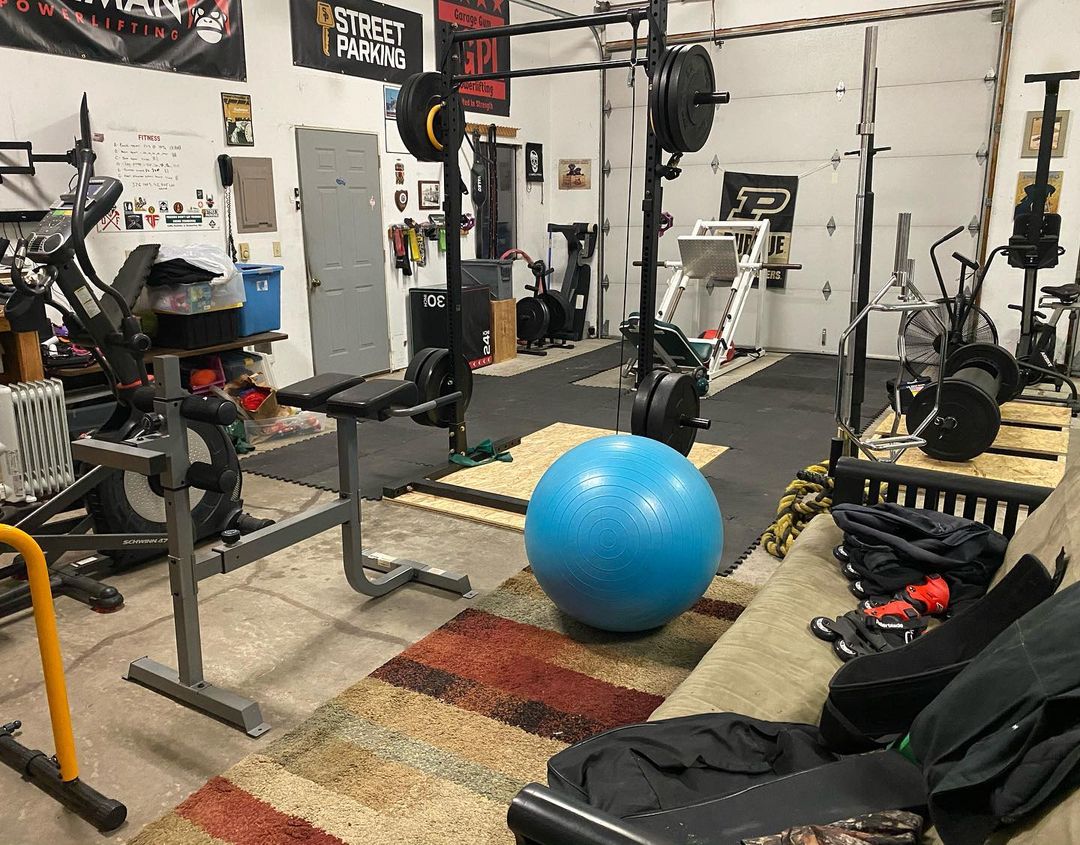
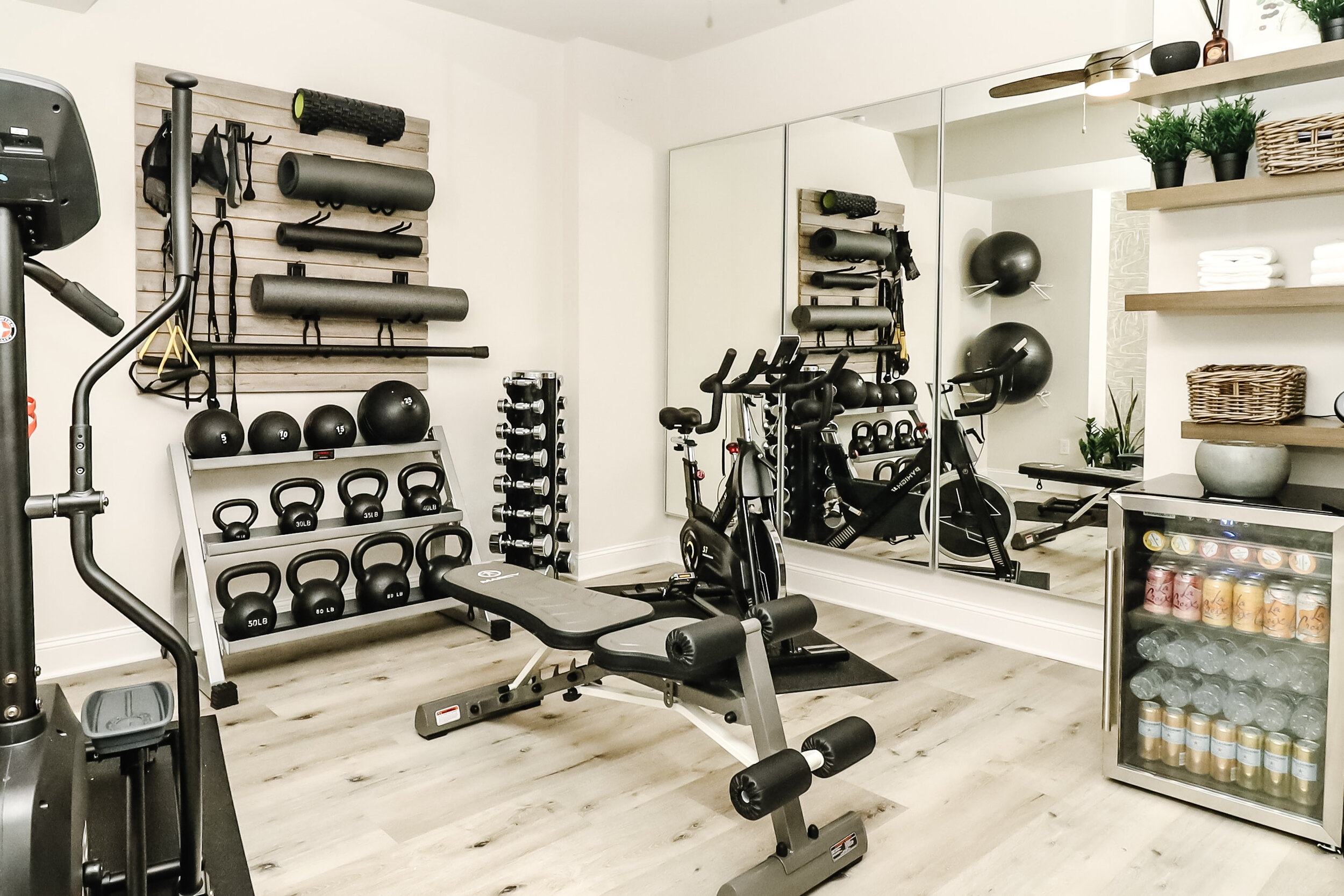
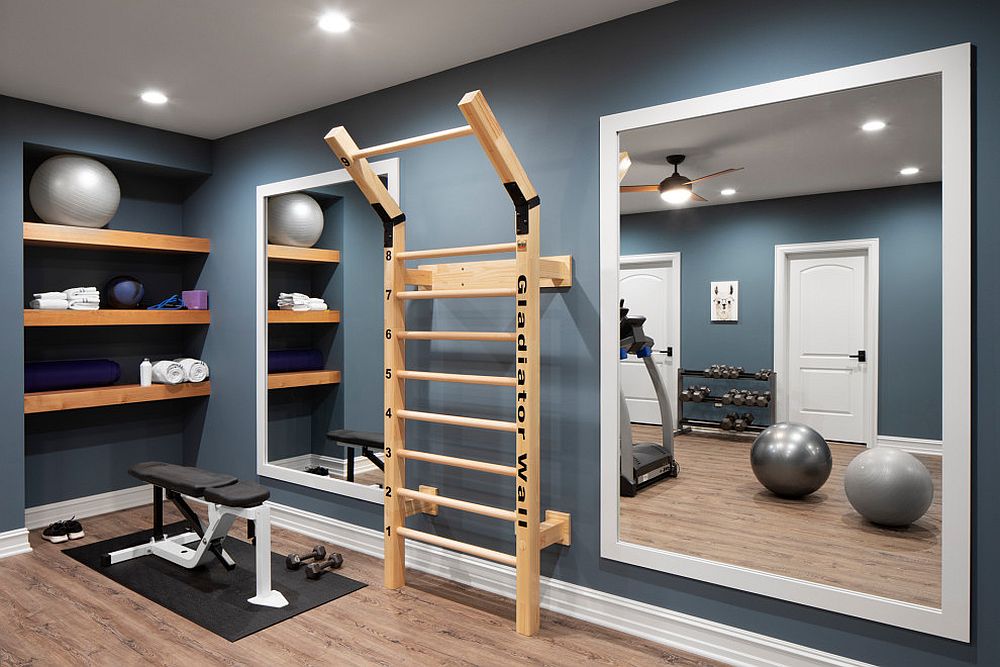
- Use a Wall-Mounted Rack: Save floor space by using a wall-mounted rack for hanging your barbell and dumbbells.
- Opt for a Foldable Exercise Bench: A foldable exercise bench takes up less space and can be easily stored when not in use.
- Invest in Multi-Functional Equipment: Look for equipment that serves multiple purposes, such as a bench with built-in wheels or a lat pulldown machine with a back extension.
- Use Stackable Storage Solutions: Consider using stackable storage solutions, such as storage bins or shelves, to keep your equipment organized and out of the way.
Effective Workout Routines for Every Fitness Level
Once you have the right equipment and space, it's time to create an effective workout routine. Here are some tips for creating a workout routine that suits your fitness level:
- Start with Basics: Begin with fundamental exercises like squats, deadlifts, and bench presses, and gradually add variety as you progress.
- Focus on Progressive Overload: Gradually increase the weight or resistance as you get stronger to continue making gains.
- Incorporate Variety: Mix up your routine with different exercises and muscle groups to avoid plateaus and prevent overtraining.
- Monitor Your Progress: Use a workout log or app to track your progress, set goals, and make adjustments as needed.
Expert Insights on Setup, Safety, and Maintenance
Setting up a home gym requires attention to detail and a commitment to safety. Here are some expert insights on setup, safety, and maintenance:
- Set Up a Safe Workspace: Ensure your workout area is well-ventilated, and clear of obstacles and tripping hazards.
- Use Proper Form and Technique: Learn proper form and technique for each exercise to avoid injury and maximize effectiveness.
- Regularly Clean and Maintain Equipment: Regularly clean and maintain your equipment to ensure longevity and prevent injuries.
- Stay Motivated and Consistent: Create a workout schedule and stick to it, and find ways to stay motivated and engaged with your training.