The Comprehensive Guide to Asbestos Removal Process
Asbestos remains a hidden danger in many homes and buildings today, posing a significant threat to human health. While this blog post aims to provide a basic understanding of asbestos and the abatement process, it's essential to remember that asbestos removal should only be undertaken by trained professionals. In this article, we will delve into the intricacies of the asbestos removal process, highlighting the crucial steps, safety measures, and compliance involved.
Understanding Asbestos
Asbestos is a naturally occurring mineral that was widely used in construction materials during the 20th century due to its durability and heat resistance. However, it was later discovered that asbestos fibers pose serious health risks to humans, including respiratory diseases such as mesothelioma and asbestosis. The risks associated with asbestos have led to its widespread regulation, and any work involving the mineral requires specialized training and equipment.
The Asbestos Removal Process: An In-Depth Guide
The asbestos removal process involves several critical steps, including:
- Pre-Work Assessment: This step involves hiring a licensed asbestos inspector to identify and quantify the presence of asbestos-containing materials (ACMs). The inspector will survey the area, noting the location and type of ACMs, and provide recommendations for the removal process.
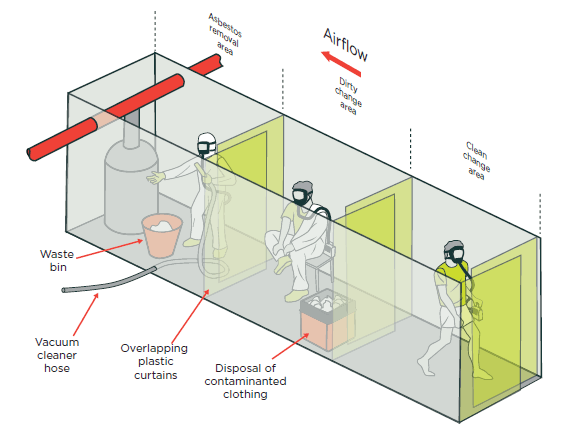
- Permitting and Site Setup: Before any work can begin, the site must be cleared of all personnel and equipment. The area must be contained, and a negative air pressure unit must be set up to prevent the release of asbestos fibers into the environment.
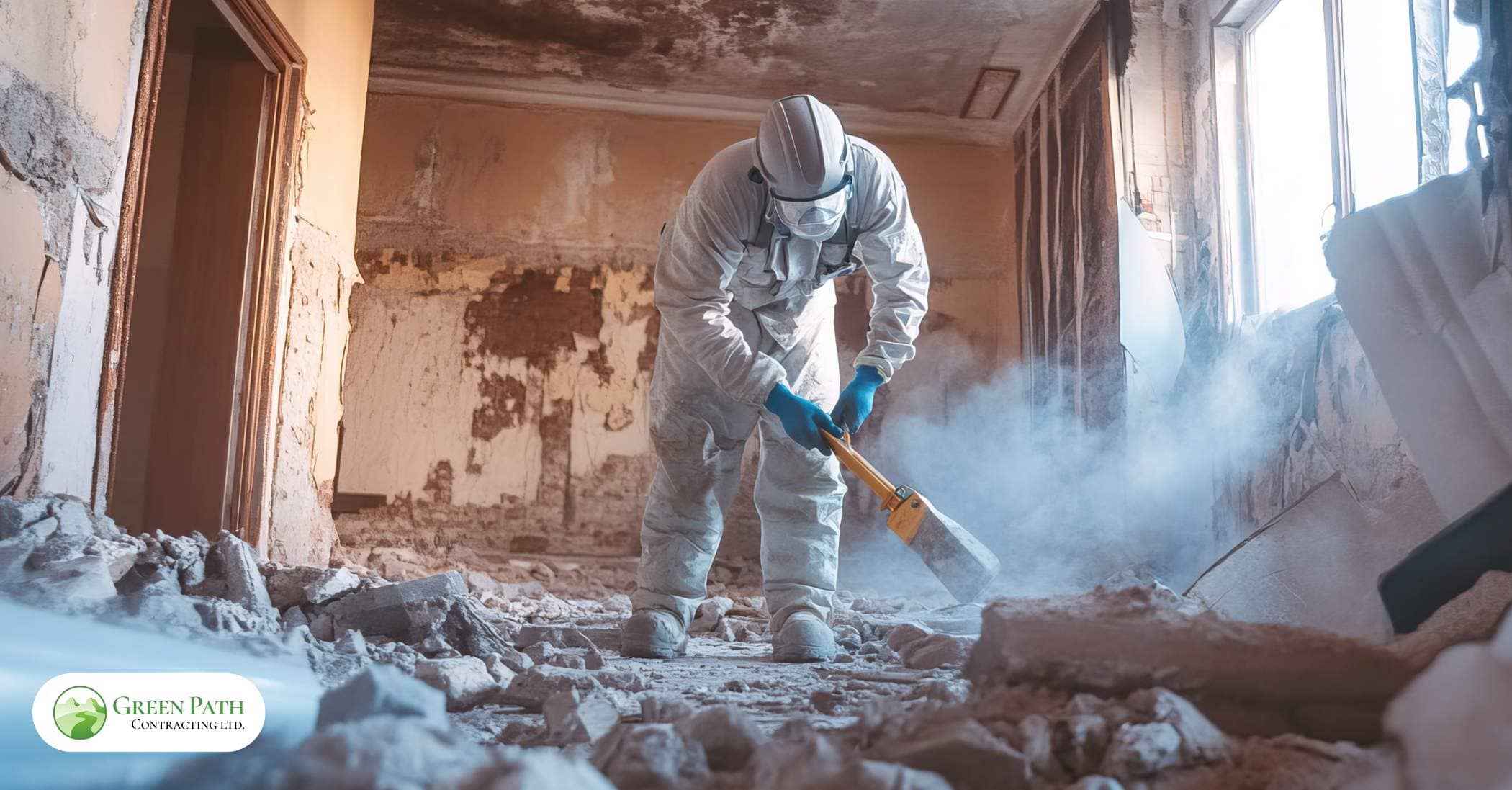
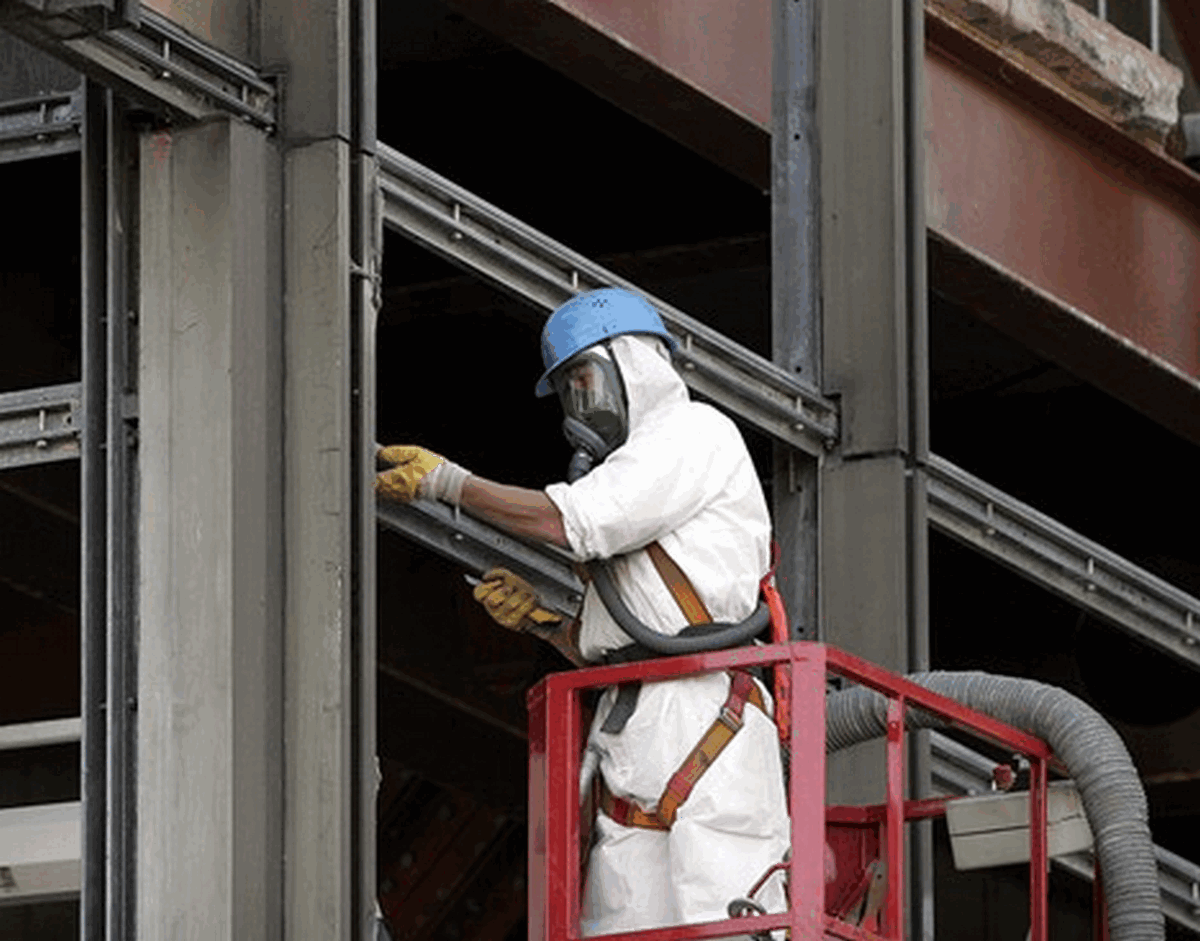
- Removal and Disposal: Trained professionals will wear protective clothing, respirators, and disposable suits to minimize exposure risks. The removal process involves wetting the materials to minimize dust creation, careful removal to prevent fiber release, and disposal in designated facilities.
- Clearance Testing: After the removal process is complete, the area is tested to ensure that it is safe for re-occupancy. The testing involves the collection of air samples, which are then analyzed for asbestos fibers.
Safety Measures and Compliance
The asbestos removal process is highly regulated, and any work involving the mineral requires strict safety measures and compliance with relevant laws and regulations. Some of the key safety measures include:
- Personal Protective Equipment (PPE): Workers must wear PPE, including respirators, disposable suits, and gloves, to minimize exposure risks.
- Containment Barriers: The work area must be contained to prevent the release of asbestos fibers into the environment.
- Negative Air Pressure Unit: A negative air pressure unit must be set up to prevent the release of asbestos fibers into the environment.
Why Hire a Professional?
While some homeowners may be tempted to undertake the asbestos removal process themselves, it's essential to remember that this work requires specialized training and equipment. Hiring a professional asbestos removal service ensures that the work is done safely and in compliance with relevant laws and regulations.
Conclusion
The asbestos removal process is a complex and critical step in ensuring the safety of homes and buildings. By understanding the intricacies of the process and the risks associated with asbestos, homeowners can take the necessary steps to protect their health and property. Remember, the asbestos removal process should only be undertaken by trained professionals, and hiring a reputable service ensures that the work is done safely and in compliance with relevant laws and regulations.