Revolutionizing Supply Chain Risk Management with AI-Powered Solutions
Supply chain risk management (SCRM) has become a top priority for companies in today's global economy. With the increasing complexity of supply chains, disruptions can have far-reaching consequences. Artificial intelligence (AI) has emerged as a game-changer in SCRM, enabling businesses to anticipate, detect, and respond to risks in real-time.
What is AI-Powered Risk Management for Supply Chain?
AI-powered risk management for supply chain involves the use of machine learning algorithms and data analytics to identify potential risks and opportunities in the supply chain network. This approach analyzes vast amounts of data from various sources, including supplier performance, market trends, and external events, to provide insights that inform proactive decision-making.
Benefits of AI-Powered Risk Management for Supply Chain
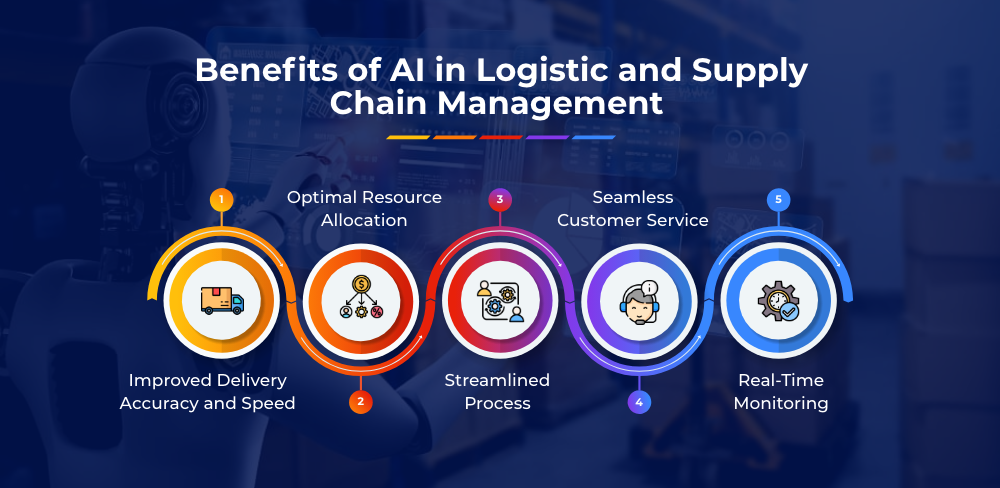
- Enhanced Visibility**: AI-powered risk management provides real-time visibility into supply chain activities, enabling businesses to track and analyze key performance indicators (KPIs) and make data-driven decisions.
- Predictive Analytics**: AI algorithms analyze historical data and market trends to predict potential risks and opportunities, allowing companies to take proactive measures to mitigate them.
- Improved Resilience**: AI-powered risk management helps companies build resilient supply chains by identifying vulnerabilities and implementing corrective actions before disruptions occur.
- Cost Reduction**: By anticipating and mitigating risks, businesses can reduce costs associated with supply chain disruptions, distribution, and lost sales.
- Increased Agility**: AI-powered risk management enables companies to respond quickly to changes in the market, supplier behavior, or external events, ensuring agility in a rapidly changing business environment.
How AI-Powered Risk Management Works

AI-powered risk management for supply chain involves a multi-step process:
- Collecting and Analyzing Data**: Gathering data from various sources, including supplier performance, market trends, and external events.
- Machine Learning**: Applying machine learning algorithms to analyze the data and identify patterns, trends, and correlations.
- Predictive Analytics**: Using the insights gained from machine learning to predict potential risks and opportunities.
- Risk Assessment**: Evaluating the likelihood and potential impact of identified risks.
- Decision-Making**: Providing recommendations for mitigating or managing identified risks.
- Continuous Improvement**: Refining the AI-powered risk management system through ongoing analysis and feedback.
Real-World Examples of AI-Powered Risk Management for Supply Chain
Companies like Aon, Marsh McLennan, and Kearney have developed AI-powered risk management solutions that enhance visibility, predict disruptions, and ensure resilience in the supply chain. These solutions leverage real-time data and analytics to identify emerging risks and support proactive decision-making.
Conclusion
AI-powered risk management for supply chain has revolutionized the way companies approach risk mitigation and response. By leveraging machine learning and predictive analytics, businesses can anticipate, detect, and respond to risks in real-time, ensuring resilience and agility in a rapidly changing business environment. As AI technology continues to evolve, we can expect to see even more sophisticated risk management solutions that help companies mitigate supply chain disruptions and thrive in the face of uncertainty.