Wireless Router Setup for Wireless Security: Boost Your Home Network's Security
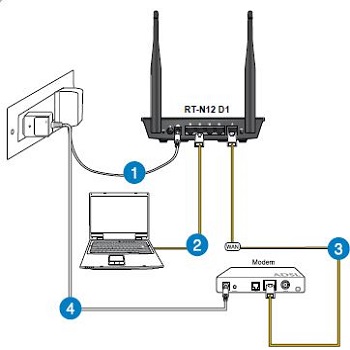
Your router is the hub for all of the devices on your home network, and it plays a crucial role in protecting all of the devices on your network against attack from the Internet. However, improper setup can impact your wireless network's performance and leave you vulnerable to hackers or squatters. In this article, we will guide you on how to set up your wireless router for wireless security and provide expert tips to safeguard your home network.
Understanding Router Security Basics
When you set up a new router, the default settings typically prioritize convenience over security. Manufacturers ship routers with generic passwords and outdated security protocols, leaving your network exposed to potential threats. It's essential to change the default settings and implement robust security measures to protect your home network.
Changing Default Router Settings
The first step in securing your wireless network is to change the default settings of your router. This includes:
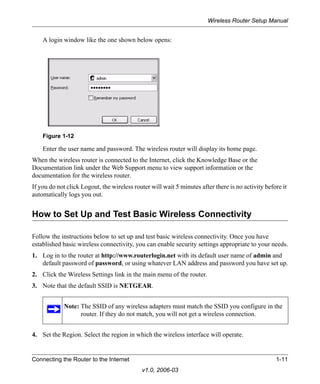
- Changing the administrator password to a strong, unique password
- Enabling WPA3 encryption, which is the latest security protocol designed to safeguard your Wi-Fi traffic
- Disabling remote access to your router to prevent unauthorized access
- Enabling a guest network to separate your main network from visitors
Configuring Your Wireless Network
After changing the default settings, you need to configure your wireless network. This includes:
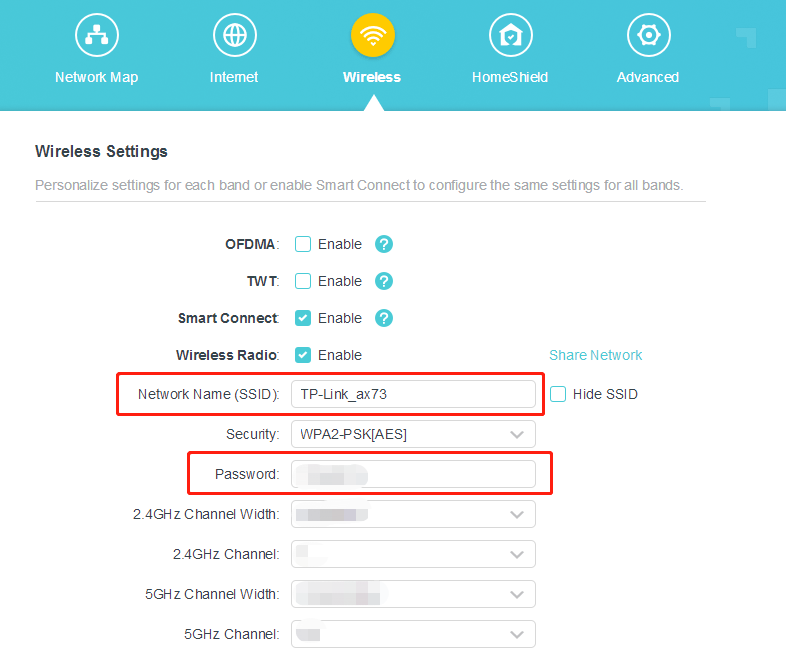
- Changing the wireless network name (SSID) to a unique and descriptive name
- Setting a strong wireless network password
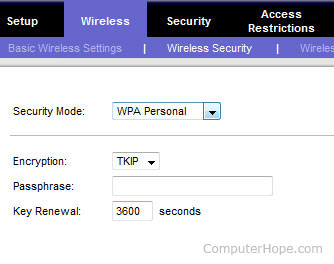
- Enabling wireless security protocols, such as WPA3 or WPA2
- Setting up a Quality of Service (QoS) policy to prioritize traffic for critical devices
Additional Security Measures
In addition to changing default settings and configuring your wireless network, you should also implement additional security measures to protect your home network. This includes:
- Enabling a firewall to block incoming and outgoing traffic
- Using a Virtual Private Network (VPN) to encrypt your internet traffic
- Regularly updating your router's firmware to ensure you have the latest security patches
- Using strong passwords and enabling two-factor authentication for all devices connected to your network

Best Practices for Router Setup
To ensure your wireless router is set up securely, follow these best practices:
- Place your router in a central location to ensure even coverage
- Use a strong and unique password for your router and wireless network
- Enable WPA3 encryption and disable WPA2
- Regularly update your router's firmware and software
- Use a guest network to separate your main network from visitors
Conclusion
In conclusion, setting up your wireless router for wireless security is a crucial step in protecting your home network from hackers and other threats. By changing default settings, configuring your wireless network, implementing additional security measures, and following best practices, you can ensure your wireless network is secure and reliable. Remember, a secure wireless network is a safe and happy network!
Resources
If you're looking for more information on wireless router setup and security, check out these resources:
- Xfinity WiFi Gateways and Routers
- TP-Link AX1800 WiFi 6 Router (Archer AX21)
- Netgear Nighthawk AX8
- Netgear Nighthawk AX12
Further Reading
For more tips and best practices on wireless router setup and security, check out these articles:
- How to Boost Your Router Security
- Understanding Router Security Basics
- Wireless Network Security 101