Understanding the Mechanism of Action of GLP-1 for Weight Loss
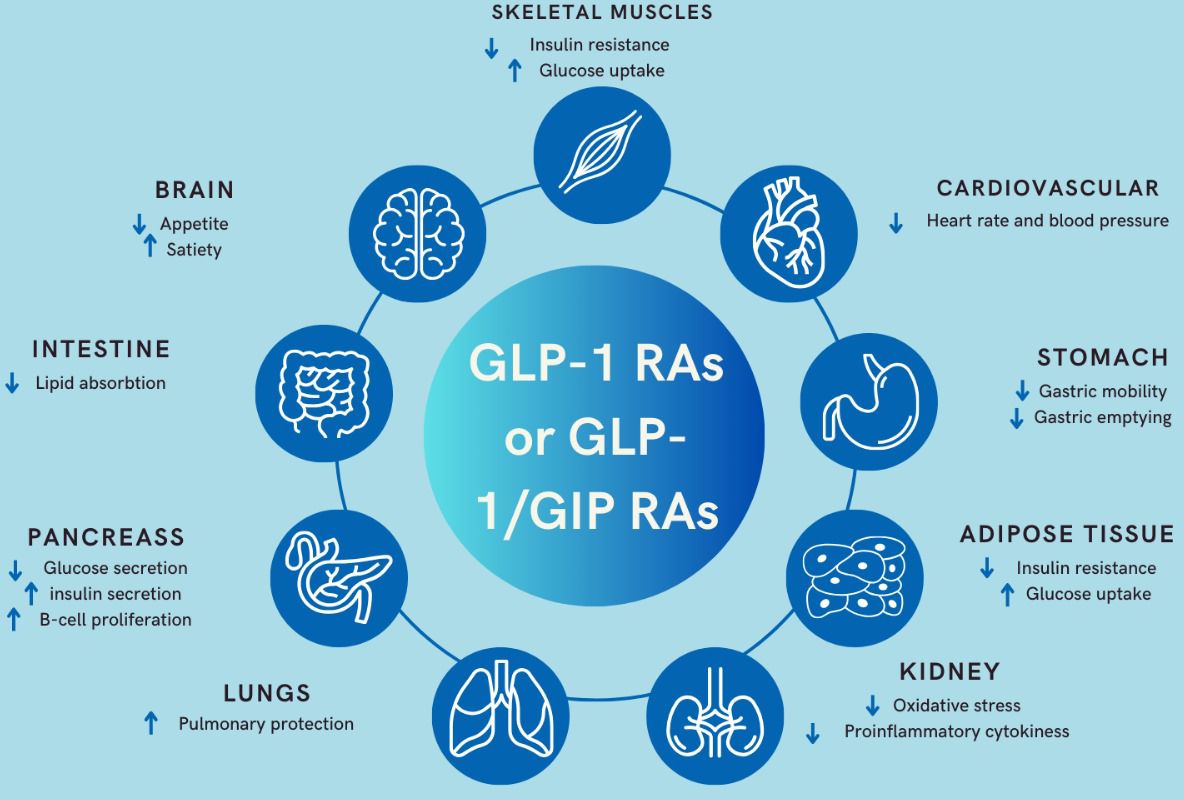
In recent years, glucagon-like peptide-1 (GLP-1) receptor agonists (RAs) have become a central component in managing obesity and type 2 diabetes. The primary goal of these medications is to induce weight loss and improve metabolic regulation through various central and peripheral pathways. In this article, we will delve into the mechanism of action of GLP-1 for weight loss, exploring its effects on appetite, insulin secretion, and energy balance.The GLP-1 Receptor and Its Role in Weight Regulation
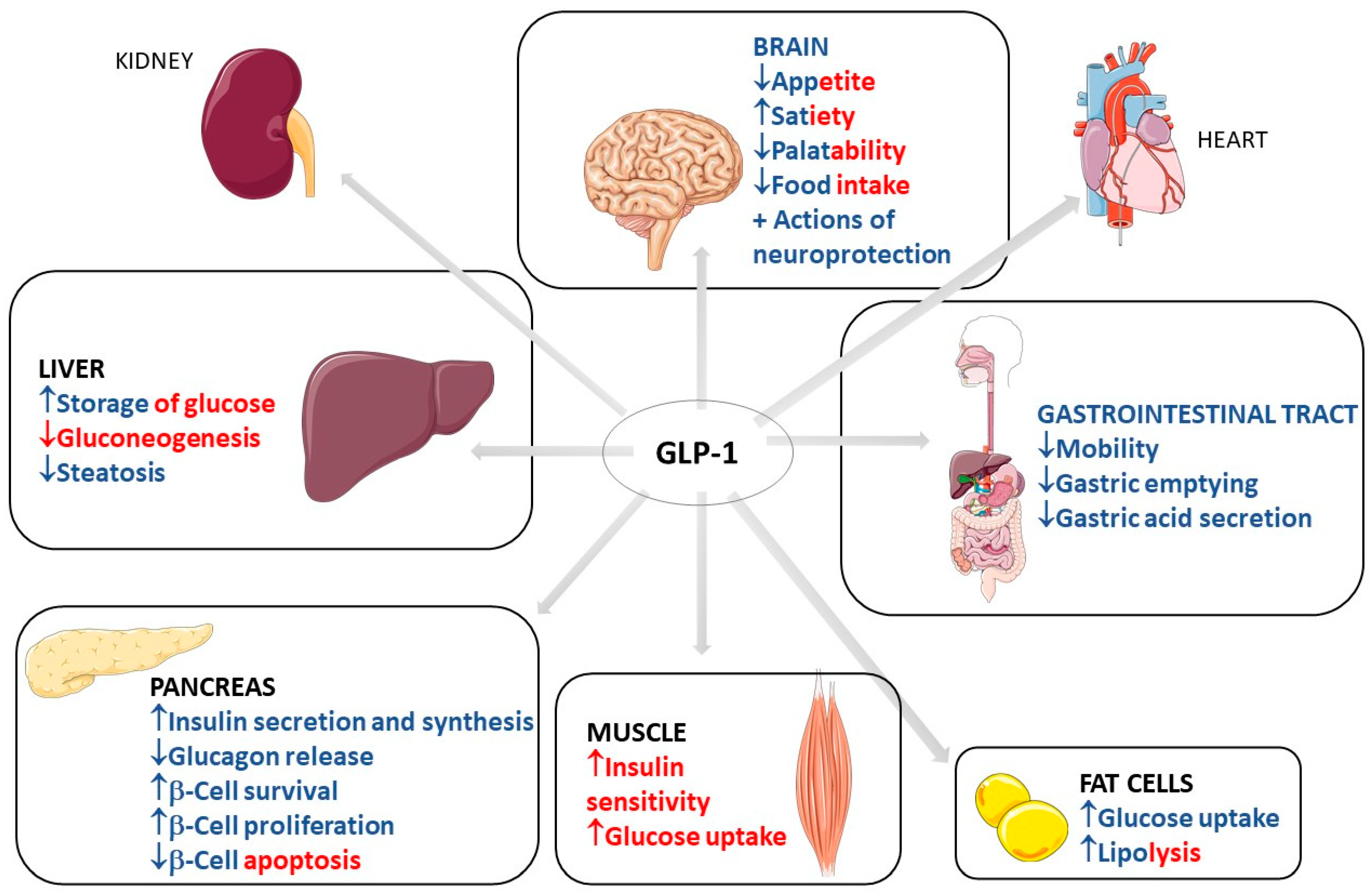
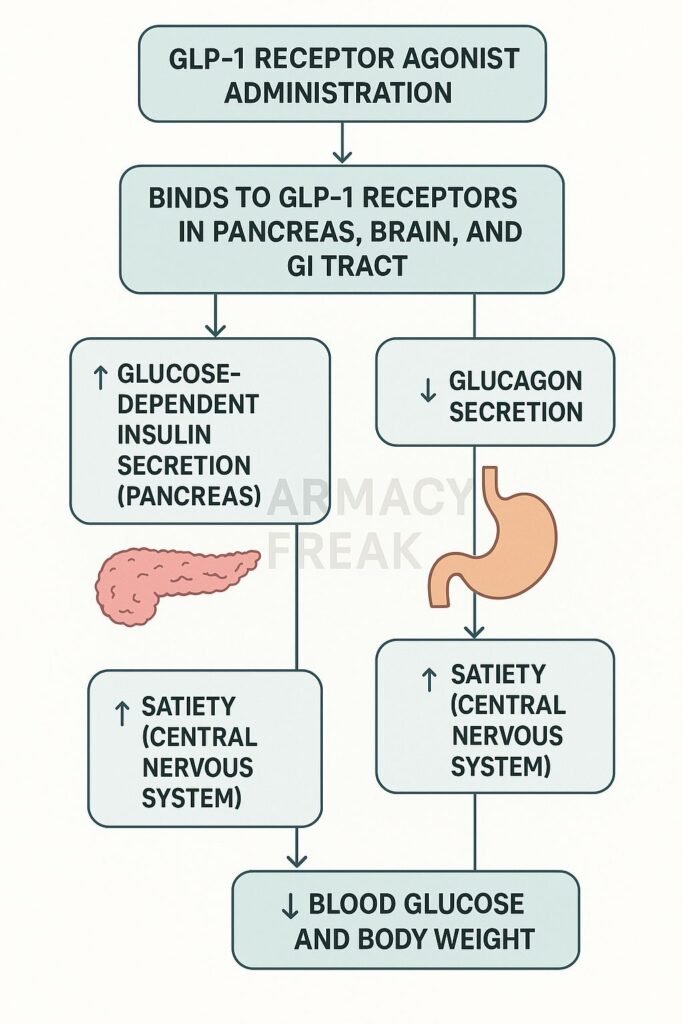
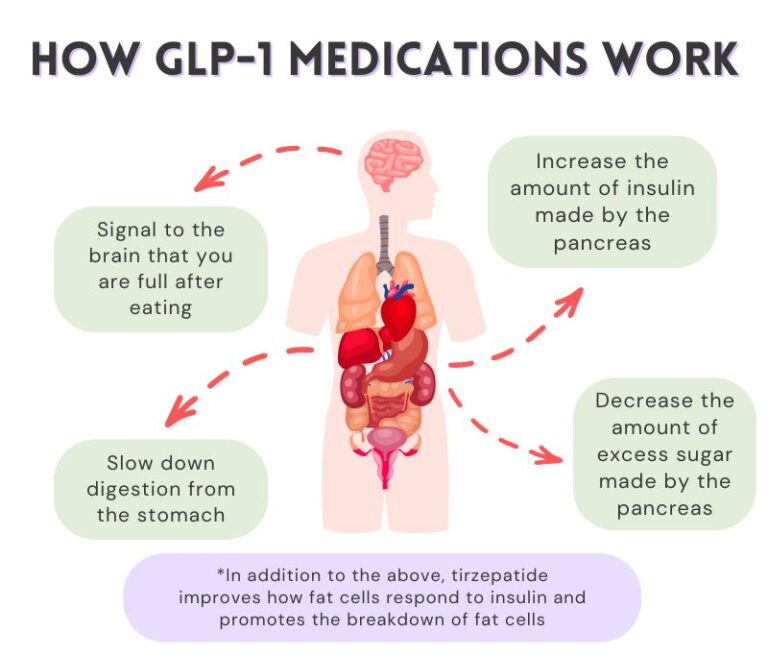
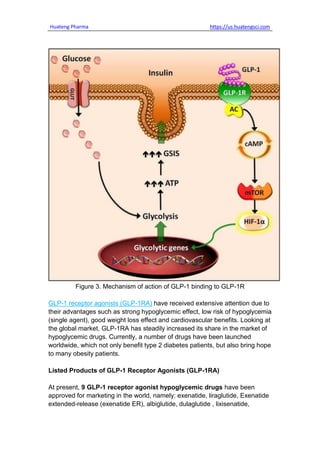
The GLP-1 receptor is a critical component of the G protein-coupled receptor (GPCR) family and is found primarily on the surfaces of various cell types, including pancreatic beta cells, intestinal cells, and brain regions involved in appetite regulation. Activation of the GLP-1 receptor by endogenous or exogenous GLP-1 ligands triggers a cascade of signaling events that ultimately lead to improved insulin secretion, glucose-dependent insulin secretion, and delayed gastric emptying.GLP-1 and Appetite Suppression
One of the primary mechanisms by which GLP-1 RAs induce weight loss is through appetite suppression. Central administration of GLP-1 has been shown to reduce food intake in animal models, whereas peripheral administration of GLP-1 RAs leads to a reduction in appetite and food intake in humans. The effect of GLP-1 on appetite is thought to be mediated by its action on brain regions involved in energy homeostasis, including the hypothalamus and the brainstem.GLP-1 and Insulin Secretion
Another critical mechanism by which GLP-1 RAs induce weight loss is through improved insulin secretion. GLP-1 agonists enhance insulin secretion in a glucose-dependent manner, which helps to regulate glucose levels and improve insulin sensitivity. Improved insulin secretion is also associated with reduced body weight, as excess glucose is stored as fat.GLP-1 and Energy Balance