Setting Up a Reliable Wi-Fi Network for Data Warehousing
In today's fast-paced business landscape, warehouse operations rely heavily on real-time data and seamless communication between various departments and systems. A well-implemented warehouse Wi-Fi solution ensures that inventory management systems, mobile devices, barcode scanners, and other critical systems are connected and functioning at optimal levels.
The Challenges of Setting Up a Warehouse Wi-Fi Network
Establishing reliable Wi-Fi coverage in a manufacturing and warehouse environment presents significant challenges. These settings are not only demanding on wireless signals but also pose complex structural obstacles, requiring meticulous planning and design. The list of potential issues a warehouse & manufacturing Wi-Fi network designer can encounter is nearly endless. What if wireless inventory control apps lose a signal or automated equipment that depends on seamless communication suddenly encounters a dead spot?
Understanding the Importance of a Reliable Warehouse Wi-Fi Network
Maintaining a reliable Wi-Fi network is crucial in the productivity and operations of any warehouse. By providing a stable and reliable network, you can ensure that your employees remain connected and can communicate effectively throughout the warehouse. This is especially important in warehouses where time is of the essence, and any delays can result in losses.
Planning and Design
When setting up a Wi-Fi network for data warehousing, it's essential to plan and design the network with the warehouse's specific needs in mind. This includes considering factors such as the size and layout of the warehouse, the type of equipment and devices that will be used, and the number of users that will be connected to the network.
Hardware Requirements
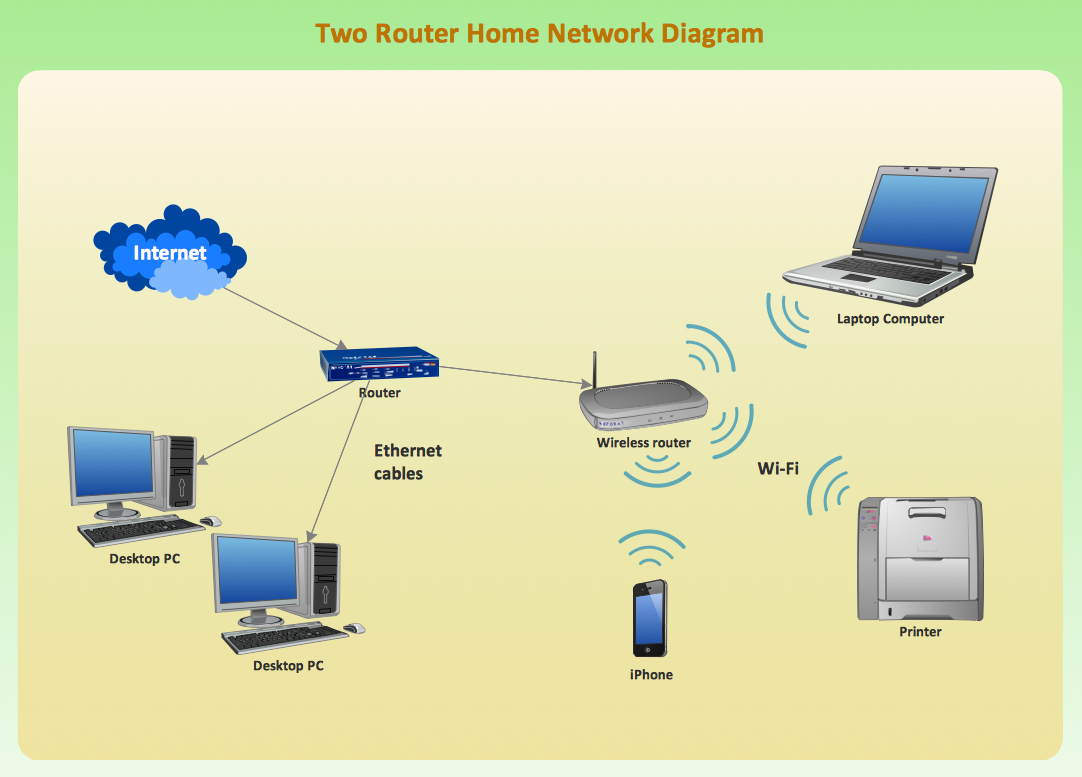
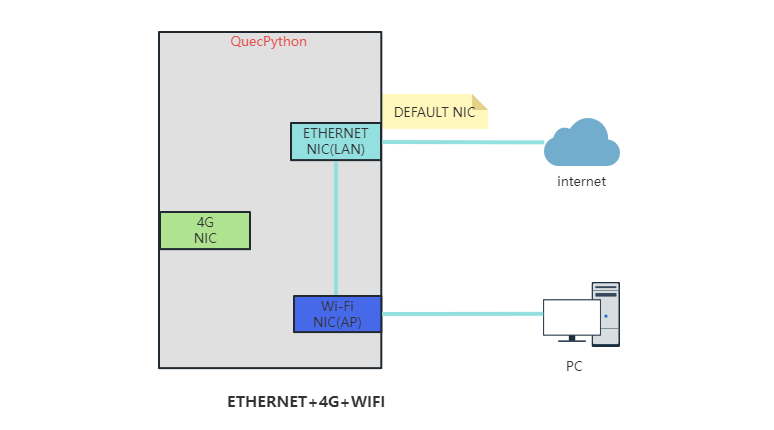
For a reliable warehouse Wi-Fi network, you will need a combination of hardware components, including wireless access points, routers, and switches. The type and number of access points required will depend on the size of the warehouse and the type of equipment that will be using the network.
The placement of the access points is a critical factor in ensuring reliable coverage throughout the warehouse. The access points should be placed to provide maximum coverage and minimize dead spots. This may involve installing access points in the ceiling or on walls to ensure that the signal reaches all areas of the warehouse.
Choosing the Right Wi-Fi Standard
When selecting a Wi-Fi standard for your warehouse Wi-Fi network, you have several options to choose from, including Wi-Fi 5 and Wi-Fi 6. Wi-Fi 6 offers faster speeds and greater capacity, making it an ideal choice for large warehouses with many users.
Network Congestion and Interference
Network congestion and interference can significantly impact the performance of your warehouse Wi-Fi network. Implementing a high-gain directional antenna or a mesh network can help to reduce congestion and ensure that your network operates at optimal levels.
Security and Authentication
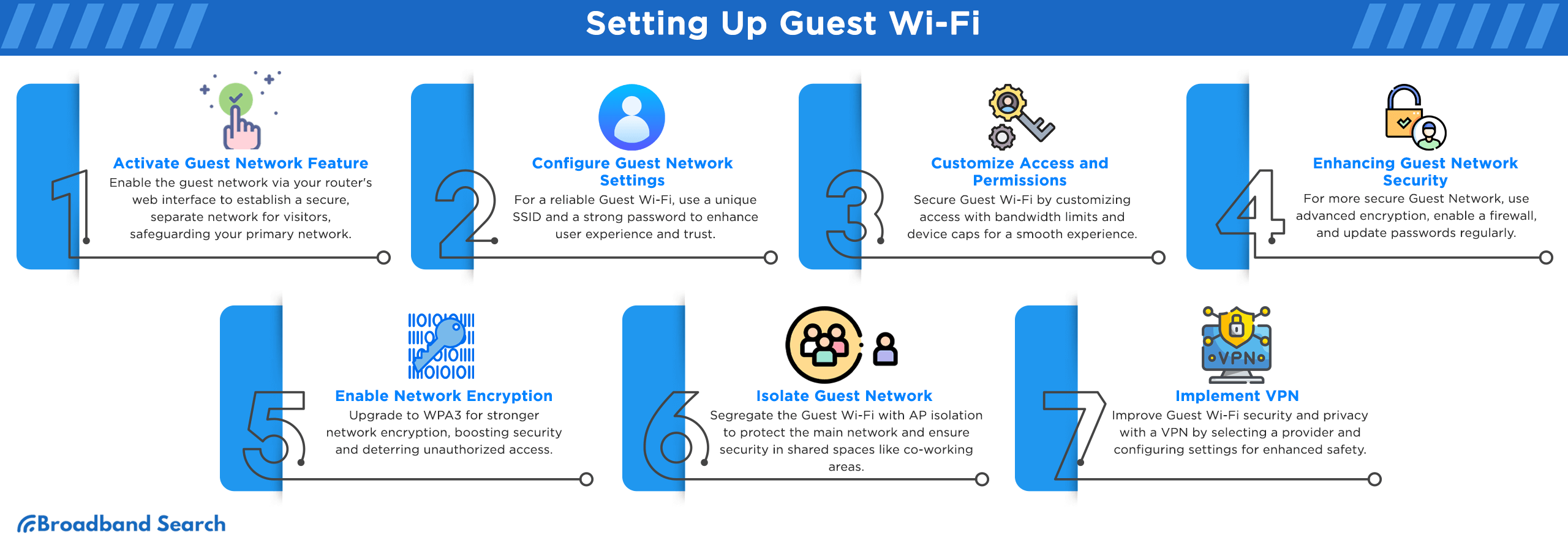
Security and authentication are critical components of a reliable warehouse Wi-Fi network. You will need to implement measures to protect your network from unauthorized access and ensure that only authorized personnel can access sensitive data and devices.
Conclusion
Setting up a reliable Wi-Fi network for data warehousing requires careful planning and execution. By following the guidelines outlined in this article, you can ensure that your warehouse Wi-Fi network is robust, secure, and reliable, providing a stable platform for seamless communication and data exchange.
Fail to plan and design the network with the warehouse's specific needs in mind. The lack of consideration for the size and layout of the warehouse, type of equipment and devices that will be used, and number of users that will be connected to the network can result in a network that is unreliable and inefficient.
y Consequences of a Weak Network
A weak network can result in significant productivity losses and decreased efficiency, ultimately affecting the bottom line. A reliable audit and maintenance program should be put in place to prevent network-related issues and downtime.
p Consequences of a Slow Network
Slow networks can result in frustration and wasted time for employees. This can result in decreases in productivity and efficiency, impacting the overall performance of the warehouse.
Conclusion
In conclusion, setting up a reliable Wi-Fi network for data warehousing is a critical component of a successful warehouse operations. By following the guidelines outlined in this article and avoiding the common pitfalls of weak and slow networks, you can ensure that your warehouse Wi-Fi network is robust, secure, and reliable, providing a stable platform for seamless communication and data exchange.